Entering the world of Carl Gustav Jung is less like reading a series of textbooks and more like entering a labyrinth. For the uninitiated, the sheer volume of his collected works—and the subsequent waves of Jungian scholarship—can feel overwhelming. Jung didn't just create a psychological framework; he attempted to map the entire psyche, bridging the gap between clinical observation and the timeless patterns of human experience.
The challenge for most readers is knowing where to start. Do you begin with the clinical foundations, or do you jump straight into the mystical explorations of alchemy and synchronicity? Many seekers find that Jung's work is most potent when paired with practical tools, whether those are dream journals, tarot, or a study of ancient wisdom traditions. The goal is not merely intellectual accumulation, but a process of individuation—becoming the whole person you were meant to be.
As booksellers specializing in the esoteric, we see Jung as the bridge. He validated the intuitive and the symbolic in an age of rigid materialism. To help you find your way, we have categorized these recommendations by their intent: the primary mysteries, the cosmic connections, and the practical applications of his theories.
The Primary Mysteries: Core Jungian Texts
These volumes represent the heart of Jung's personal exploration and his most provocative theories on the nature of reality and the unconscious. They provide the theoretical bedrock for anyone serious about analytical psychology.
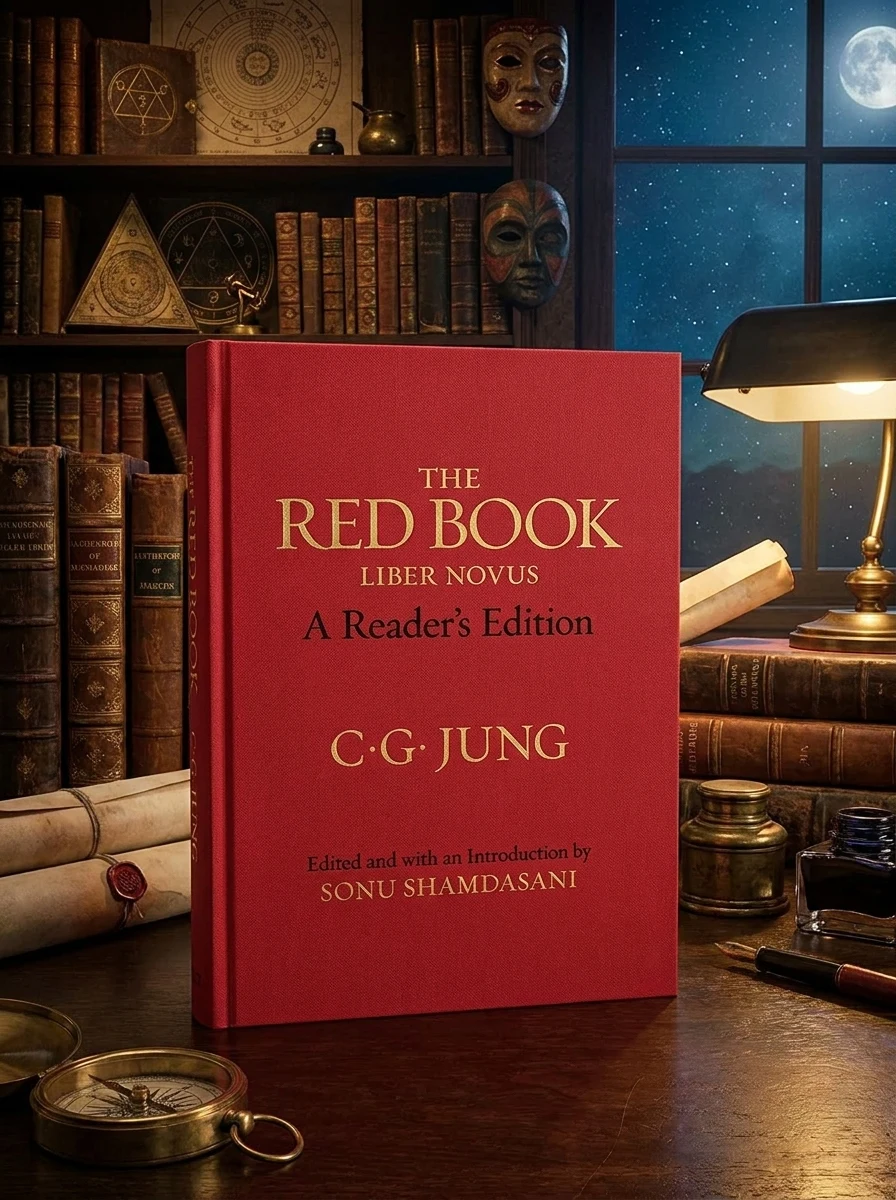
1. The Red Book: A Reader's Edition — C.G. Jung
This is the genesis of everything. For decades, this manuscript remained hidden, documenting Jung's descent into his own unconscious. It is a visceral, artistic, and often confusing record of his dialogues with autonomous figures of the mind. It is essential for those who want to see the raw material before it was polished into academic theory. It serves as a primary source for understanding how Jung experienced the archetypes firsthand. Price: $50.
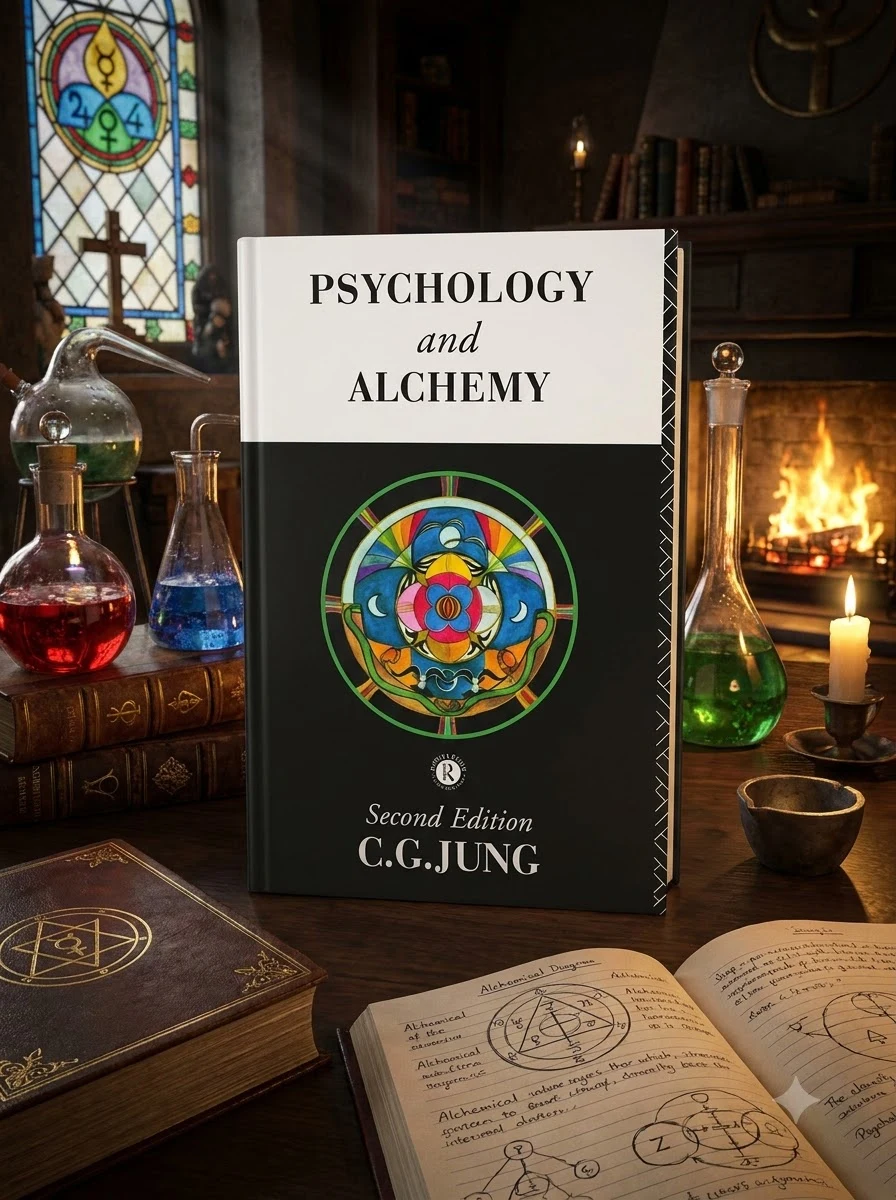
2. Psychology and Alchemy — C.G. Jung
Jung saw alchemy not as a primitive attempt to make gold, but as a symbolic language for the transformation of the soul. This work is a masterclass in how to read symbols and understand the projection of the internal world onto external matter. It is a demanding read, suited for those already comfortable with complex symbolism and the idea that the external world can mirror internal psychic states. Price: $40.
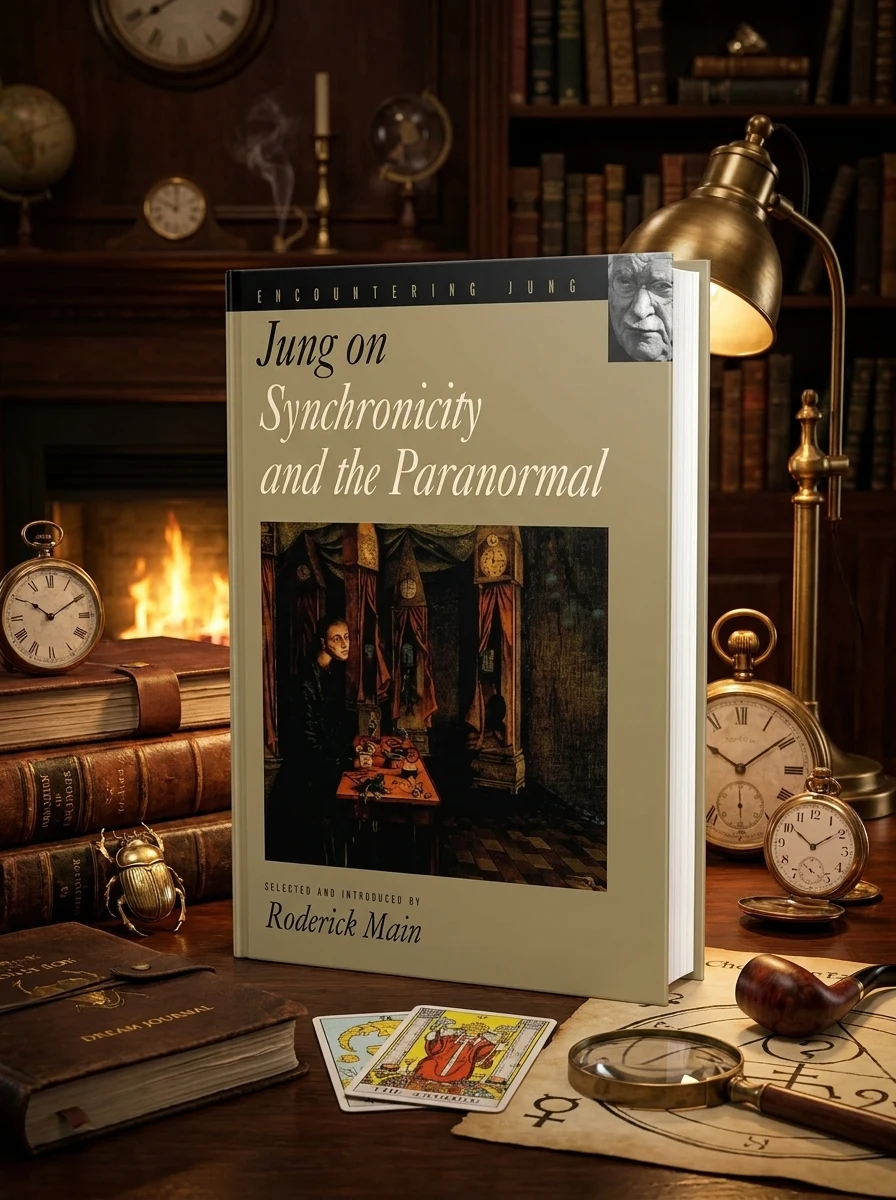
3. Jung on Synchronicity and the Paranormal (Revised) — C.G. Jung
Here, Jung explores the concept of acausal connecting principles—the "meaningful coincidences" that defy linear logic. This book is the primary resource for anyone who has felt the universe speaking to them through external events. It bridges the gap between psychology and the occult sciences, suggesting that mind and matter are not separate but interconnected. Price: $25.
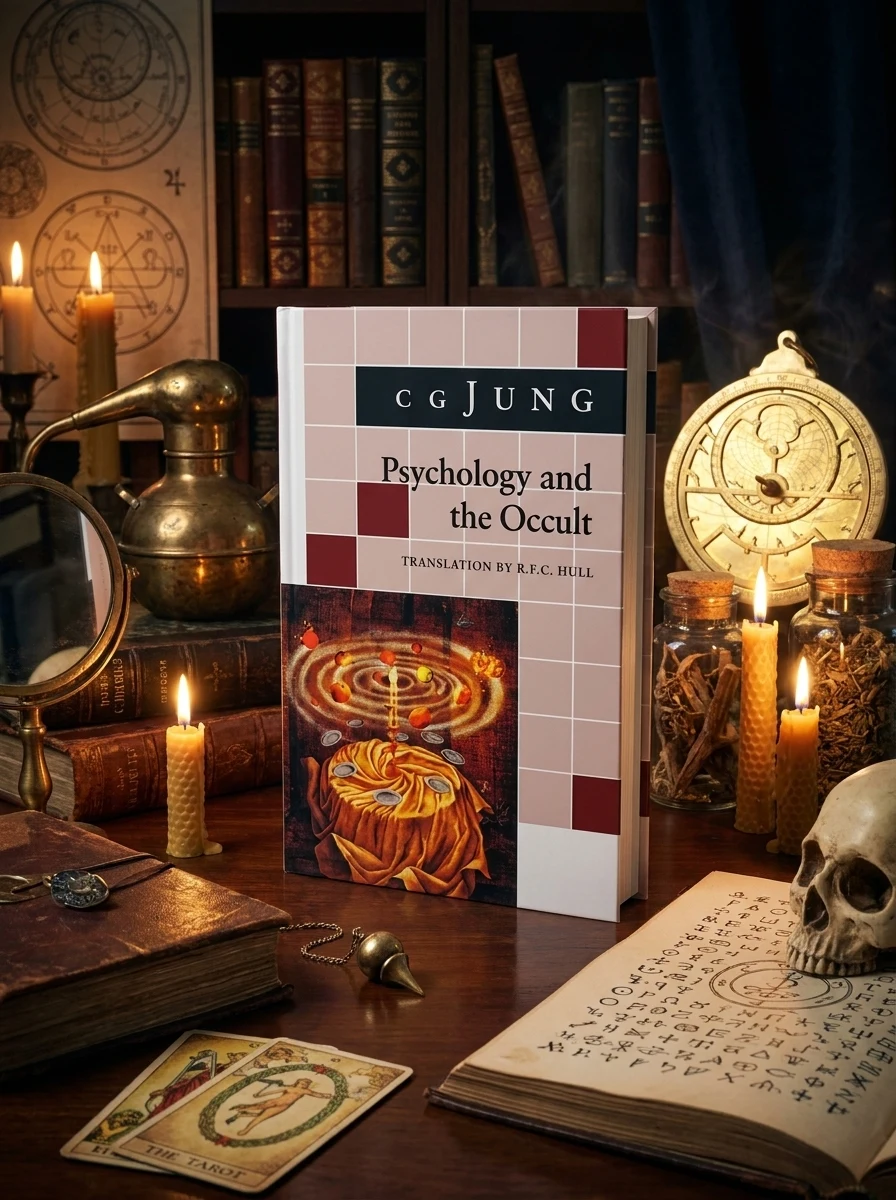
4. Psychology and the Occult — C.G. Jung
This compilation draws from various volumes of his collected works to focus specifically on his relationship with the hidden side of existence. It is an ideal entry point for the reader who is more interested in the mystical implications of Jung's work than in his clinical case studies. It provides a concentrated look at how Jung integrated non-traditional knowledge into a psychological framework. Price: $33.
The Cosmic Connection: Astrology and Ancient Wisdom
Jung believed that the human mind was not an isolated island but was connected to a larger, collective unconscious that mirrored the movements of the cosmos. He spent a significant portion of his later life studying how ancient systems of knowledge reflected the structure of the human mind.
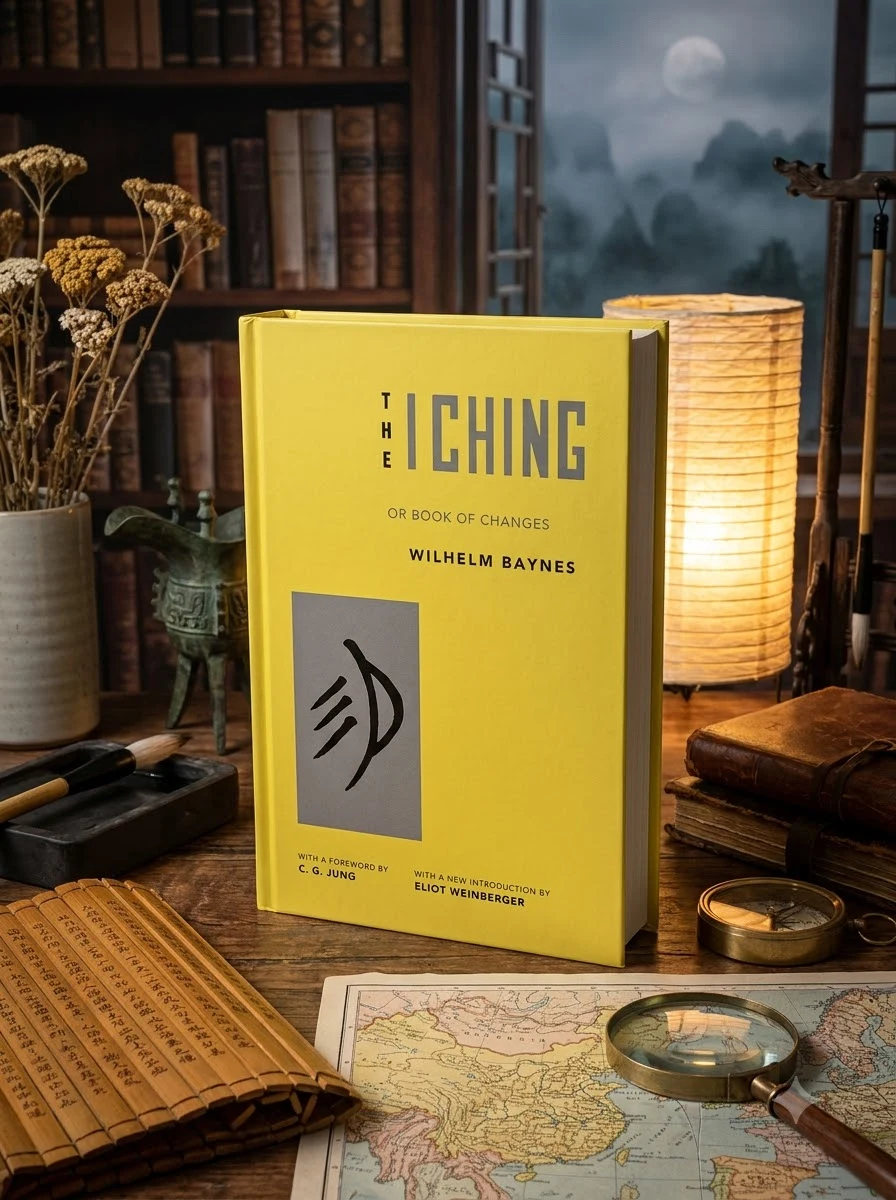
5. The I Ching or Book of Changes — C.G. Jung
Jung's commentary on the I Ching is legendary. He viewed the Chinese oracle not as a tool for fortune-telling, but as a way to engage with synchronicity to gain insight into the current state of one's life. This is a practical guide for those seeking a reliable method for navigating personal transitions by observing the patterns of change. Price: $25.
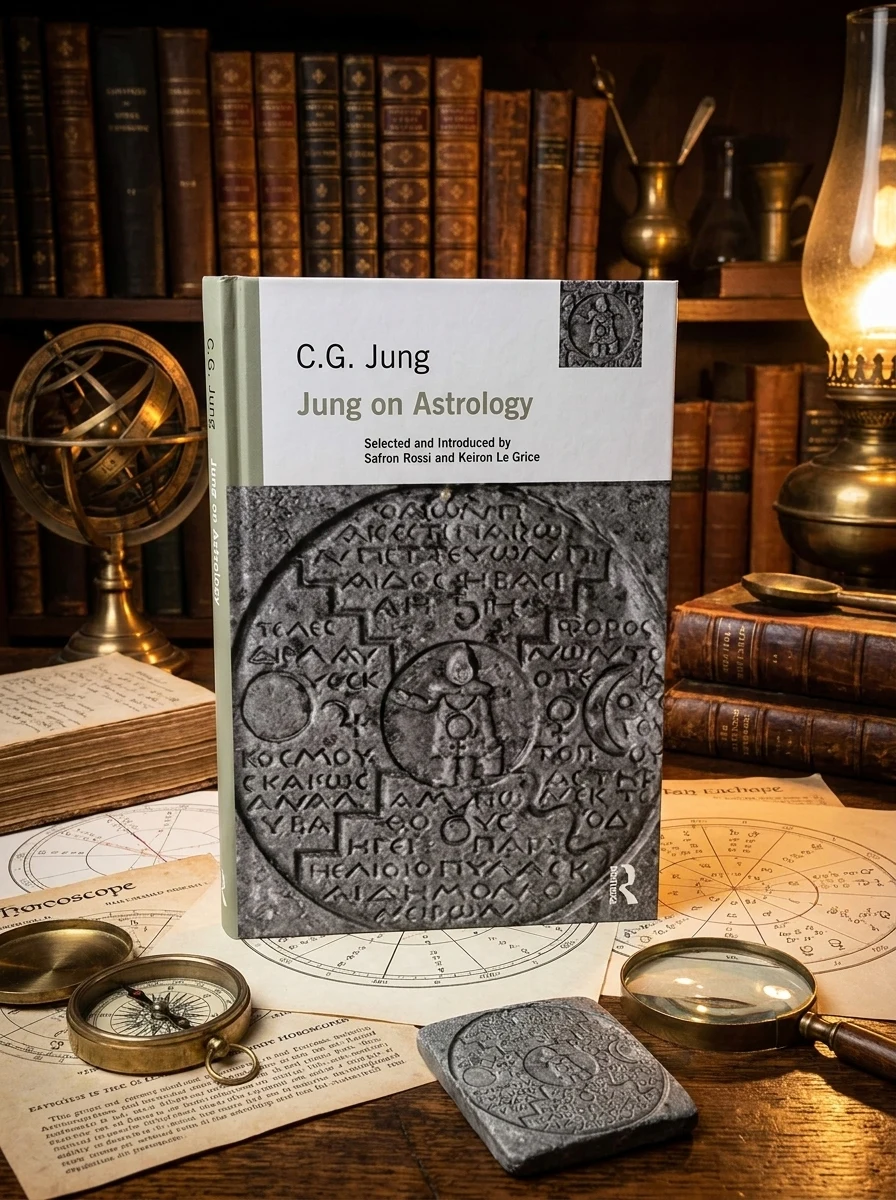
6. Jung on Astrology — C.G. Jung
While Jung was a man of science, he recognized the psychological power of the stars. This collection of his writings on astrology examines how planetary movements serve as archetypal mirrors for human experience. It is highly recommended for serious astrologers who want a psychological grounding for their practice, moving away from prediction and toward psychological insight. Price: $60.
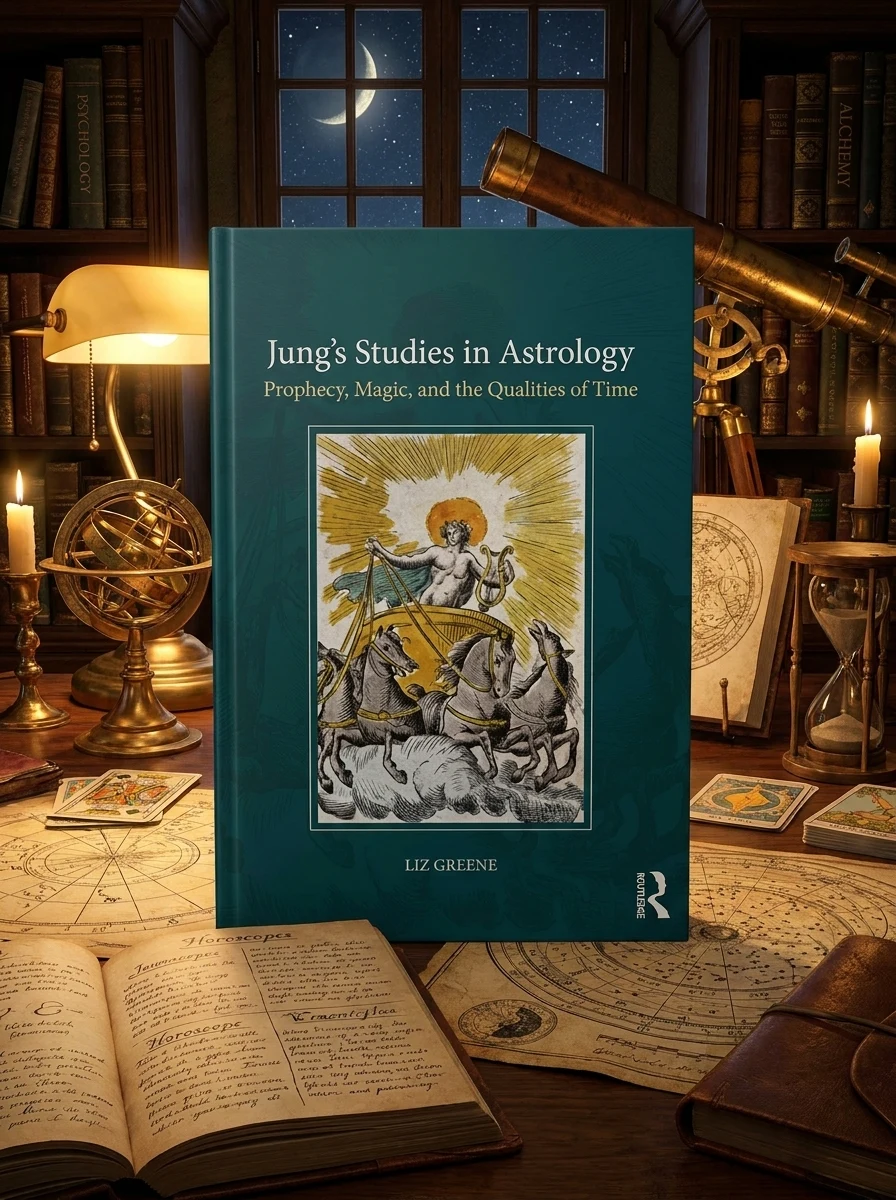
7. Jung's Studies in Astrology: Prophecy, Magic, and the Qualities of Time — Liz Greene
Liz Greene is perhaps the most influential figure in bridging Jungian psychology and astrology. This volume provides the necessary historical and theoretical depth to understand how Jungian archetypes manifest in a birth chart. It is an essential companion to Jung's own writings, offering a structured approach to the intersection of fate and psychology. Price: $234.
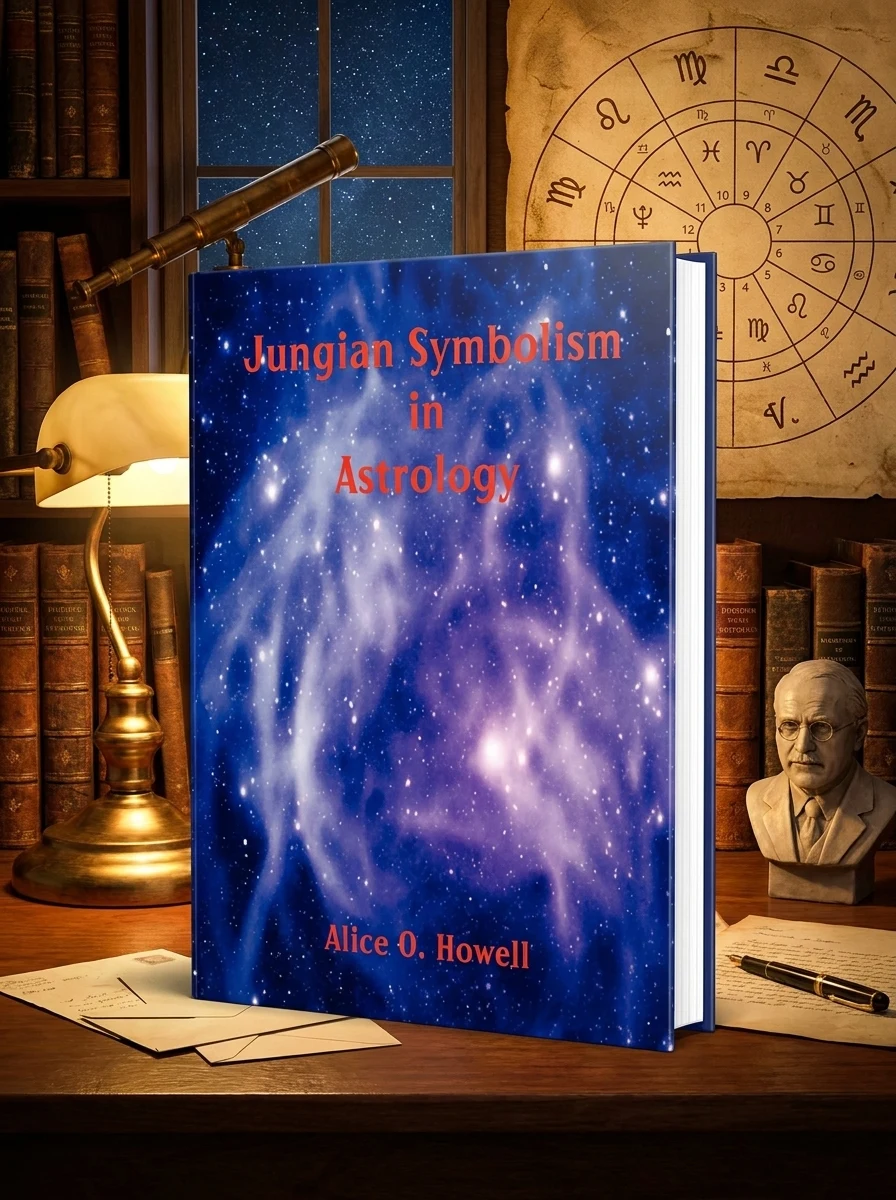
8. Jungian Symbolism in Astrology — Alice O. Howell
For those who find the primary texts too dense, Howell provides a more accessible bridge. This book focuses on the symbolic language of the cosmos, teaching the reader how to interpret astrological placements through a Jungian lens of growth and integration. It emphasizes the use of astrology as a tool for self-discovery rather than divination. Price: $26.
Practical Integration and Modern Perspectives
Theory is useless without application. These books take Jung's vast ideas and turn them into tools for healing, dreaming, and personal transformation, often blending his work with other spiritual traditions.
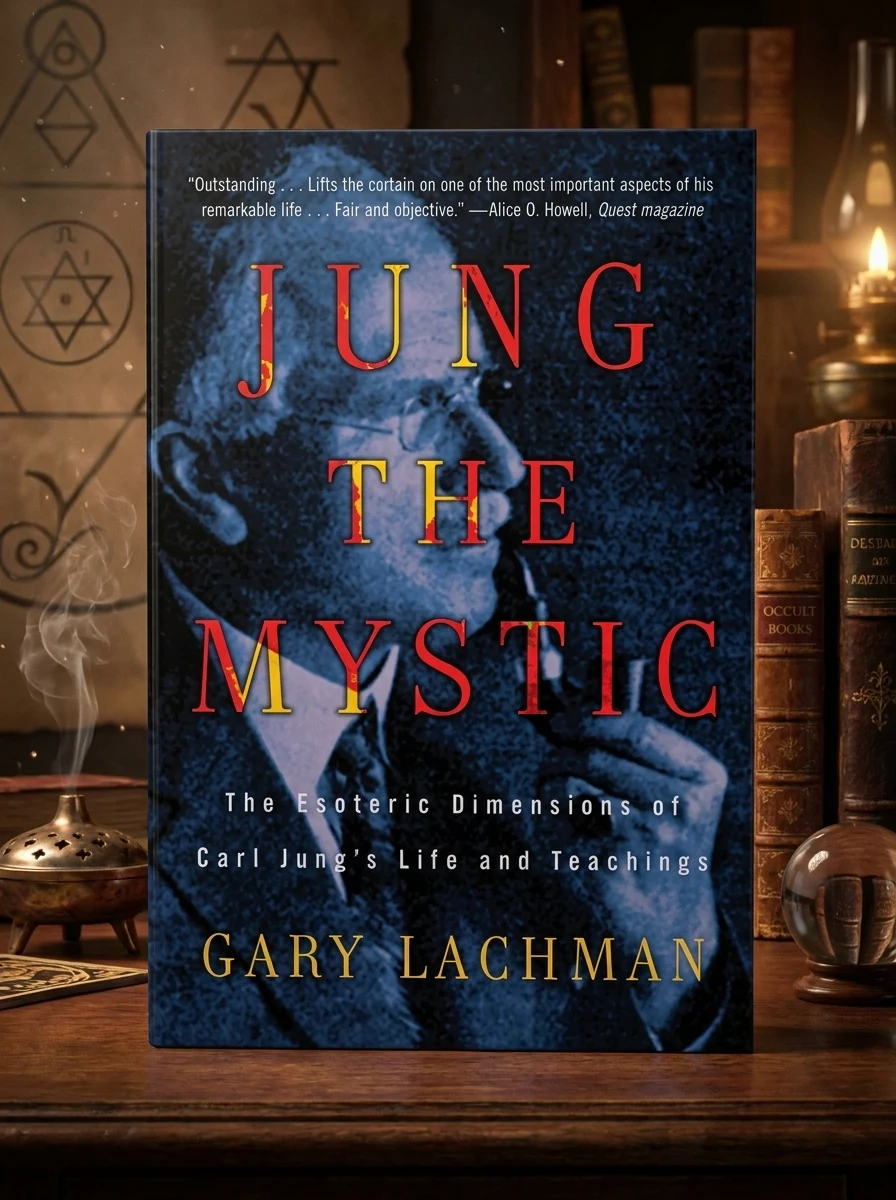
9. Jung the Mystic: The Esoteric Dimensions of Carl Jung's Life and Teachings — Gary Lachman
Lachman provides a critical yet sympathetic biography that highlights the aspects of Jung that the academic world often ignores. He focuses on the mystic, the seeker, and the man who lived on the edge of the known. It is a perfect read for those who suspect there is more to Jung than just psychology, exploring the spiritual currents that informed his theories. Price: $27.
10. Change Your Story, Change Your Life — Carl Greer
This work blends Jungian depth psychology with shamanic tools. It is designed for the active practitioner who wants to move beyond reading and start integrating spiritual wisdom into their daily life to achieve tangible personal transformation. It focuses on the active imagination and the rewriting of personal narratives. Price: $18.
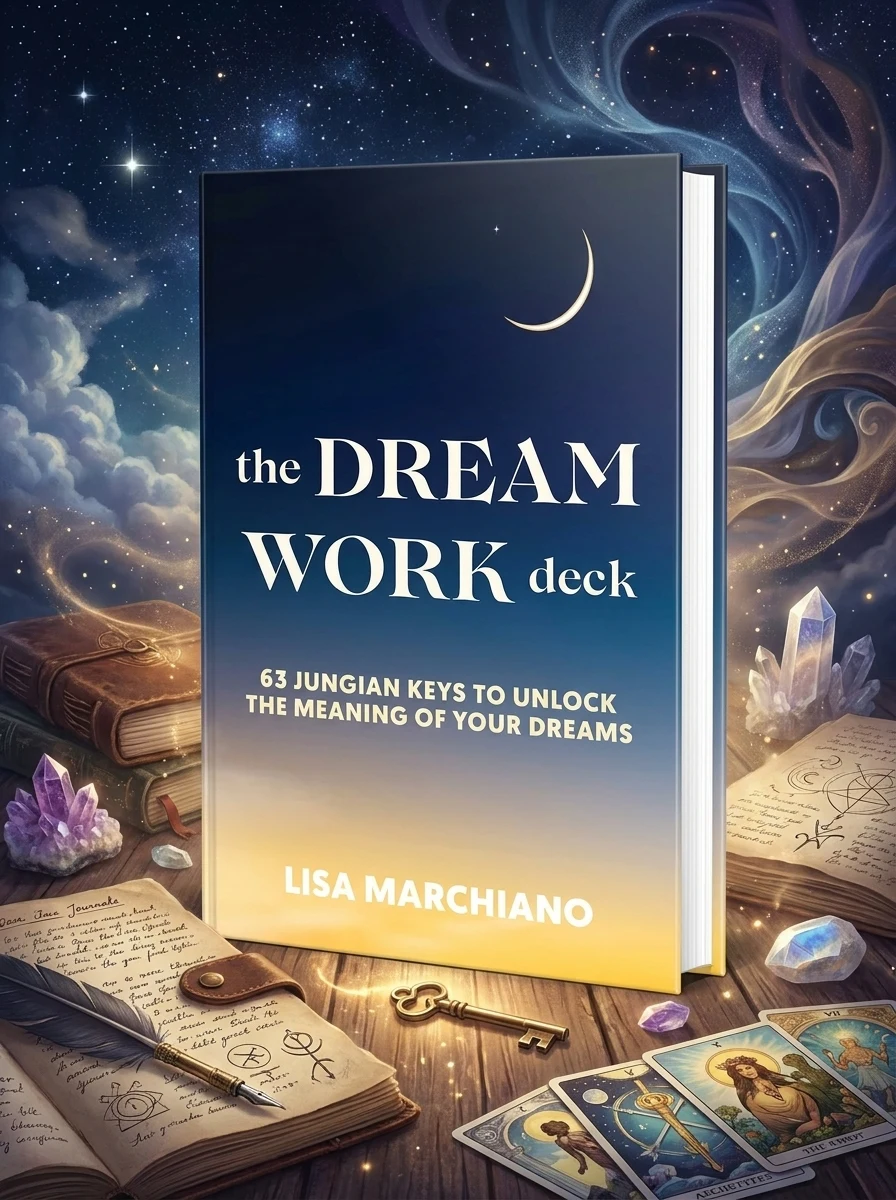
11. The Dreamwork Deck: 63 Jungian Keys to Unlock the Meaning of Your Dreams — Lisa Marchiano
Not a book in the traditional sense, but a vital tool for the aspiring analyst. This deck provides a structured, intuitive way to apply Jungian archetypes to your own dream journal. It is ideal for beginners who find the process of dream analysis intimidating and need a prompt to start identifying recurring symbols in their sleep. Price: $25.
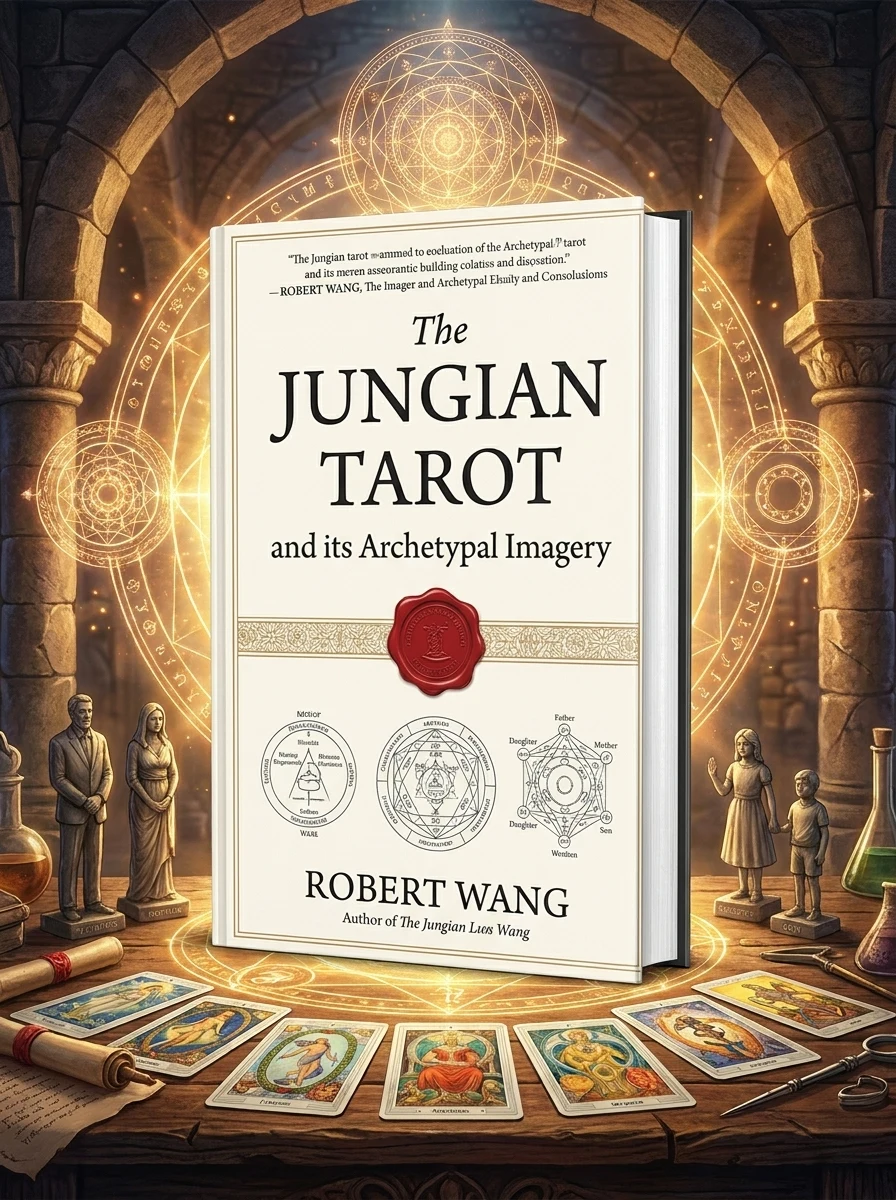
12. The Jungian Tarot — Robert Wang
Wang re-imagines the tarot not as a predictive tool, but as a map of the individuation process. By aligning the cards with Jungian archetypes, this book transforms the tarot into a mirror for the subconscious. It is a rigorous study for those who love both tarot and depth psychology, treating the cards as psychological prompts. Price: $23.
Choosing Your Path of Study
If you are a complete novice to the field, avoid starting with the Collected Works; they are designed for reference, not linear reading. Instead, start with Jung the Mystic to get a feel for the man, or The Dreamwork Deck to begin applying the concepts to your own life immediately.
For those drawn to the occult, the path is clearer: begin with Psychology and the Occult and then move into the specific interests of astrology or alchemy. If you are in a period of life transition and seeking guidance, The I Ching or Book of Changes offers the most immediate practical utility.
The study of Jung is an iterative process. You may find that you need to return to the same text multiple times as your own psyche evolves. The books are merely maps; the actual territory is your own inner world, and the goal is the integration of the shadow and the realization of the self.