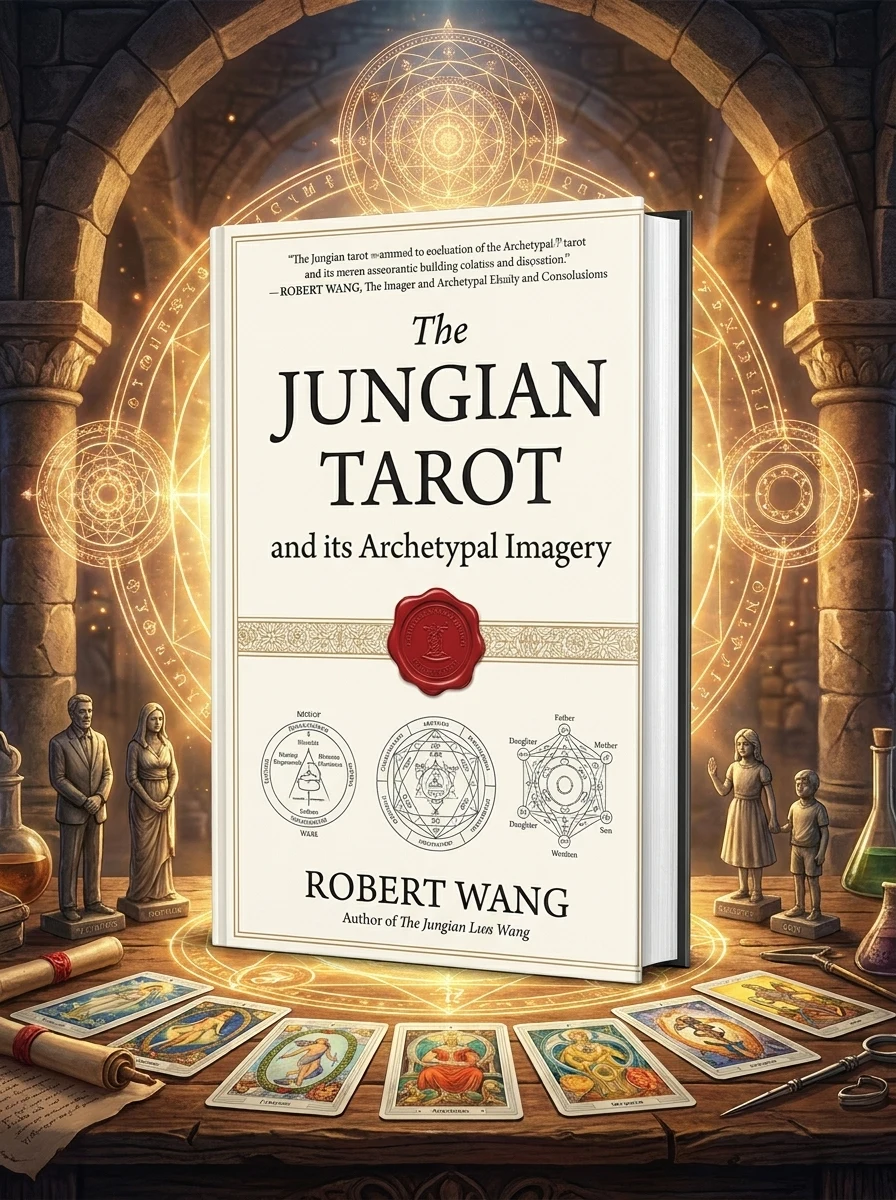

The Jungian Tarot
Wang, RobertStock reported in the catalog; fulfillment is confirmed with your request.
Unveil the depths of your psyche through Jungian archetypes and the wisdom of tarot.
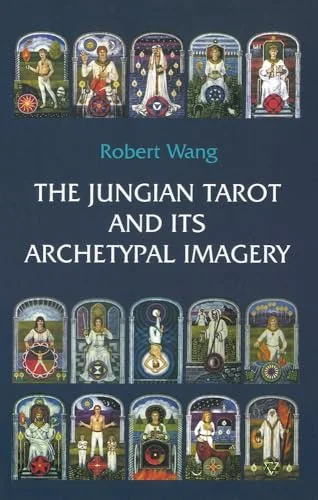
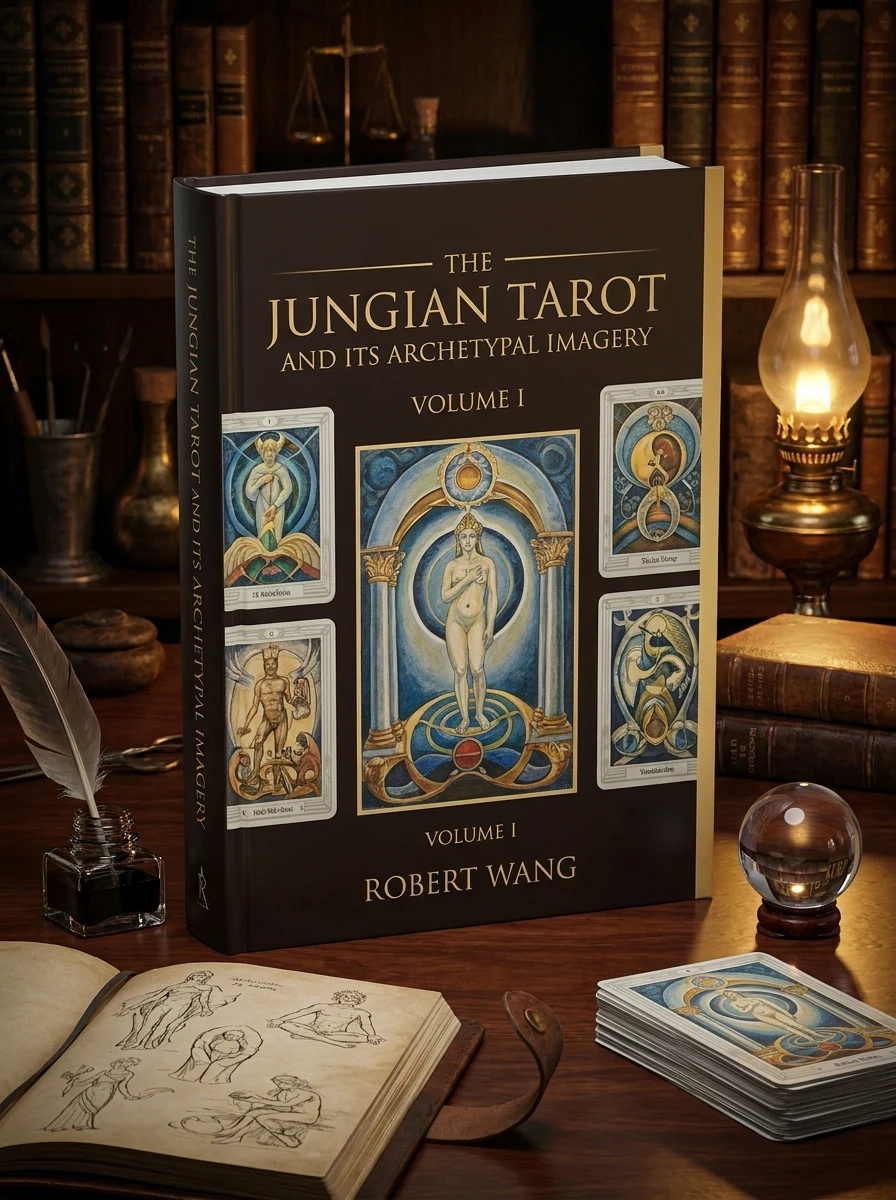
Dr. Robert Wang's *The Jungian Tarot* offers a unique approach to self-discovery, presenting the tarot not for divination, but as a profound psychological tool. This deck is intricately designed to facilitate Carl Jung's method of active imagination, providing a visual lexicon for engaging with the collective unconscious. Its 22 Major Arcana cards masterfully embody key Jungian archetypes, while distinct visual cues like archways and circular mandalas invite meditative introspection. The court cards are reimagined to represent essential family dynamics, making this a comprehensive system for inner exploration rather than predictive insight.
This work sits at the intersection of Jungian analytical psychology and contemporary esoteric practices, reinterpreting traditional tarot symbolism through the lens of depth psychology rather than fortune-telling.


📝 Description: The Jungian Tarot
💎 Expert review
📖 Why choose it
Why this book is worth reading
Readers seeking profound self-understanding will find immense value in this unique guide. It is ideal for those interested in Carl Jung’s theories, particularly active imagination and the collective unconscious. By utilizing the tarot as a psychological mirror rather than a predictive tool, it helps individuals visualize their inner archetypes. The reimagined court cards offer fresh insights into family dynamics, while the mandalas and archways encourage deep meditation. If you wish to explore your psyche through visual storytelling and symbolic archetypes instead of traditional divination, this book provides a structured yet intuitive path for personal growth and introspective discovery.
⭐ Reader reviews
Reader rating
Wang’s approach is intellectually stimulating but may alienate traditionalists seeking fortune-telling or standard predictive readings. The focus on psychological exploration over mystical foresight makes it unsuitable for casual gamblers of the cards. However, for those willing to engage with Jungian concepts, the visual lexicon is powerful. The emphasis on family dynamics in court cards and active imagination offers a rigorous framework for therapy or deep study. It lacks the whimsy of lighter decks but compensates with serious psychological depth, serving as a specialized tool for inner work rather than entertainment.
❓ Frequently asked questions
📖 Who should read this
If you are drawn to Jungian psychology, seeking tools for profound self-exploration, or desire a tarot deck focused on internal growth rather than fortune-telling, this work is for you. It's an excellent resource for students of the psyche and practitioners of active imagination.
🎯 Key themes and symbolism
Archetypal Exploration
This work reinterprets the Major Arcana as direct representations of Jungian archetypes. Each card serves as a gateway to understanding universal patterns and primal energies residing within the collective unconscious. Readers are encouraged to connect with these powerful symbols personally, recognizing how they manifest in their own lives and psyches for deeper self-awareness and integration.
Active Imagination Practice
Designed explicitly as an aid for Carl Jung's active imagination technique, the deck provides a structured visual framework. By engaging with the symbolic imagery of the cards, individuals can consciously interact with their unconscious content, allowing internal figures and narratives to unfold. This process fosters dialogue with the inner world, leading to profound psychological insights and personal growth.
Symbolic Visual Language
The deck employs specific visual elements—such as archways, circular mandalas, and distinct family roles in the court cards—to enhance its psychological utility. These symbols are not merely decorative; they are integral to the meditative and introspective process, acting as doorways to deeper consciousness and providing a rich, evocative landscape for inner work and symbolic interpretation.
💬 Quotes from the book
“Each Major Arcana card is a mirror, reflecting not just a specific archetype, but a dynamic facet of your own unfolding psyche, inviting dialogue.”
“The enclosed spaces, the mandalas, these are not mere decoration; they are invitations to step inward, to dialogue with the subconscious.”
📜 Historical context
📚 Glossary
- Active Imagination
- Archetype
- Collective Unconscious
📔 Questions to reflect on
- Select a Major Arcana card that immediately draws your attention. What archetype does it represent, and how does this archetype manifest in your current life circumstances?
- Engage with one of the court cards (father, mother, son, or daughter). What inner 'family role' does it evoke for you, and how might this influence your interactions or self-perception?
- Describe a dream or a significant intuitive flash you've had recently. How could you use the imagery of *The Jungian Tarot* to engage in an active imagination exercise with this experience?
✍️ More books by this author Wang, Robert
All books by this author →

🏛 Books from this publisher U.S. Games Systems, Inc.
All books from this publisher →
 85
85
You might also like
See more →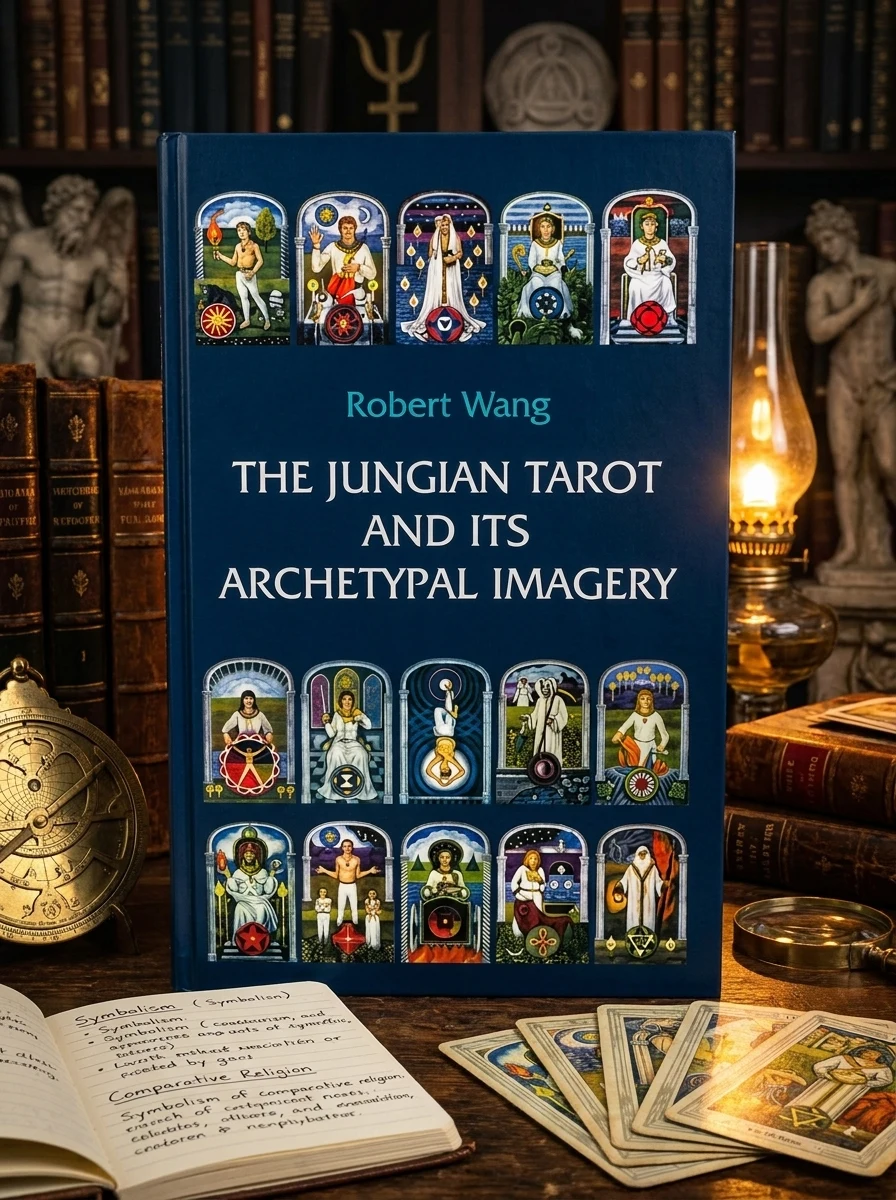


 91
91
![Radiant Rider-Waite(r) Tarot in a Tin [With Book and Keepsake Tin]](/img/radiant-rider-waite-r-tarot-in-a-tin-with-book-and-keepsake-tin-scene.webp)
