
Tarot Psychology
Wang, RobertStock reported in the catalog; fulfillment is confirmed with your request.
Uncover your inner landscape through the profound symbolism of Jungian Tarot.
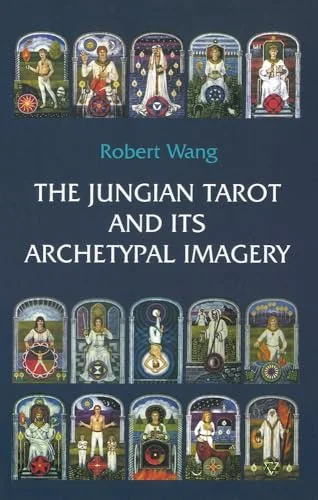
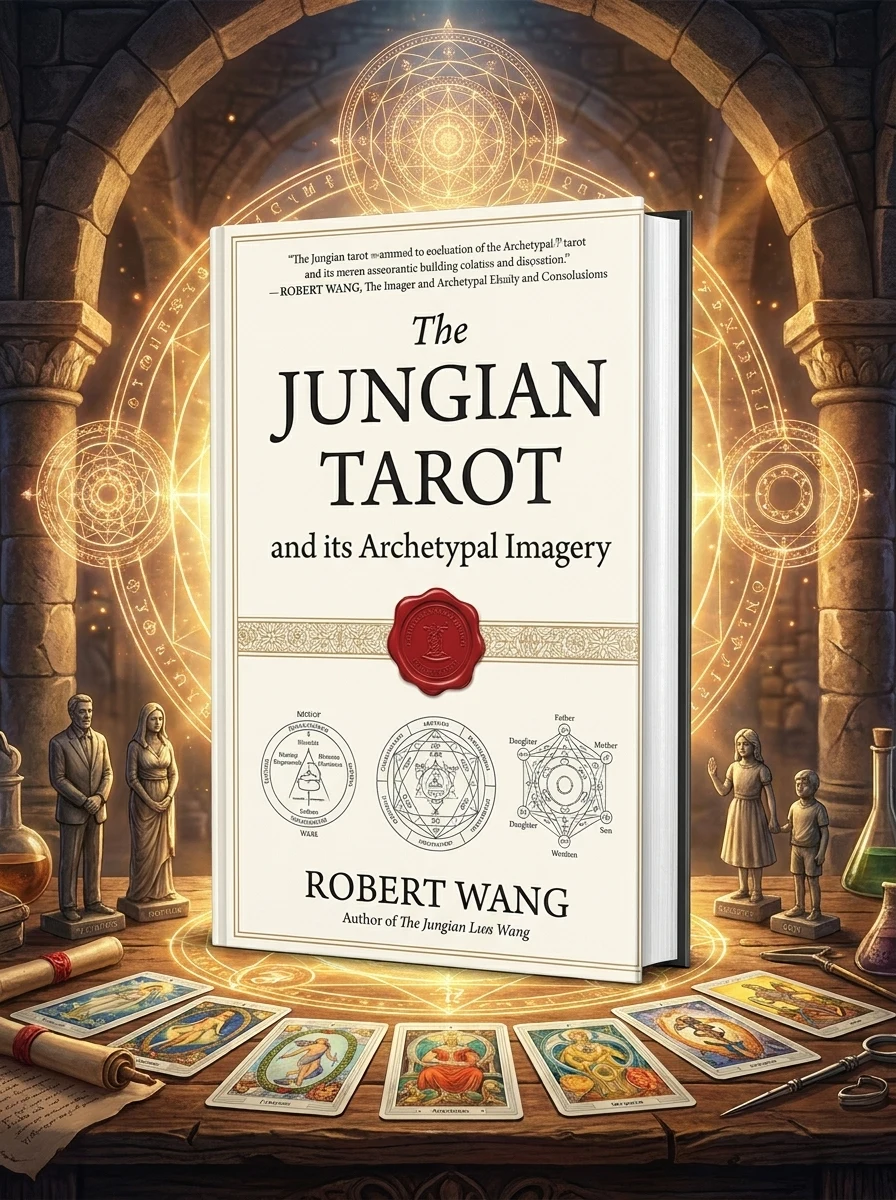
Robert Wang's "Tarot Psychology" stands as the inaugural volume in his celebrated Jungian Tarot Trilogy, offering a groundbreaking method for profound self-discovery. This illustrated guide delves into the rich tapestry of the Tarot archetypes, reinterpreting them through the lens of Carl Jung's analytical psychology. It instructs readers on employing Jung's powerful technique of "active imagination" to engage deeply with each card, fostering a meditative and introspective journey. Far beyond mere divination, this work invites a transformative dialogue with the unconscious, illuminating personal growth and spiritual understanding.
This work bridges the gap between traditional esoteric divination and modern depth psychology, specifically anchoring Tarot study within Carl Jung’s analytical framework. It represents a mid-to-late 20th-century shift toward introspective, psychological interpretations of occult symbols rather than purely predictive ones.


📝 Description: Tarot Psychology
💎 Expert review
📖 Why choose it
Why this book is worth reading
Readers seeking profound self-discovery and spiritual understanding will find immense value in this inaugural volume of the Jungian Tarot Trilogy. Robert Wang offers a groundbreaking method for uncovering your inner landscape through the profound symbolism of Jungian Tarot. By instructing readers on employing Jung's powerful technique of active imagination, he fosters a meditative and introspective journey that goes far beyond mere divination. This illustrated guide invites a transformative dialogue with the unconscious, illuminating personal growth. It is ideal for those who wish to engage deeply with each card, using them as tools for psychological insight rather than fortune-telling, ultimately leading to a richer tapestry of self-knowledge.
⭐ Reader reviews
Reader rating
Wang’s "Tarot Psychology" stands as a unique contribution to esoteric literature by reinterpreting Tarot archetypes through the lens of analytical psychology. The book excels in providing clear instructions for active imagination, making it accessible for serious students of Jungian theory. However, it does not suit readers looking for traditional fortune-telling or predictive divination methods, as it focuses strictly on introspective dialogue with the unconscious. Those seeking quick answers or mystical prophecy may find the meditative, psychological approach too slow or abstract. It is a thoughtful, scholarly resource rather than a practical tool for casual cartomancy.
❓ Frequently asked questions
📖 Who should read this
If you're seeking a deeper, more psychological engagement with the Tarot, beyond simple fortune-telling, this book is for you. It's perfect for students of Jungian thought, seasoned Tarot practitioners, or anyone committed to serious self-exploration through symbolic systems.
🎯 Key themes and symbolism
Jungian Archetypes in Tarot
Wang meticulously maps the traditional Tarot imagery to Carl Jung's universal archetypes, revealing how each card embodies fundamental patterns of the collective unconscious. This approach elevates the Tarot from a predictive tool to a profound system for understanding the deeper structures of the psyche and human experience.
Practice of Active Imagination
The book serves as a practical manual for applying Jung's "active imagination" technique directly to the Tarot. Readers learn how to consciously engage with the symbols and characters of the cards, allowing the unconscious mind to surface and communicate, fostering genuine insight and psychological integration.
Pathway to Self-Exploration
Ultimately, "Tarot Psychology" positions the Tarot as a powerful instrument for personal growth and introspection. By interacting with the archetypal energies, individuals are guided to explore their inner conflicts, understand their motivations, and embark on a path toward individuation and holistic self-awareness.
💬 Quotes from the book
“Each arcana becomes a potent mirror, reflecting the nascent potentials and unresolved complexes dwelling within the unconscious mind.”
“To engage with the Fool is not merely to interpret a card, but to confront the boundless courage of new beginnings and the necessary vulnerability of the journey into self.”
📜 Historical context
📚 Glossary
- Jungian Archetypes
- Active Imagination
- Individuation
📔 Questions to reflect on
- Choose a Tarot card that currently resonates with you. Spend time with its imagery and write about what emotions, memories, or insights it stirs within you, without consulting any external meanings.
- Reflect on a recurring dream or a significant life pattern. How might a specific Jungian archetype, as embodied by a Tarot card, illuminate its deeper meaning or origin?
- Practice active imagination with a Major Arcana card. Describe the scene, interact with its figures, and document any dialogue or revelations that emerge. What message did your unconscious convey?
✍️ More books by this author Wang, Robert
All books by this author →

🏛 Books from this publisher U.S. Games Systems, Inc.
All books from this publisher →
 85
85
You might also like
See more →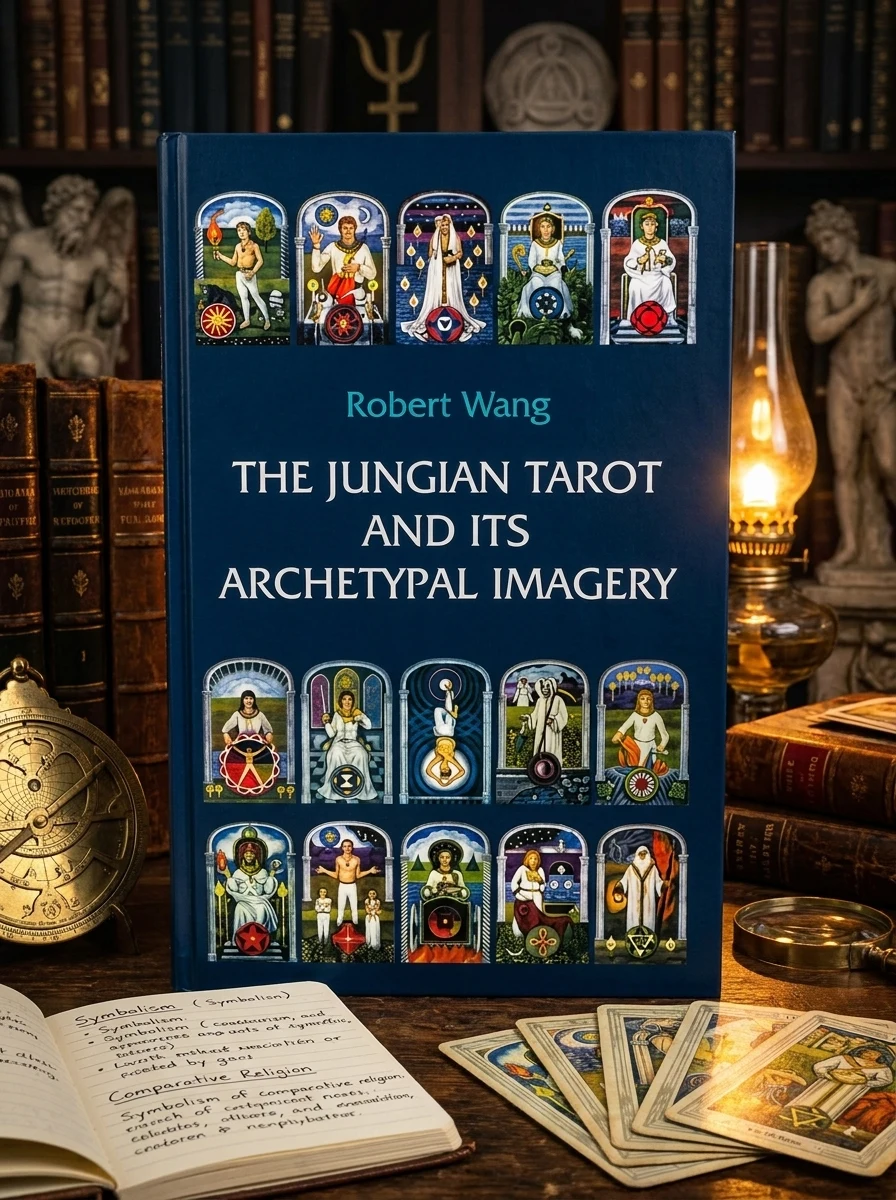


 91
91
 90
90
![Radiant Rider-Waite(r) Tarot in a Tin [With Book and Keepsake Tin]](/img/radiant-rider-waite-r-tarot-in-a-tin-with-book-and-keepsake-tin-scene.webp)
