If you've spent any time in tarot communities online or browsed tarot forums, you've almost certainly encountered this rule: you must receive your tarot deck as a gift. The reasoning varies slightly depending on who's telling it. Some say that a deck you buy yourself won't work properly. Others claim that purchased decks carry the wrong energy, or that the cards won't bond with you unless someone else chose them. A few insist that buying your own deck will bring bad luck.
This belief is so widespread that many people new to tarot feel genuinely anxious about it. They wait for someone to gift them a deck, or they feel guilty when they finally break down and buy one themselves. Some experienced readers still swear by the rule, while others dismiss it entirely as superstition.
The truth, as with most tarot mythology, is more nuanced than either extreme. The "gift rule" has real historical roots, but it's also been misunderstood, exaggerated, and applied in ways that don't match how tarot actually works. Let's examine where this tradition comes from, why it persists, and most importantly—what you should actually do when you're ready to begin.
Where the "Gift Rule" Came From
The belief that tarot decks must be gifted isn't entirely invented. It does have precedent in older tarot traditions, though not quite in the form most people repeat today.
In 19th and early 20th-century occult circles, particularly among ceremonial magicians and serious students of the Hermetic tradition, there was genuine concern about the provenance and energetic history of magical tools. A wand, a chalice, or a deck of cards was understood not just as an object but as a vessel that absorbed the intentions and energy of those who handled it. The idea was that a tool prepared or gifted by a teacher or mentor carried their blessing and their knowledge embedded within it.
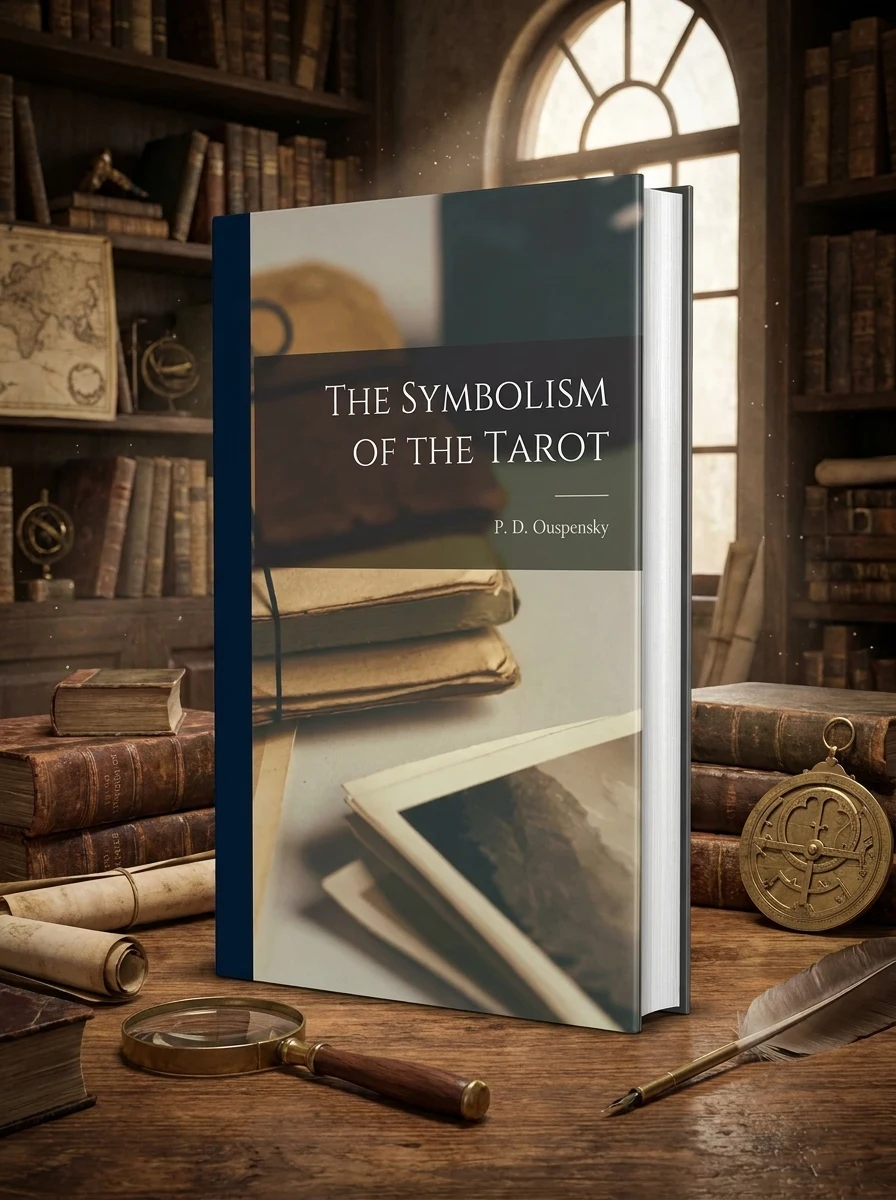
This made sense in a specific context: if you were an apprentice learning from a master, receiving your tools from that master meant receiving not just the object but the transmission of their practice. The gift carried meaning because it represented initiation and relationship. The Symbolism of the Tarot by P.D. Ouspensky, a foundational text for serious students, discusses tarot within this ceremonial framework—one where intention, preparation, and lineage mattered deeply.
But somewhere between that legitimate tradition and modern tarot culture, the rule got simplified and distorted. It became less about the significance of a mentor's transmission and more about a blanket prohibition: you cannot buy your own deck. The nuance vanished.
Why the Myth Persists (And Why It's Misleading)
The gift rule persists for several reasons, most of them having little to do with how tarot actually functions.
First, there's the appeal of gatekeeping. Tarot has always attracted people who want to feel like they're part of an exclusive club. The gift rule creates an artificial barrier—you can't just walk into a bookstore and start reading tarot. You have to wait. You have to be chosen. This gives tarot an air of mystery and exclusivity that some practitioners find appealing.
Second, there's genuine confusion about energy and intention. Many tarot readers do believe that decks carry energy, and they're not entirely wrong—but they often misunderstand what that means. A deck you buy yourself absolutely carries your energy and intention. You chose it. You paid for it. You decided it was the one. That's powerful. The idea that a stranger's energy in a bookstore warehouse somehow contaminates a deck, while a gift from anyone (even someone who knows nothing about tarot) purifies it, doesn't hold up to scrutiny.
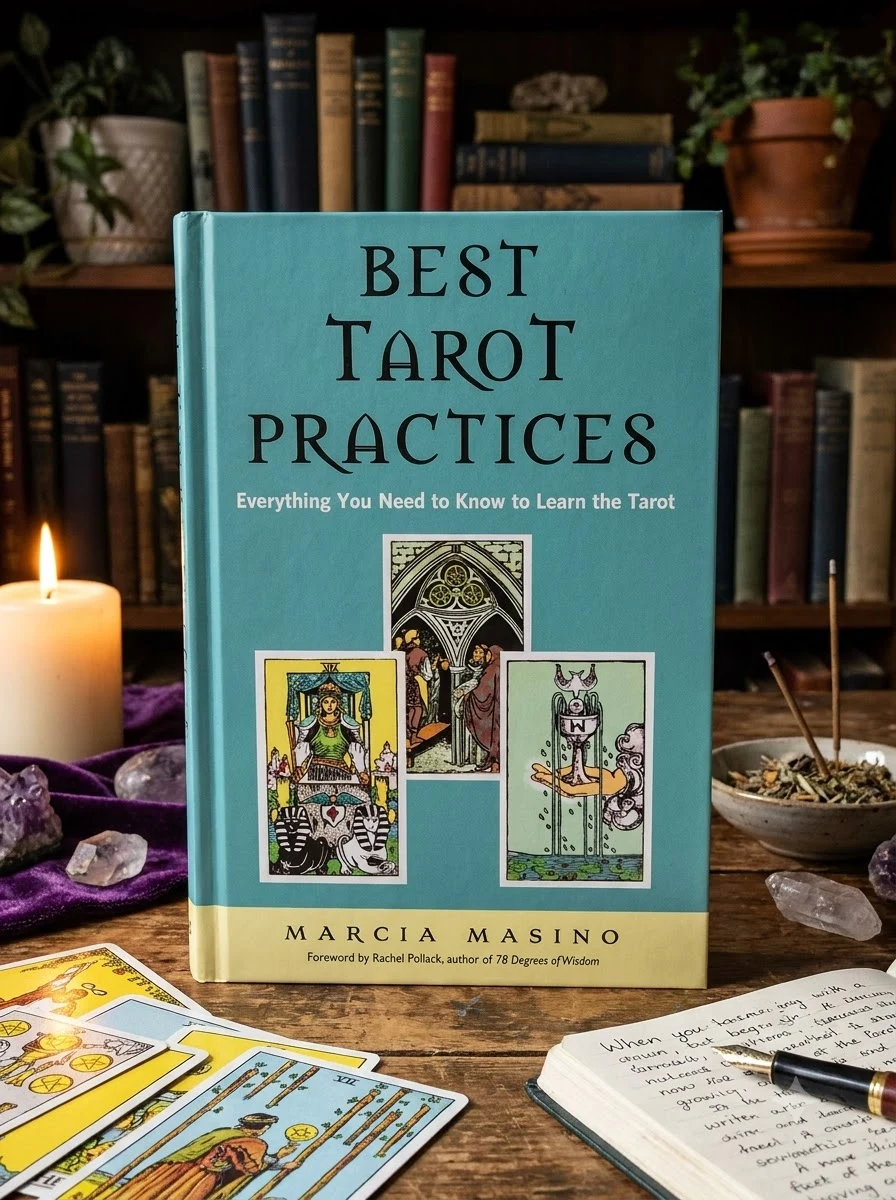
Third, the rule provides a convenient excuse. If your readings aren't working, you can blame the deck. If you bought it yourself, well, that explains it. This removes responsibility from the reader—from the actual work of learning the cards, developing intuition, and practicing regularly. Best Tarot Practices by Marcia Masino and Rachel Pollack emphasizes that tarot mastery comes from disciplined study and practice, not from the origin story of your deck.
What Actually Matters: Intention, Connection, and Practice
If the gift rule isn't the real requirement, what is?
Intention matters. When you choose a deck—whether you buy it or receive it as a gift—your intention shapes the relationship. If you buy a deck because you're genuinely drawn to its artwork, its tradition, or its energy, you're already establishing a connection. You're saying: this deck speaks to me. That's meaningful. If you receive a deck as a gift from someone who knows you and chose it thoughtfully, that's also meaningful, but in a different way. The gift carries the giver's care and attention.
What doesn't matter: whether money changed hands. The universe doesn't care if you paid $20 or $30 for your deck. The cards don't know the difference between a purchased deck and a gifted one.
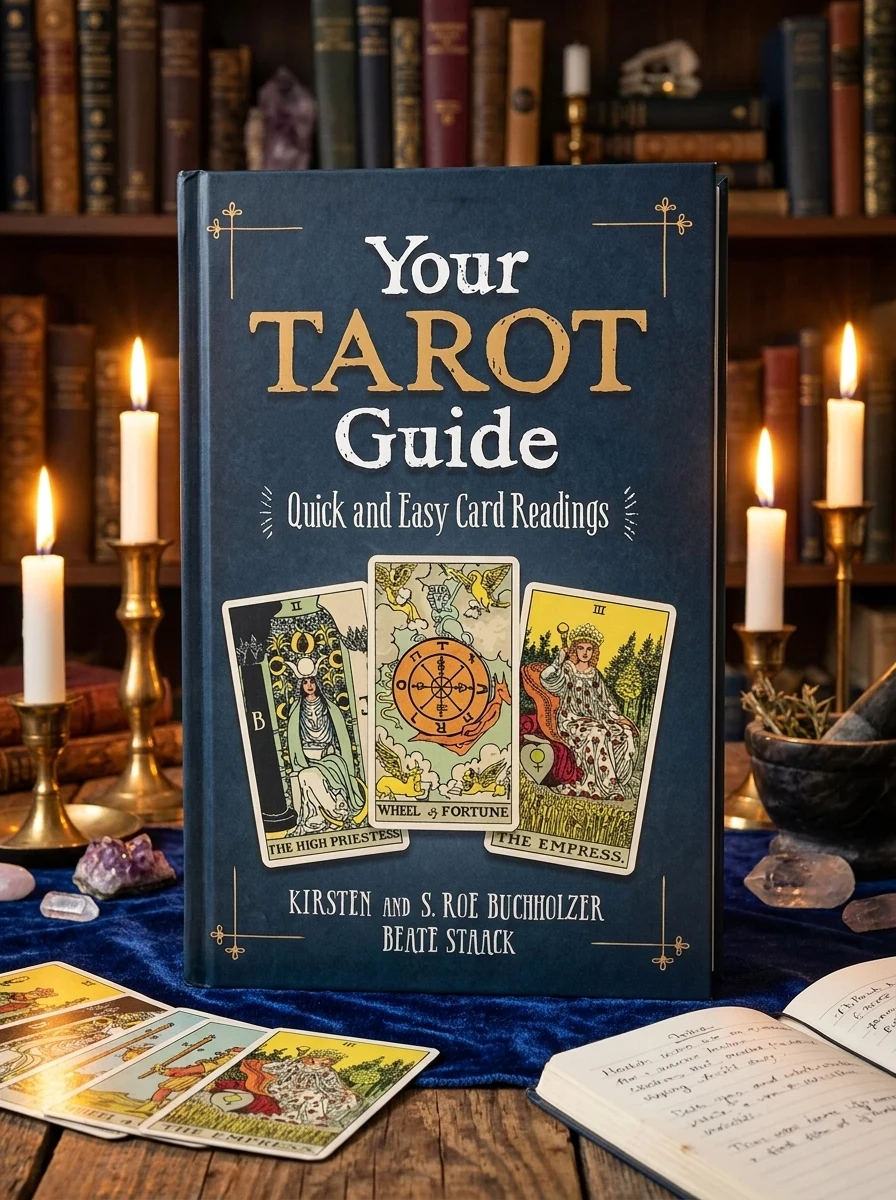
Connection matters. You need to actually work with your deck. You need to handle the cards, shuffle them, study them, sit with them. Your Tarot Guide: Quick and Easy Card Readings by Kirsten Buchholzer offers accessible ways to begin this work immediately, regardless of how you acquired your deck. The more time you spend with the cards, the more they become yours. The origin story fades. What remains is the relationship you've built through practice.
Respect matters. This is where the gift rule might have a kernel of truth worth preserving. Treating your deck with care—storing it properly, handling it with intention, not leaving it scattered on a coffee table—does matter. Not because the cards will punish you, but because your own respect for the tool shapes how you use it. If you treat your deck as sacred, you'll approach readings with more focus and seriousness. Tarot for Beginner Witches by Julie Wilder discusses creating a respectful practice space and relationship with your cards—something that applies whether you bought the deck or received it as a gift.
The Case for Buying Your Own Deck
There are actually strong reasons to buy your own deck, especially if you're beginning.
When you choose your own deck, you're exercising agency. You're looking at dozens of options and asking yourself: which one calls to me? Which artwork resonates? Which tradition speaks to my practice? This discernment is part of the learning process. The Uncommon Tarot by Shaheen Miro and Theresa Reed, for instance, appeals to readers who want a deck that reflects the full complexity of human experience. If someone gifted you a different deck—one that didn't match your aesthetic or values—you'd be starting from a place of compromise.
When you buy your own deck, you also take responsibility for your practice. You're not waiting for permission. You're not dependent on someone else's timeline or choices. You're saying: I'm ready to learn tarot, and I'm going to do it now. That's a powerful statement of commitment.
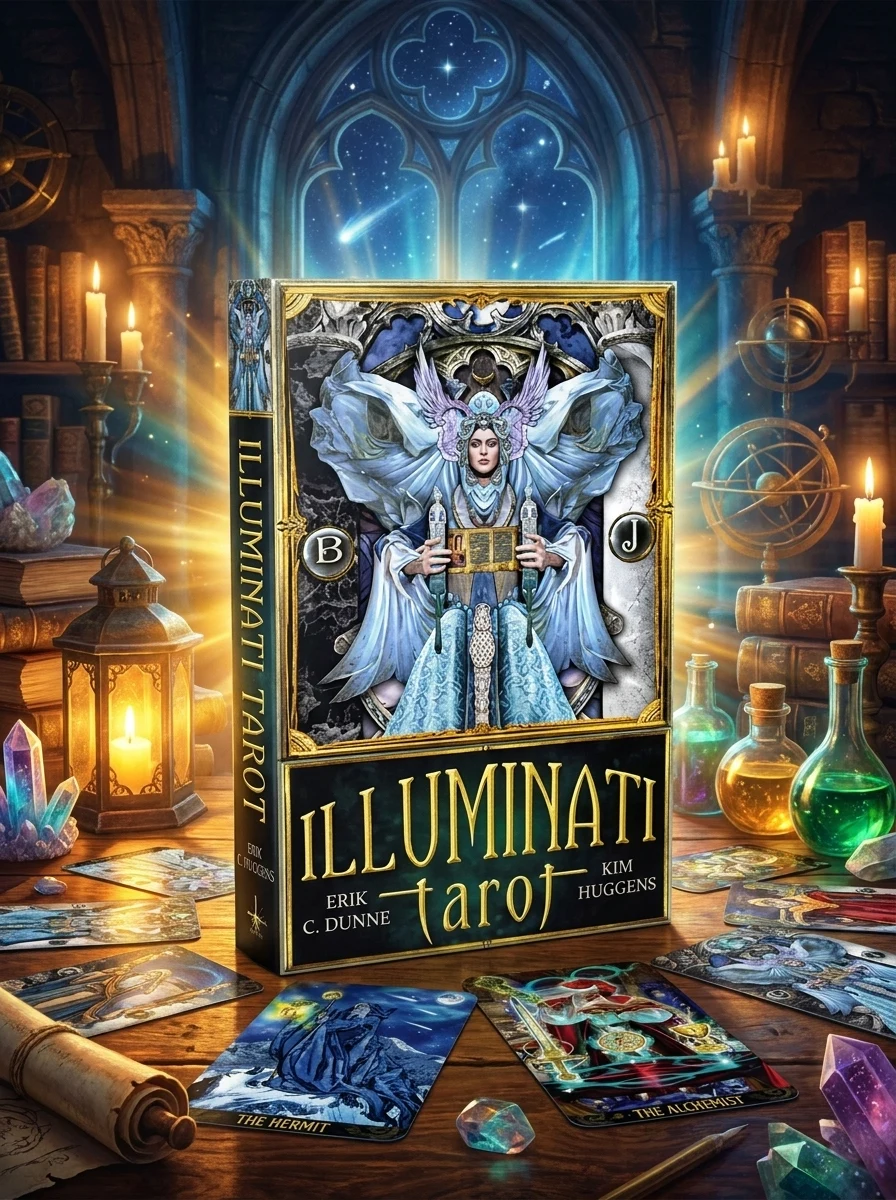
Additionally, the deck market has exploded in recent years. There are hundreds of beautiful, thoughtfully-designed decks available. Shadowscapes Tarot by Stephanie Pui-Mun Law offers intricate, ethereal artwork. Tarot Illuminati by Kim Huggens combines breathtaking artistry with spiritual depth. The Tarot of the Orishas by Zolrak brings Afro-Diasporic spiritual traditions into the tarot framework. The chances that someone will gift you exactly the deck you need are relatively low. The chances that you'll find it yourself are much higher.
When a Gift Actually Makes Sense
That said, there are genuine scenarios where receiving a deck as a gift is meaningful and valuable.
If a mentor or experienced reader gifts you a deck, that transmission can be real. They're passing on not just the cards but their knowledge, their blessing, their relationship with the tradition. This is the scenario the original rule was actually describing. The Symbolism of the Tarot operates within this framework—it's written for serious students who are often learning within a lineage or tradition.
If someone who knows you well gifts you a deck because they recognize something in you that calls for tarot, that's also meaningful. They're seeing you and reflecting that back. The gift carries their recognition of your path.
But a random gift from someone who doesn't know tarot, given just because you mentioned interest? That's nice, but it's not sacred. And it certainly doesn't override your own choice.
How to Actually Choose Your First Deck
Here's what matters when you're selecting your first deck:
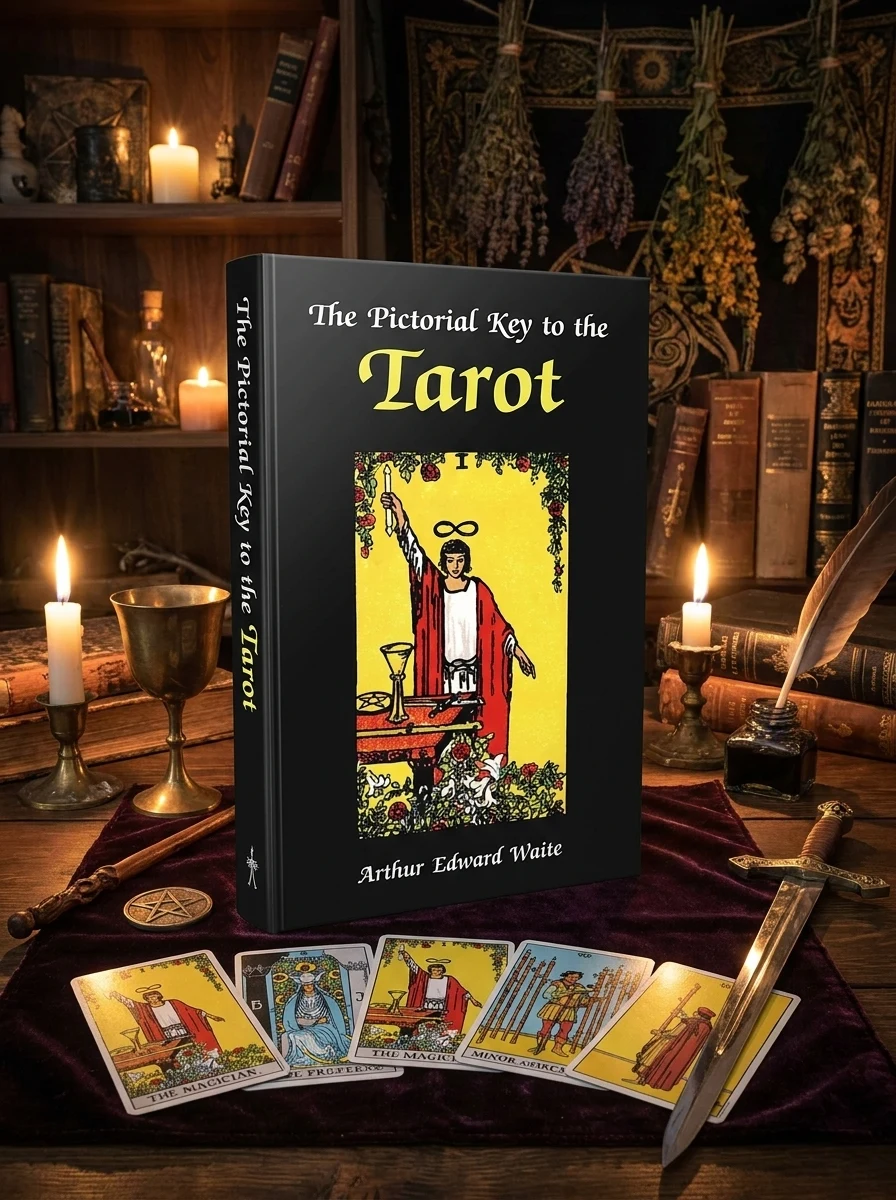
Look at the artwork. You're going to be staring at these cards for hours. The imagery needs to move you. Some people are drawn to classical, traditional designs like the Rider-Waite-Smith system. Pictorial Key to the Tarot by A.E. Waite is the foundational guide to that tradition. Others want something more contemporary or artistic. Traditional Manga Tarot by Shou Xueting and Riccardo Minetti offers a visually rich, introspective experience that blends two traditions.
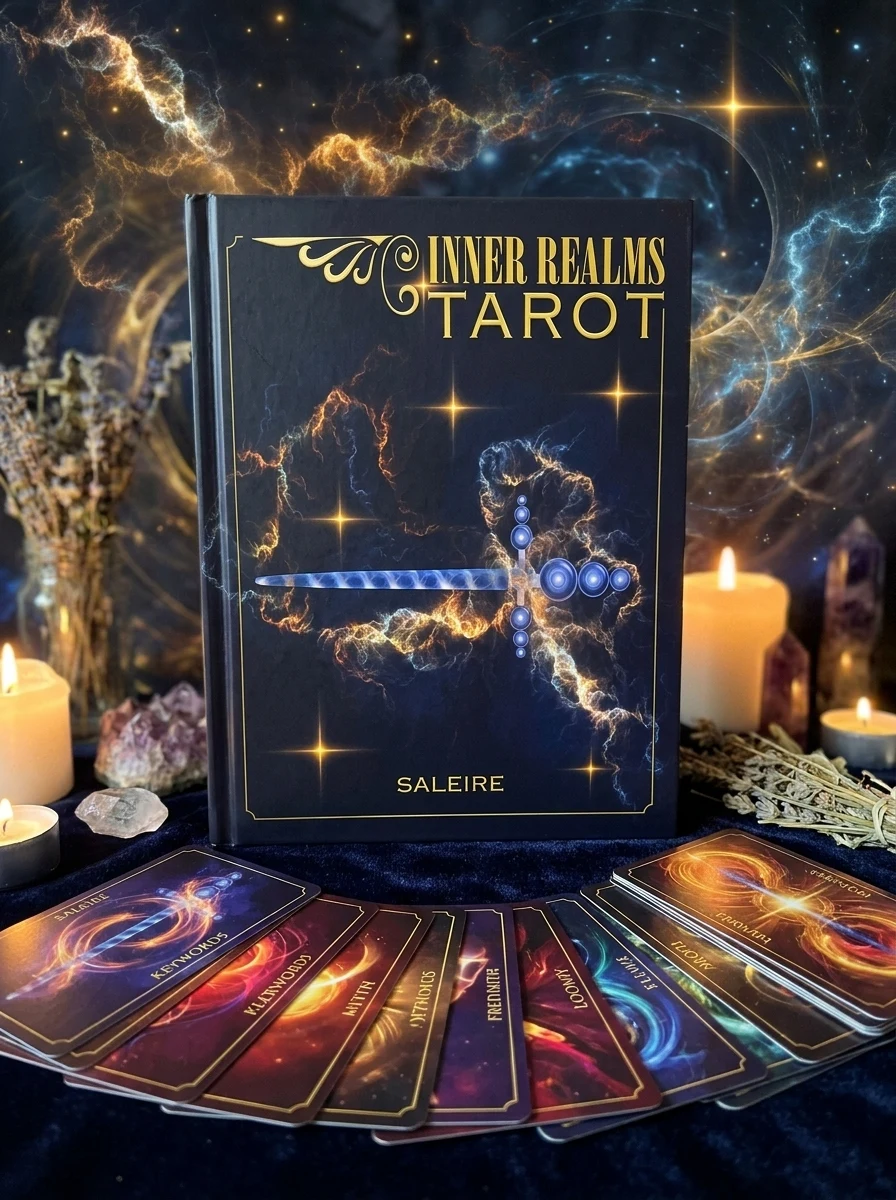
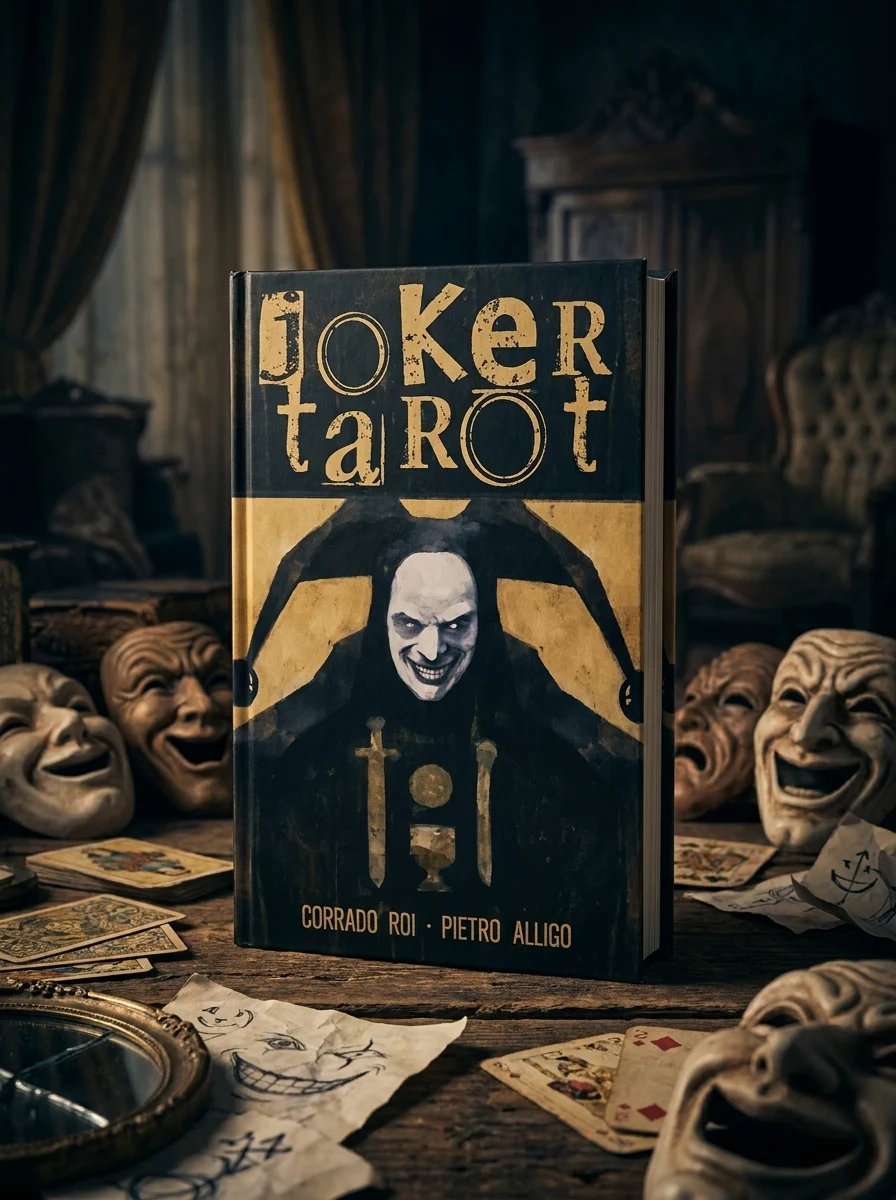
Consider the tradition. Do you want a deck rooted in Western occultism? A deck connected to a specific cultural or spiritual tradition? The Tarot of the Orishas connects to Yoruba spirituality. Inner Realms Tarot by Saleire emphasizes intuitive understanding. Joker Tarot by Pietro Alligo and Corrado Roi draws on the trickster archetype and psychological depth. Your choice here shapes how you'll learn to read.
Think about the guidebook. Most modern decks come with a guidebook. Some are excellent; some are thin. If you're a beginner, you want a deck with a solid guidebook, or you want to pair it with a separate learning book. Your Tarot Guide works with any deck and offers quick, practical interpretations. Best Tarot Practices teaches you how to move beyond simple card meanings.
Trust your gut. When you're looking at deck options, notice which ones you keep coming back to. Which one makes you want to shuffle and explore? That's the one. Your intuition is already at work.
The Bottom Line: You're Allowed to Buy Your Own Deck
The gift rule is a myth that has outlived its usefulness. It originated in a specific context—the transmission of knowledge from teacher to student—and it's been distorted into a blanket prohibition that serves no one.
You can absolutely buy your own tarot deck. You can walk into a bookstore, or browse online, and choose the deck that speaks to you. You can open it, shuffle it, and begin learning immediately. Your readings will work. The cards will respond to your questions. Your practice will develop.
What matters is not where the deck came from. What matters is what you do with it. How seriously you approach the cards. How much time you invest in learning them. How intentional you are in your readings. How you treat the deck and the practice.
If someone offers to gift you a deck, that's wonderful. Accept it with gratitude. But if no one does, don't wait. Your tarot practice is waiting for you, and it doesn't care whether you paid for it or received it as a gift. It only cares that you show up.
![The Uncommon Tarot: (78-Card Deck and Guidebook) [With Book(s)]](/img/the-uncommon-tarot-78-card-deck-and-guidebook-with-book-s-scene.webp)
![Shadowscapes Tarot [With Booklet] Law, Stephanie Pui-Mun](/img/shadowscapes-tarot-with-booklet-law-stephanie-pui-mun-scene.webp)