If you've spent time with tarot, you've likely felt the pull toward other divination systems. The cards are powerful, but they're only one language the universe speaks. Runes whisper through ancient Germanic traditions. Scrying opens portals through crystal, water, and shadow. The I Ching—the Book of Changes—offers a philosophy of transformation that predates tarot by millennia. Each system teaches differently, reveals differently, and demands different skills from the practitioner.
The question isn't whether to abandon tarot, but how to expand your practice. Many serious diviners work with multiple systems, choosing the tool that best fits the question at hand. A question about immediate obstacles might call for runes. A query about deep psychological patterns might need scrying's slower, more meditative unfolding. A question about timing and transformation belongs to the I Ching. Learning these systems doesn't dilute your tarot practice—it completes it.
What follows is a curated selection of books that will teach you these three divination pathways with rigor and accessibility. Some are practical handbooks; others explore the philosophy beneath the practice. All of them assume you're serious about expanding your craft.
Scrying: The Gateway to Deeper Sight
Scrying is perhaps the most misunderstood divination practice. It's not about staring into a crystal ball until visions appear—though that can happen. Scrying is a method of quieting the conscious mind and allowing the unconscious to surface through a focal point: crystal, water, fire, mirror, or shadow. It requires patience, but it offers something tarot cannot: direct visionary experience.
1. Scrying the Secrets of the Future: How to Use Crystal Ball, Fire, Wax, Mirrors, Shadows, and Spirit Guides to Reveal Your Destiny — Cassandra Eason
This book is the most comprehensive practical guide to scrying methods available. Eason covers the full spectrum: crystal gazing, fire scrying, wax divination, mirror work, and shadow reading. Each method gets its own chapter with clear instructions, historical context, and troubleshooting advice. The tone is grounded and encouraging—Eason knows that scrying intimidates beginners, and she meets that fear with patience. If you want to try multiple scrying modalities before committing to one, this is your starting point.
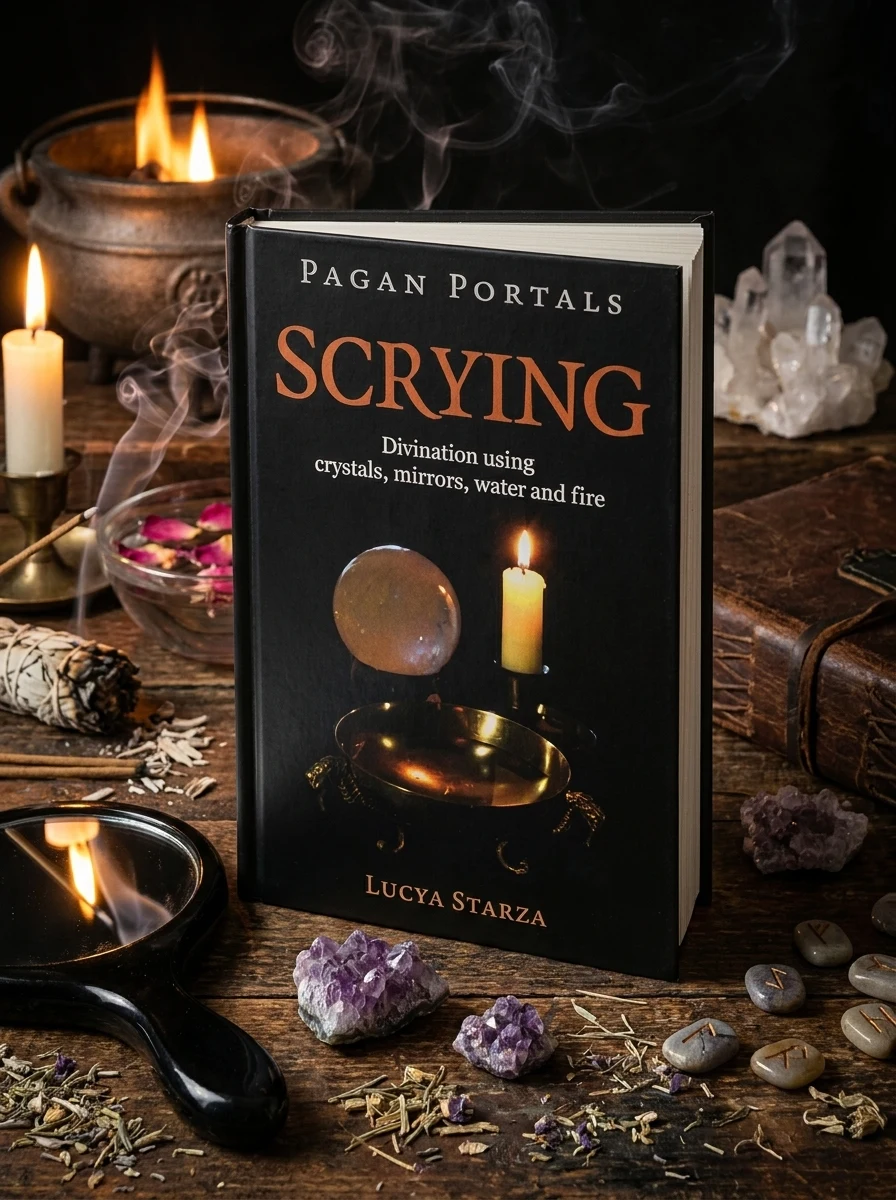
2. Pagan Portals - Scrying: Divination Using Crystals, Mirrors, Water and Fire — Lucya Starza
Starza's slim volume is ideal if you want a faster entry into scrying practice. It's under $15 and moves quickly through the essentials: how to prepare yourself mentally, how to set up your scrying space, and how to interpret what you see. The book assumes you already understand divination basics (from tarot, perhaps), so it skips the philosophical preamble and gets to work. It's perfect for someone who wants to start scrying this week.
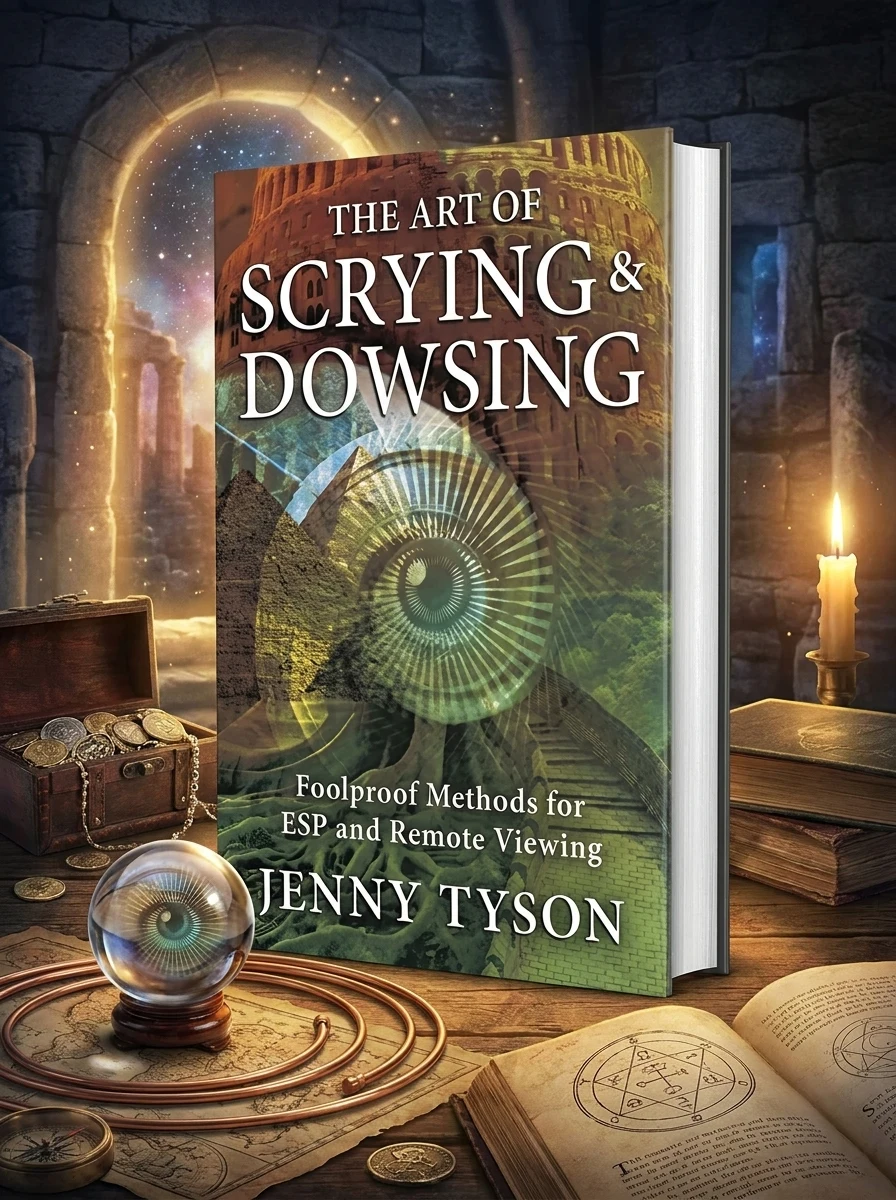
3. The Art of Scrying & Dowsing: Foolproof Methods for ESP and Remote Viewing — Jenny Tyson
Tyson's approach is more systematic and psychologically grounded than most scrying books. She treats scrying not as mystical magic but as a development of latent psychic faculties. This book appeals to practitioners who want to understand the mechanism behind scrying—why it works, what's actually happening in the brain and energy body. It includes structured exercises that build your scrying ability progressively, making it excellent for someone who learns through practice and theory together.
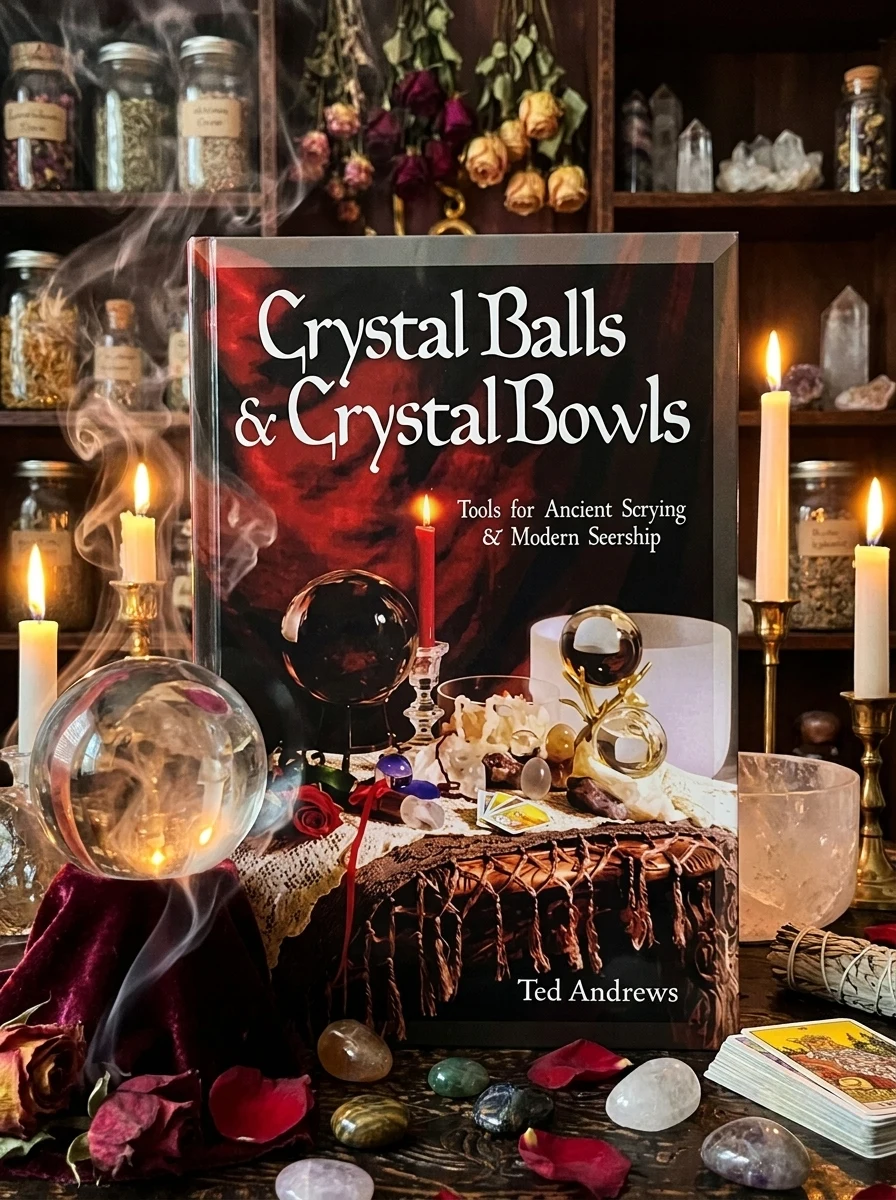
4. Crystal Balls & Crystal Bowls: Tools for Ancient Scrying & Modern Seership — Ted Andrews
Andrews focuses specifically on crystal as a scrying medium, exploring both the history of crystal gazing and its modern applications. He discusses how to choose a crystal ball, how different types of crystal affect the scrying experience, and how to work with crystal bowls as an alternative to traditional spheres. If you're drawn to working with stones and minerals, this book deepens that connection through scrying practice.
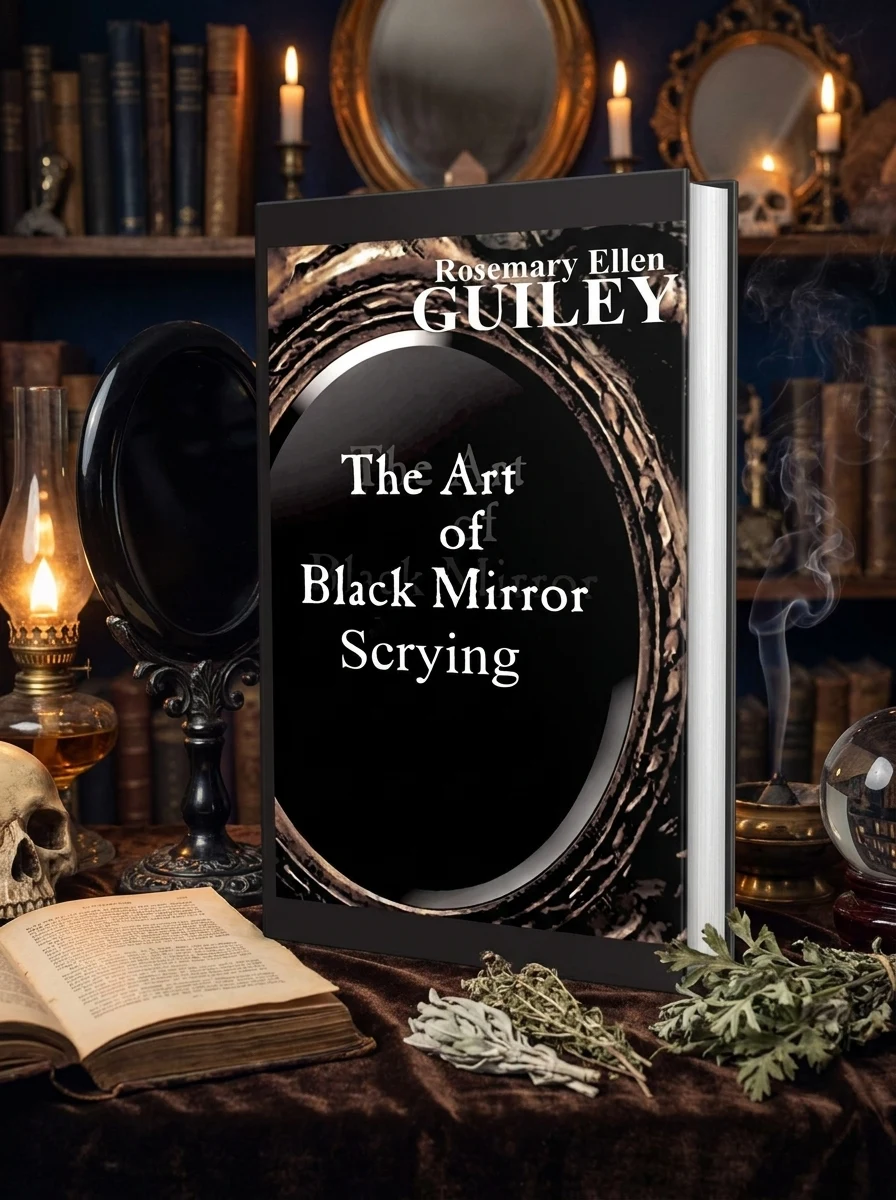
5. The Art of Black Mirror Scrying — Rosemary Ellen Guiley
Black mirror scrying is an ancient practice—medieval magicians used obsidian mirrors to contact spirits and see hidden knowledge. Guiley's book revives this tradition with both historical depth and practical instruction. Black mirrors are affordable and portable compared to crystal balls, making this method accessible. The book suits practitioners ready to move beyond beginner-level scrying into more intentional spirit communication.
The I Ching: Philosophy Meets Divination
The I Ching is not a divination system in the Western sense. It's a philosophical text, a cosmological map, and a method of understanding change itself. Where tarot shows you a snapshot of a situation, the I Ching shows you the pattern of transformation unfolding. It requires patience to learn, but it rewards that investment with profound insight into timing, cycles, and the nature of becoming.
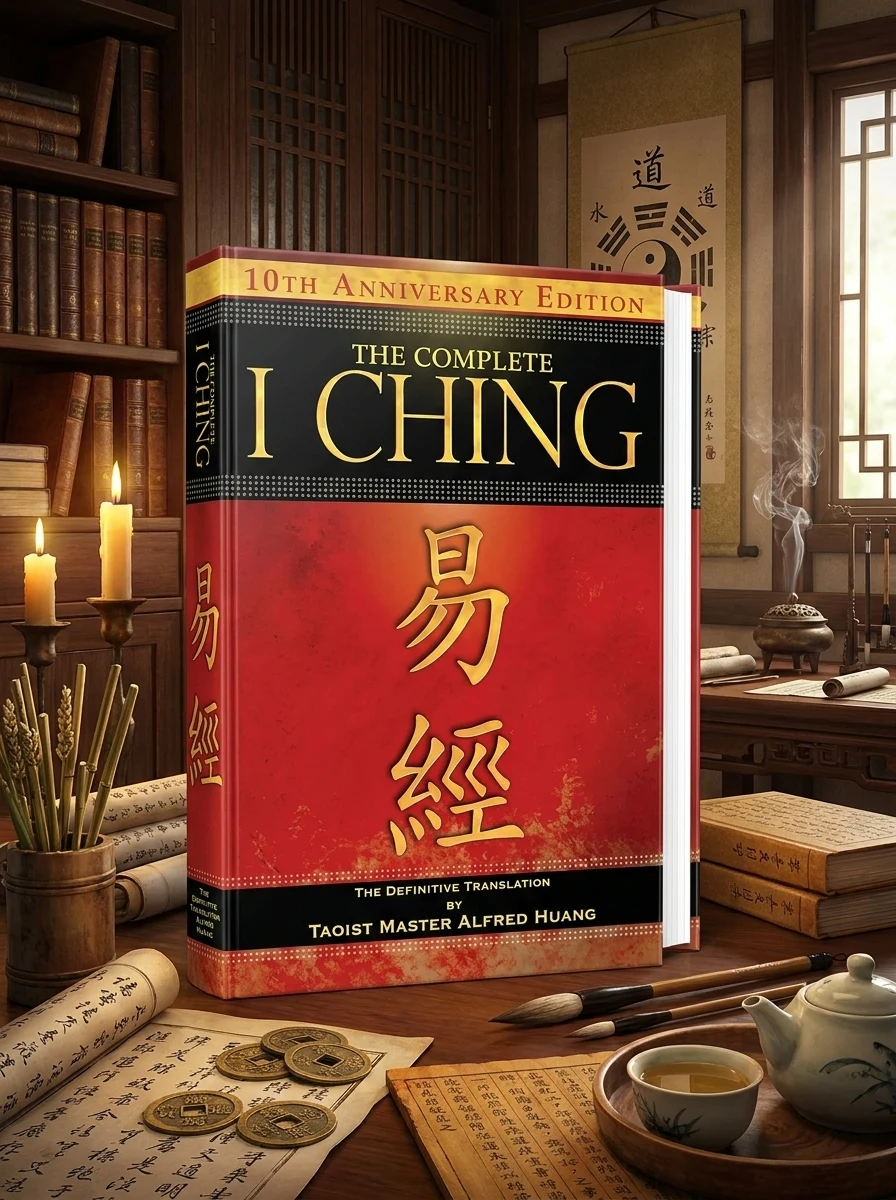
6. The Complete I Ching -- 10th Anniversary Edition: The Definitive Translation by Taoist Master Alfred Huang
This is the I Ching translation to own if you're serious about the practice. Huang, a Taoist master, brings both scholarly rigor and lived spiritual experience to his translation. Unlike many English versions, this one preserves the philosophical depth and poetic language of the original Chinese. It includes detailed commentary on each hexagram and guidance on casting methods. It's substantial (over 600 pages) and priced around $20, but it's the foundation every I Ching practitioner should build on.
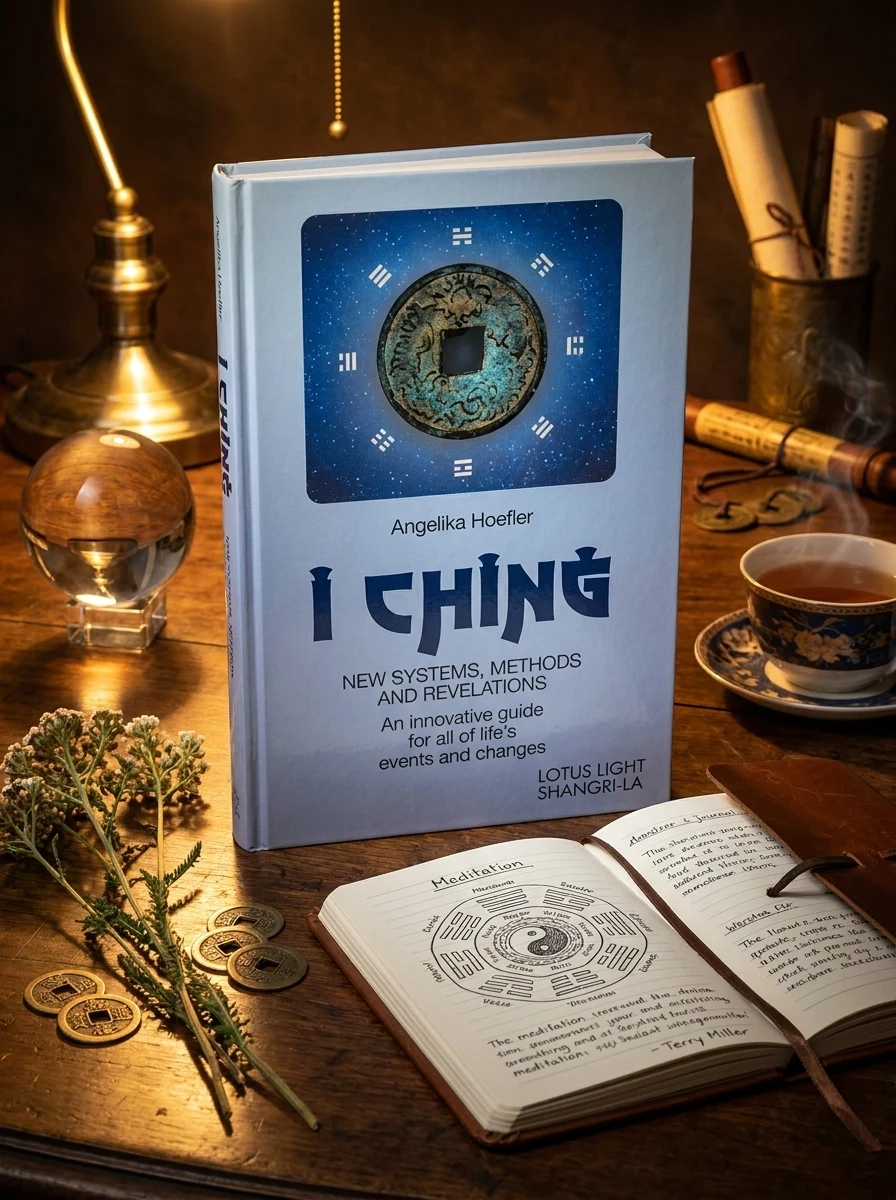
7. I Ching: New Systems, Methods & Revelations — Angelika Hoeffler
If Huang's translation feels too dense for your first approach, Hoeffler offers a more accessible entry point. This book presents innovative methods for working with the I Ching—some traditional, some contemporary. It's particularly useful if you're already familiar with tarot and want to understand how the I Ching's 64 hexagrams compare to the 78 cards. Under $15, it's an affordable way to explore whether the I Ching resonates with your practice before investing in a full translation.
Runes: The Alphabet of Power
Runes are often misunderstood as a divination system, when they're actually something older and more primal: an alphabet imbued with magical meaning. Each rune carries a sound, a shape, a name, and a philosophy. Working with runes means learning to read the language of transformation itself. Unlike tarot, which uses imagery and narrative, runes work through resonance and correspondence.
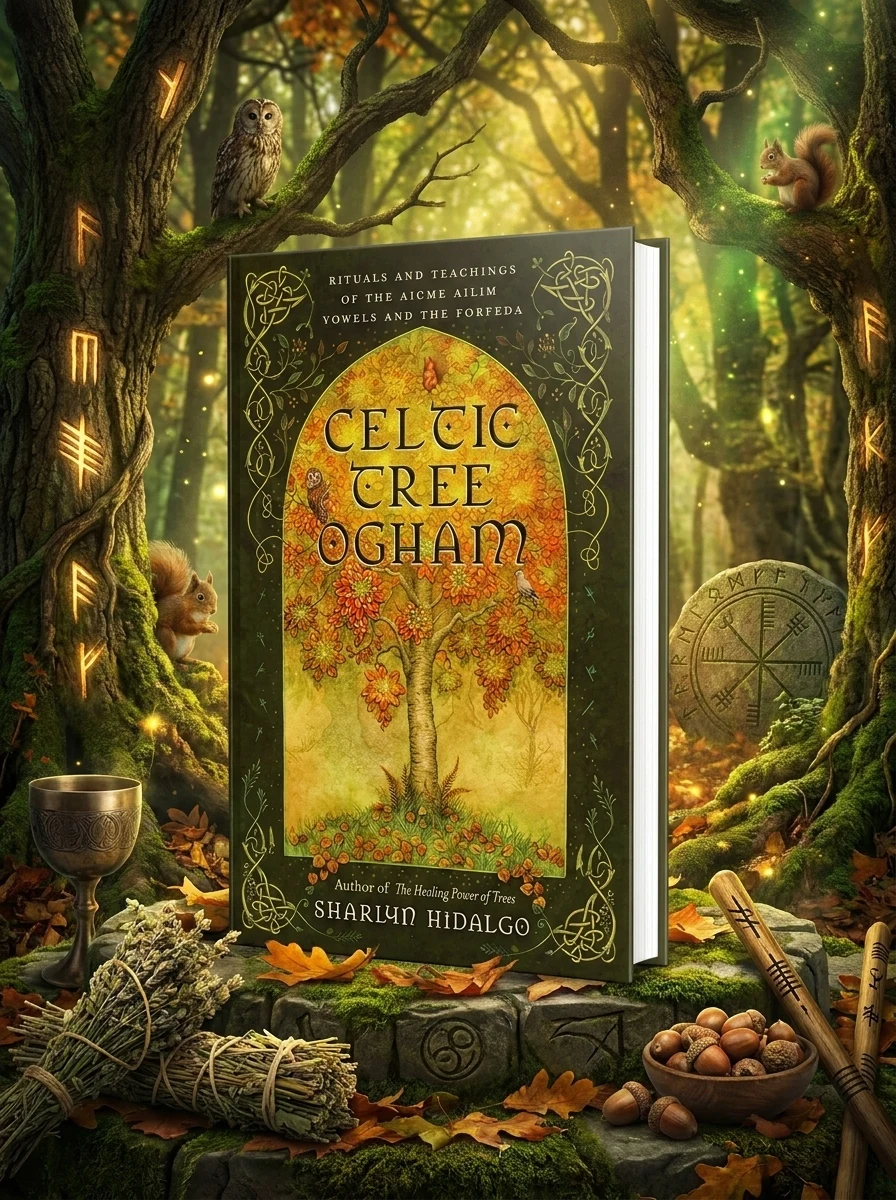
8. Celtic Tree Ogham: Rituals and Teachings of the Aicme Ailim Vowels and the Forfeda — Sharlyn Hidalgo
While this book focuses on the Ogham (the Celtic tree alphabet) rather than Germanic runes, it's essential reading for anyone wanting to understand how ancient cultures encoded wisdom into alphabetic systems. Hidalgo's approach is deeply rooted in Celtic tradition and nature connection. Each Ogham letter corresponds to a tree, a season, and a phase of spiritual development. If you're drawn to Celtic practice or want to understand runes through a different cultural lens, this book opens that door.
Deepening Your Scrying Practice
Once you've begun scrying, you may want to deepen the work—particularly if you're interested in spirit communication or alchemical transformation.
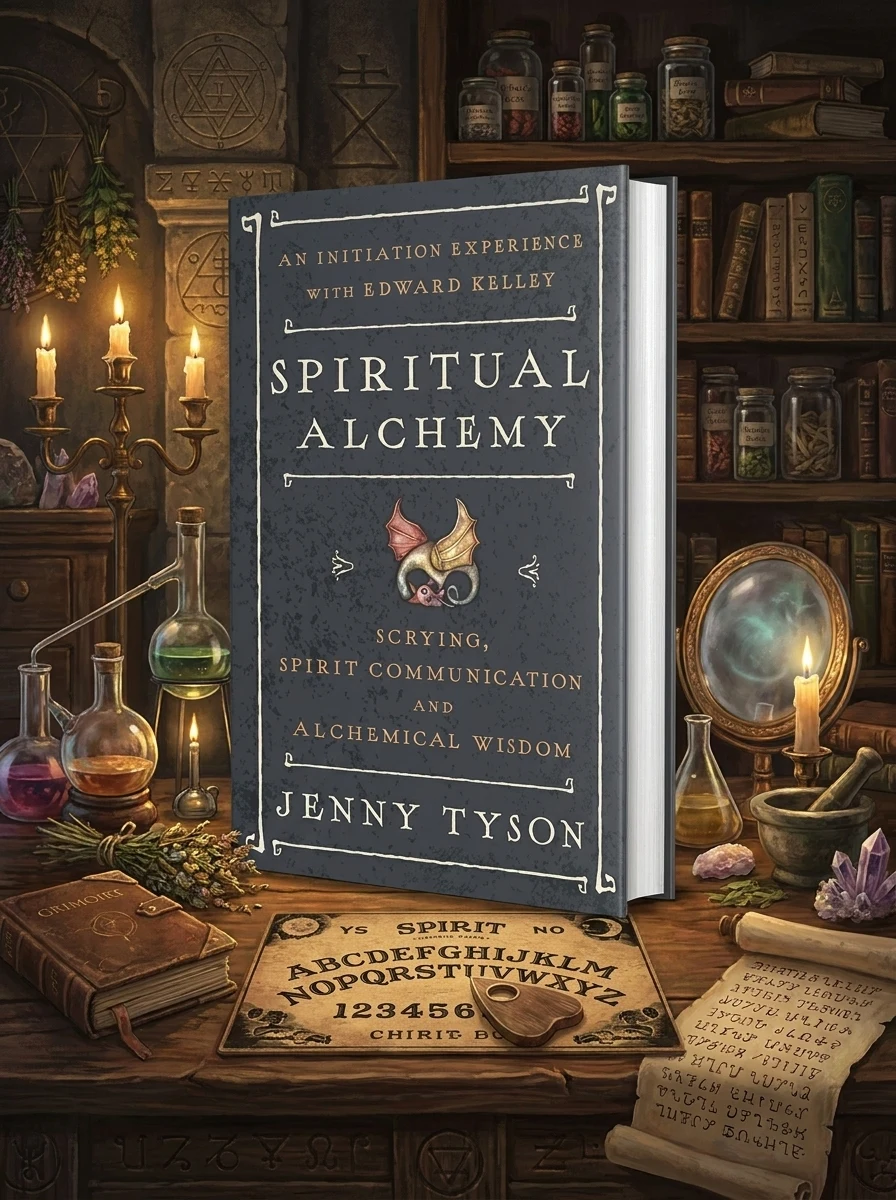
9. Spiritual Alchemy: Scrying, Spirit Communication, and Alchemical Wisdom — Jenny Tyson and Donald Tyson
This book bridges scrying practice and alchemical philosophy. The Tysons show how scrying can become a tool for inner transformation, not just information gathering. It's for practitioners ready to move beyond divination-for-answers into divination-as-spiritual-work. The book includes advanced scrying techniques and explores how to work with scrying in ritual and magical practice. Priced around $22, it represents a significant step in your development.
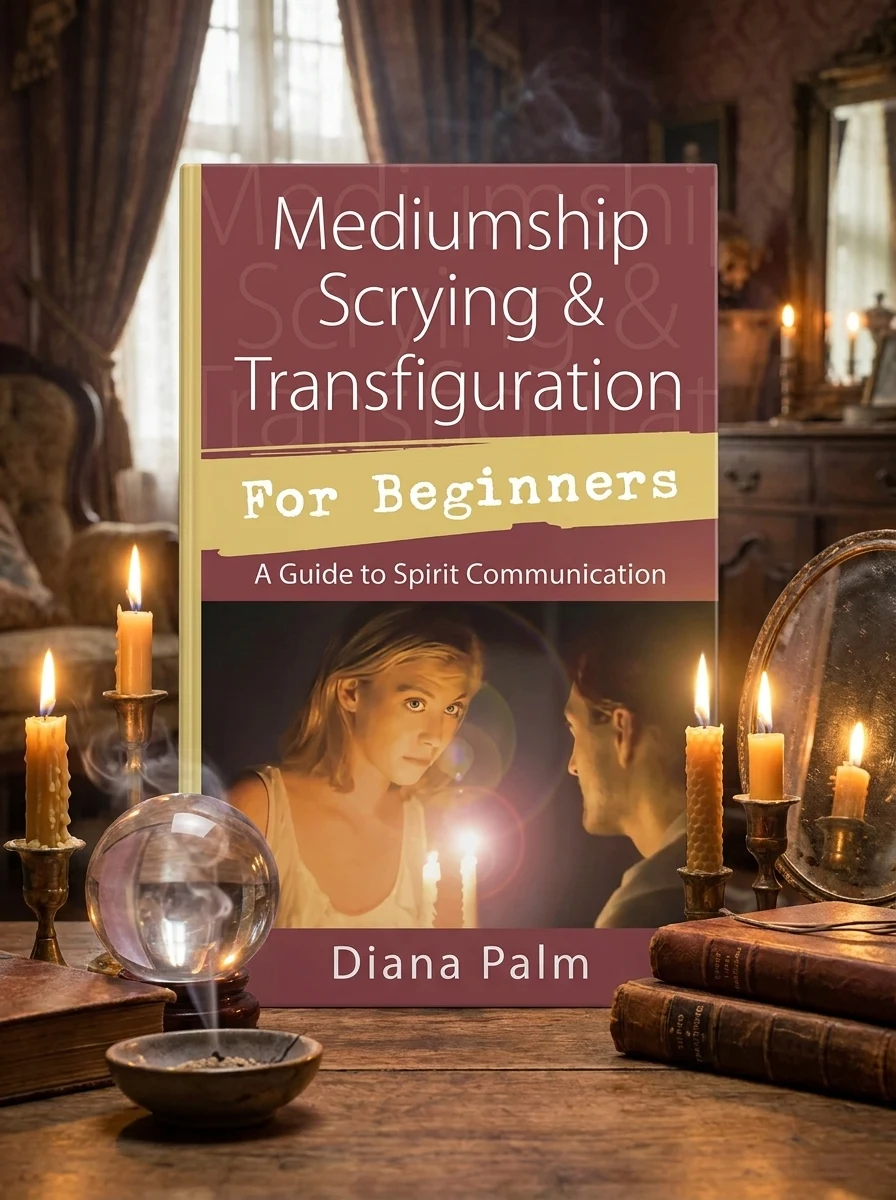
10. Mediumship Scrying & Transfiguration for Beginners: A Guide to Spirit Communication — Diana Palm
If your scrying practice draws you toward spirit contact, Palm's book provides a structured approach to mediumship through scrying. It's designed for beginners but doesn't talk down to them. The book covers protection, preparation, and interpretation—essential knowledge if you're opening yourself to communication with non-physical beings. It's practical and grounded, treating spirit communication as a skill to develop rather than a gift you either have or don't.
How to Choose Your Next System
You don't need to learn all three systems at once. Consider which one calls to you based on how you naturally work:
Choose scrying if: You're drawn to visual, meditative practice. You want to develop your intuition through direct experience rather than symbol interpretation. You're comfortable with ambiguity and willing to sit with images that don't immediately make sense. Scrying rewards patience and quietness.
Choose the I Ching if: You love philosophy and pattern recognition. You want a divination system that teaches you something about how reality works, not just what will happen. You're willing to study—the I Ching repays deep learning with profound insight. You're interested in Eastern thought and cosmology.
Choose runes (or Ogham) if: You want a system that's faster and more direct than tarot. You're drawn to working with language, sound, and correspondence. You want to understand how ancient cultures encoded wisdom. You prefer a smaller, more focused set of symbols to master deeply.
Many practitioners eventually work with all three, using each for different questions and different seasons of life. Start with the one that resonates most strongly, master it, then expand. Your tarot practice doesn't end—it simply becomes part of a larger conversation with the unseen.