The lines on our palms are more than just biological markers; for centuries, they have been viewed as a living record of our character, our potential, and the currents of our destiny. Palmistry, or chiromancy, is one of the few divination arts that requires no external tools—only a willing subject and a keen eye for detail. However, the difference between a superficial reading and a profound insight lies in the quality of the study.
Many people start by looking for a quick guide to the 'Life Line' or 'Heart Line,' but they soon realize that the hand is a complex system. To truly understand the hand, one must look at the mounts, the texture of the skin, the shape of the fingers, and the interplay between the dominant and non-dominant hands. The literature on this subject ranges from ancient Vedic texts to the structured systems of the Victorian era and modern psychological approaches.
As editors here at Esoterica Books, we see a lot of curiosity surrounding hand reading. The challenge is finding a text that matches your current level of intuition and your specific goals—if you want to predict future events, understand someone's personality, or use the practice as a tool for spiritual growth.
Foundations for the Absolute Beginner
If you have never looked at a palm with a critical eye, you need a book that simplifies the anatomy of the hand without stripping away the magic. These titles provide a structured entry point, focusing on the primary lines and basic shapes. Learning the basics involves understanding the major lines—the heart, head, and life lines—and how they interact with the mounts of the hand, which are the fleshy pads that correspond to different planetary influences.
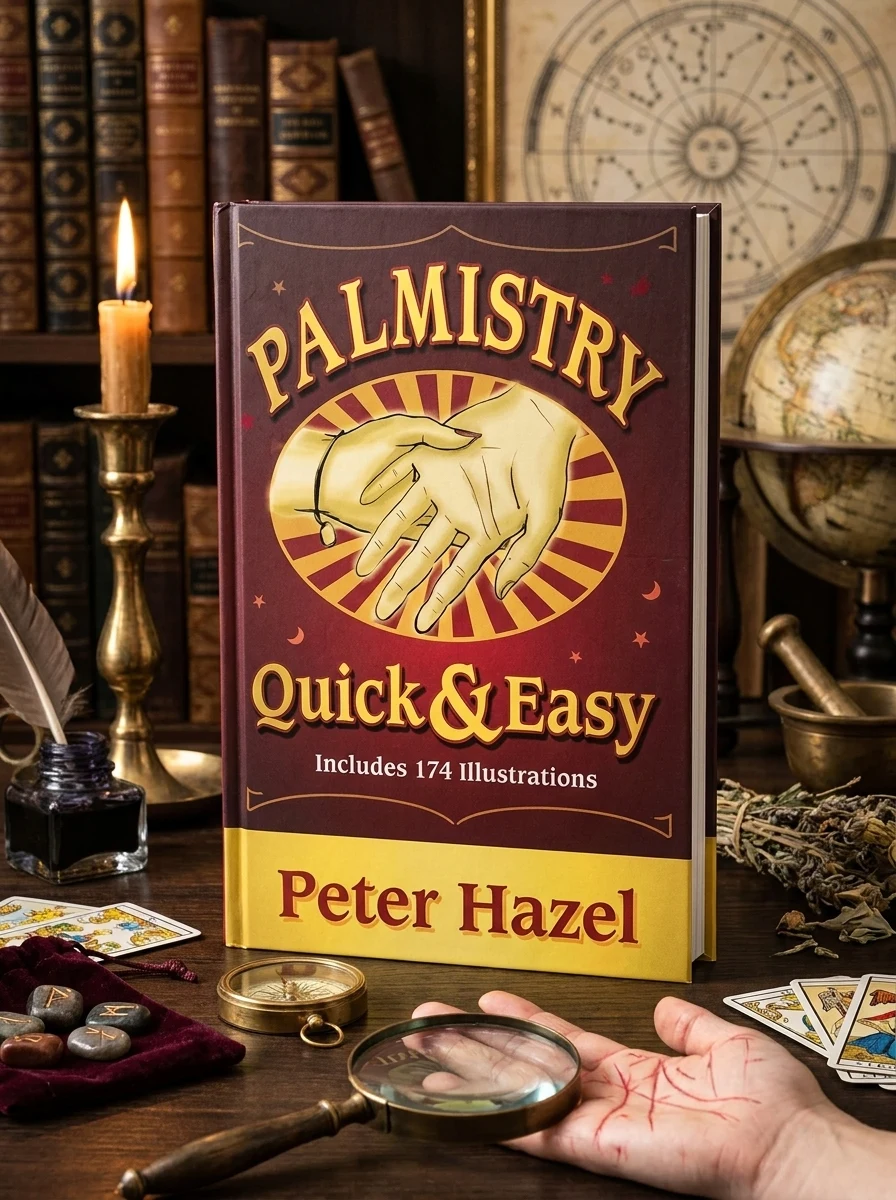
1. Palmistry: Quick & Easy — Peter Hazel
This is a practical choice for those who want to get started immediately. It avoids overly dense jargon and focuses on the most recognizable signs, making it ideal for those who want a functional tool for self-discovery without spending months in study. It is priced affordably, usually under $20, and serves as a bridge for those who find more academic texts intimidating.
2. Palmistry for Pleasure — Dean Bryden
As the title suggests, this book treats the art as an engaging social and personal activity. It is a straightforward introduction that removes the intimidation factor, making it a great companion for those who view divination as a way to connect with others. It focuses on the joy of discovery and the social dynamics of reading hands in a relaxed setting.
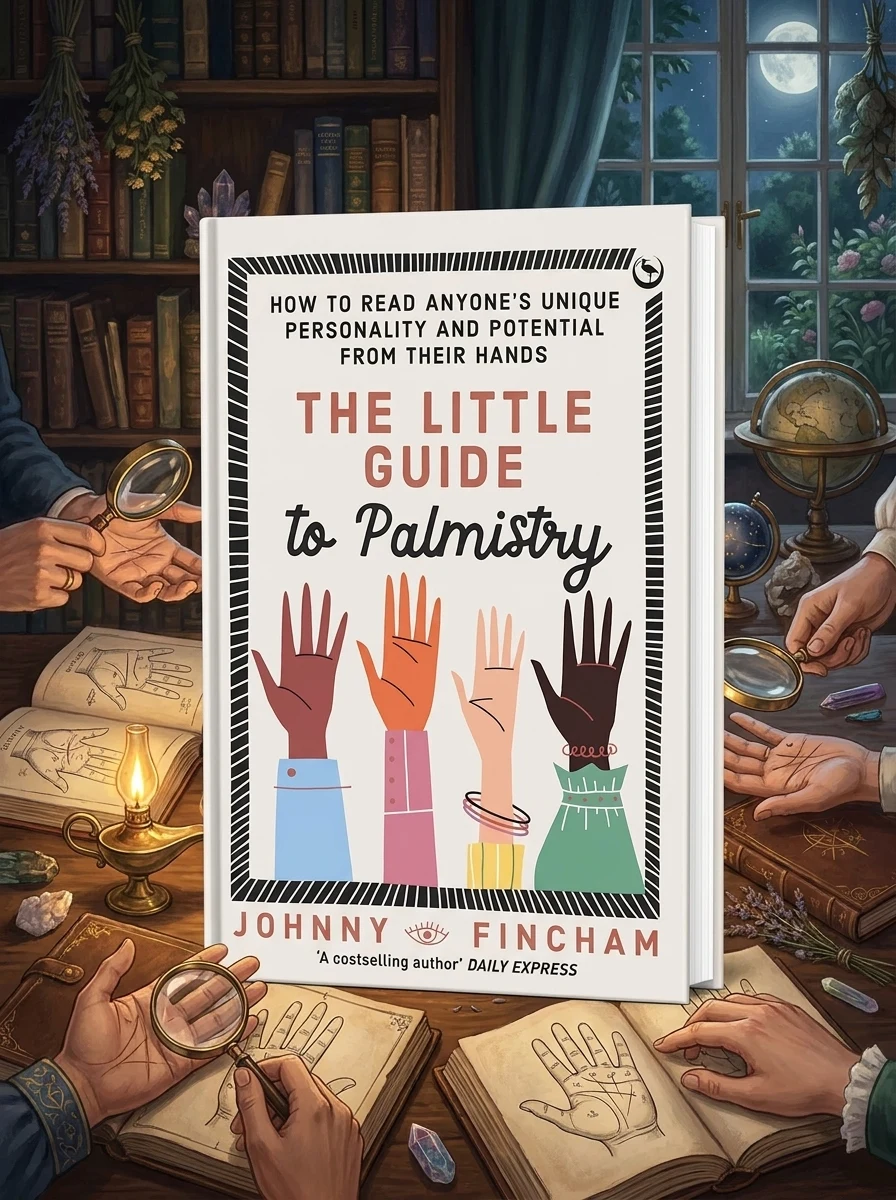
3. The Little Guide to Palmistry — Johnny Fincham
Fincham is a respected voice in modern palmistry. This guide focuses heavily on personality and potential, providing a direct path to understanding the symbolism of the hand. It's a concise read that fits well into a daily practice, allowing the reader to quickly reference specific signs and their meanings without wading through hundreds of pages of theory.
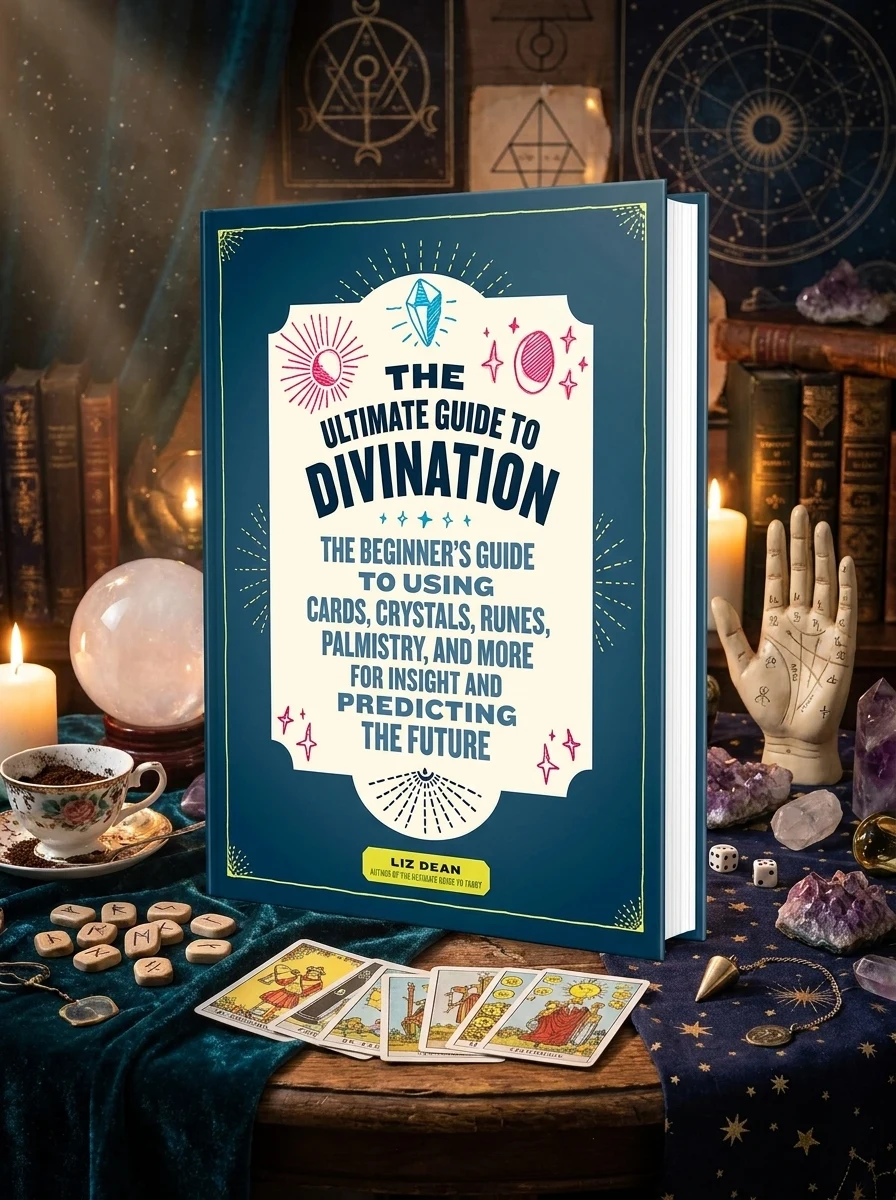
4. The Ultimate Guide to Divination — Liz Dean
While not exclusively about the hand, this volume is a vital resource for the generalist. It places palmistry alongside other tools like crystals and runes, providing a consolidated reference for those who want a holistic approach to the esoteric arts. It is a slightly more expensive investment, typically around $27, but it offers a broad context that helps the student see how hand reading fits into a wider divinatory system.
5. The Complete Book of Palmistry — Joyce Wilson
This is a budget-friendly entry (often under $10) that serves as a comprehensive primer. It is particularly useful for the curious occultist who wants to deepen their intuitive connection to the physical body's subtle signs. It provides a wide overview of the practice, ensuring that the reader has a solid foundation before moving on to more specialized texts.
Deepening the Practice: Classical and Modern Methods
Once you can identify the major lines, the next step is synthesis—learning how different signs modify one another. A single line rarely tells the whole story; for instance, a long life line may be modified by crossing lines or breaks that suggest periods of transition. These books move beyond the basics into the 'science' of the hand, offering more nuanced interpretations and a more rigorous approach to analysis.
6. The Essential Book of Palmistry — Johnny Fincham
This is a more profound initiation than Fincham's smaller guide. It treats the hand as a mirror of the soul, offering a method for deep self-exploration and a more rigorous framework for understanding others. It encourages the reader to look past the surface and find the deeper psychological drivers that manifest in the physical hand.
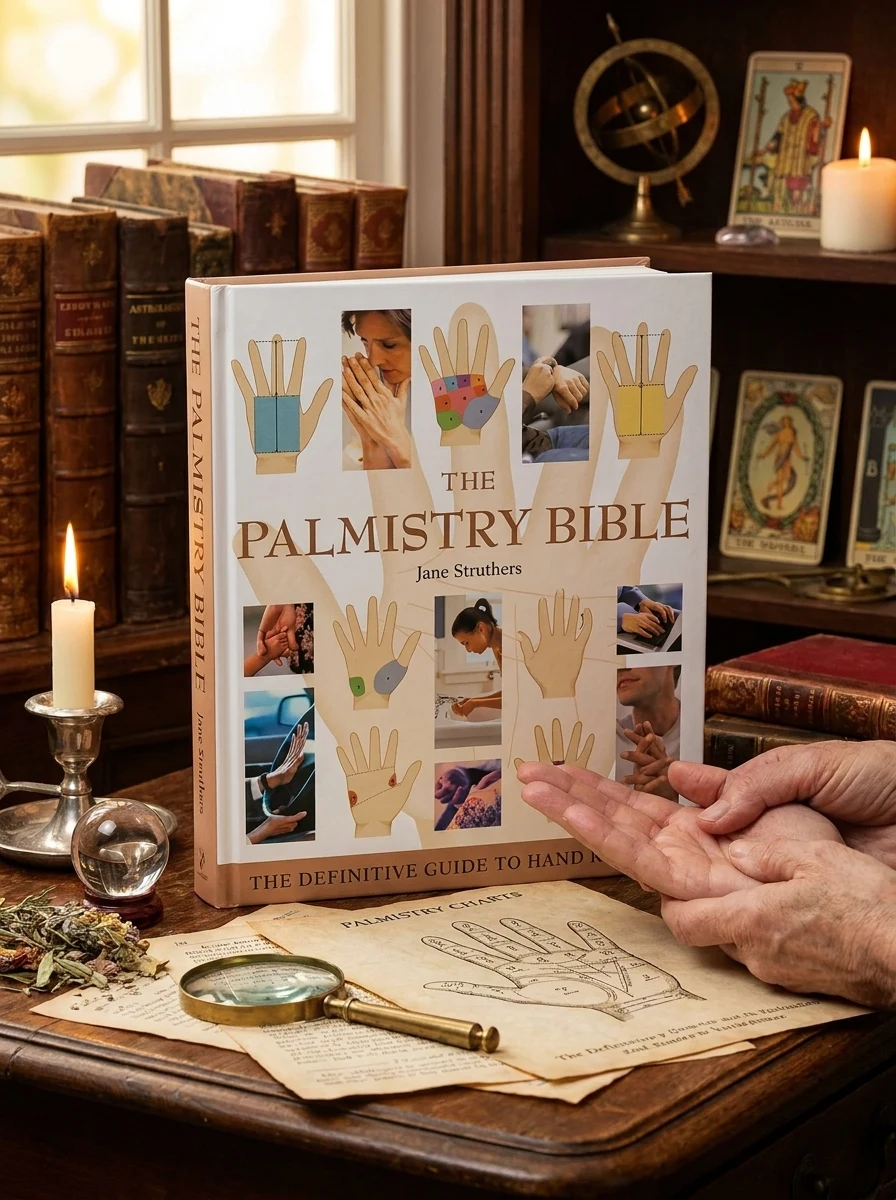
7. The Palmistry Bible — Jane Struthers
A comprehensive reference that lives up to its name. It covers the hidden narratives within the hand and balances the desire for self-knowledge with a look at potential future trajectories. It's a sturdy guide for those who want a 'definitive' text on their shelf, serving as both a teaching tool and a reference manual for complex cases.
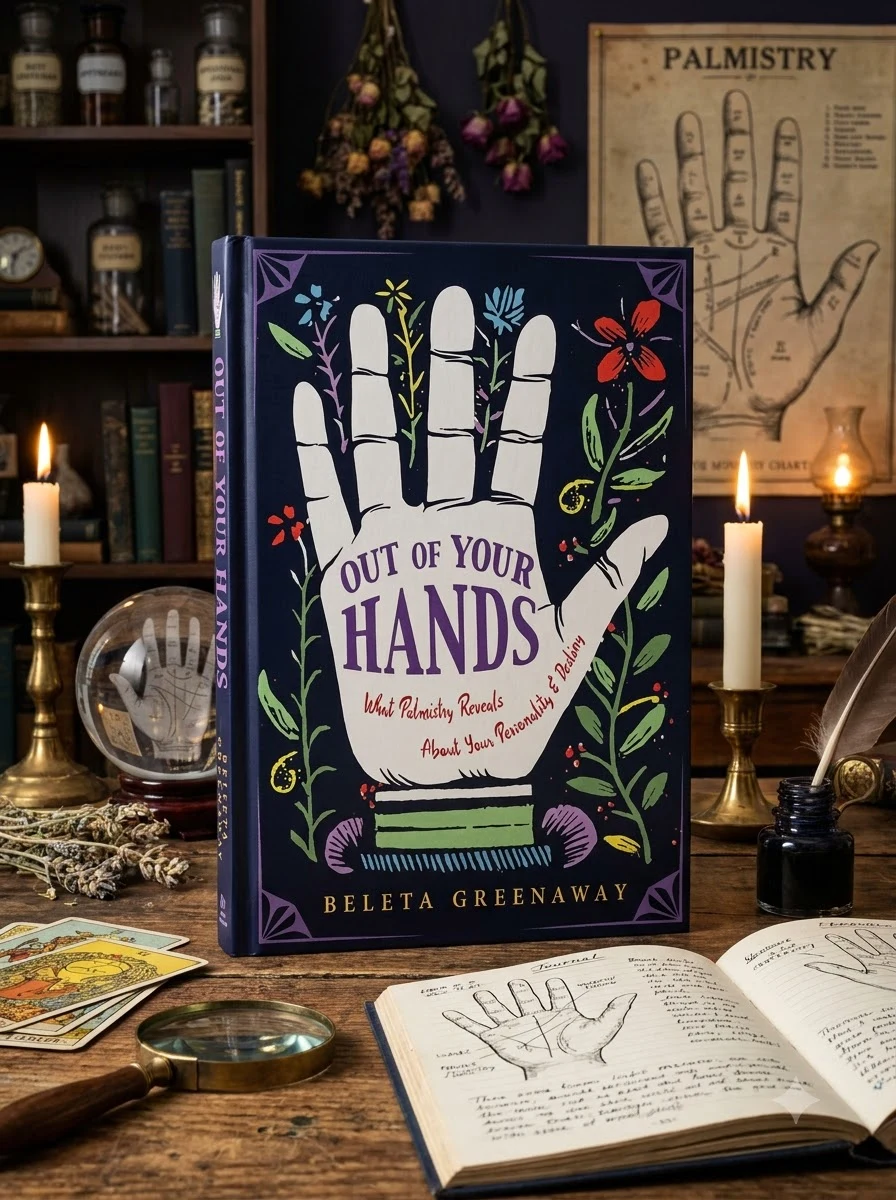
8. Out of Your Hands — Beleta Greenaway
Greenaway focuses on the intersection of personality and destiny. This book is highly recommended for those who are more interested in the psychological and character-driven aspects of palmistry than in pure fortune-telling. It examines how our innate tendencies, visible in the hand, shape the choices we make and the lives we lead.
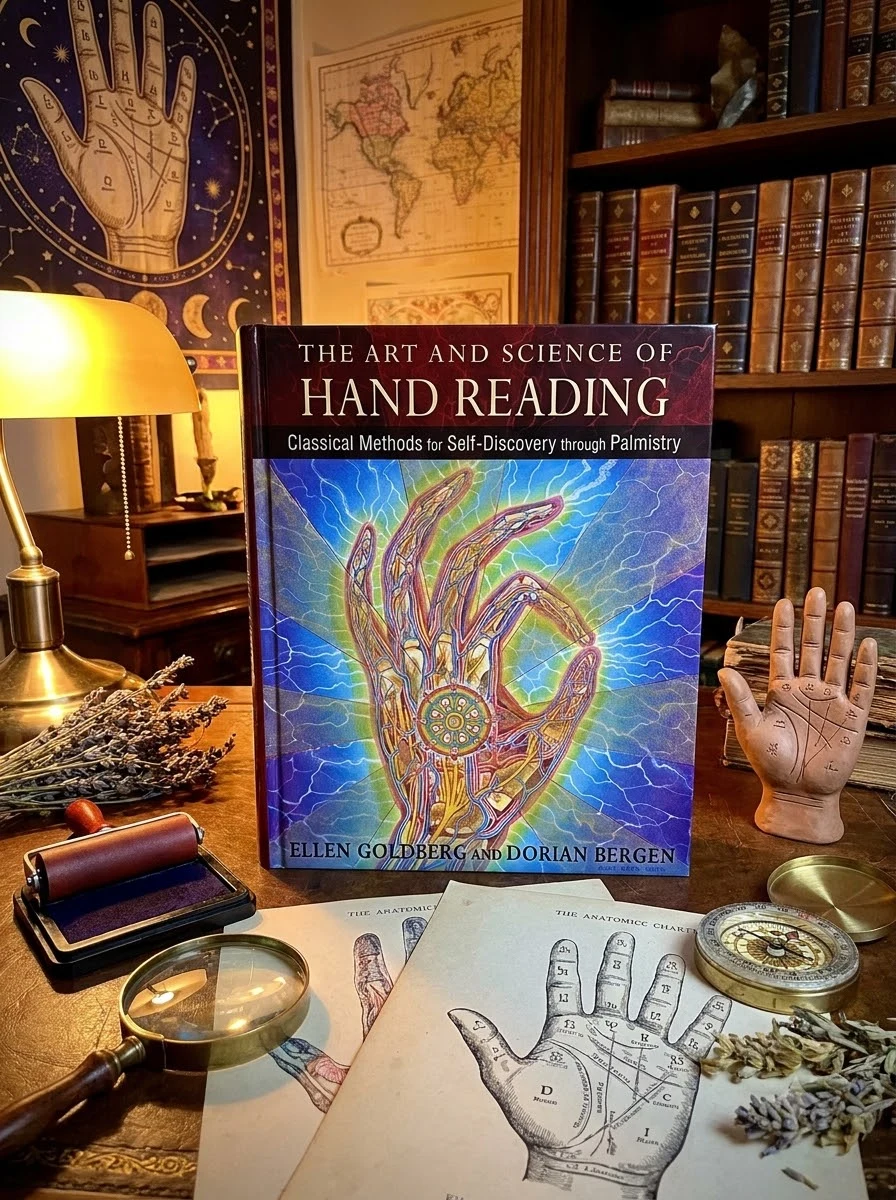
9. The Art and Science of Hand Reading — Ellen Goldberg
This text is for the serious student. It emphasizes classical methods and treats palmistry as a tool for personal development. It is one of the more premium titles in our collection, reflecting its depth and academic tone. Goldberg provides a systematic approach that removes much of the guesswork, replacing it with a structured methodology based on classical principles.
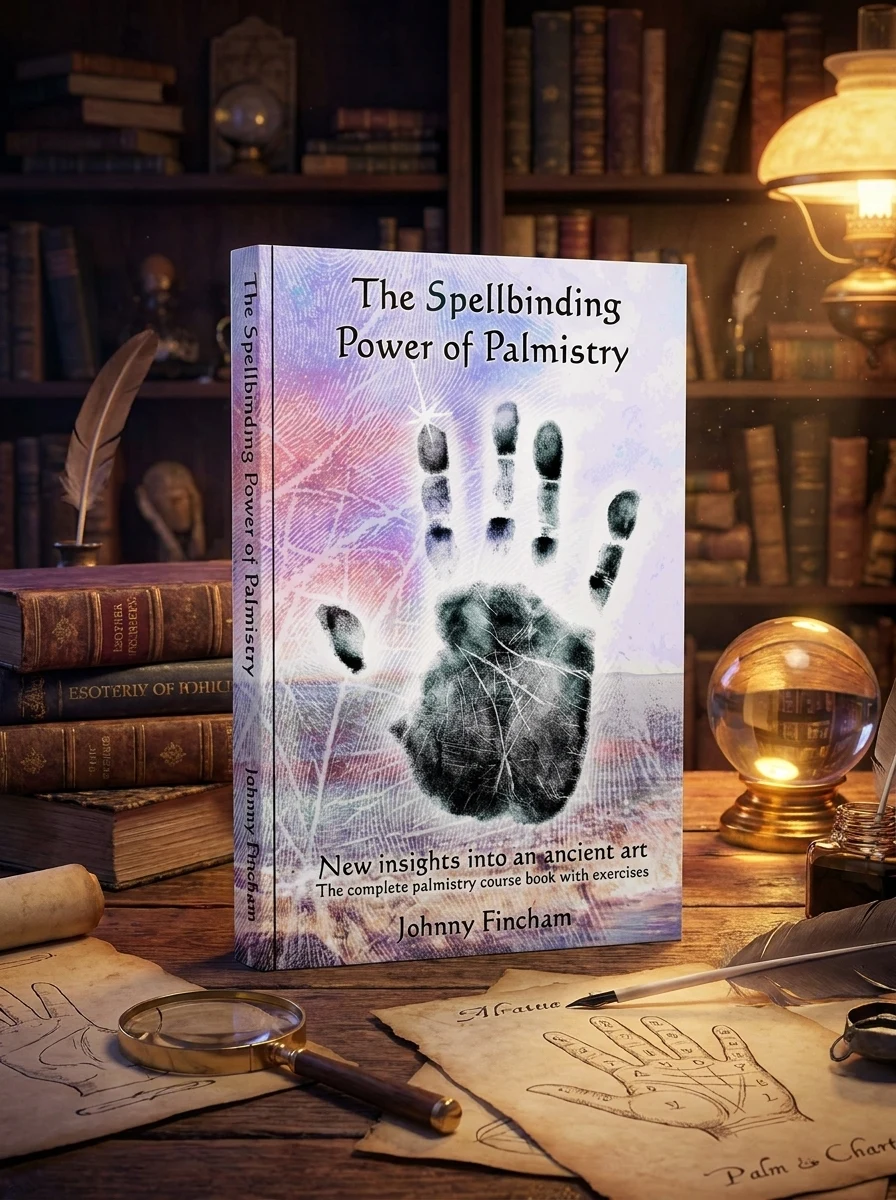
10. Spellbinding Power of Palmistry — Johnny Fincham
Fincham returns here to offer new insights into the ancient art. This book is excellent for those who have already mastered the basics and are looking to refine their interpretive skills with more modern perspectives. It bridges the gap between traditional chiromancy and contemporary understanding of human nature.
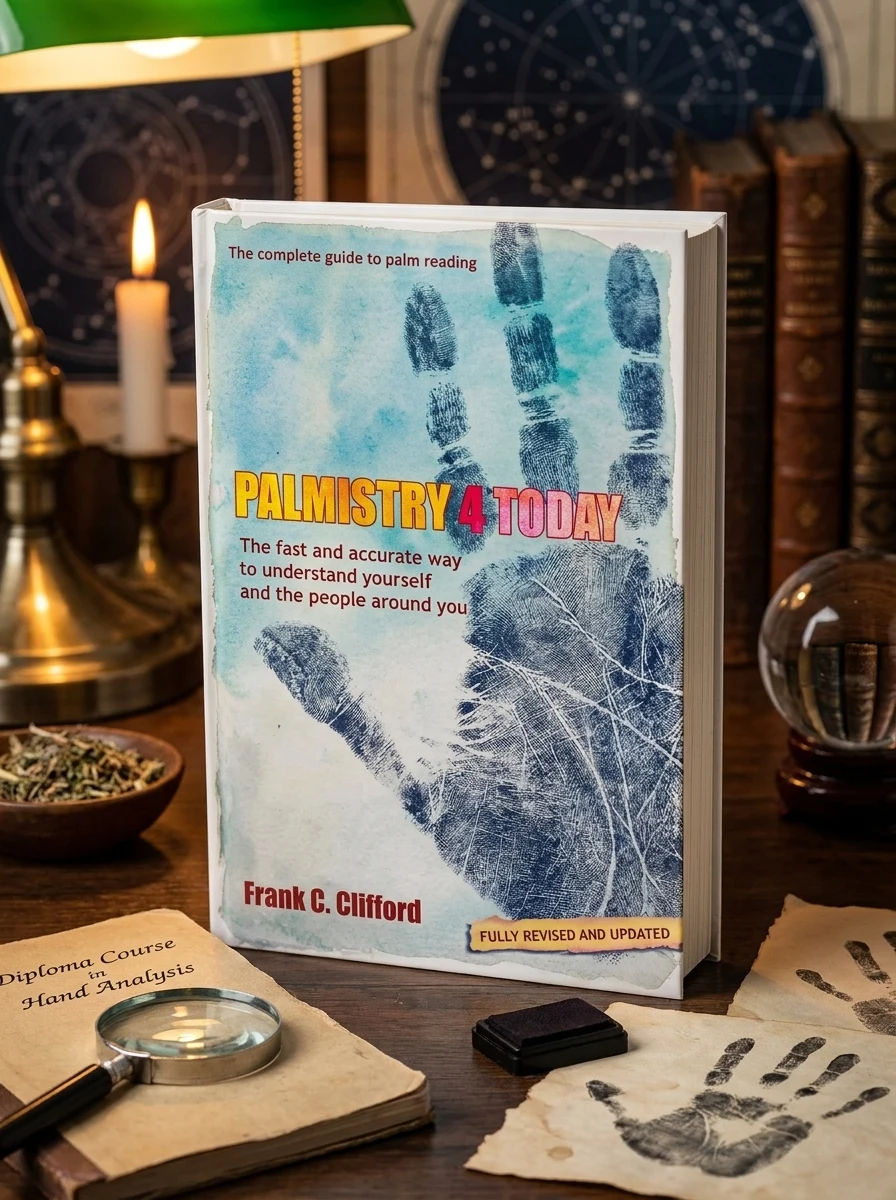
11. Palmistry 4 Today (with Diploma Course) — Frank C. Clifford
For those who want a structured, almost academic approach, this book includes a diploma course. It is designed to take a practitioner from a curious beginner to a refined interpreter through a systematic curriculum. This is ideal for those who prefer a classroom-style progression over a casual reading experience.
Specialized Traditions: Vedic and Lineage-Based Reading
Not all palmistry is Western. The Vedic tradition, for example, offers a different philosophical approach, focusing on karma and the ability to actively shape one's future. While Western palmistry often looks at the lines as a map of what is, Vedic palmistry often views them as a map of what can be, emphasizing the role of spiritual practice and conscious effort in altering one's destiny.
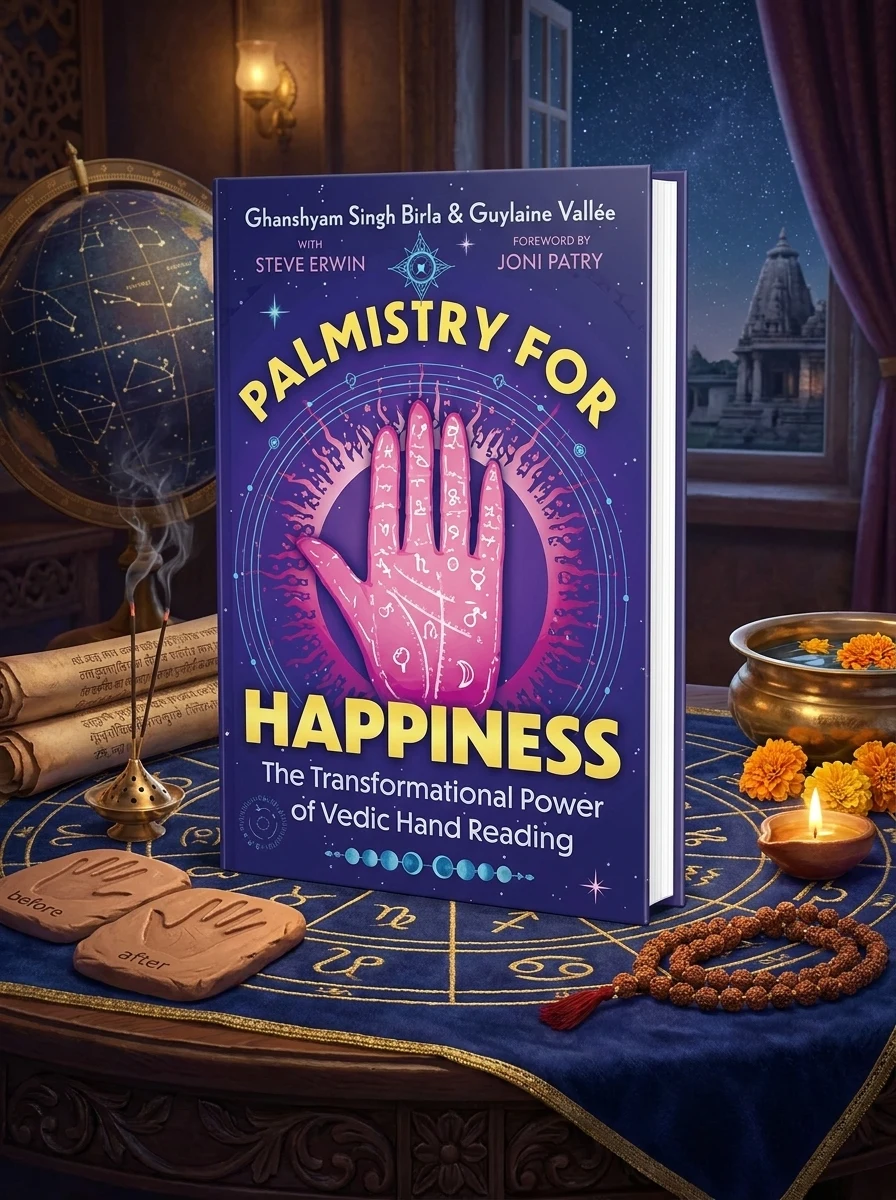
12. Palmistry for Happiness — Ghanshyam Singh Birla et al.
This book introduces the transformational power of Vedic hand reading. It is less about passive observation and more about using the knowledge of the hand to achieve personal growth and happiness. It teaches the reader to identify obstacles in the hand and find the spiritual remedies to overcome them.
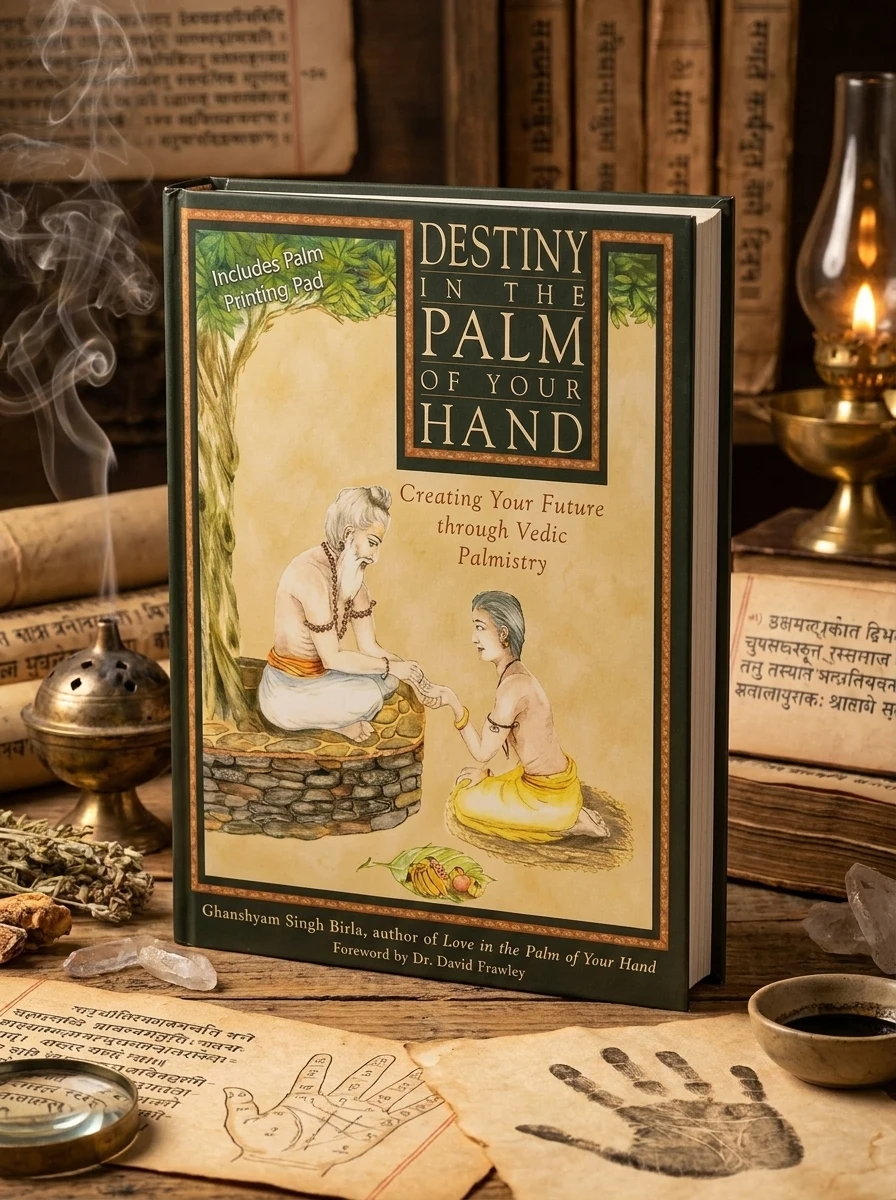
13. Destiny in the Palm of Your Hand — Ghanshyam Singh Birla & David Frawley
Similar to the previous title but focusing more on the concept of destiny. It teaches the reader how to actively shape their life's path by understanding the karmic imprints found in the palm. It is a powerful text for those who believe that the future is not fixed but is a result of cumulative actions and intentions.
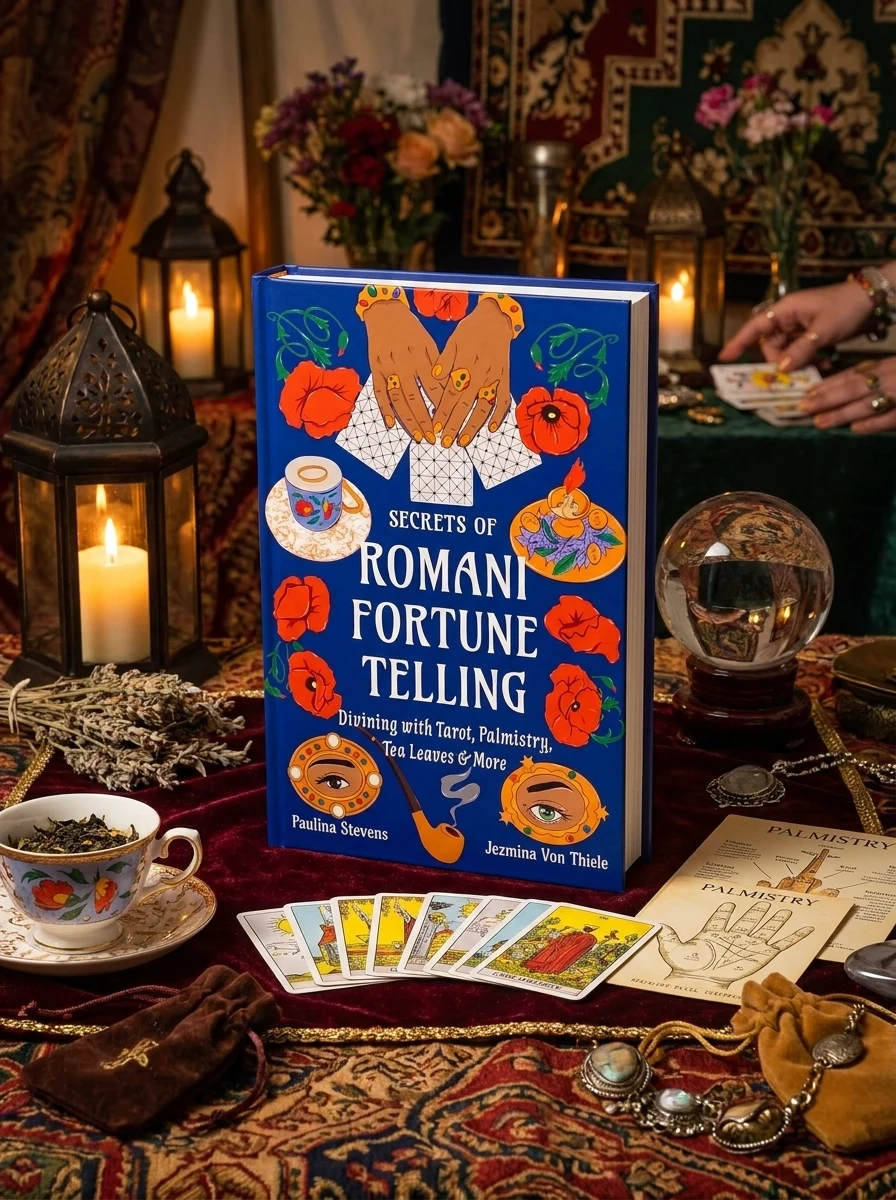
14. Secrets of Romani Fortune-Telling — Jezmina Von Thiele
This is a rare and respectful entry into lineage-based divination. It places palmistry within the broader context of Romani traditions, offering a perspective that is deeply rooted in cultural heritage rather than just textbooks. It provides a glimpse into how palmistry has been used as a living tradition to support and guide communities.
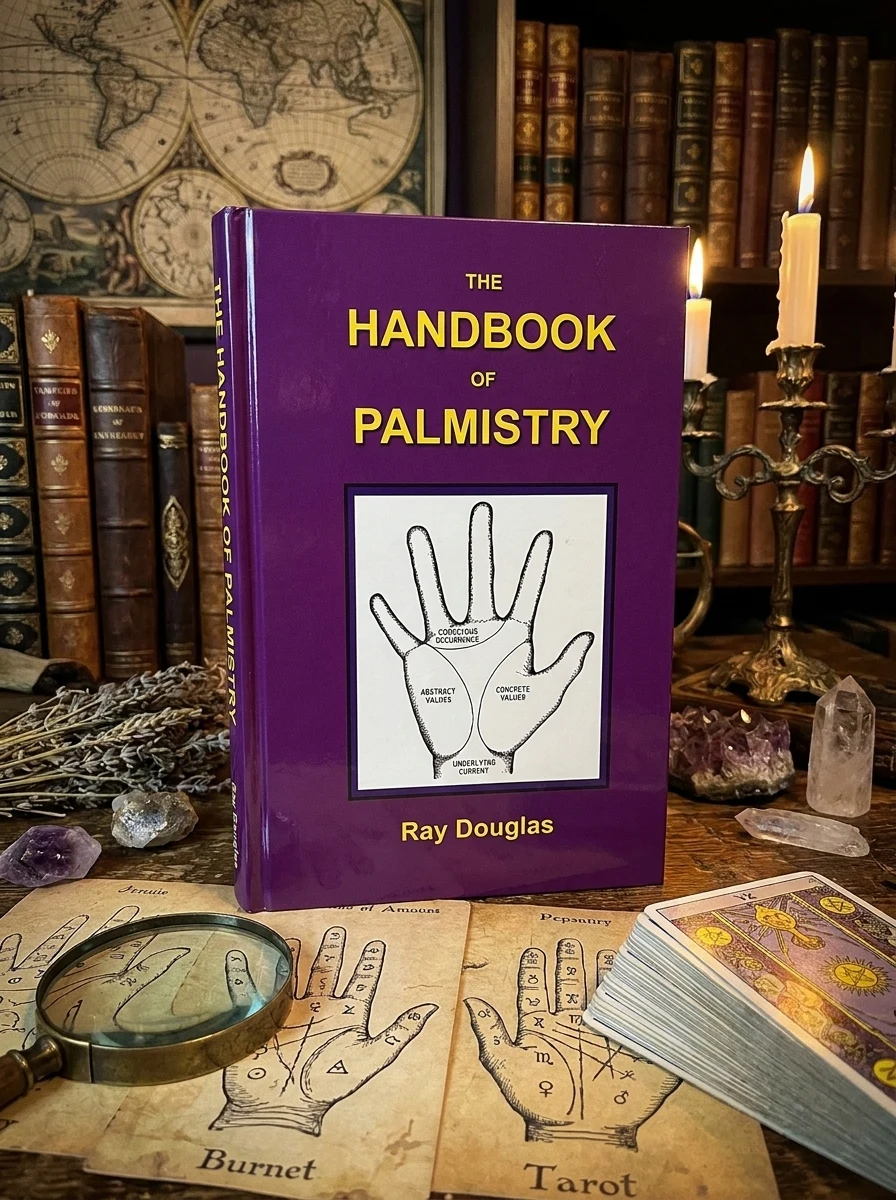
15. The Handbook of Palmistry — Ray Douglas
A solid, reliable guide that bridges the gap between tradition and practical application. It is an excellent choice for those who want a clear understanding of human potential as written in the hands. Douglas provides a balanced view that is neither too simplistic nor overly esoteric, making it a versatile addition to any library.
How to Choose Your Palmistry Guide
Choosing the right book depends on what you are actually looking for when you look at a hand. The variety of available literature means you can tailor your education to your specific interests. If you are seeking a quick way to break the ice at a party or get a general sense of your personality, start with the 'Quick & Easy' or 'Pleasure' guides. These are low-pressure and high-reward, allowing you to see immediate results without a steep learning curve.
If you are treating this as a lifelong study or a professional pursuit, look toward the 'Bible' or the 'Art and Science' texts. These require more patience but provide the nuance needed to avoid the common mistakes of beginners—such as over-relying on a single line without considering the rest of the hand. A professional reading requires a synthesis of the hand's shape, the mounts, the lines, and the overall energy of the person.
Finally, if you feel that your life is not a fixed script but something you can change, the Vedic tradition is your best bet. The books by Birla and Frawley shift the focus from 'what will happen' to 'how can I evolve,' which is a powerful shift in perspective for any practitioner. This approach transforms palmistry from a tool of prediction into a tool of empowerment.
Regardless of the path you choose, the most important part of learning palmistry is practice. Books provide the theory, but the hand provides the truth. We recommend keeping a journal of your readings, noting which interpretations resonated with the subject and where the lines seemed to contradict the lived experience. This iterative process is how a student becomes a master.