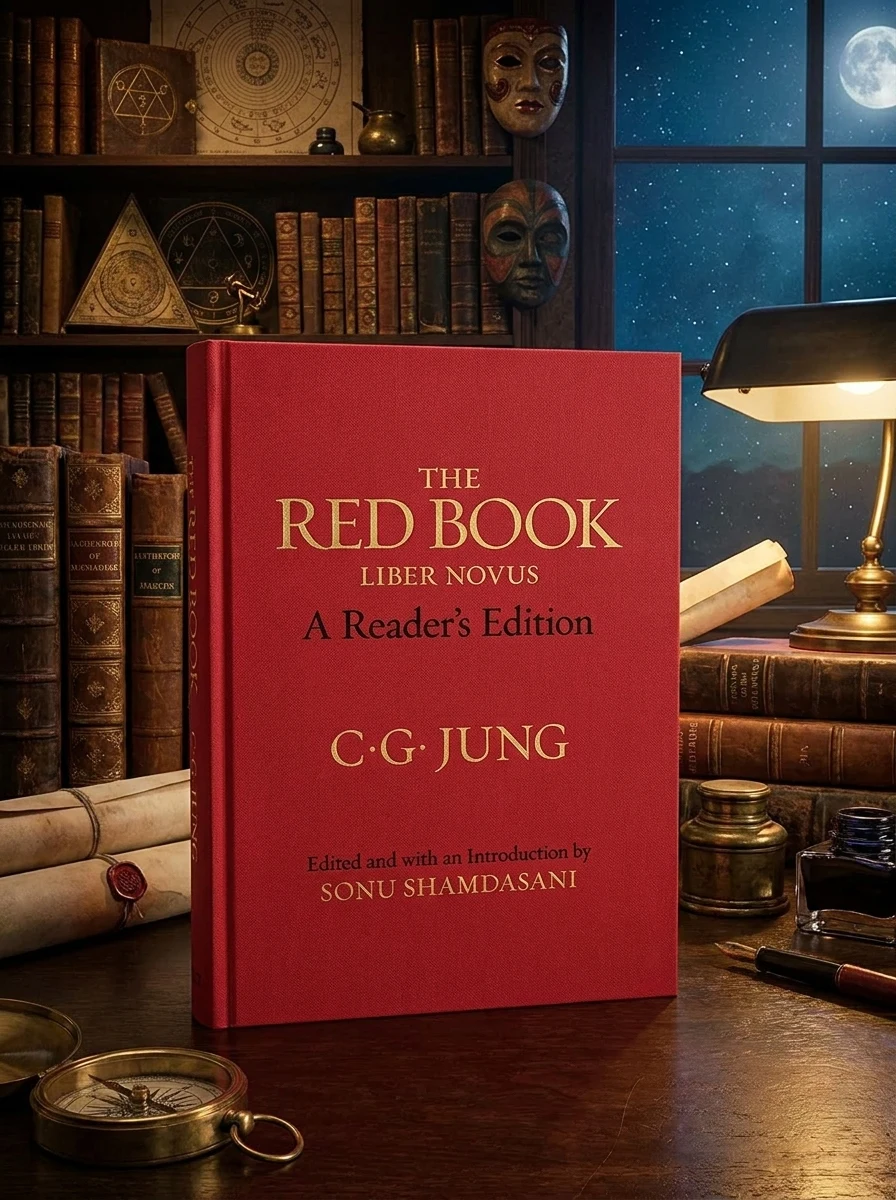

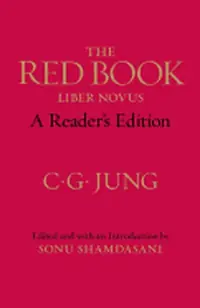
The Red Book: A Reader's Edition
Stock reported in the catalog; fulfillment is confirmed with your request.
Journey into the psyche's depths where C.G. Jung forged his revolutionary theories.
This accessible edition of C.G. Jung's pivotal manuscript reveals the very origins of his groundbreaking psychological framework. Within its pages, Jung grappled with profound internal experiences, laying the groundwork for his enduring concepts like archetypes, the collective unconscious, and the journey of individuation. It showcases how his vision reshaped psychological understanding, moving beyond mere illness treatment to encompass personal growth and the soul's evolution. This volume includes the essential, fully translated text alongside an insightful introductory essay by Sonu Shamdasani.
This work stands as a foundational text in depth psychology, bridging the gap between early 20th-century psychoanalysis and modern esoteric self-exploration. It represents a pivotal moment where clinical theory emerged directly from intense personal spiritual and psychological experimentation.


📝 Description: The Red Book: A Reader's Edition
💎 Expert review
📖 Why choose it
Why this book is worth reading
This edition is ideal for those seeking the raw, unfiltered origins of Jungian psychology rather than just its polished conclusions. Readers who are fascinated by the intersection of clinical theory and personal spiritual crisis will find immense value in witnessing how revolutionary concepts like the collective unconscious were forged. The accessible format allows deep thinkers to engage with profound internal experiences without getting lost in academic jargon. It is particularly rewarding for anyone interested in the journey of individuation or the evolution of the soul, offering a unique window into the mind that reshaped psychological understanding from treating illness to fostering personal growth.
⭐ Reader reviews
Reader rating
While this Reader's Edition offers an insightful introduction by Sonu Shamdasani, it remains a demanding text suited only for those prepared for dense, introspective material. It is not appropriate for readers seeking quick self-help fixes or light entertainment; the content requires patience and intellectual rigor to navigate Jung's complex internal landscapes. Those uninterested in the deep mechanics of the psyche or the historical development of archetypal theory may find the experience tedious rather than illuminating. However, for dedicated students of esoteric thought, it is an indispensable primary source that reveals the messy, profound birth of modern depth psychology.
❓ Frequently asked questions
📖 Who should read this
For seekers plumbing the depths of Jungian thought, aspiring individuators, or anyone fascinated by the genesis of revolutionary psychological ideas, this is your essential guide. Delve into the personal crucible from which Jung's most profound concepts emerged, offering unparalleled insights into the human psyche.
🎯 Key themes and symbolism
Archetypes and Collective Unconscious
Within these pages, Jung first encountered and meticulously documented the universal patterns and symbolic imagery that would later form the bedrock of his theory of archetypes. These primordial forms emerge from a shared, inherited psychic substrate, offering profound insights into the human condition and the universal language of the soul.
The Individuation Process
The Red Book itself serves as an extraordinary testament to Jung's personal journey toward psychological wholeness. It vividly illustrates the difficult, often chaotic path of integrating conscious and unconscious elements of the self, providing a raw and unfiltered account of the transformative process of individuation in action.
Redefining Psychotherapy's Purpose
Jung's intense introspective work here fundamentally shifted the purpose of psychological exploration. He envisioned it not merely as a clinical method for alleviating pathology, but as a profound means for self-realization, personal evolution, and the integration of the spiritual dimension into one's life, moving beyond simple healing.
💬 Quotes from the book
“He who looks outside, dreams; he who looks inside, awakes.”
“One does not become enlightened by imagining figures of light, but by making the darkness conscious.”
📜 Historical context
📚 Glossary
- Collective Unconscious
- Archetype
- Individuation
📔 Questions to reflect on
- How do you perceive the 'unknown' aspects of your own psyche, and what forms do they take in your dreams, visions, or imagination?
- Consider a significant turning point in your life. How did confronting internal challenges contribute to your personal growth and self-understanding?
- What personal myths or symbols resonate deeply with you, and what might they reveal about your underlying psychological patterns or aspirations?
🏛 Books from this publisher W. W. Norton & Company
All books from this publisher →




You might also like
See more →




 91
91