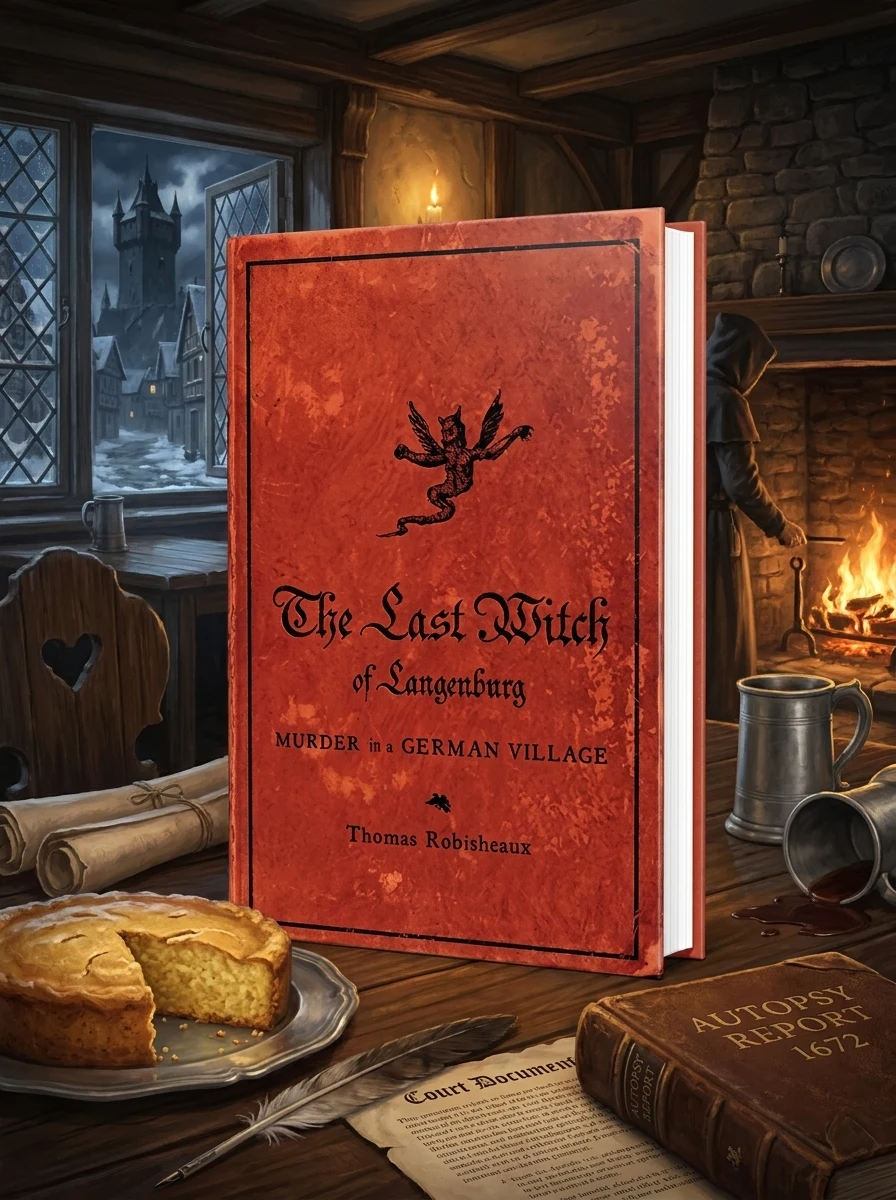
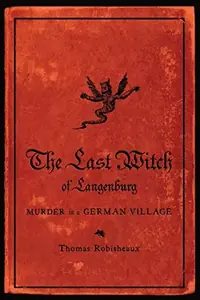
The Last Witch of Langenburg: Murder in a German Village
Stock reported in the catalog; fulfillment is confirmed with your request.
A poisoned cake, a village in fear, and the last witch hunt's chilling truth.
In the winter of 1672, a seemingly innocuous festive cake led to a sensational death and ignited one of Europe's final witch panics. Historian Thomas Robisheaux meticulously reconstructs this harrowing tale from the German village of Langenburg. Through compelling court records, firsthand testimonies, and even an early autopsy, he uncovers the escalating suspicion against Anna Schmieg, a miller's wife accused of sorcery. This gripping narrative follows Schmieg and her daughter as they navigate brutal interrogations, revealing how everyday occurrences spiraled into diabolical accusations and exposing a society teetering between ancient beliefs and emerging enlightenment.
This work situates itself within the historiography of early modern European witch trials, specifically focusing on the late persistence of such panics in German-speaking regions. It bridges the gap between popular occult history and rigorous academic reconstruction of a specific legal case.


📝 Description: The Last Witch of Langenburg: Murder in a German Village
💎 Expert review
📖 Why choose it
Why this book is worth reading
Readers fascinated by the intersection of folklore, law, and human psychology will find this account deeply compelling. It serves those who wish to understand the mechanics of mass hysteria without relying on sensationalist tropes. By grounding the narrative in court records and autopsy reports, it offers a visceral look at how ordinary life in Langenburg spiraled into terror. It is ideal for history enthusiasts seeking clarity on the 'last witch hunts' and anyone interested in the fragile transition from ancient beliefs to emerging enlightenment. The personal tragedy of Anna Schmieg provides an emotional anchor, making abstract historical forces feel immediate and heartbreaking.
⭐ Reader reviews
Reader rating
Robisheaux delivers a meticulous reconstruction that prioritizes archival evidence over dramatic flair, which may disappoint readers seeking a Gothic horror narrative or easy-to-digest folklore collection. The dense focus on court records and legal procedures can feel academic to those preferring broad social histories. However, for those willing to engage with the grueling reality of 17th-century interrogation tactics, it is invaluable. It does not suit casual readers expecting a quick thriller; rather, it demands attention to detail. The candid exposure of societal fears makes it essential for serious students of history, though its dryness may alienate those looking for magical wonder.
❓ Frequently asked questions
📖 Who should read this
If you're drawn to meticulously researched historical mysteries, the psychology of collective fear, or the chilling intersection of law and belief, this book is essential. It offers a rare, intimate glimpse into the human drama behind Europe's final witch trials, challenging your understanding of justice and superstition.
🎯 Key themes and symbolism
Justice, Torture, and Law
This volume illuminates the often brutal legal processes of the era, showcasing how judicial systems grappled with accusations of sorcery. It reveals the chilling progression from initial suspicion to forced confessions under torture, particularly highlighting the tragic manipulation of a daughter against her own mother, providing a stark look at historical legal ethics.
Clash of Eras
Explore the fascinating tension between entrenched folk beliefs and the nascent scientific and legal rationalism emerging in 17th-century Europe. The Langenburg case serves as a poignant microcosm, demonstrating how an entire community wrestled with conflicting worldviews, struggling to reconcile traditional magical explanations with evolving understandings of cause and effect.
💬 Quotes from the book
“The line between ill fortune and malevolent magic blurred easily in a world where explanations for tragedy often defied natural understanding.”
“To break a daughter's will against her mother was not merely a legal tactic, but a profound societal wound, exposing the depths of fear and judicial cruelty.”
📜 Historical context
📚 Glossary
- Shrove Tuesday
- Witch Panic
- Langenburg
📔 Questions to reflect on
- How might modern legal systems inadvertently echo the societal pressures or biases that fueled historical witch trials?
- Consider a time when you or your community faced an unexplained event. How did you seek understanding, and how might that differ in a pre-scientific era?
- What does the Langenburg case reveal about the power dynamics within a village community, and how do those dynamics manifest today?
🏛 Books from this publisher W. W. Norton & Company
All books from this publisher →
 87
87

You might also like
See more →
 91
91