When most people think of the Salem witch trials, they picture a town gripped by hysteria, innocent people hanged for witchcraft, and a cautionary tale about the dangers of mass panic. But the real story—the one buried in court records, depositions, and the lives of the accused and accusers—is far more complex, tragic, and revealing about how fear, power, and belief can destroy a community.
The Salem trials of 1692 lasted only months but claimed twenty lives and fractured a Puritan settlement in Massachusetts Bay Colony. Yet for centuries, popular culture has flattened this event into a simple morality play. The books we've chosen here restore the nuance: they give voice to the accused, examine the accusers' possible motives, analyze the legal machinery that enabled the trials, and place Salem within the broader history of witchcraft persecution across Europe and the colonies.
Whether you're a historian, a student of esoteric traditions, or someone drawn to understanding how communities can turn against their own, these books offer different angles of entry. Some are grounded in primary sources. Others are narrative histories that read like true crime. A few challenge us to rethink what "witchcraft" meant in 1692—and what it means now.
Primary Documents and Court Records
If you want to hear the voices of the accused and accusers directly, primary source collections are essential. These books strip away later interpretation and let the historical record speak.
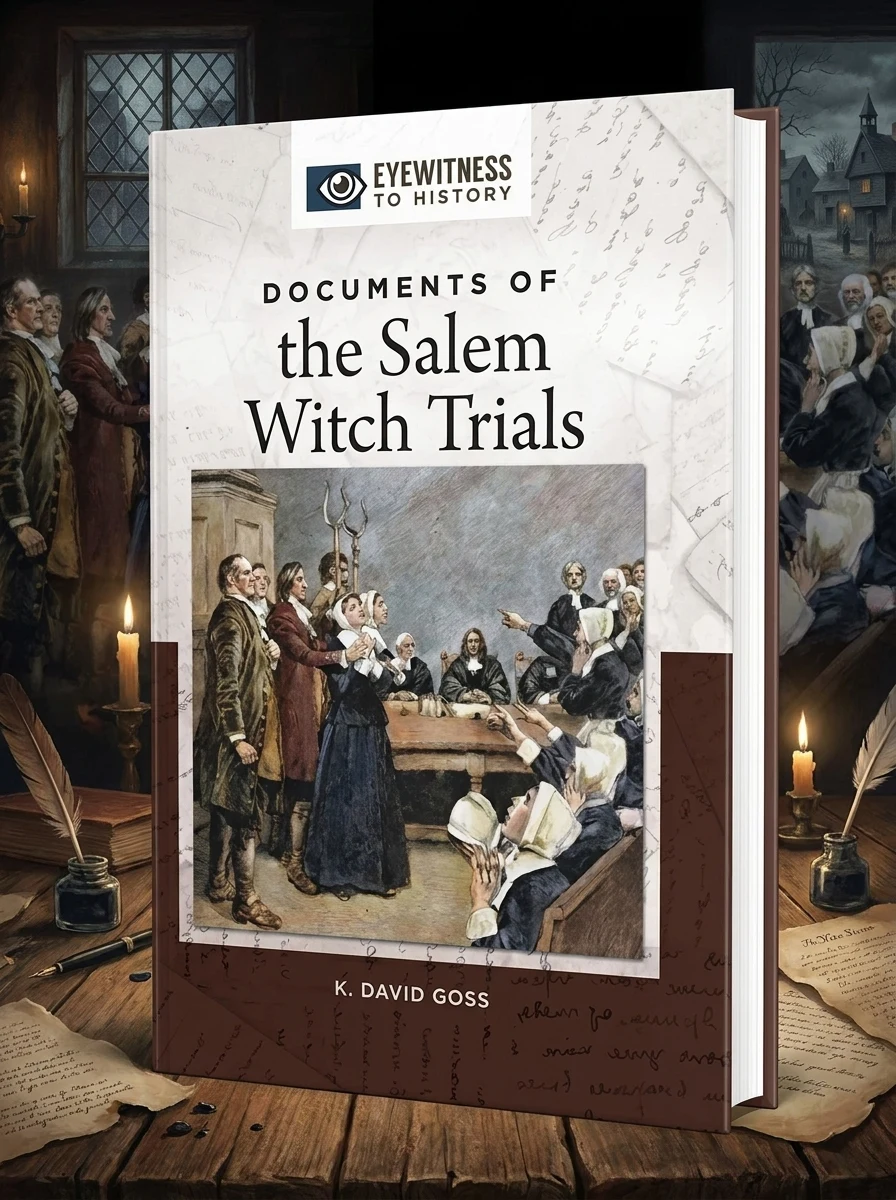
1. Documents of the Salem Witch Trials — K. David Goss
Documents of the Salem Witch Trials is the most comprehensive collection of trial transcripts, depositions, petitions, and legal records available. This is the raw material: the actual words spoken in court, the accusations written down, the confessions (some coerced, some genuine). It's not light reading, but it's invaluable if you want to understand what really happened without a historian's interpretation standing between you and the evidence. This is the book scholars return to again and again.
Narrative Histories That Restore Human Complexity
These books tell the story of Salem as a human tragedy, not an abstract historical event. They reconstruct the lives of the accused, the accusers, and the community that tore itself apart.
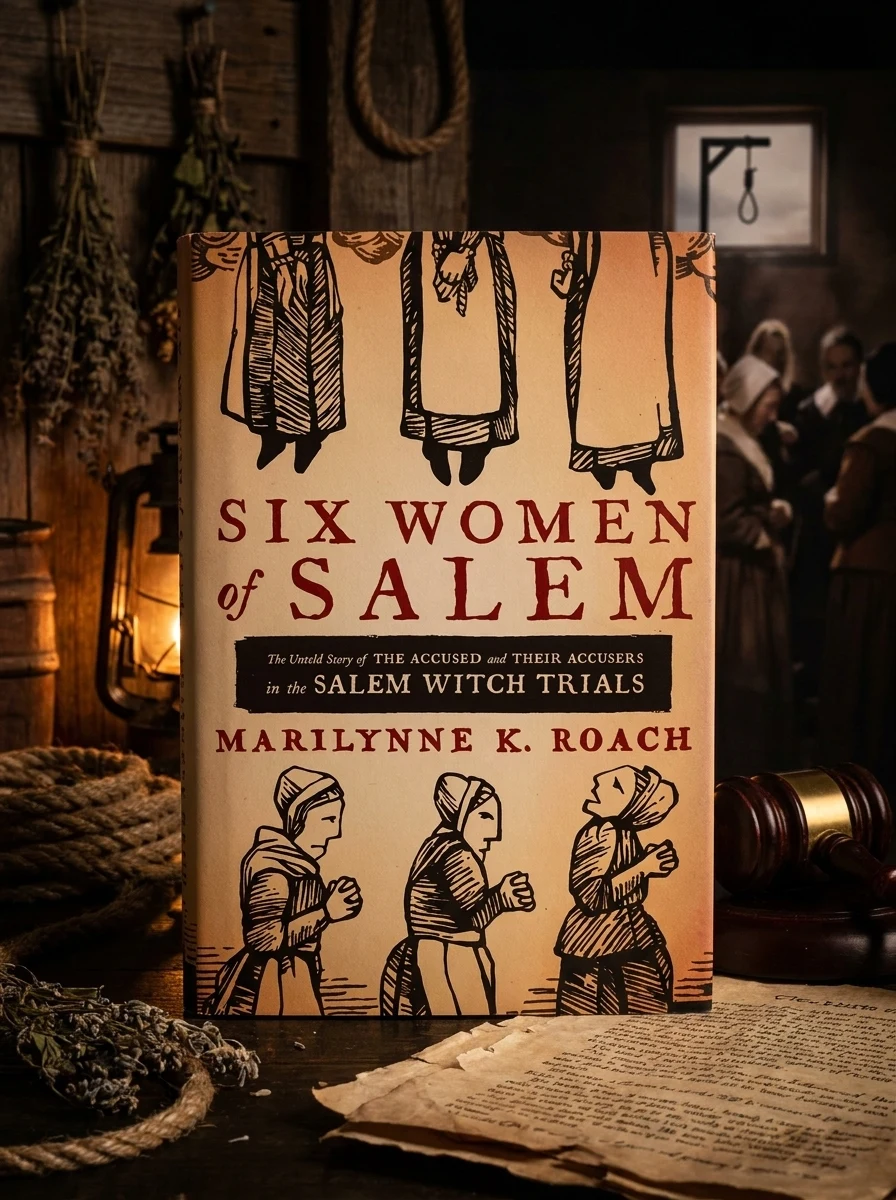
2. Six Women of Salem: The Untold Story of the Accused and Their Accusers in the Salem Witch Trials — Marilynne K. Roach
Six Women of Salem centers the women at the heart of the trials—both the accused and the young girls who accused them. Roach uses meticulous research to restore their identities beyond the trial records. You learn who they were before the hysteria, what their lives looked like, and how the trials destroyed or transformed them. This is essential reading if you want to move beyond the abstraction of "the trials" and understand the real people caught in them.
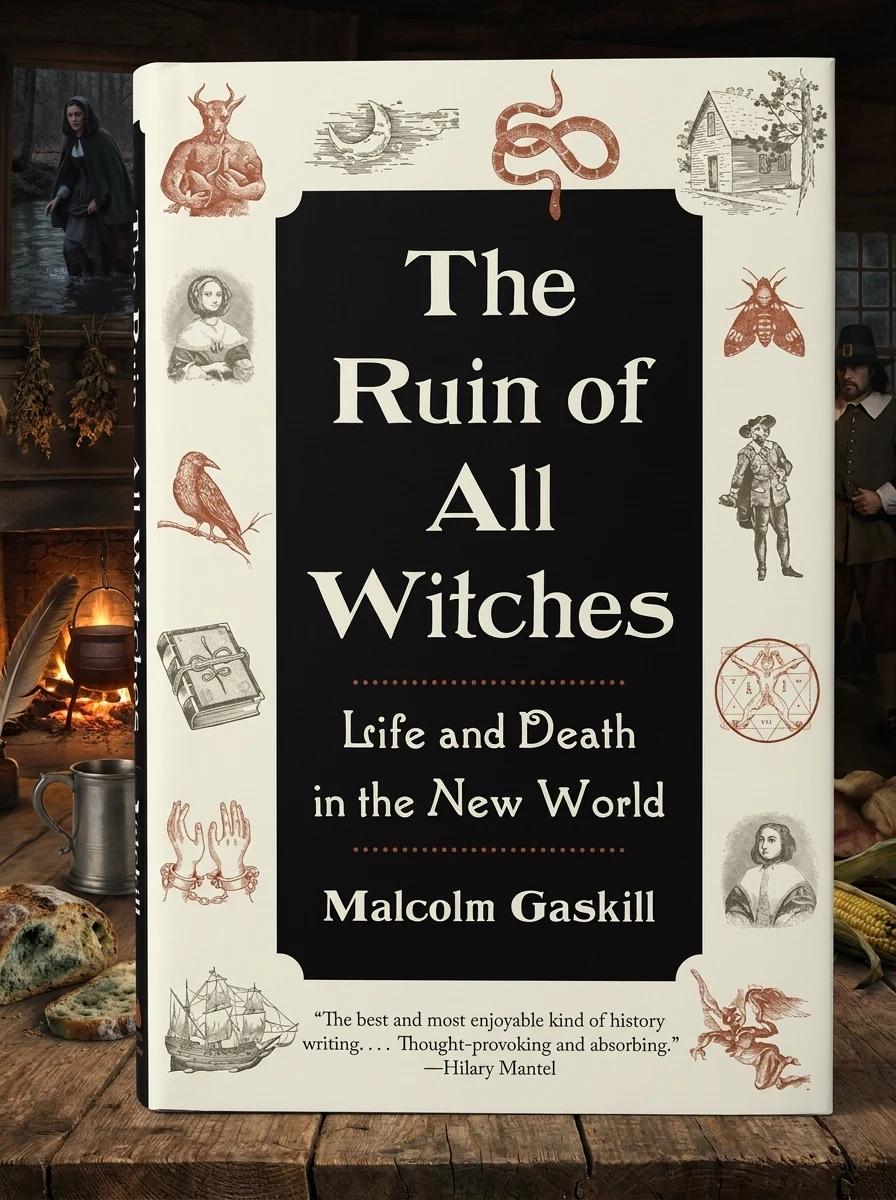
3. The Ruin of All Witches: Life and Death in the New World — Malcolm Gaskill
The Ruin of All Witches is a masterwork of colonial history that uses the trials as a lens to examine the anxieties, beliefs, and social fractures of early New England. Gaskill is a narrative historian—he writes with the precision of a scholar but the pacing of a true-crime writer. He doesn't just tell you what happened; he shows you the texture of Puritan life, the economic pressures, the religious fervor, and the gender dynamics that made Salem vulnerable to panic. This book is particularly valuable if you want to understand Salem not as an isolated event but as part of a larger pattern of witchcraft anxiety in the Atlantic world.
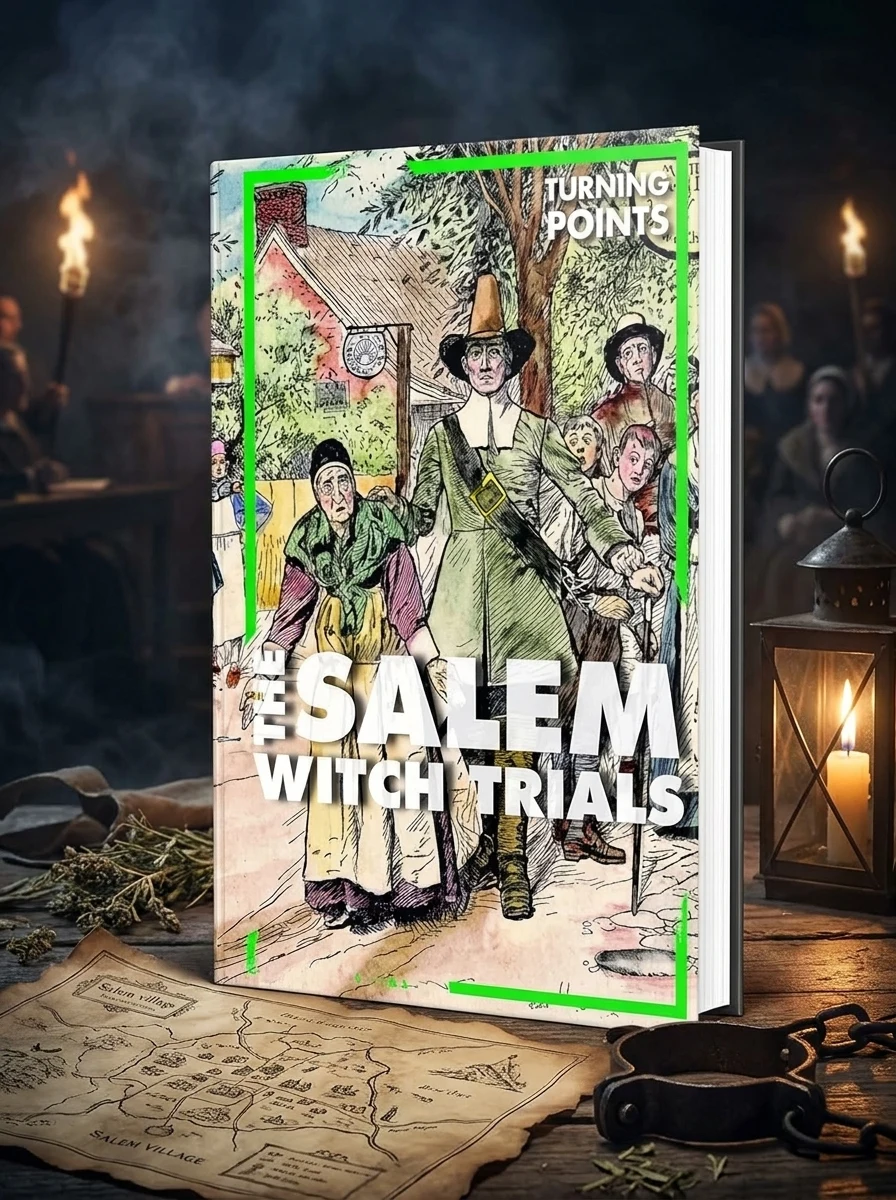
4. The Salem Witch Trials — Jennifer Lombardo
The Salem Witch Trials by Lombardo is more accessible than some scholarly works but doesn't sacrifice rigor. It's designed for readers new to the subject but curious enough to want real depth. Lombardo walks through the timeline clearly, explains the legal and religious context, and doesn't shy away from the horror of what happened. If you want a solid, readable introduction that respects your intelligence, this is it.
Scholarly Analysis: Understanding the Mechanisms of Persecution
These books step back from the narrative to ask bigger questions: Why did Salem happen? How did the legal system enable mass execution? What does Salem tell us about witchcraft persecution more broadly?
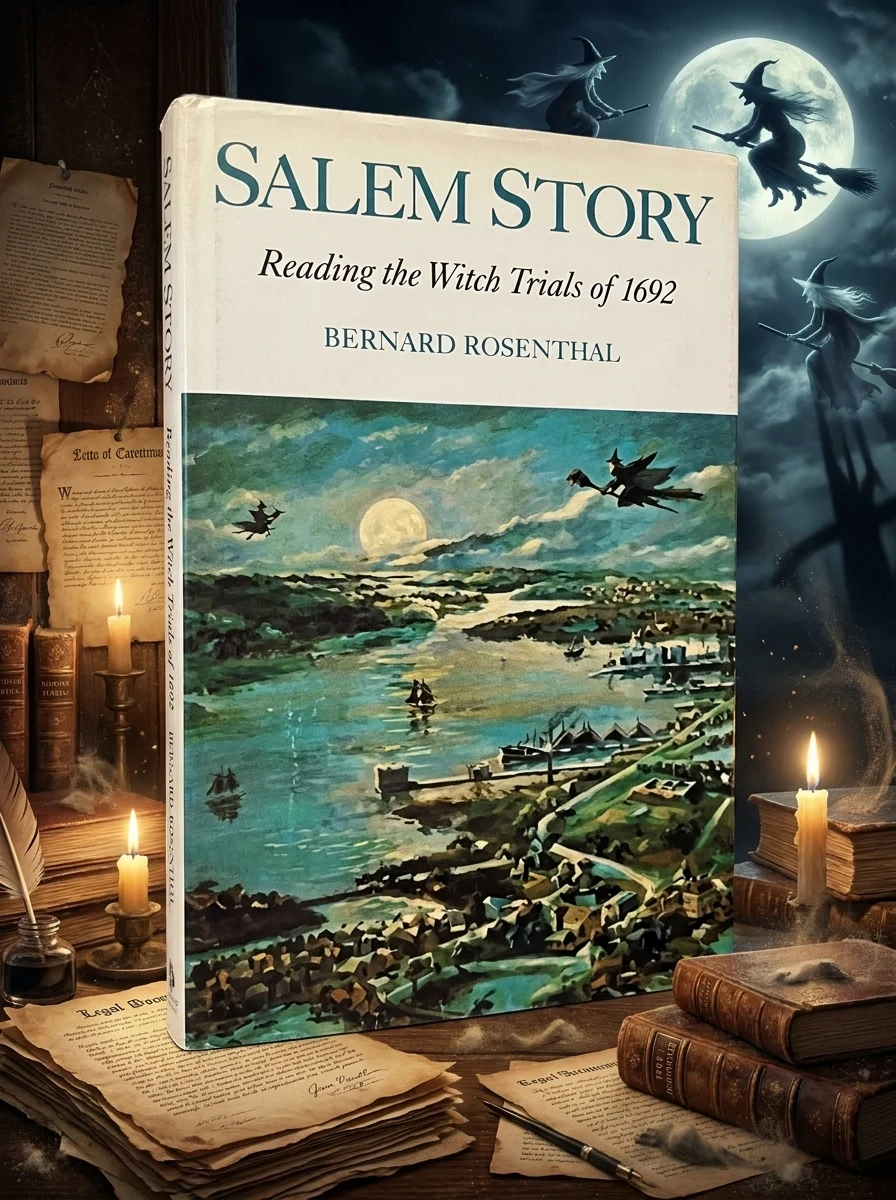
5. Salem Story: Reading the Witch Trials of 1692 (Revised) — Bernard Rosenthal
Salem Story is a work of historical interpretation that challenges many popular myths about the trials. Rosenthal argues that Salem was not simply mass hysteria but a complex social and legal event shaped by real conflicts, property disputes, and the anxieties of a community in transition. He reads the trials as a text—examining what the accusations reveal about Puritan society, gender relations, and the meaning of "witchcraft" in 1692. This book is for readers who want to think critically about how we interpret history.
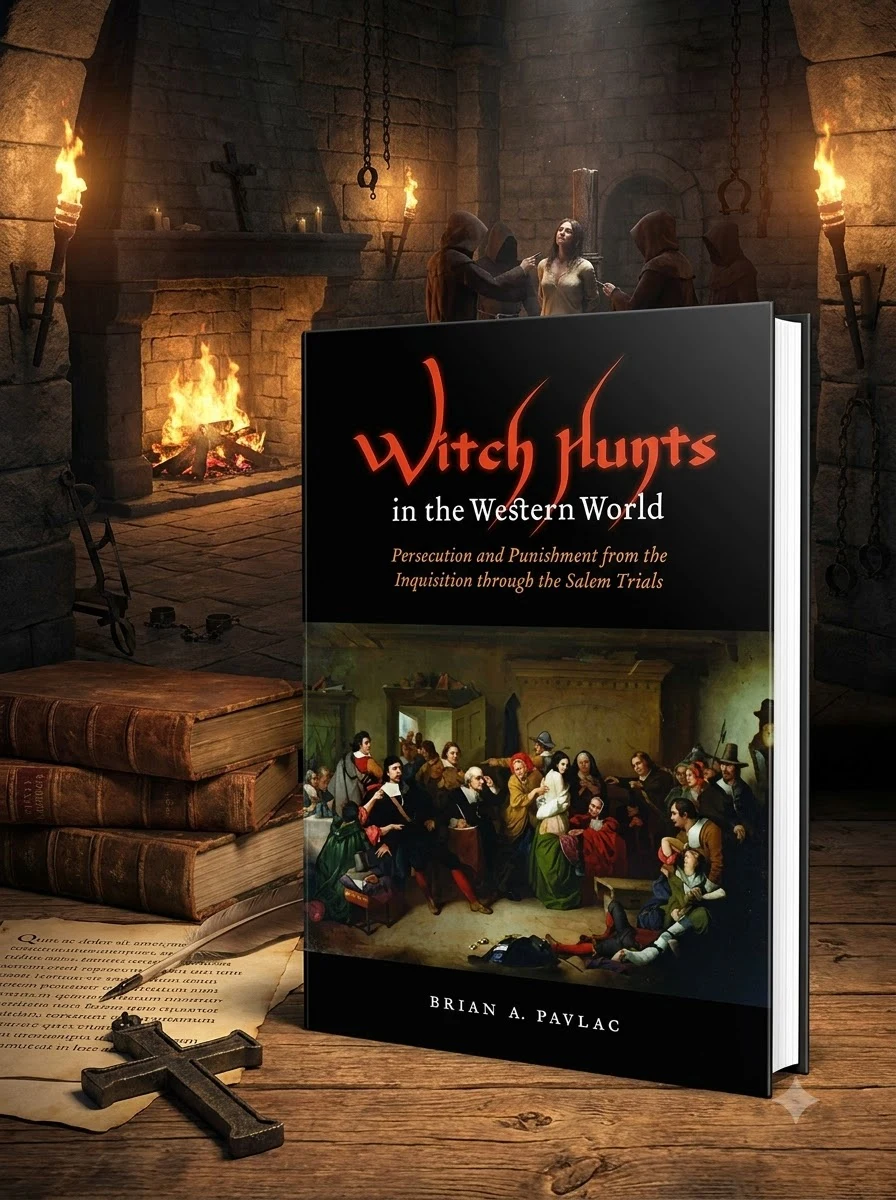
6. Witch Hunts in the Western World: Persecution and Punishment from the Inquisition Through the Salem Trials — Brian A. Pavlac
Witch Hunts in the Western World places Salem in its proper context: as one chapter in a much longer, much deadlier history of witchcraft persecution. Pavlac traces the hunts from medieval Europe through the Inquisition, the German territories, and finally to New England. This perspective is crucial because it shows that Salem, while horrific, was not unique—and understanding the broader pattern of persecution helps us see what made Salem possible. This book is under $20 and offers exceptional value for understanding the systemic roots of witch trials.
7. A Fever in Salem: A New Interpretation of the New England Witch Trials — Laurie Winn Carlson
A Fever in Salem proposes a medical explanation for some of the accusers' symptoms—specifically, ergot poisoning from contaminated grain, which can cause convulsions, hallucinations, and the sensation of insects crawling on the skin. Carlson doesn't claim this explains everything, but she argues it helps account for the physical symptoms the girls exhibited. Whether or not you find this theory fully convincing, the book is valuable for showing how historians now integrate multiple disciplines (medicine, botany, psychology) to understand the past. It's also one of the more affordable options.
Witchcraft Persecution in Broader Context
To truly understand Salem, you need to know what "witchcraft" meant in the early modern world and how persecution worked across different regions and time periods.
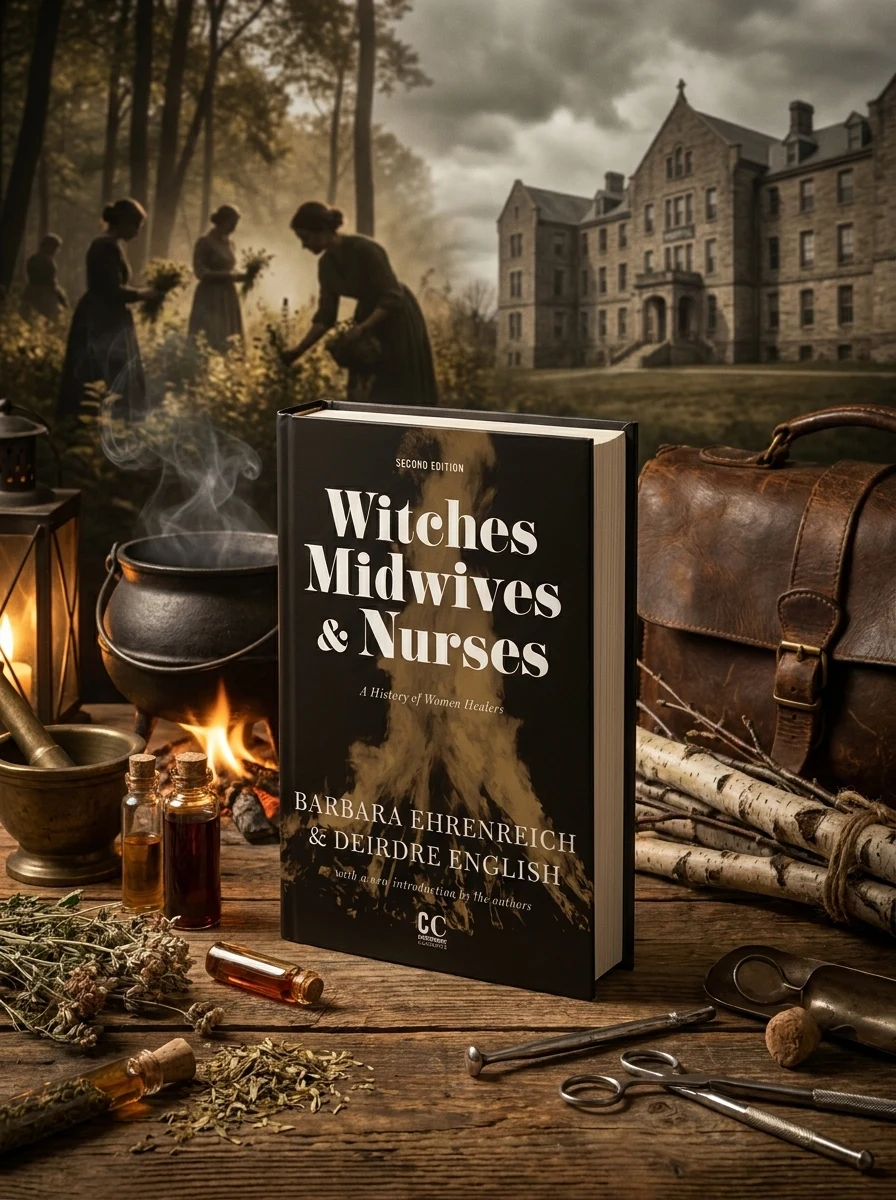
8. Witches, Midwives, & Nurses (Second Edition): A History of Women Healers — Barbara Ehrenreich
Witches, Midwives, & Nurses is a feminist history that examines how women healers—midwives, herbalists, and folk practitioners—became targets of persecution. The book argues that the witch hunts were partly a mechanism for eliminating women's medical authority and replacing it with male-dominated professional medicine. This context is essential for understanding why so many of the accused at Salem were older women, often healers or midwives. Ehrenreich's analysis connects Salem to a much larger pattern of gender-based violence disguised as religious concern.
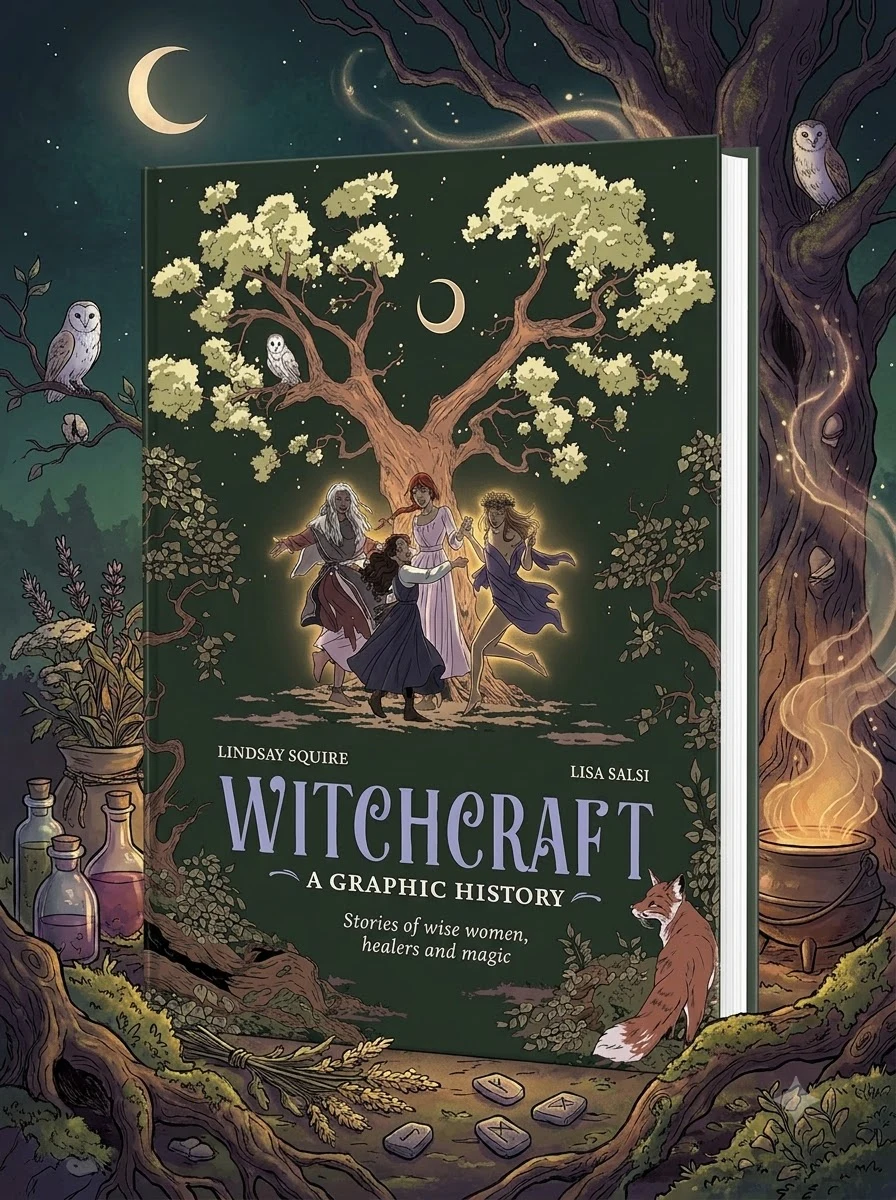
9. Witchcraft: A Graphic History: Stories of Wise Women, Healers and Magic — Lindsay Squire
Witchcraft: A Graphic History tells the story of witchcraft persecution through illustrated narratives. It covers the European hunts, the colonial trials, and the lives of women accused of witchcraft across centuries and continents. The graphic format makes it accessible without being simplistic—Squire's research is solid, and the visual storytelling brings these histories to life in a way that text alone sometimes cannot. This is particularly valuable if you're a visual learner or want to introduce someone else to witchcraft history.
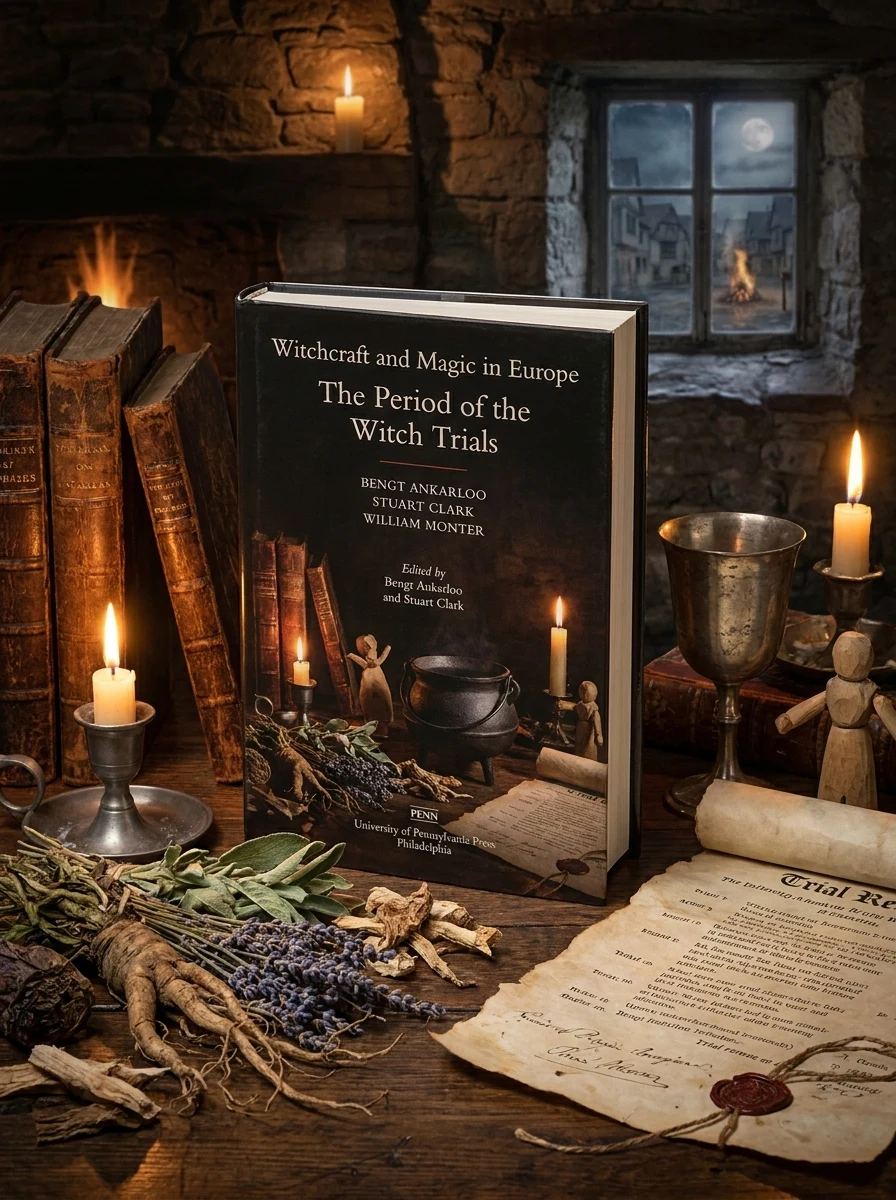
10. Witchcraft and Magic in Europe, Volume 4: The Period of the Witch Trials — Bengt Ankarloo
Witchcraft and Magic in Europe, Volume 4 is a scholarly collection that examines the witch trials across different European regions and time periods. It's more academic than some of the other books on this list, but it's essential if you want to understand the intellectual, legal, and religious frameworks that made witch hunts possible. This book shows that the trials were not random outbursts of superstition but systematic persecutions enabled by specific legal doctrines, theological beliefs, and social anxieties.
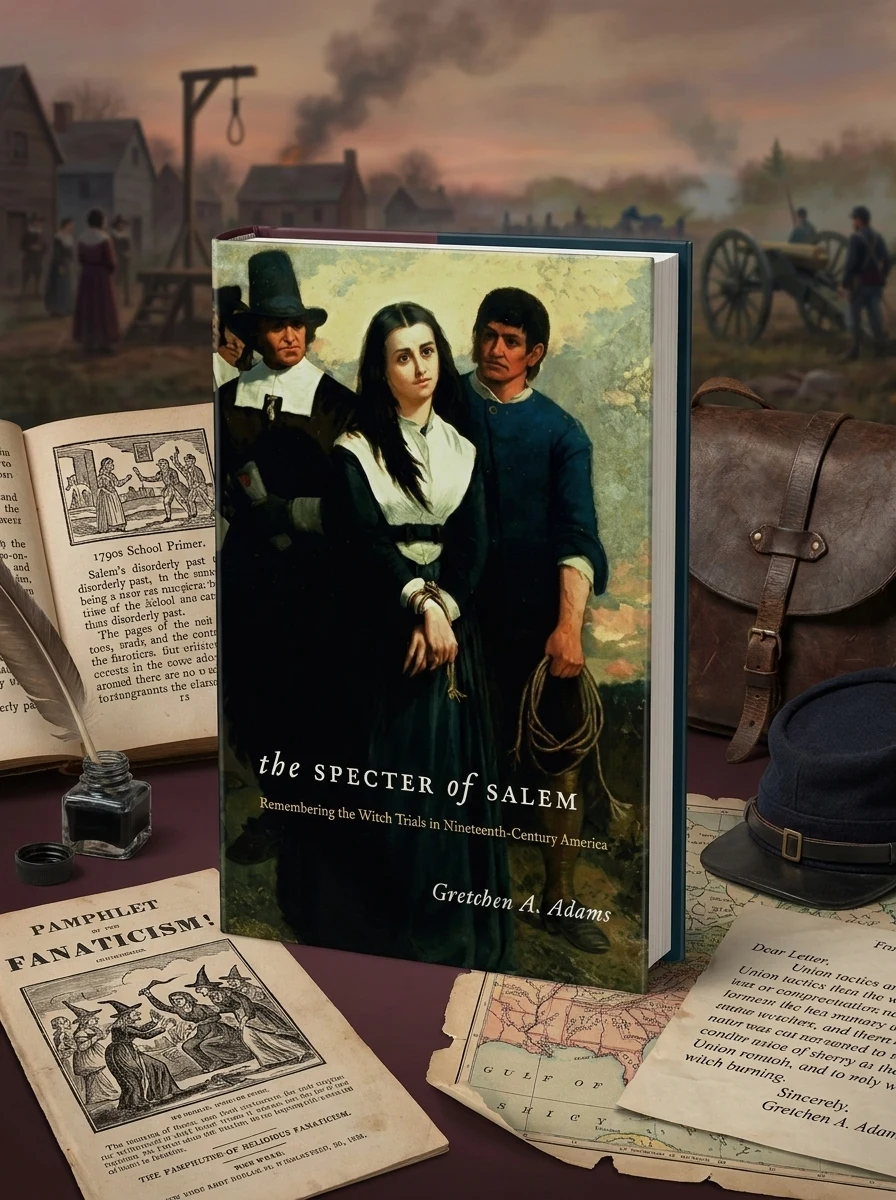
11. The Specter of Salem: Remembering the Witch Trials in Nineteenth-Century America — Gretchen A. Adams
The Specter of Salem takes a different approach: it examines how Americans in the 1800s remembered, reinterpreted, and used the Salem trials. Adams shows how the trials became a symbol—sometimes of American progress (we're not like that anymore), sometimes of the dangers of religious extremism, sometimes of the persecution of the innocent. Understanding how Salem has been remembered and mythologized is crucial for separating historical fact from cultural legend. This book is particularly valuable if you're interested in how history gets constructed and reconstructed over time.
How to Choose Your Starting Point
If you're completely new to the subject, start with The Ruin of All Witches or The Salem Witch Trials by Lombardo. Both are readable, rigorous, and give you the full picture without overwhelming you.
If you want to hear the historical voices directly, go to Documents of the Salem Witch Trials. It's dense, but it's the primary source—nothing stands between you and the actual record.
If you want to understand Salem as part of a larger pattern of persecution, read Witch Hunts in the Western World or Witches, Midwives, & Nurses. These books show that Salem was not an anomaly but part of a centuries-long pattern of targeting women, healers, and the vulnerable.
If you want to challenge popular myths and think critically about how we interpret history, read Salem Story or The Specter of Salem. Both ask you to question what you think you know.
The best approach is to read across these categories. Start with narrative history to get the human story, then move to primary documents to hear the voices directly, then read the scholarly analysis to understand the larger forces at work. This progression will give you a complete, nuanced understanding of why Salem happened and what it reveals about fear, belief, and community in crisis.