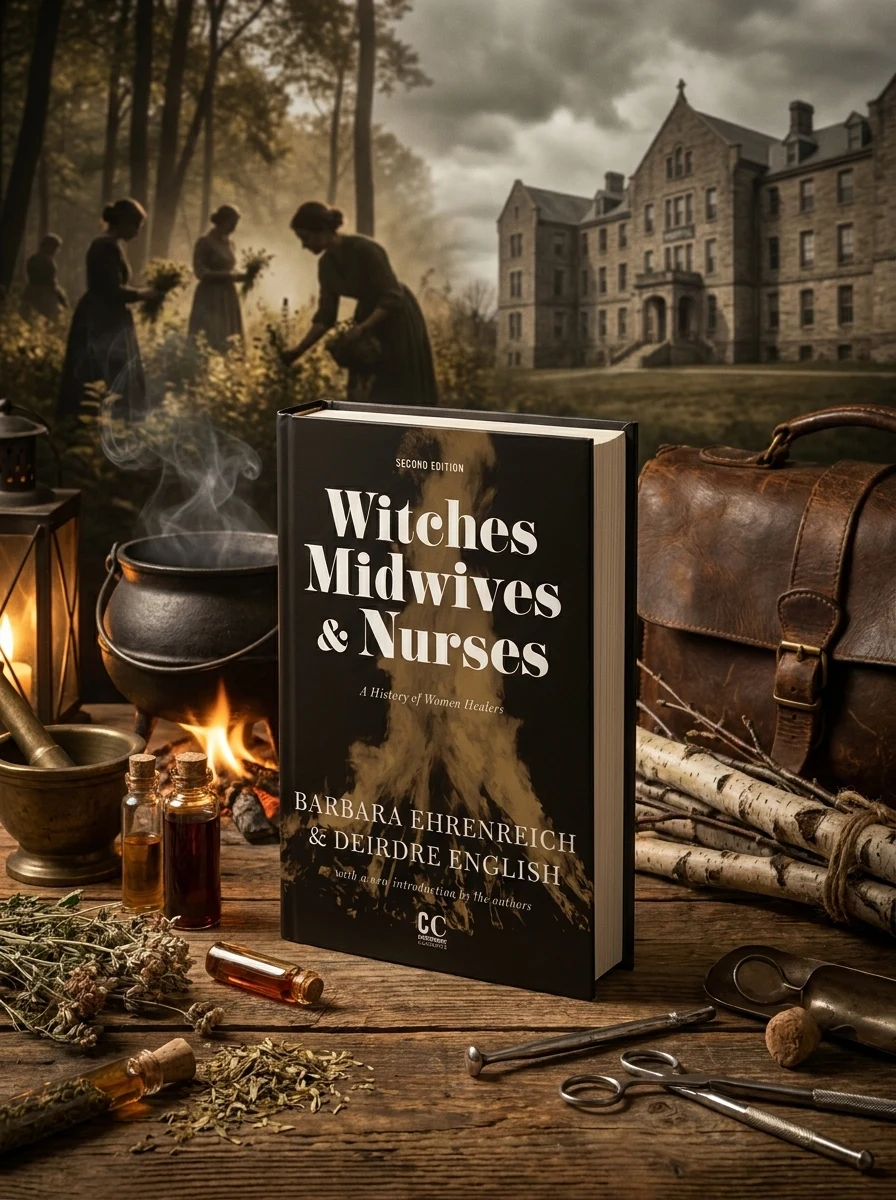
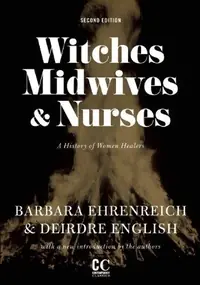
Witches, Midwives, & Nurses (Second Edition): A History of Women Healers
Stock reported in the catalog; fulfillment is confirmed with your request.
Uncover the forgotten history of women healers and the systems designed to silence them.
This seminal work exposes how traditional women's healing practices were systematically undermined, paving the way for patriarchal control and the commercialization of medicine. Ehrenreich and English meticulously trace the historical suppression of midwives and herbalists, linking it to the infamous witch hunts. The updated edition further explores contemporary views on birthing, holistic health, and the enduring figure of the witch, revealing how these ancient power struggles continue to shape our healthcare landscape and societal perceptions today.
This text sits at the intersection of feminist historiography and social justice literature, reclaiming the narrative of women's medical contributions often erased by patriarchal historical records.


📝 Description: Witches, Midwives, & Nurses (Second Edition): A History of Women Healers
💎 Expert review
📖 Why choose it
Why this book is worth reading
Readers passionate about gender politics, the history of medicine, and social justice will find profound value in this essential corrective to mainstream historical narratives. This book empowers those seeking to understand the roots of modern healthcare disparities by illuminating how women’s traditional healing roles were systematically dismantled. It is particularly beneficial for activists, historians, and anyone interested in the evolution of birthing practices or holistic health movements. By tracing the link between the suppression of midwives and the witch hunts, it offers a powerful lens through which to view contemporary debates on bodily autonomy and medical authority, making it a vital resource for understanding the enduring impact of these historical power struggles on today’s societal perceptions.
⭐ Reader reviews
Reader rating
Ehrenreich delivers a compelling exposé that is rigorously researched yet accessible. However, readers seeking light entertainment or simple biographical anecdotes may find the dense sociological analysis tedious. Those uncomfortable with critical feminist theory or who prefer traditional medical histories without political critique might feel alienated by the book’s strong stance on patriarchal control. It is not for those wishing to avoid challenging established historical narratives or engaging with the uncomfortable realities of systemic oppression in healthcare. While intellectually stimulating, it requires a willingness to confront difficult truths about the commercialization and marginalization of women’s labor in medicine.
❓ Frequently asked questions
📖 Who should read this
If you're captivated by the intersections of medical history, feminist theory, and the enduring power of the 'witch' archetype, this book is for you. Delve into the political and economic forces that shaped our understanding of health and healing.
🎯 Key themes and symbolism
Suppression of Women's Healing
The book meticulously details how emerging capitalism and patriarchal norms actively worked to discredit and dismantle women's traditional healing authority. It reveals the deliberate campaign to replace community-based, female-led medicine with a male-dominated, institutionalized system, often through fear-mongering and persecution, echoing the witch trials.
Patriarchy and Medical Control
This work illuminates how the rise of modern medicine was intertwined with efforts to consolidate power and profit within a male-dominated establishment. It argues that the historical marginalization of women healers was not accidental but a strategic move to secure economic and social control over health practices, benefiting specific groups.
Modern Relevance of Witchcraft
Beyond historical analysis, the updated edition explores the contemporary resurgence of interest in witchcraft, alternative medicine, and changing attitudes toward childbirth. It connects these modern phenomena back to the foundational power struggles, showing how historical subjugation continues to influence current debates and perceptions about health and female autonomy.
💬 Quotes from the book
“The demonization of the 'witch' was never merely superstition; it was a calculated assault on women's autonomy, particularly their knowledge of the body and its remedies, to pave the way for a new order.”
“Even in our modern age, the echoes of this ancient struggle persist, as debates around alternative medicine and reproductive rights reveal the enduring battle over who controls healing power and knowledge.”
📜 Historical context
📚 Glossary
- Delegitimization
- Patriarchy
- Witch Hunts
📔 Questions to reflect on
- How have historical perceptions of 'witches' influenced current societal views on women's power and healing practices?
- Consider a contemporary health issue. How might the historical delegitimization of women healers shed light on its current challenges or inequities?
- Reflect on your own experiences with the medical system. Do you see any lingering influences of the patriarchal and capitalist structures discussed in this book?
You might also like
See more →



 91
91