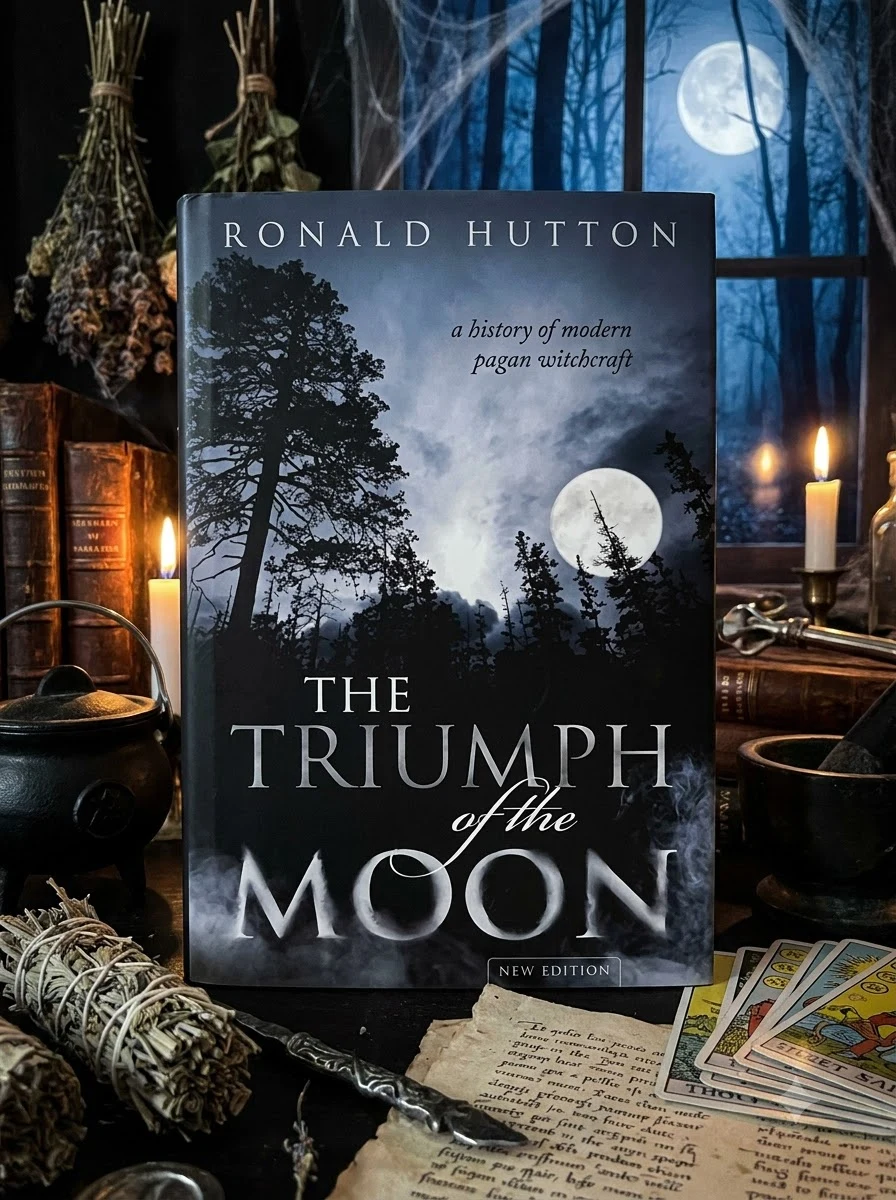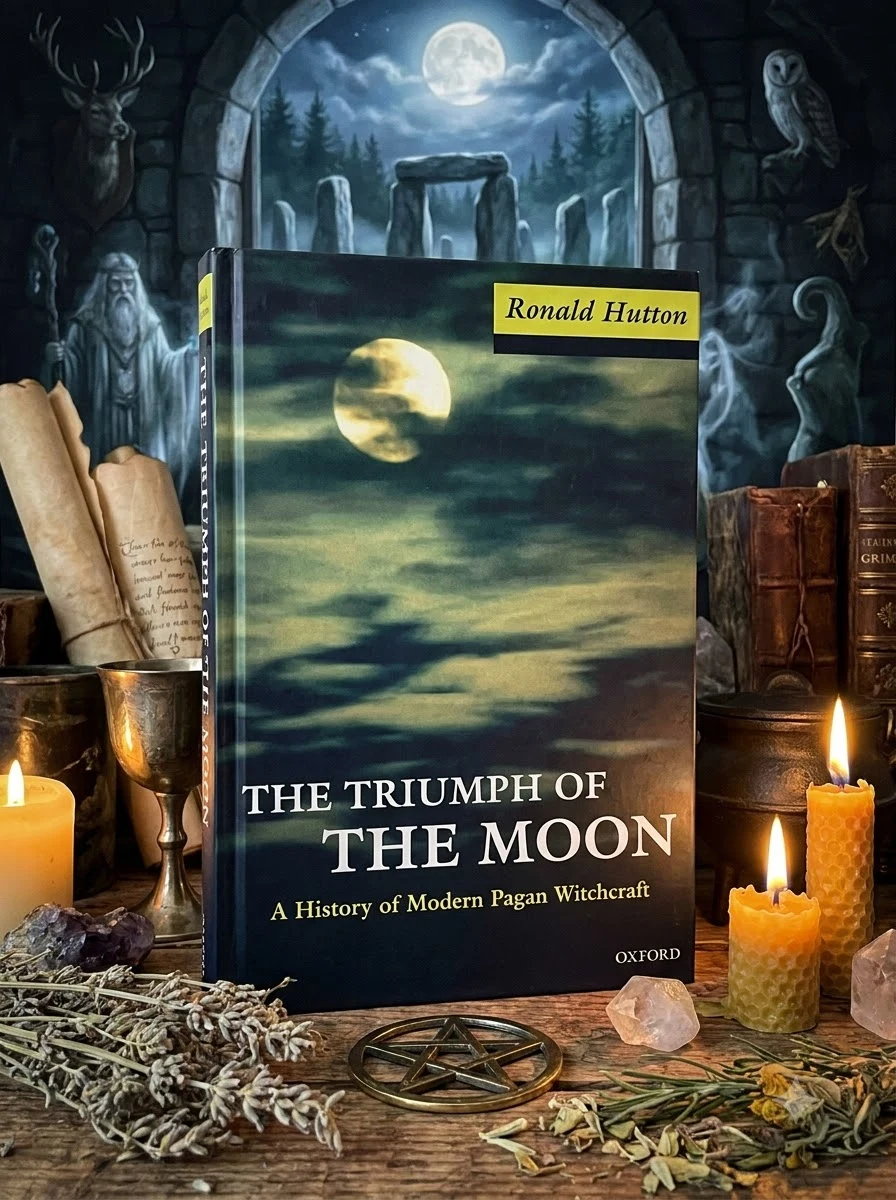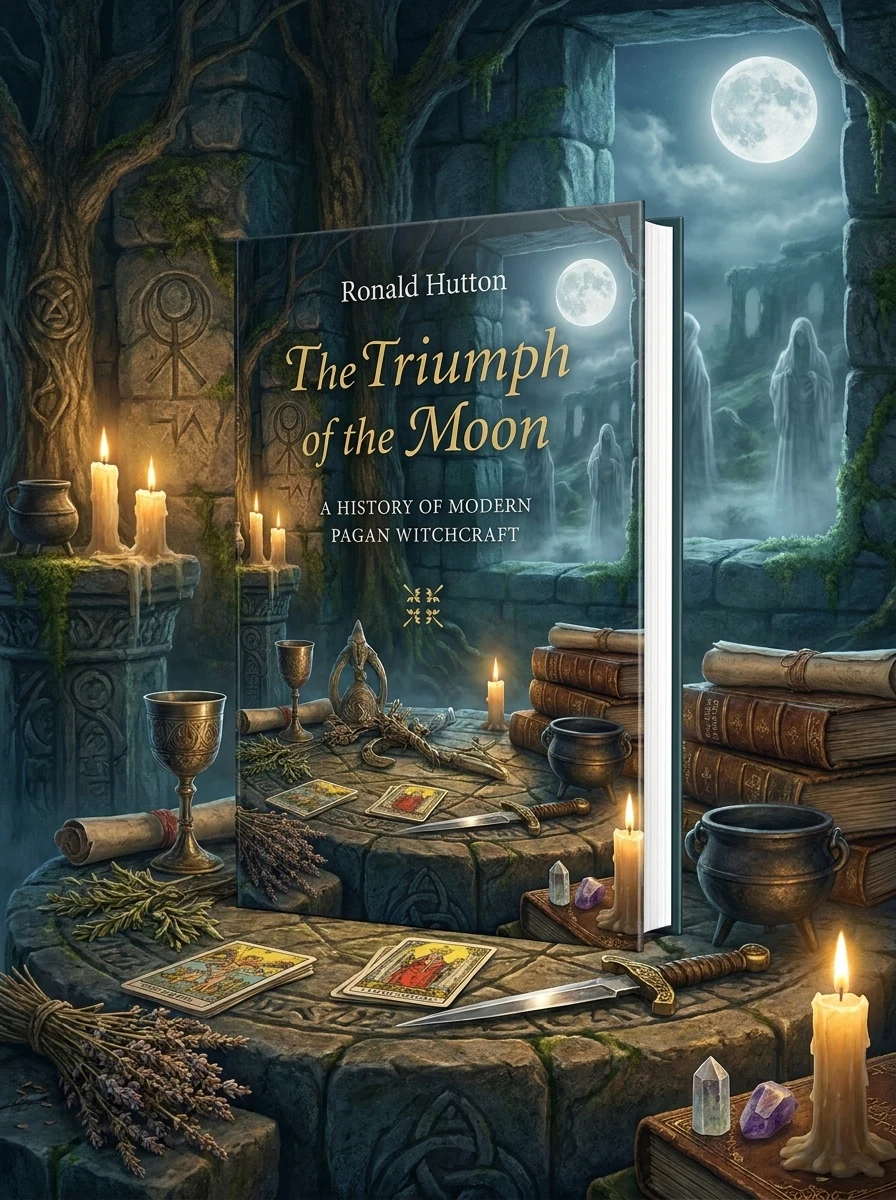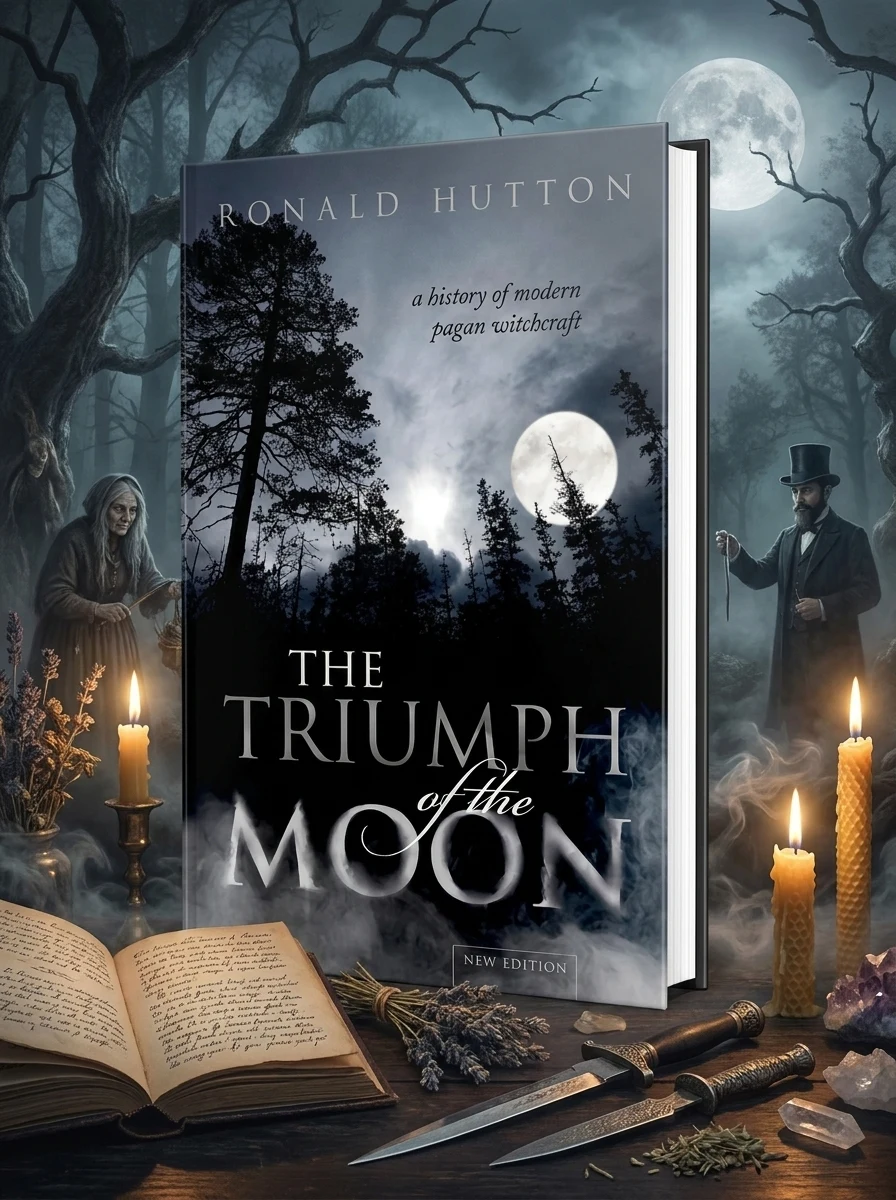
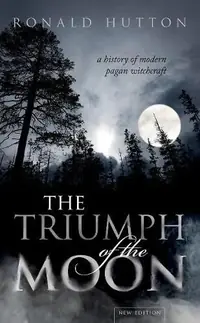
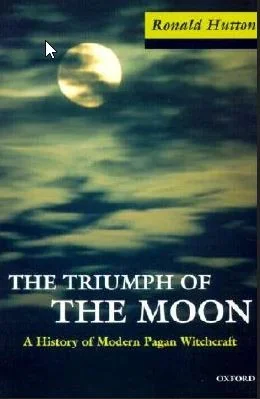
The Triumph of the Moon: A History of Modern Pagan Witchcraft
Hutton, RonaldStock reported in the catalog; fulfillment is confirmed with your request.
Unearth the true origins of modern witchcraft, born from Britain's esoteric undercurrents.
Ronald Hutton's definitive work meticulously charts the emergence and evolution of modern pagan witchcraft, a faith that began in England and now spans continents. This extensively revised scholarly study delves into the historical attitudes towards magic and paganism in British society from 1800 onwards. It uncovers the diverse tapestry of influences, from cunning folk and Victorian occultists to literary giants and media portrayals, all contributing to witchcraft's public perception. Hutton masterfully separates genuine historical development from sensationalized myths, offering an unparalleled, evidence-based account.
This scholarly work anchors itself in the historical analysis of British society's esoteric undercurrents, tracing the development of modern pagan witchcraft from its Victorian origins to its global spread. It serves as a critical bridge between academic historiography and contemporary occult studies.


📝 Description: The Triumph of the Moon: A History of Modern Pagan Witchcraft
💎 Expert review
📖 Why choose it
Why this book is worth reading
Scholars, historians of religion, and serious practitioners will find immense value in this meticulously researched text. It offers an unparalleled, evidence-based account that separates genuine historical development from sensationalized myths surrounding modern witchcraft. By uncovering the diverse tapestry of influences—from cunning folk to literary giants—it provides essential context for understanding how a faith born in England evolved into a global phenomenon. This book is indispensable for anyone seeking to replace popular legend with rigorous academic truth regarding the esoteric roots of contemporary Paganism.
⭐ Reader reviews
Reader rating
Hutton delivers a definitive, extensively revised study that is both rigorous and accessible to those willing to engage with dense historical analysis. It is not suitable for readers seeking practical spellcasting guides or romanticized narratives of magical heritage. Instead, it demands attention to the complex interplay between Victorian occultists, media portrayals, and societal attitudes toward magic. While some may find its academic tone dry, its clarity in debunking myths makes it a vital resource. It is best appreciated by those who prioritize factual accuracy and historical depth over mystical storytelling or personal spiritual guidance.
❓ Frequently asked questions
📖 Who should read this
If you're fascinated by the hidden histories of magic, curious about the genuine roots of modern paganism, or simply enjoy a meticulously researched debunking of popular myths, this book is essential. It's for those who seek truth beyond the sensational.
🎯 Key themes and symbolism
British Witchcraft's Genesis
This book posits that modern pagan witchcraft is perhaps Britain's sole original religious contribution to the world, detailing its fascinating birth and subsequent spread. It traces the complex lineage of traditions and beliefs that converged to form this unique spiritual path, highlighting how deeply rooted it is within specific British cultural and historical contexts since the 19th century.
Eclectic Historical Currents
Hutton reveals the surprising breadth of figures and movements that unknowingly or knowingly shaped modern witchcraft. From obscure rural practitioners to prominent Masonic lodges, influential classicists, and even literary figures like Yeats and Graves, the narrative weaves through a rich tapestry of social and intellectual history, showing how seemingly disparate elements converged to forge a new spiritual identity.
Myth vs. Reality in Magic
A cornerstone of this academic endeavor is its rigorous commitment to distinguishing historical fact from popular fantasy. The book scrutinizes sensational media depictions, tabloid narratives, and even fictional works that have shaped public understanding of witchcraft. It meticulously unpacks these layers to present an authentic, evidence-based history, challenging many prevalent misconceptions.
💬 Quotes from the book
“The true origins of modern witchcraft are not found in ancient unbroken lineages, but in the vibrant, often surprising, intellectual and social currents of 19th and 20th-century Britain.”
“To truly comprehend the phenomenon of contemporary pagan witchcraft, one must navigate the intricate pathways from village healer to Romantic poet, from occult lodge to media sensation, discerning fact from the seductive allure of fantasy.”
📜 Historical context
📚 Glossary
- Paganism
- Wicca
- Cunning Folk
📔 Questions to reflect on
- Before reading, what are your preconceived notions about the origins of modern witchcraft? How might a scholarly history challenge or confirm these?
- Consider how media portrayals (films, literature, news) have shaped your understanding of witchcraft. How might Hutton's distinction between 'fact and fantasy' reshape your perspective?
- If modern pagan witchcraft is England's only 'fully-formed religion' contribution, what does that imply about the nation's spiritual landscape and its relationship to tradition and innovation?
✍️ More books by this author Hutton, Ronald
All books by this author →
🏛 Books from this publisher Oxford University Press
All books from this publisher →
 81
81
You might also like
See more →