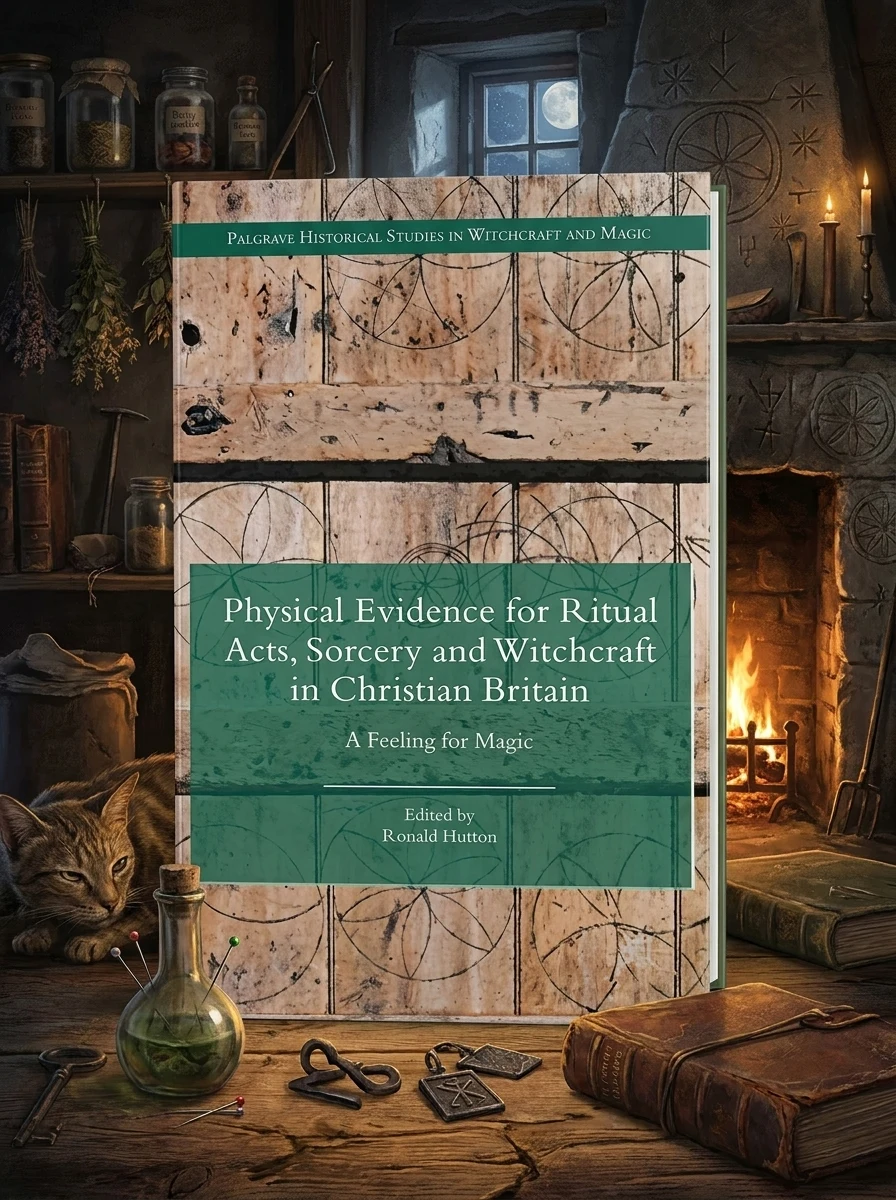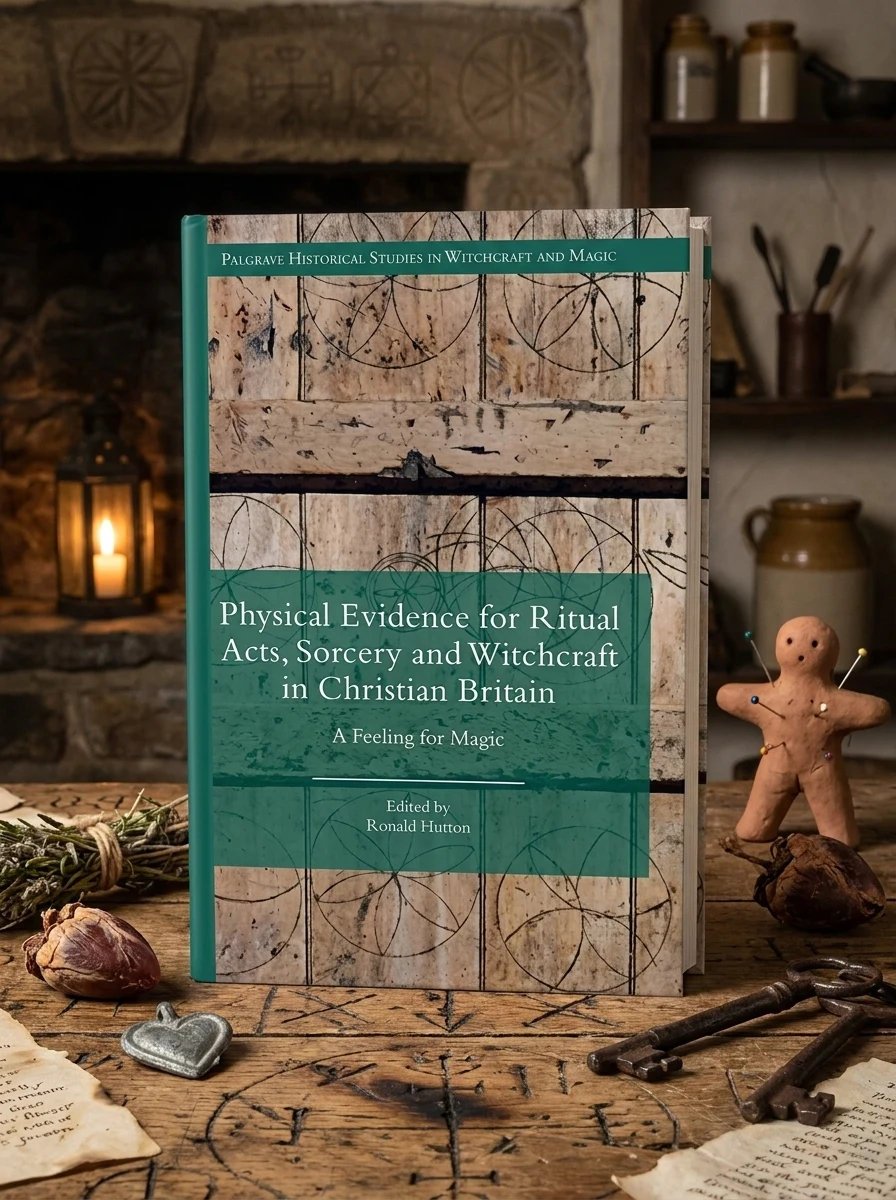
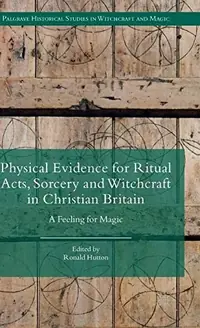
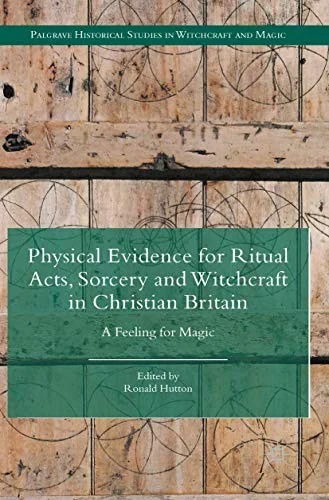
Physical Evidence for Ritual Acts, Sorcery and Witchcraft in Christian Britain: A Feeling for Magic (2016) Hutton, Ronald
Hutton, Ronald 89
89
 Editorial score
How we rate
Editorial score
How we rate
Stock reported in the catalog; fulfillment is confirmed with your request.
Unearth the tangible enchantments woven into Britain's Christian past.
This compelling collection delves into the physical remnants of magical practices across medieval and modern Christian Britain. Moving beyond textual accounts, it meticulously examines archaeological and material evidence, including ritualistic markings, hidden objects within structures, protective amulets, and specialized magical equipment. Authored by leading experts in their respective fields, the volume collectively demonstrates the sheer abundance of such physical proof, underscoring its critical role in enriching our comprehension of historical beliefs and daily life. It offers a unique lens through which to perceive the enduring presence of sorcery and witchcraft.
This volume sits at the intersection of historical archaeology and the study of Christian Britain's esoteric traditions, bridging the gap between textual history and material culture in the context of medieval and modern sorcery.


📝 Description: Physical Evidence for Ritual Acts, Sorcery and Witchcraft in Christian Britain: A Feeling for Magic (2016) Hutton, Ronald
💎 Expert review
📖 Why choose it
Why this book is worth reading
Scholars and enthusiasts of material culture will find profound value in this rigorous examination of the tangible remnants of magic. By shifting focus from written texts to physical artifacts, the book reveals how ritual acts were embedded in the very fabric of daily life across Christian Britain. Readers interested in the archaeology of belief, the anthropology of witchcraft, or the hidden histories of protective amulets and structural markings will appreciate this evidence-based approach. It provides a crucial corrective to purely literary analyses, offering a grounded, artifact-rich perspective on how enchantment was physically enacted and perceived by historical communities.
⭐ Reader reviews
Reader rating
This scholarly compilation offers a dense, evidence-heavy exploration of magical practices through archaeological findings rather than narrative storytelling. While it successfully illuminates the abundance of physical proof for sorcery in Christian Britain, its academic tone and specialized focus may alienate casual readers seeking accessible history or fictionalized accounts of witchcraft. It is strictly for those comfortable with technical archaeological terminology and historical analysis. Those expecting a dramatic retelling of witch trials or folklore will likely find this dry and overly analytical, as it prioritizes material data over engaging narrative flow.
❓ Frequently asked questions
📖 Who should read this
If you are captivated by the hidden histories of belief, the physical remnants of forgotten rituals, or the profound interplay of faith and folk magic, this collection offers unparalleled insights into Britain's magical past. Essential for historians, archaeologists, and anyone curious about the tangible side of esotericism.
🎯 Key themes and symbolism
Material Culture of Magic
Explore how magic wasn't just an abstract belief but manifested through concrete objects and actions. This book showcases the physical artifacts—from protective symbols etched into timbers to charms secreted away in homes—that offer undeniable proof of magical intent and practice. It emphasizes the importance of these tangible items in understanding historical magical traditions.
Historical Presence of Sorcery
Uncover the persistent thread of sorcery and witchcraft woven into the fabric of British society, spanning from the medieval period right up to modern times, even within a Christian framework. The book challenges assumptions by revealing how widespread and deeply ingrained magical acts were, not just as isolated incidents but as an integral part of everyday life and belief systems.
Expert Archaeological Interpretation
Benefit from the collective wisdom of specialists in various fields, each contributing their unique perspective on identifying and interpreting physical evidence. This multidisciplinary approach allows for a richer, more nuanced understanding of ritual marks, concealed objects, and other artifacts, ensuring a comprehensive and authoritative exploration of magic's material legacy.
💬 Quotes from the book
“The very walls of our ancient homes whisper tales of warding and desire, etched in marks unseen by casual glance, yet potent in their original intent.”
“Understanding these forgotten objects requires more than academic rigor; it demands an empathetic journey into the spiritual landscape of our ancestors, to truly grasp their power.”
📜 Historical context
📚 Glossary
- Ritual Marks
- Concealed Objects
- Amulets
📔 Questions to reflect on
- Reflect on a modern-day equivalent of a 'concealed object' or 'amulet' in your own life or culture. What purpose does it serve, and how does its meaning compare to historical magical items?
- Considering the evidence presented, how might the widespread, tangible presence of magic in past societies have shaped community beliefs, fears, and social structures differently than we perceive today?
- If you were to leave a 'ritual mark' or 'concealed object' in your home today for protection or good fortune, what would it be, and why would you choose it?
📖 From the series “Palgrave Historical Studies in Witchcraft and Magic”
All books in the series →
✍️ More books by this author Hutton, Ronald
All books by this author →
🏛 Books from this publisher Palgrave MacMillan
All books from this publisher →
You might also like
See more →