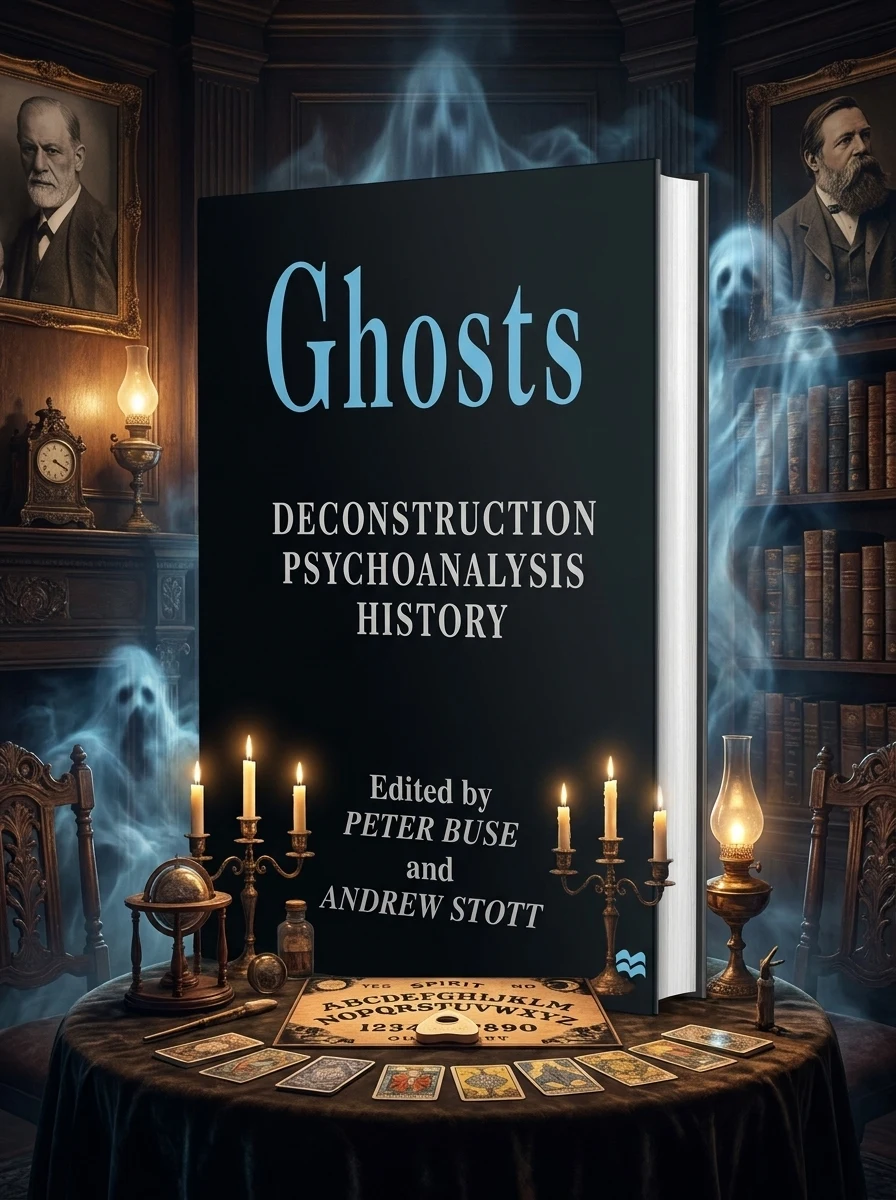
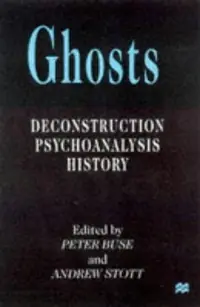
Ghosts: Deconstruction, Psychoanalysis, History (1999) Buse, P
Buse, P; , Stott, A 84
84
 Editorial score
How we rate
Editorial score
How we rate
Stock reported in the catalog; fulfillment is confirmed with your request.
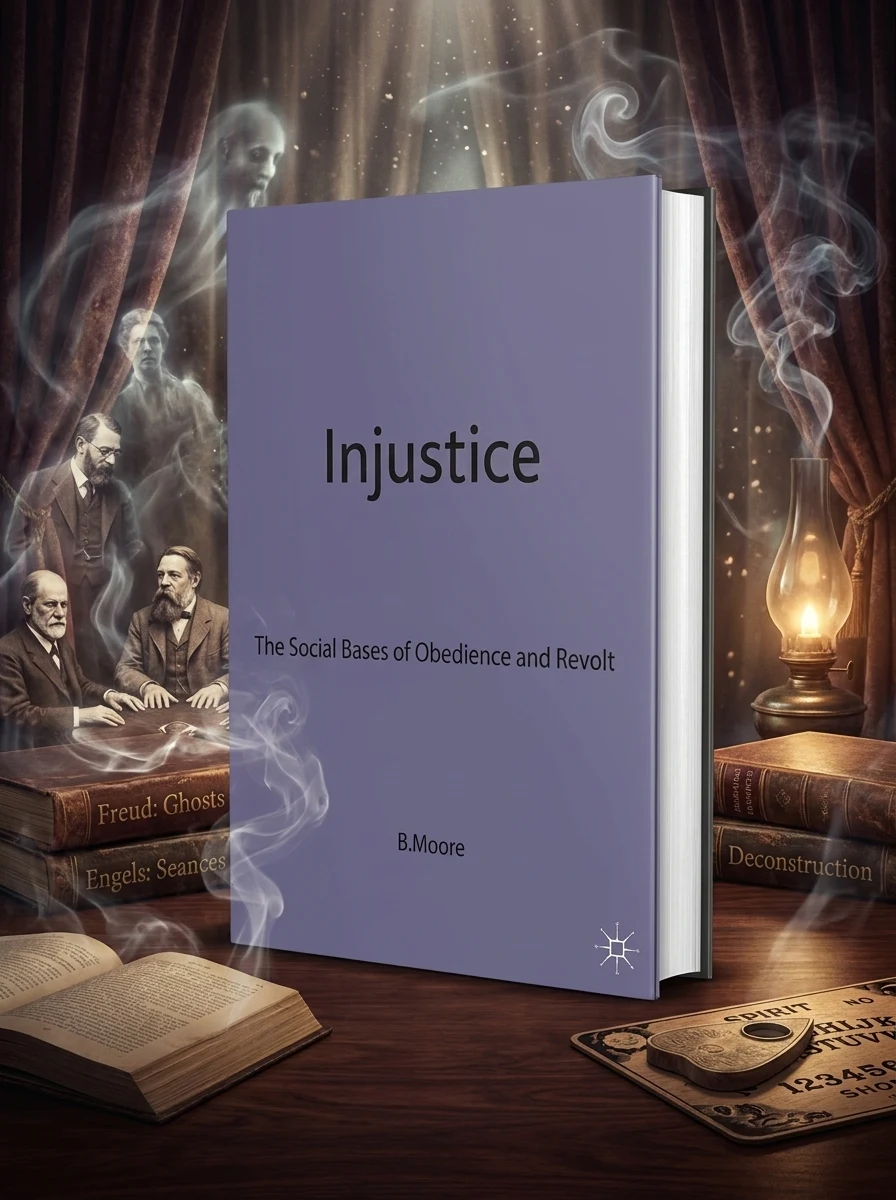
Unearth the spectral intersections of deconstruction, psychoanalysis, and history.
This compelling collection delves into the theoretical underpinnings of the spectral, moving beyond simple ghost stories to explore how the concept of 'ghosts' permeates critical thought. It evaluates the surprising connections between historical figures like Freud and Engels and their engagement with the supernatural, offering a profound re-examination of spectrality within literary criticism, semiotics, and sociological discourse. Prepare for an intellectual journey that unmasks the hidden influences of the uncanny on our understanding of culture and consciousness, challenging conventional perceptions of the unseen.
This work emerges from late twentieth-century critical theory, specifically engaging with the post-structuralist turn where spectrality became a key metaphor for understanding history and identity. It sits at the intersection of literary criticism, sociology, and continental philosophy during the period when deconstruction heavily influenced cultural analysis.


📝 Description: Ghosts: Deconstruction, Psychoanalysis, History (1999) Buse, P
💎 Expert review
📖 Why choose it
Why this book is worth reading
This book offers a rigorous intellectual journey for scholars and enthusiasts eager to understand how the concept of ghosts extends far beyond folklore into the very fabric of critical thought. It is ideal for readers interested in the theoretical underpinnings of spectrality, particularly those fascinated by the surprising connections between major historical figures like Freud and Engels and their engagement with the supernatural. By exploring these intersections within literary criticism, semiotics, and sociological discourse, it provides a profound re-examination of how the unseen influences our understanding of culture and consciousness. It challenges conventional perceptions, making it essential for anyone seeking to unearth the hidden intellectual structures that shape modern discourse on the uncanny.
⭐ Reader reviews
Reader rating
Buse and Stott deliver a dense, theoretical exploration that demands patience and a strong grasp of critical jargon. While it successfully unmasks the hidden influences of the uncanny on culture, its abstract nature may alienate casual readers or those seeking narrative ghost stories. This volume is not suited for individuals preferring accessible pop-psychology or traditional supernatural tales; it requires a willingness to engage with complex debates in deconstruction and psychoanalysis. However, for academics and serious students of cultural theory, it offers a compelling, necessary re-examination of spectrality that bridges historical materialism and literary criticism with impressive depth.
❓ Frequently asked questions
📖 Who should read this
If you are drawn to the philosophical depths of spectral theory, the intricate workings of psychoanalysis, or the critical deconstruction of cultural phenomena, this collection awaits. It's for those who seek intellectual rigor in exploring the unseen forces that shape our world.
🎯 Key themes and symbolism
Deconstructing Spectrality
The essays here meticulously dissect the notion of the 'ghost' not as a literal entity, but as a crucial theoretical tool. They explore how spectral presences reveal the inherent instability of meaning, the echoes of the past within the present, and the fundamental gaps in our understanding of history and identity, challenging fixed interpretations.
Psychoanalytic Uncanny
This volume re-examines the Freudian concept of the uncanny, linking it directly to the spectral. It investigates how the repressed, the familiar made strange, and the return of what was thought to be banished manifest as ghostly phenomena within the individual psyche and collective memory, influencing our deepest fears and fascinations with the unknown.
Historical Hauntings
Beyond personal psychology, the book traces the historical and social dimensions of spectral belief, highlighting how 'ghosts' embody unresolved historical traumas, forgotten narratives, and the unfinished business of social change. It considers how spectrality serves as a lens through which to understand societal anxieties and cultural shifts across different eras.
💬 Quotes from the book
“The spectral, far from being a mere phantom, operates as a haunting presence within the very structures of meaning, revealing the inherent instability and deferral at the heart of our attempts to define reality.”
“Freud's own ambivalence toward the supernatural, a tension between scientific rigor and an acknowledgment of the uncanny, underscores the enduring power of the spectral in shaping the human psyche and its historical narratives.”
📜 Historical context
📚 Glossary
- Deconstruction
- Psychoanalysis
- Spectrality
📔 Questions to reflect on
- How might the 'ghosts' of your own personal or cultural history continue to shape your present understanding of the world?
- Consider a societal 'ghost' or unresolved historical trauma. How does its spectral presence continue to influence contemporary politics or culture?
- In what ways do you encounter the 'uncanny' in your daily life, where the familiar suddenly becomes unsettling or strange?
📖 From the series “Deconstruction, Psychoanalysis, History”
All books in the series →
✍️ More books by this author Buse, P; , Stott, A
All books by this author →🏛 Books from this publisher Palgrave MacMillan
All books from this publisher →
You might also like
See more →