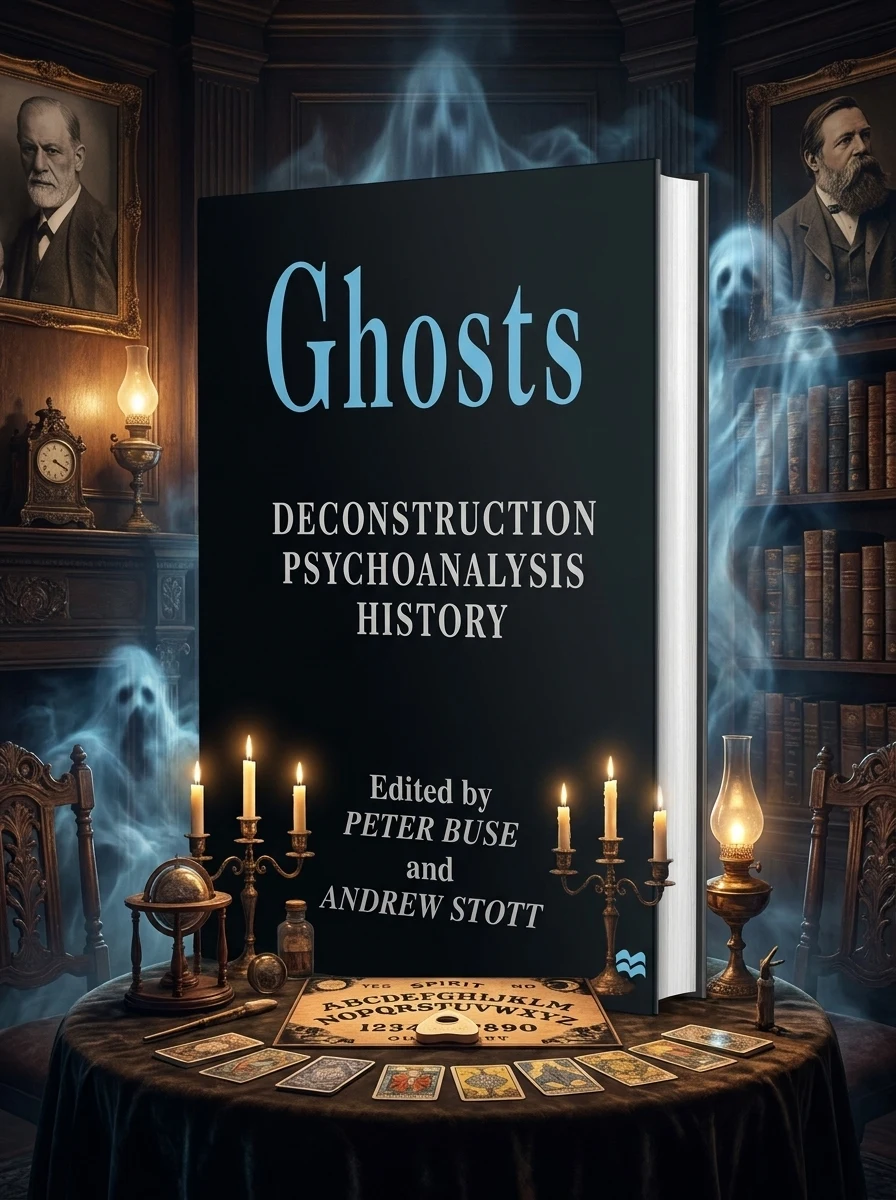
Ghosts: Deconstruction, Psychoanalysis, History (1999) Buse, P
Buse, P; , Stott, A 84
84
 Editorial score
How we rate
Editorial score
How we rate
Stock reported in the catalog; fulfillment is confirmed with your request.
Unearth the spectral echoes haunting psychoanalysis and history's grand narratives.
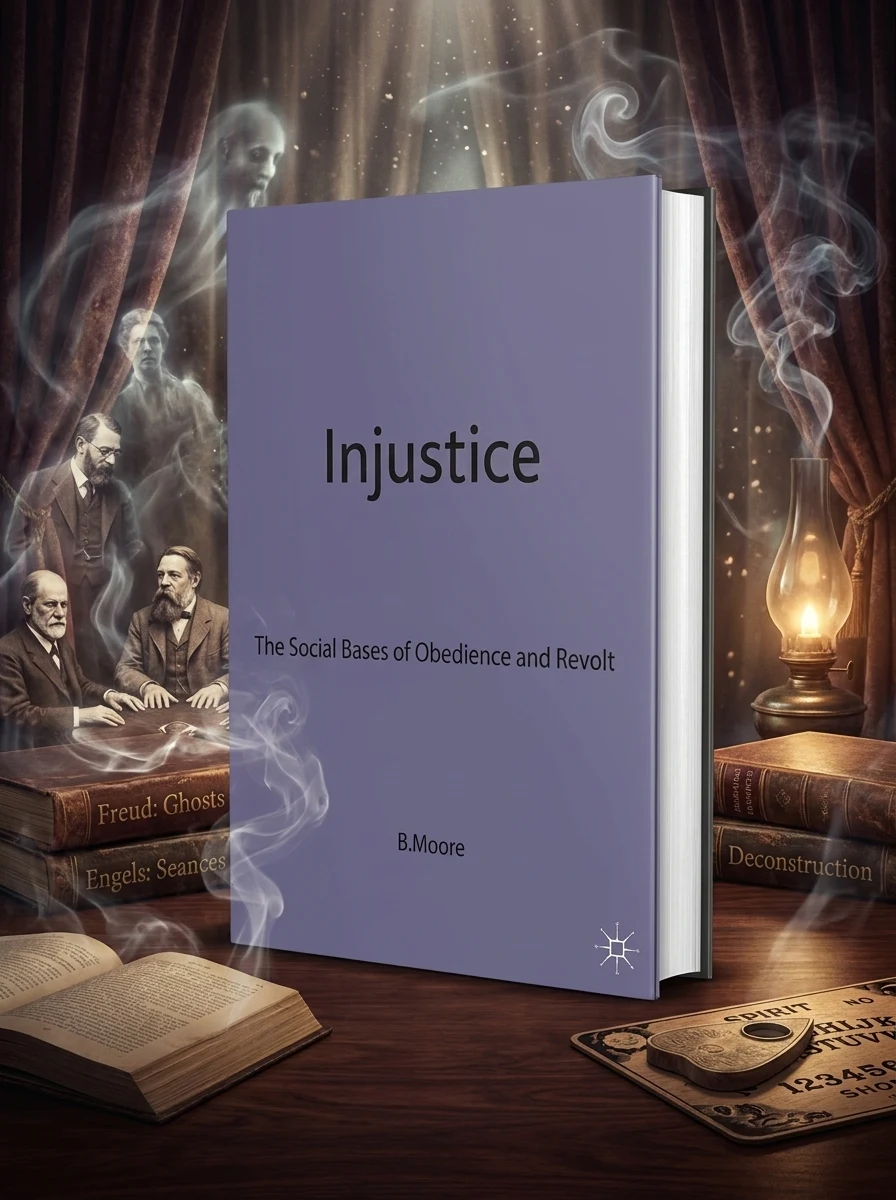
This groundbreaking collection of theoretical essays delves into the surprising intersections of the spectral and the scholarly. It uncovers how figures like Freud, the architect of psychoanalysis, reportedly acknowledged the supernatural, and how even political thinkers such as Engels engaged with spiritualism. "Ghosts" meticulously examines the profound implications of these "ghostly" presences within the frameworks of deconstruction, psychoanalysis, and historical analysis. Prepare to reconsider the boundaries between the material and the ethereal, and the conscious and the subconscious.
This volume emerges from late 20th-century academic discourse, bridging continental philosophy with critical theory to interrogate the metaphysical underpinnings of established intellectual traditions. It sits firmly within the post-structuralist engagement with the liminal spaces between rationality and the supernatural.


📝 Description: Ghosts: Deconstruction, Psychoanalysis, History (1999) Buse, P
💎 Expert review
📖 Why choose it
Why this book is worth reading
Scholars and enthusiasts of esoteric history will find this text indispensable for its bold exploration of how psychoanalysis and historical materialism have long been haunted by spectral presences. By revealing the secret affinities between figures like Freud and spiritualism, the book offers a fresh lens through which to view the subconscious and the ethereal. It challenges readers to dismantle the rigid boundaries separating the material from the supernatural, providing a rigorous yet imaginative framework for understanding the ghostly echoes that persist within grand narratives. This work is essential for those willing to venture into the complex intersections of deconstruction and occult history.
⭐ Reader reviews
Reader rating
Buse and Stott deliver a dense, theoretically rigorous collection that appeals primarily to academics specializing in continental philosophy or critical theory. Readers seeking accessible spiritual guides or straightforward historical accounts will likely find this text impenetrable and overly abstract. The essays demand familiarity with deconstructionist jargon and psychoanalytic frameworks, making it unsuitable for casual readers of the occult. However, for those equipped to handle its scholarly weight, it offers a provocative re-examination of the spectral within intellectual history, successfully unsettling traditional distinctions between the conscious and the subconscious.
❓ Frequently asked questions
📖 Who should read this
If you're drawn to the uncanny intersections of critical theory, depth psychology, and historical inquiry, this volume offers a fascinating intellectual journey. Scholars of literary criticism, sociology, philosophy, and psychoanalysis will find its rigorous exploration of spectral themes deeply rewarding.
🎯 Key themes and symbolism
Psychoanalysis & The Unseen
The book explores how the very foundations of psychoanalysis, exemplified by Freud's purported beliefs, are intertwined with notions of the spectral. It investigates the unconscious as a haunted space and how "ghosts" manifest in psychological theory and practice, challenging purely materialist interpretations of the psyche.
Deconstruction's Spectral Turn
This collection unpacks how deconstructive thought grapples with absences, traces, and what remains unspoken or unseen. It examines how "ghosts" serve as powerful metaphors for the lingering effects of past events, texts, and ideologies, revealing the inherent "hauntedness" within structures of meaning and language.
History's Lingering Presences
By highlighting figures like Engels' engagement with séances, the book probes how historical narratives are shaped by what is absent, forgotten, or intentionally suppressed. It analyzes how spectral figures and events continue to influence the present, urging a re-evaluation of how history is written and understood.
💬 Quotes from the book
“The spectral is not merely an absence, but a persistent, structuring presence that haunts the very foundations of our knowledge systems.”
“To deconstruct is to recognize the revenant; to psychoanalyze is to confront the unquiet dead within the living psyche.”
📜 Historical context
📚 Glossary
- Deconstruction
- Psychoanalysis
- Semiotics
📔 Questions to reflect on
- How might recognizing 'ghosts' in historical narratives change our understanding of past events and their impact on the present?
- In what ways do you perceive 'spectral presences' (metaphorical or otherwise) influencing your own subconscious or cultural landscape?
- Consider a foundational text in your field of study. How might a 'deconstructive' approach, focusing on its unspoken absences or underlying 'hauntings,' alter your interpretation?
📖 From the series “Deconstruction, Psychoanalysis, History”
All books in the series →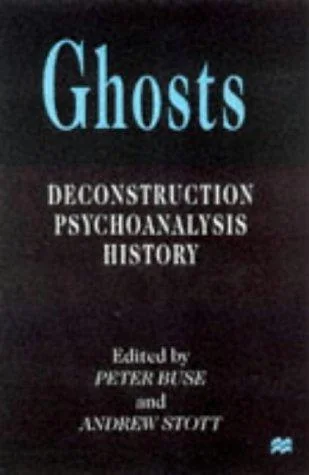
✍️ More books by this author Buse, P; , Stott, A
All books by this author →🏛 Books from this publisher Palgrave MacMillan
All books from this publisher →
You might also like
See more →