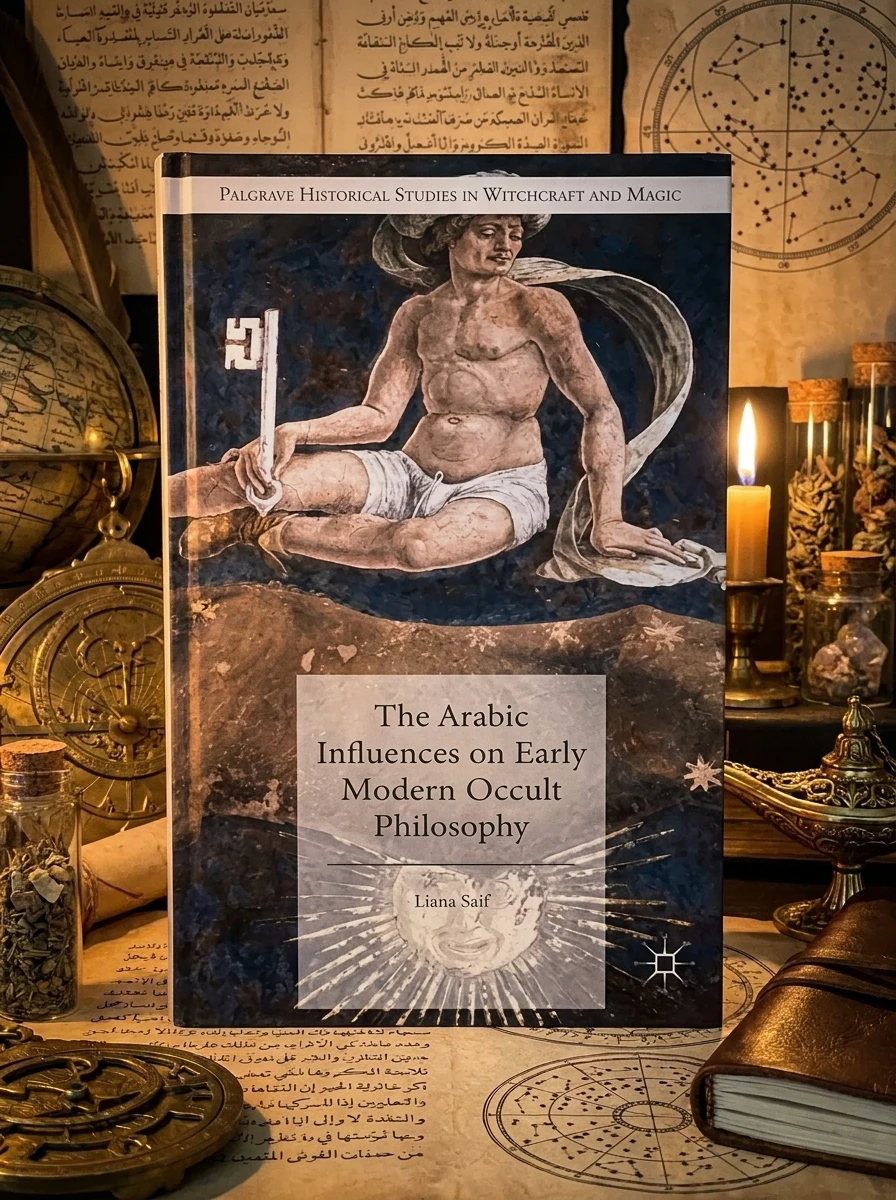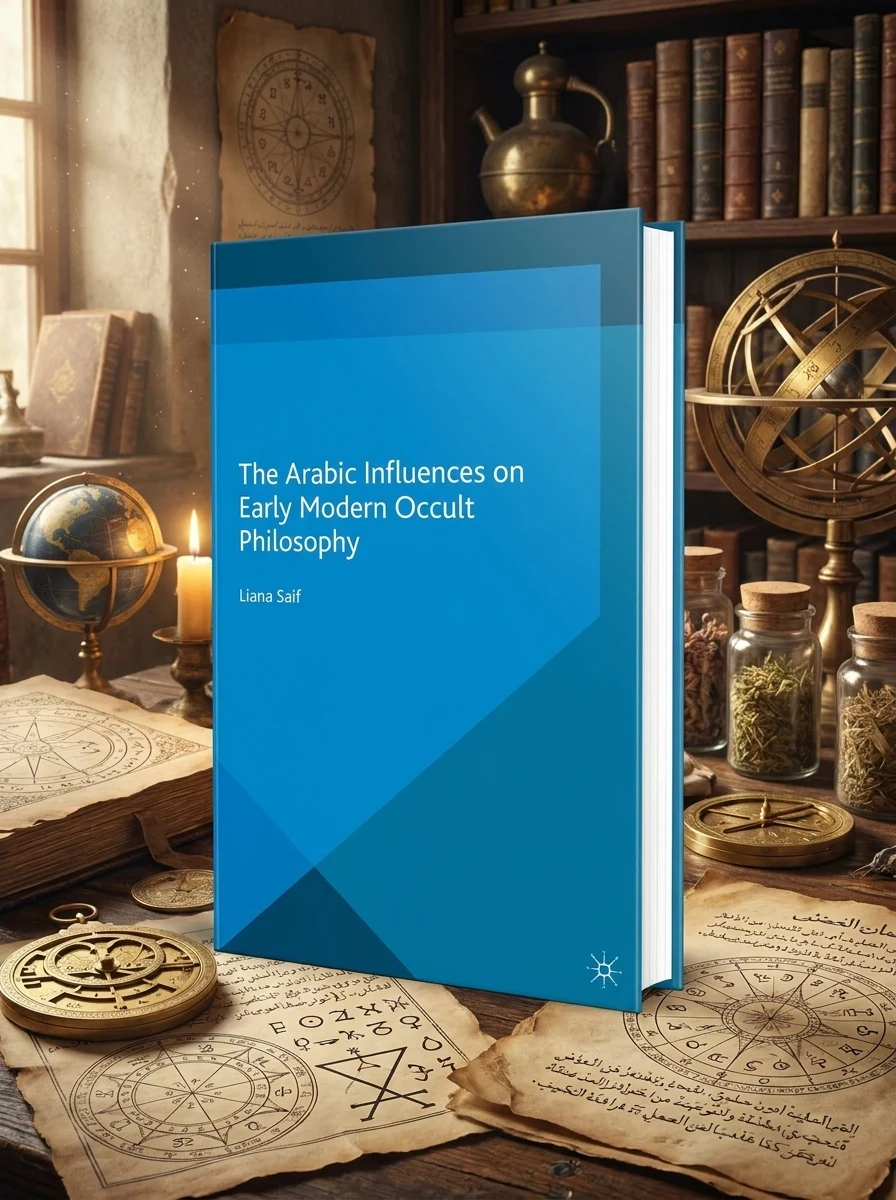
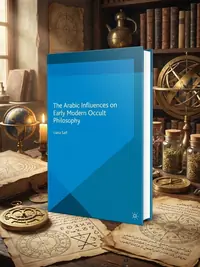
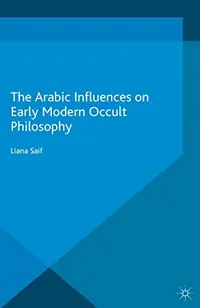
The Arabic Influences on Early Modern Occult Philosophy (2015) Saif, Liana
Saif, Liana 85
85
 Editorial score
How we rate
Editorial score
How we rate
Stock reported in the catalog; fulfillment is confirmed with your request.
Uncover the hidden Arabic roots shaping Western occult thought and magical understanding.
Liana Saif's groundbreaking work reveals the profound, often overlooked, impact of medieval Arabic astrological and magical theories on early modern Western occult philosophy. This book meticulously demonstrates how thinkers in the Islamic world provided sophisticated, naturalistic frameworks for understanding astral influences and magical efficacy. By grounding these esoteric concepts in Aristotelian principles, Arabic scholars offered a rational basis that profoundly informed and transformed European esoteric traditions, challenging conventional narratives of Western intellectual development and highlighting a crucial intellectual bridge.
This scholarly work situates itself within the historiography of Western esotericism, specifically examining the intellectual cross-pollination between medieval Islamic astronomy and early modern European occult philosophy. It challenges traditional Eurocentric narratives by highlighting the crucial role of Arabic scholars in shaping naturalistic frameworks for astral influence.


📝 Description: The Arabic Influences on Early Modern Occult Philosophy (2015) Saif, Liana
💎 Expert review
📖 Why choose it
Why this book is worth reading
This book is essential for serious scholars and dedicated practitioners of esoteric history who seek to understand the true genealogy of Western occult thought. Readers fascinated by the intersection of science, magic, and philosophy will appreciate how Saif dismantles conventional narratives by revealing the sophisticated, rational basis provided by Arabic thinkers. It offers a profound corrective to standard intellectual histories, demonstrating that early modern European traditions were not developed in isolation but were deeply informed by medieval Islamic astrological theories. If you are interested in the rigorous academic tracing of how Aristotelian principles were adapted to explain magical efficacy, this text provides the necessary depth and clarity for your research or advanced study.
⭐ Reader reviews
Reader rating
Saif delivers a meticulously researched argument that will satisfy historians of science and esotericism alike. However, this is not a practical guide for modern magicians seeking spells or simple historical anecdotes. It is a dense academic text requiring patience and a background in philosophical history. Readers looking for accessible, narrative-driven occult history or immediate practical applications will find it dry and overly theoretical. It strictly serves those willing to engage with complex intellectual bridges between cultures rather than casual enthusiasts of the mystical arts.
❓ Frequently asked questions
📖 Who should read this
For scholars of intellectual history, students of esoteric traditions, and anyone curious about the often-unacknowledged origins of Western occultism, this book offers a vital, nuanced perspective. Prepare to have your understanding of medieval and early modern thought expanded.
🎯 Key themes and symbolism
Arabic Esoteric Legacy
This book meticulously traces the intellectual lineage of occult concepts, demonstrating how medieval Arabic scholars developed sophisticated theories of astrology and magic. It highlights the direct transmission and transformative impact of these ideas on early modern European thought, revealing a rich, interconnected history of esoteric knowledge.
Naturalistic Magic Explained
Saif explores how Arabic philosophers sought to explain magical phenomena and astral effects not as supernatural interventions, but through discernible, natural laws. Drawing heavily on Aristotelian physics, they proposed a universe of hidden sympathies and causal links, offering a rational, systematic understanding of cosmic forces at play.
Aristotelian Foundations
The text emphasizes the crucial role of Aristotelian philosophy in shaping Arabic astrological and magical theories. It illustrates how concepts like potentiality, actuality, and the four elements provided a robust philosophical bedrock, allowing for a coherent and systematic approach to understanding the subtle operations of the cosmos.
💬 Quotes from the book
“The intricate web of planetary movements, far from being arbitrary, was understood through an Aristotelian lens, providing a coherent, if complex, causal chain for terrestrial events.”
“Early modern European magi, inheriting the sophisticated treatises of their Arabic predecessors, did not merely replicate; they integrated these naturalistic principles into a burgeoning philosophical framework that redefined the boundaries of the possible.”
📜 Historical context
📚 Glossary
- Occult Philosophy
- Astral Influences
- Naturalistic Explanation
📔 Questions to reflect on
- How might the historical understanding of "naturalistic magic" challenge our contemporary distinctions between science and superstition?
- Reflect on the profound impact of intellectual exchange between different cultures, particularly how ideas from one tradition can fundamentally reshape another.
- Consider how the philosophical frameworks of Aristotle provided a language for understanding esoteric concepts, and what this implies about the relationship between philosophy and occultism.
📖 From the series “Palgrave Historical Studies in Witchcraft and Magic”
All books in the series →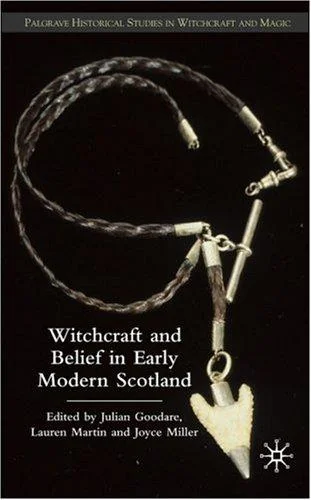
✍️ More books by this author Saif, Liana
All books by this author →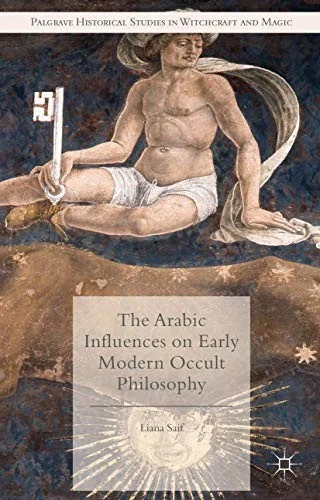
🏛 Books from this publisher Palgrave MacMillan
All books from this publisher →

You might also like
See more →