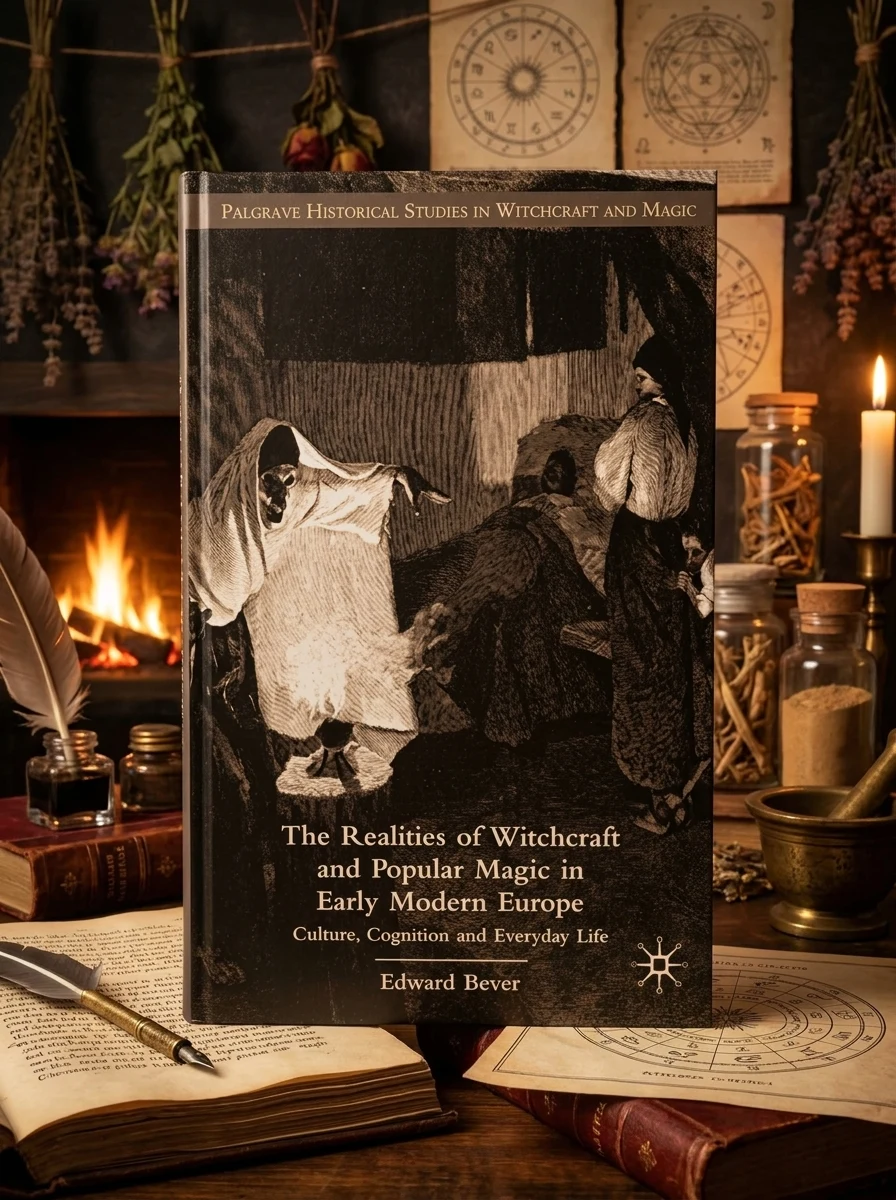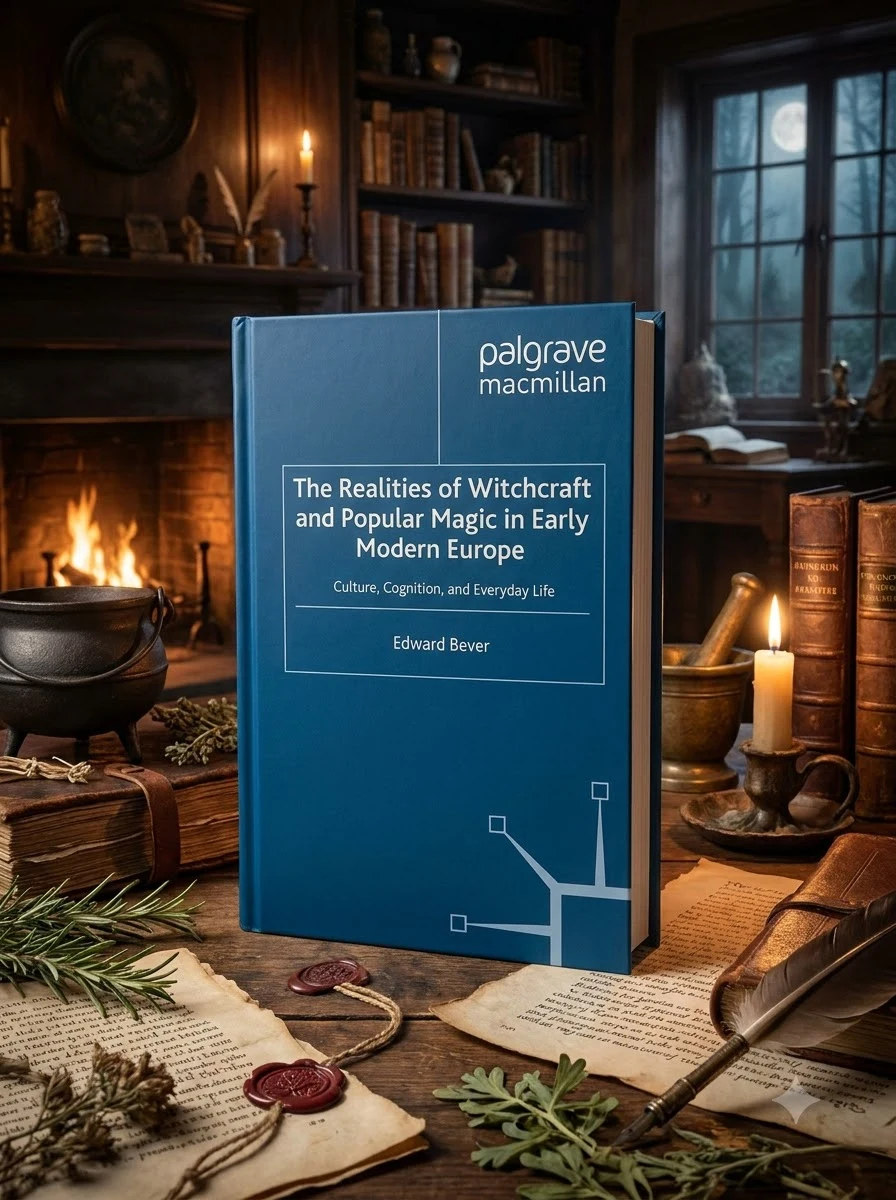

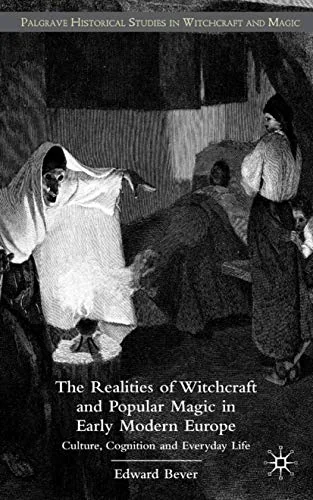
The Realities of Witchcraft and Popular Magic in Early Modern Europe: Culture, Cognition, and Everyday Life (2008) Bever, E
Bever, E 79
79
 Editorial score
How we rate
Editorial score
How we rate
Stock reported in the catalog; fulfillment is confirmed with your request.
Uncover the overlooked, tangible realities of early modern European magic and witchcraft.
E. Bever's groundbreaking work meticulously reconstructs the lived experience of popular magic and witchcraft in early modern Europe. Through a compelling blend of extensive archival research and insightful interdisciplinary analysis, this volume transcends sensationalism to reveal how magic was woven into the fabric of everyday life. It offers a fresh perspective that both complements and thoughtfully challenges established scholarship, providing unique insights into the cultural, cognitive, and social dimensions of these historical phenomena. Discover the authentic roles and perceptions of the supernatural during a pivotal era.
This volume situates itself within the scholarly discourse of early modern European history, specifically addressing the intersection of popular magic and witchcraft through cultural and cognitive lenses. It contributes to the broader tradition of social history that seeks to demystify supernatural beliefs by grounding them in everyday lived experiences.


📝 Description: The Realities of Witchcraft and Popular Magic in Early Modern Europe: Culture, Cognition, and Everyday Life (2008) Bever, E
💎 Expert review
📖 Why choose it
Why this book is worth reading
Scholars, historians, and serious enthusiasts of esoteric history will find immense value in Bever’s meticulous reconstruction of the tangible realities behind early modern witchcraft. By moving away from sensationalist tropes, this book offers a refreshing, grounded perspective on how magic functioned within the daily lives of Europeans. Readers who appreciate interdisciplinary analysis and extensive archival research will gain unique insights into the cultural, cognitive, and social dimensions of these phenomena. It is essential for those seeking to understand the authentic roles and perceptions of the supernatural during this pivotal era, providing a nuanced complement to established scholarship.
⭐ Reader reviews
Reader rating
E. Bever delivers a rigorous, academically dense examination that prioritizes historical accuracy over narrative flair. While it offers a compelling blend of archival research and insightful analysis, it is strictly for those willing to engage with complex scholarly arguments. It does not suit readers seeking light entertainment, sensationalist ghost stories, or practical Wiccan instruction. Those looking for accessible storytelling may find the tone too dry and the focus too heavily on cognitive and social frameworks rather than dramatic accounts of persecution.
❓ Frequently asked questions
📖 Who should read this
If you seek to understand the nuanced role of magic in the lives of ordinary people, beyond sensational tales, this scholarly yet accessible work offers profound insights. It's for history enthusiasts, cultural scholars, and anyone curious about the complex human experience of the supernatural in its historical context.
🎯 Key themes and symbolism
Witchcraft's Tangible Roots
This book moves beyond abstract accusations, delving into the practical ways witchcraft and magic were perceived and interacted with in daily life. It explores how these beliefs manifested in tangible actions, anxieties, and social structures, demonstrating that magic wasn't just a concept but a lived reality that shaped interactions, fears, and hopes among ordinary people.
Culture & Cognition Explored
Bever expertly examines the cultural frameworks and cognitive processes that rendered magic plausible and potent for early modern individuals. By integrating insights from psychology and anthropology, the book reveals how societal norms, individual perception, and shared understanding coalesced to create a world where supernatural intervention felt entirely natural and impactful, influencing everything from health to fortune.
Everyday Enchantments
The author meticulously illustrates how popular magic was deeply integrated into the mundane routines and crises of early modern existence. From folk remedies and protective charms to divinatory practices, the book highlights magic's crucial role in managing life's uncertainties, health concerns, and interpersonal conflicts. It paints a vivid picture of magic as an accessible, pervasive tool for navigating a challenging world.
💬 Quotes from the book
“The true 'magic' often resided not in supernatural intervention, but in the psychological resonance and social function of its perceived effects.”
“Understanding the early modern mind requires us to suspend our own rational biases and engage with a worldview where the unseen was undeniably real.”
📜 Historical context
📚 Glossary
- Early Modern Europe
- Popular Magic
- Interdisciplinary Analysis
📔 Questions to reflect on
- How did the perception of 'reality' in magic differ significantly between the early modern period and contemporary understandings of the world?
- Consider a modern societal belief or practice that, while not explicitly 'magical,' functions similarly in providing comfort, order, or explanation for individuals.
- How might an interdisciplinary approach, as employed in this book, deepen our understanding of other historical phenomena beyond witchcraft and popular magic?
📖 From the series “Palgrave Historical Studies in Witchcraft and Magic”
All books in the series →

✍️ More books by this author Bever, E
All books by this author →🏛 Books from this publisher Palgrave MacMillan
All books from this publisher →



You might also like
See more →