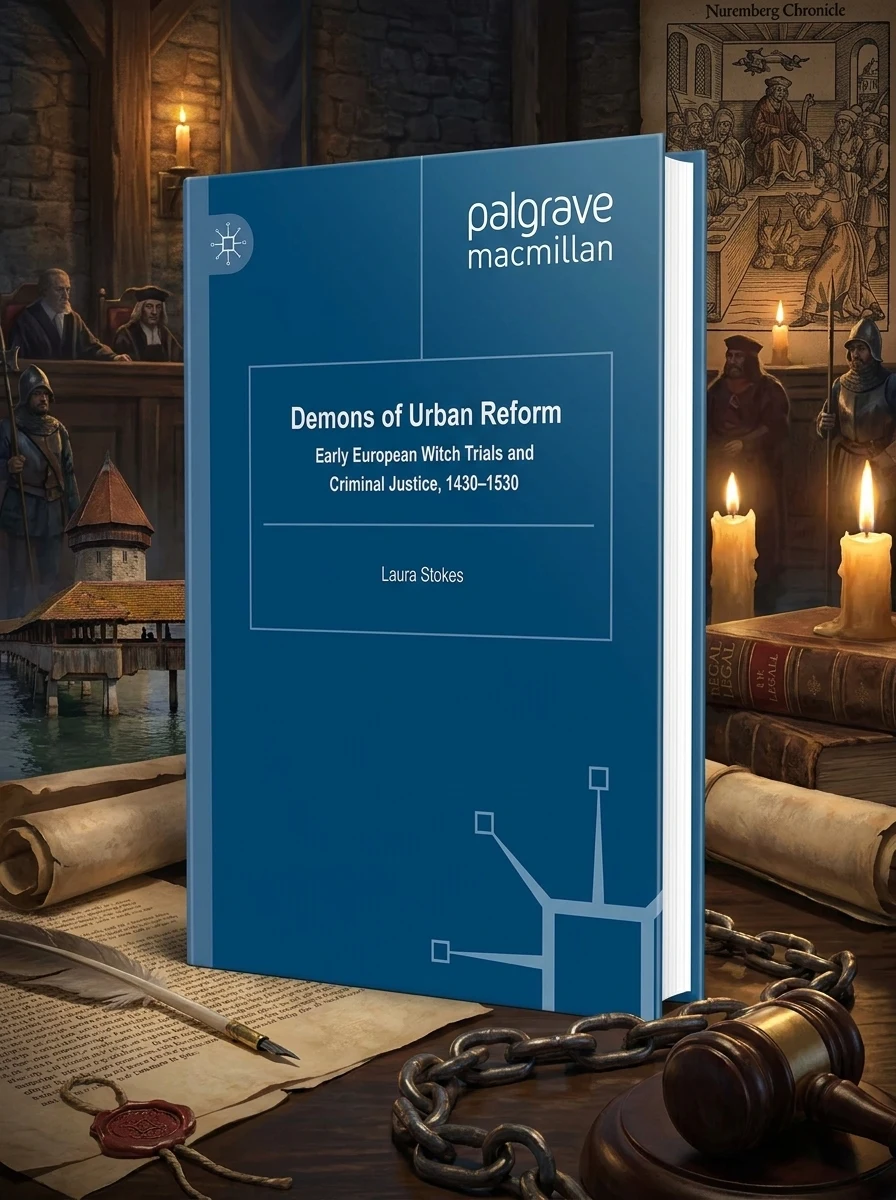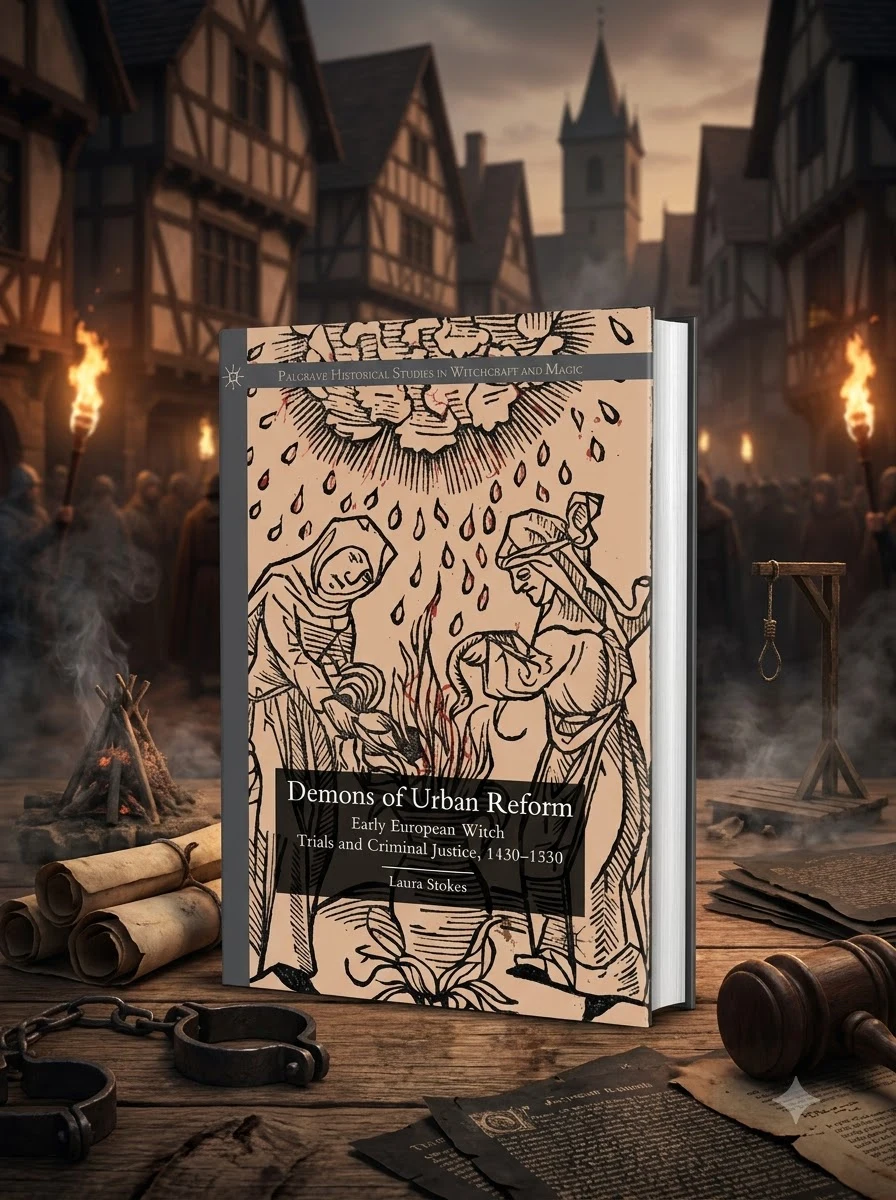
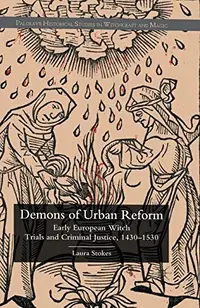
Demons of Urban Reform: Early European Witch Trials and Criminal Justice, 1430-1530 (2011) Stokes, Laura Patricia
Stokes, Laura Patricia 83
83
 Editorial score
How we rate
Editorial score
How we rate
Stock reported in the catalog; fulfillment is confirmed with your request.
Uncover the dark interplay of justice and fear in Europe's early witch hunts.
Laura Patricia Stokes meticulously examines the foundational period of European witch trials, specifically between 1430 and 1530. This scholarly work offers a compelling comparative study of proceedings in Lucerne, Nuremberg, and Basel, revealing how evolving criminal justice systems intersected with societal anxieties. Through a deep dive into Lucerne's unique case, the author illuminates the profound connection between procedural reforms and the burgeoning fear of witchcraft, positioning these trials as potent instruments of social regulation. It's an essential text for understanding the origins of a dark chapter in human history.
This scholarly work situates itself within the historiography of early modern European witchcraft, specifically analyzing the critical transition period between 1430 and 1530. It explores how emerging criminal justice systems intersected with societal anxieties to shape the institutionalization of witch hunts.


📝 Description: Demons of Urban Reform: Early European Witch Trials and Criminal Justice, 1430-1530 (2011) Stokes, Laura Patricia
💎 Expert review
📖 Why choose it
Why this book is worth reading
Academic historians and students of legal history will find immense value in this meticulous comparative study. By examining proceedings in Lucerne, Nuremberg, and Basel, the author reveals how procedural reforms fueled social regulation through fear. Readers interested in the structural origins of witchcraft accusations, rather than just their mythological aspects, will appreciate the deep dive into criminal justice evolution. It provides a necessary framework for understanding how state power and societal anxiety converged to create one of history's darkest chapters.
⭐ Reader reviews
Reader rating
Stokes offers a rigorous, evidence-based analysis that is essential for specialists in early modern legal history and social control. The comparative approach across major European cities provides depth rarely seen in general overviews. However, this text is decidedly not suited for casual readers seeking narrative drama or supernatural folklore. Those expecting popular history or sensationalized accounts of witchcraft may find the focus on bureaucratic procedure dry and inaccessible. It remains a vital, albeit dense, resource for understanding the institutional mechanics behind the trials.
❓ Frequently asked questions
📖 Who should read this
If you're drawn to the intricate tapestry of medieval European history, the evolution of legal systems, or the societal impact of belief, this book is for you. It's perfect for scholars and enthusiasts of social history, magick studies, and the darker currents of religious history.
🎯 Key themes and symbolism
Comparative Witchcraft Studies
This book offers a unique side-by-side analysis of early witch trials across three distinct European cities: Lucerne, Nuremberg, and Basel. By contrasting their legal frameworks and societal responses, Stokes uncovers commonalities and divergences in how these communities grappled with accusations of sorcery, providing a nuanced understanding of a widespread phenomenon.
Justice System Evolution
Stokes explores how the nascent criminal justice procedures of the 15th and early 16th centuries directly influenced the conduct and outcomes of witch trials. The study, particularly through Lucerne's example, demonstrates how reforms in legal processes were not merely administrative but profoundly shaped the prosecution and condemnation of alleged witches, marking a critical period of legal transition.
Social Control Mechanisms
Beyond mere superstition, the book argues that witchcraft accusations and trials served as powerful tools for social control. It delves into how the collective fear of magic was leveraged to maintain order and enforce societal norms, especially in times of change. This perspective highlights the political and social utility of prosecuting alleged sorcerers.
💬 Quotes from the book
“The transition from informal accusation to codified legal process fundamentally reshaped the landscape of perceived maleficium.”
“In Lucerne, the very machinery of justice, intended to bring order, became inextricably linked with the escalating panic over hidden demonic forces.”
📜 Historical context
📚 Glossary
- Witch Trials
- Social Control
- Criminal Procedure
📔 Questions to reflect on
- How might shifts in legal procedure, as seen in the early witch trials, inadvertently empower or disempower certain societal beliefs or fears?
- Consider how the concept of 'social control' through fear, as explored in this period, manifests in modern societies, albeit in different forms.
- Reflect on the ethical responsibilities of legal systems when confronted with widespread, deeply held (but unfounded) societal anxieties. What lessons can be drawn?
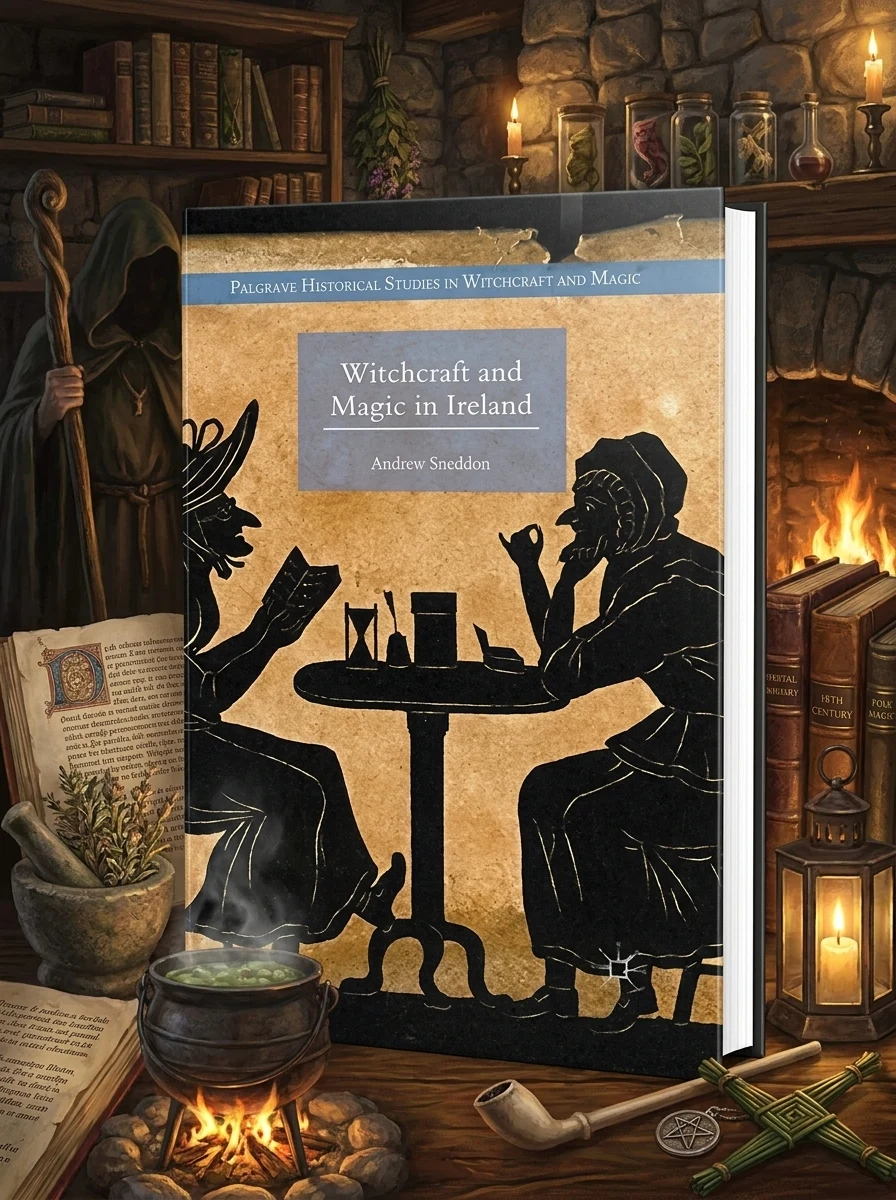
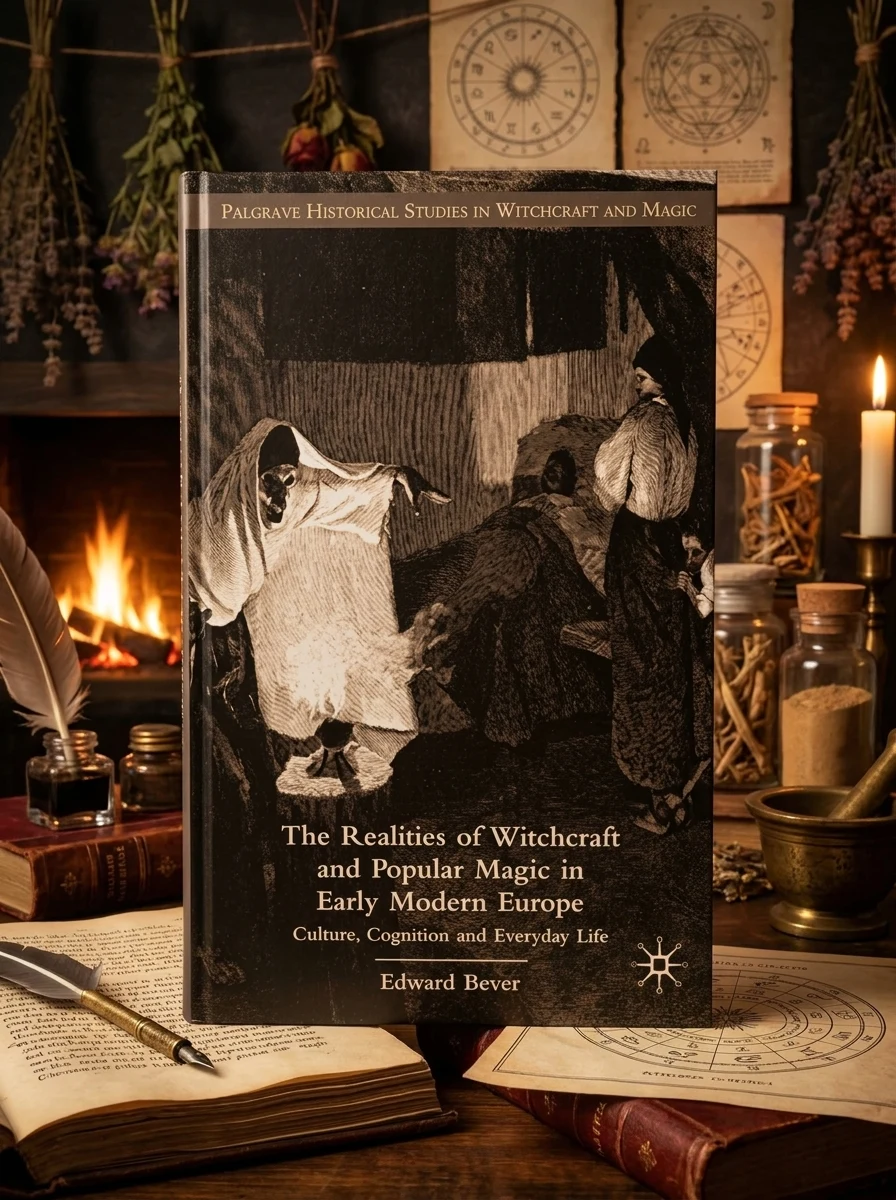
📖 From the series “Palgrave Historical Studies in Witchcraft and Magic”
All books in the series →

✍️ More books by this author Stokes, Laura Patricia
All books by this author →
🏛 Books from this publisher Palgrave MacMillan
All books from this publisher →



You might also like
See more →