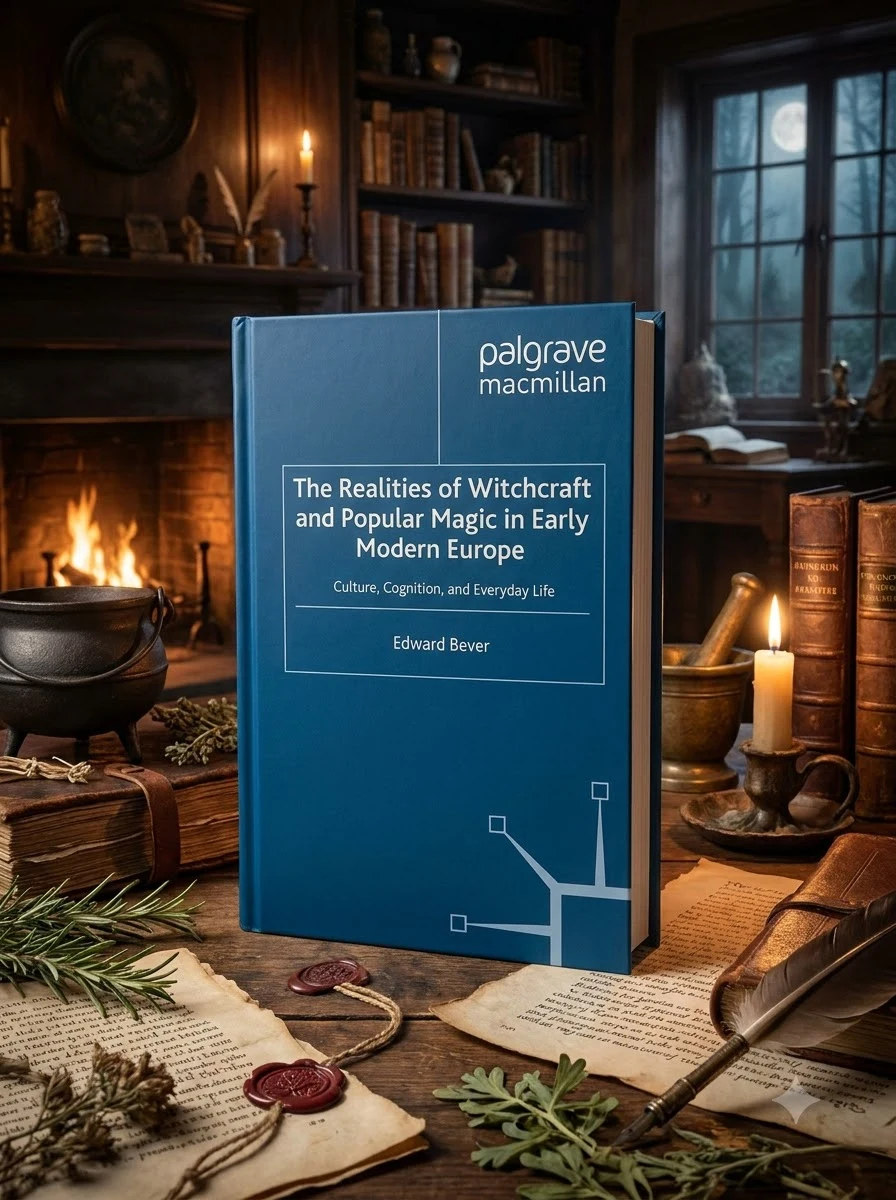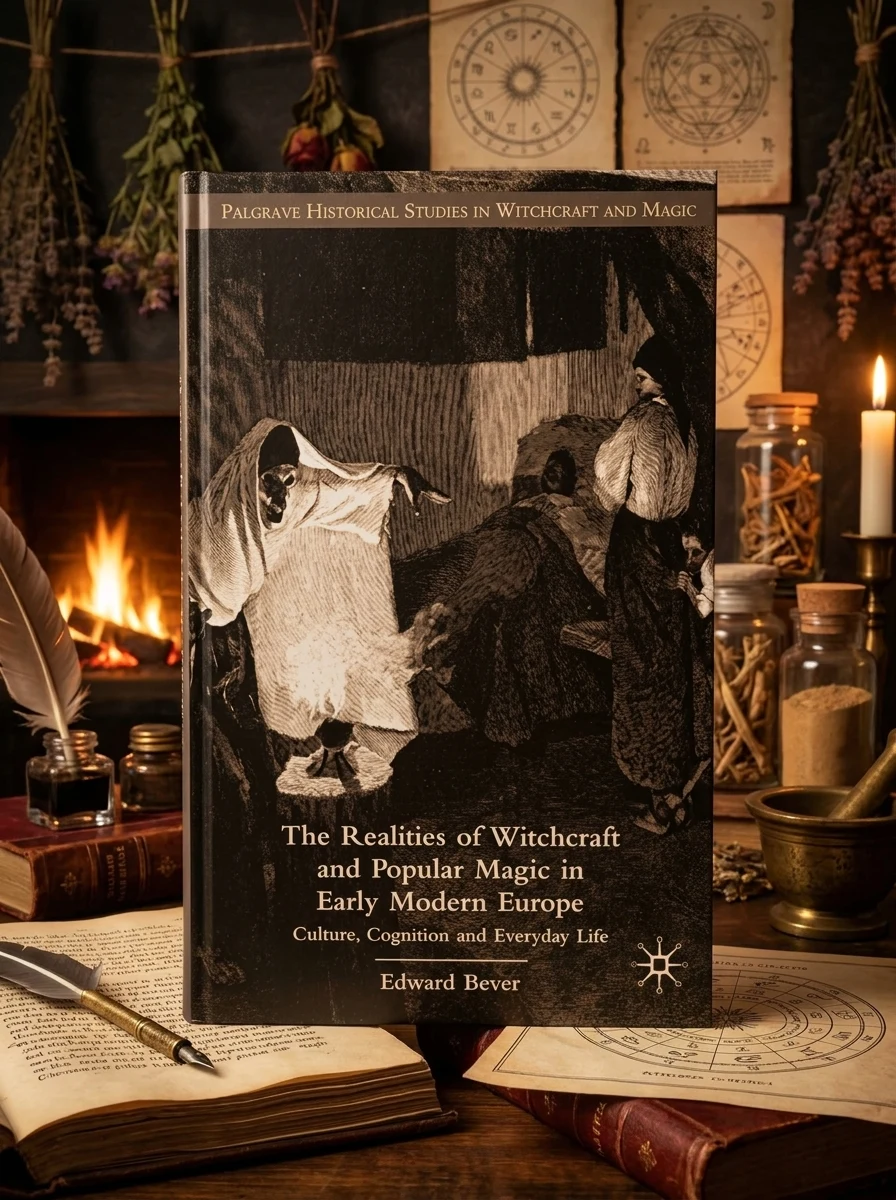
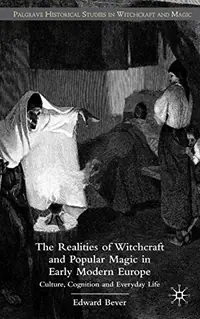
The Realities of Witchcraft and Popular Magic in Early Modern Europe: Culture, Cognition, and Everyday Life (2008) Bever, E
Bever, E 90
90
 Editorial score
How we rate
Editorial score
How we rate
Stock reported in the catalog; fulfillment is confirmed with your request.
Uncover the tangible truths behind early modern European witchcraft and popular magic.
E. Bever invites readers to delve into the genuine experiences and practical applications of magic during early modern Europe. This insightful work moves beyond mere superstition, meticulously examining the cultural, cognitive, and daily life aspects that shaped beliefs and practices. Through a blend of extensive archival investigation and diverse interdisciplinary perspectives, Bever sheds new light on how witchcraft and popular magic were woven into the very fabric of society, providing a fresh and nuanced understanding that both supports and questions established historical narratives.
This volume situates itself within the rigorous historiography of early modern European culture, specifically addressing the intersection of cognitive studies and social history regarding popular magic. It challenges traditional narratives by examining witchcraft through the lens of everyday life and tangible practice rather than mere superstition.


📝 Description: The Realities of Witchcraft and Popular Magic in Early Modern Europe: Culture, Cognition, and Everyday Life (2008) Bever, E
💎 Expert review
📖 Why choose it
Why this book is worth reading
This book is essential for scholars, students, and enthusiasts who seek to understand witchcraft not as a monolithic evil but as a complex social phenomenon deeply embedded in daily existence. Readers will gain a nuanced appreciation for how cultural cognition shaped the lived experiences of those accused or practicing magic in early modern Europe. By moving beyond simplistic narratives of superstition, Bever provides a fresh perspective that supports and questions established histories. It is ideal for anyone interested in the tangible truths of the past, offering a rigorous yet accessible entry point into the intricate web of beliefs, archival realities, and interdisciplinary methodologies that define this critical period of European history.
⭐ Reader reviews
Reader rating
E. Bever delivers a meticulously researched analysis that successfully bridges the gap between cognitive theory and archival evidence regarding early modern magic. The work is intellectually stimulating, offering a sophisticated look at how witchcraft functioned within the fabric of society. However, readers seeking a narrative-driven account of witch trials or popular folklore may find the dense academic tone and focus on cultural cognition dry or overly abstract. It is not suitable for those looking for sensationalist tales or light reading; this is a serious scholarly contribution best appreciated by those willing to engage with complex interdisciplinary arguments about historical reality.
❓ Frequently asked questions
📖 Who should read this
If you're a serious student of historical magic, a scholar of early modern European culture, or simply fascinated by how people truly lived with and understood the supernatural, this book offers profound insights.
🎯 Key themes and symbolism
Everyday Magical Realities
This book meticulously reconstructs how magic and witchcraft were not just abstract fears or theological debates, but integral components of daily existence. It explores the practical ways ordinary people engaged with charms, curses, and folk remedies, revealing a vibrant magical landscape deeply embedded in the social and economic fabric of early modern communities.
Cognition and Belief
Bever explores the mental frameworks and cognitive processes that allowed individuals to perceive and interpret magical phenomena. By analyzing contemporary thought patterns, the book illuminates how people made sense of the inexplicable, how their understanding of the world accommodated the supernatural, and the psychological underpinnings of magical belief systems in their historical context.
Challenging Scholarship
Through rigorous archival work and broad interdisciplinary approaches, this volume critically engages with previous academic interpretations of early modern witchcraft. It offers alternative viewpoints and fresh evidence, urging scholars and enthusiasts alike to reconsider long-held assumptions and embrace a more complex, multi-faceted understanding of historical magical practices.
💬 Quotes from the book
“The efficacy of a charm lay not solely in its words, but in the communal belief that imbued it with power, a power as tangible as any harvest.”
“To understand the witch hunt, one must first grasp the mundane anxieties of a peasant farmer, the fear of blight, and the small, desperate hopes placed in unseen forces.”
📜 Historical context
📚 Glossary
- Early Modern Europe
- Popular Magic
- Cognition
📔 Questions to reflect on
- Consider a modern-day superstition or 'magical thinking' you've encountered. How might its 'reality' be understood through a similar cultural and cognitive lens as early modern popular magic?
- If you lived in early modern Europe, what specific magical practice do you imagine you might have engaged in for practical, everyday concerns, and why?
- How does understanding the 'realities' of witchcraft from the perspective of the people involved change your perception of historical witch trials or magical beliefs?
📖 From the series “Palgrave Historical Studies in Witchcraft and Magic”
All books in the series →
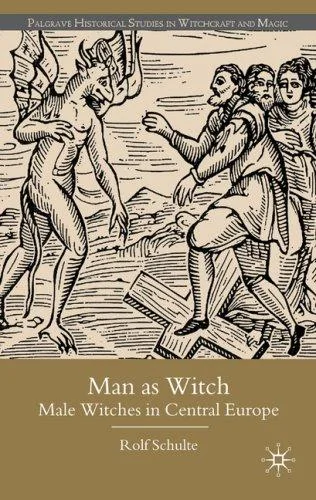
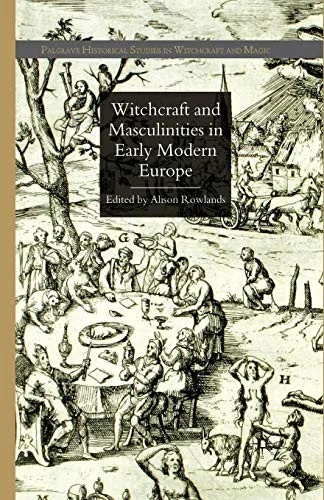
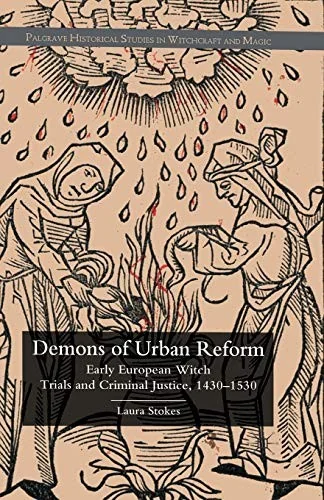
✍️ More books by this author Bever, E
All books by this author →🏛 Books from this publisher Palgrave MacMillan
All books from this publisher →



You might also like
See more →