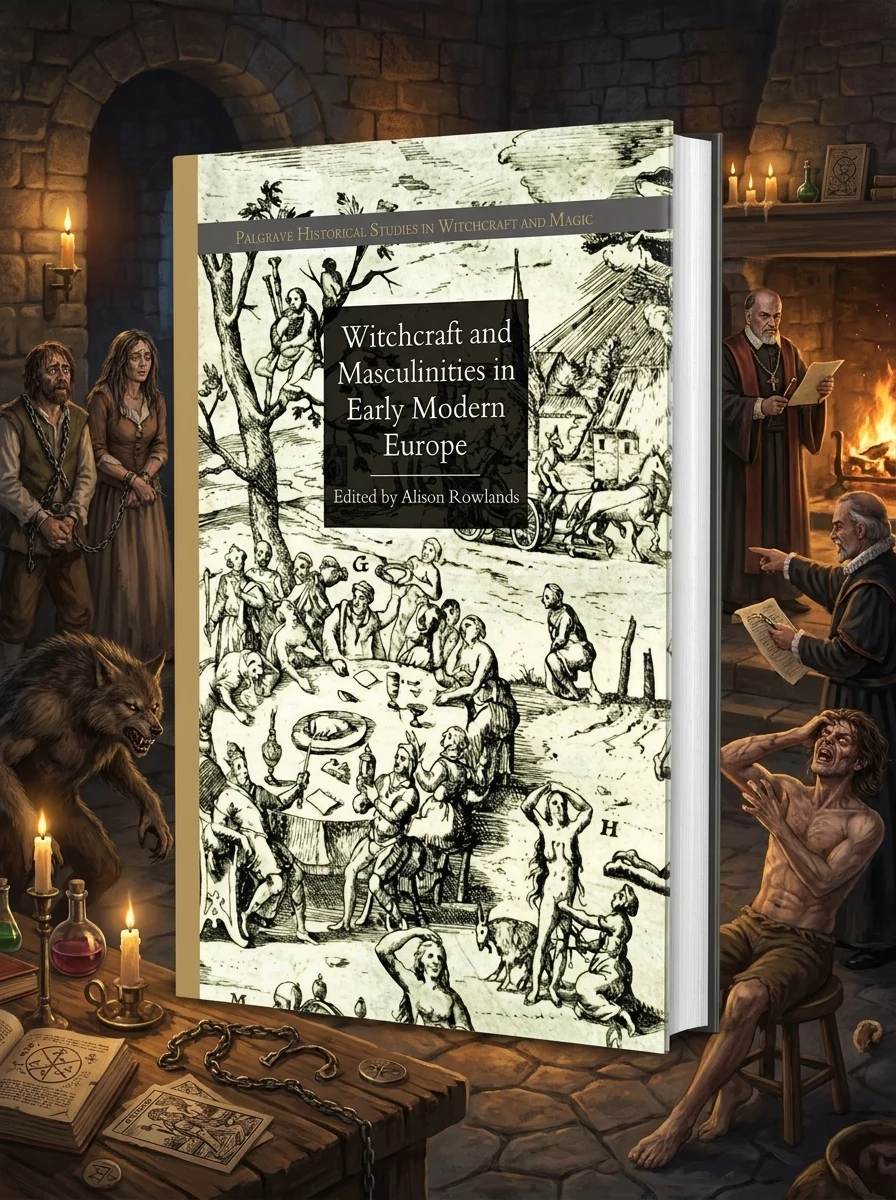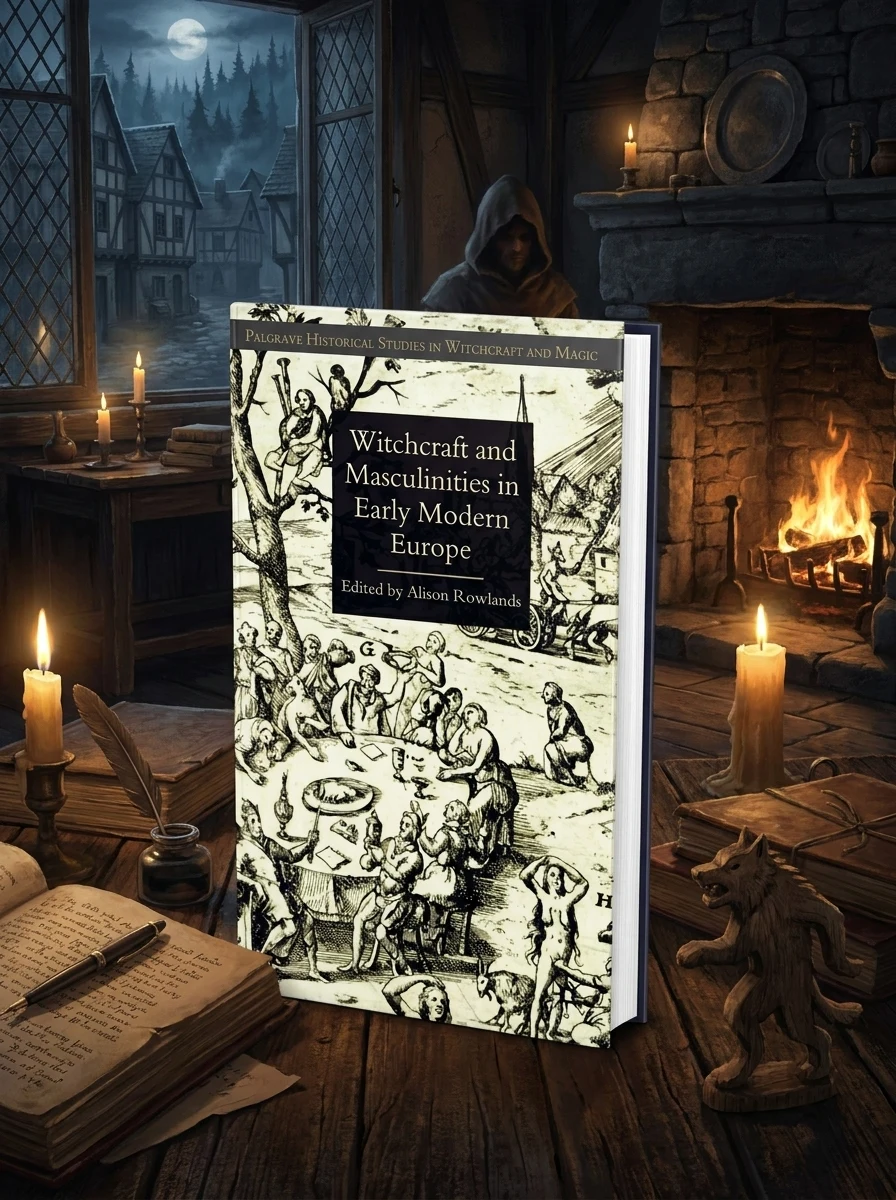
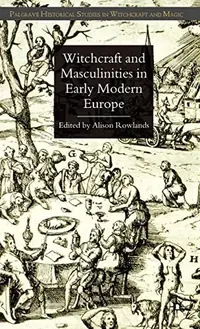
Witchcraft and Masculinities in Early Modern Europe (2009) Rowlands, A
Rowlands, A 75
75
 Editorial score
How we rate
Editorial score
How we rate
Stock reported in the catalog; fulfillment is confirmed with your request.
Uncover the shadowed masculinity of early modern witches through fresh scholarly eyes.
This compelling anthology dismantles the assumption that witchcraft was exclusively a feminine domain. By examining accused men, male hunters, and werewolves across England, Scotland, Italy, Germany, and France, the contributors reveal how gender shaped persecution. The essays demonstrate that male witchcraft was not an anomaly but a complex interplay of power, fear, and identity, challenging traditional narratives of the witch trials.
This volume situates itself within the rigorous academic discourse of early modern European history and gender studies, challenging long-held assumptions about the gendered nature of witchcraft persecution. It contributes to the broader esoteric literature by reframing historical narratives through a sociological lens rather than a purely mystical or supernatural one.


📝 Description: Witchcraft and Masculinities in Early Modern Europe (2009) Rowlands, A
💎 Expert review
📖 Why choose it
Why this book is worth reading
This anthology is essential for scholars and serious enthusiasts who wish to move beyond the stereotypical image of the witch as exclusively female. By exploring the complex interplay of power, fear, and identity among male accused individuals, hunters, and werewolves across multiple European nations, it offers a vital correction to traditional historiography. Readers seeking a nuanced understanding of how masculinity influenced persecution will find this collection illuminating. It appeals to those interested in the sociological underpinnings of occult history, providing fresh scholarly eyes on a shadowed aspect of early modern life that has long been overlooked in popular esoteric circles.
⭐ Reader reviews
Reader rating
I keep coming back to this one. Plenty of passages worth underlining; my copy is already full of margin notes. A text you study rather than simply read. Well worth it.
Honestly wasn't sure what to expect, but I'm impressed. Not a light read, but far more accessible than I feared.
Perfect companion for my morning study sessions. The typesetting is comfortable for study, with good margins for notes. Still worth having on the shelf.
My third book from this store and this one might be the best. It's become a regular reference in my practice. Recommended with reservations.
A friend in my study group recommended this one. The print is clean and easy on the eyes for long sessions. Some sections stopped me cold in the best way.
Rowlands presents a compelling dismantling of the assumption that witchcraft was exclusively feminine, offering a rigorous academic perspective. However, this work is not suited for casual readers or those seeking practical magical instruction or spiritual guidance. It is a dense scholarly anthology requiring patience and an interest in historical sociology rather than esoteric practice. Readers looking for engaging narrative storytelling or immediate applicability to modern Wiccan traditions may find the academic tone dry and the focus on persecution mechanics less appealing than the mystical elements typically associated with the genre.
❓ Frequently asked questions
📖 Who should read this
Readers fascinated by the intersection of gender studies and history will find this volume essential. It is ideal for those seeking to understand the nuanced roles men played in both the practice and prosecution of witchcraft during the early modern period.
🎯 Key themes and symbolism
Gendered persecution
Male werewolf lore
Early modern European history
💬 Quotes from the book
“Men were not merely bystanders in the drama of witchcraft but central actors in its persecution and practice.”
“The demonically possessed man reveals as much about societal fears of male weakness as the accused witch does about female transgression.”
📜 Historical context
📚 Glossary
- Witch-hunters
- Werewolf
- Gendering
📔 Questions to reflect on
- How does the portrayal of male witches in this era reflect contemporary anxieties about masculinity?
- In what ways did the roles of male witch-hunters differ from those of their female counterparts?
- How might the inclusion of werewolf lore change our understanding of male spiritual identity?
✍️ More books by this author Rowlands, A
All books by this author →
🏛 Books from this publisher Palgrave MacMillan
All books from this publisher →
You might also like
See more →