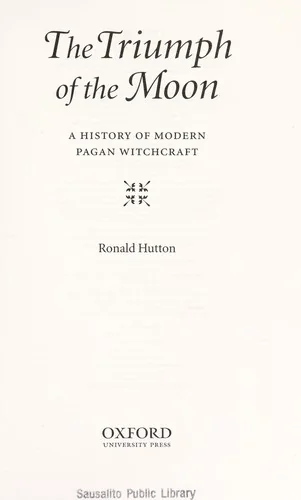
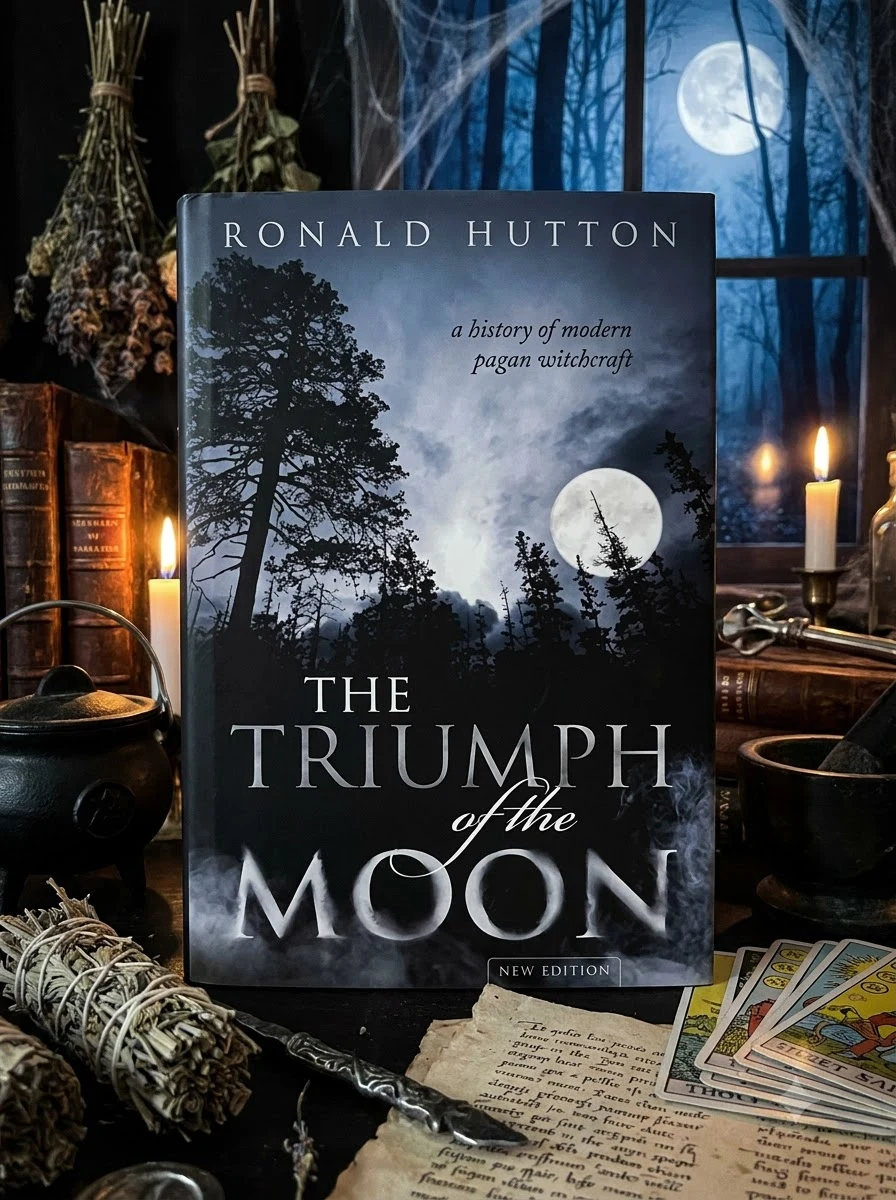
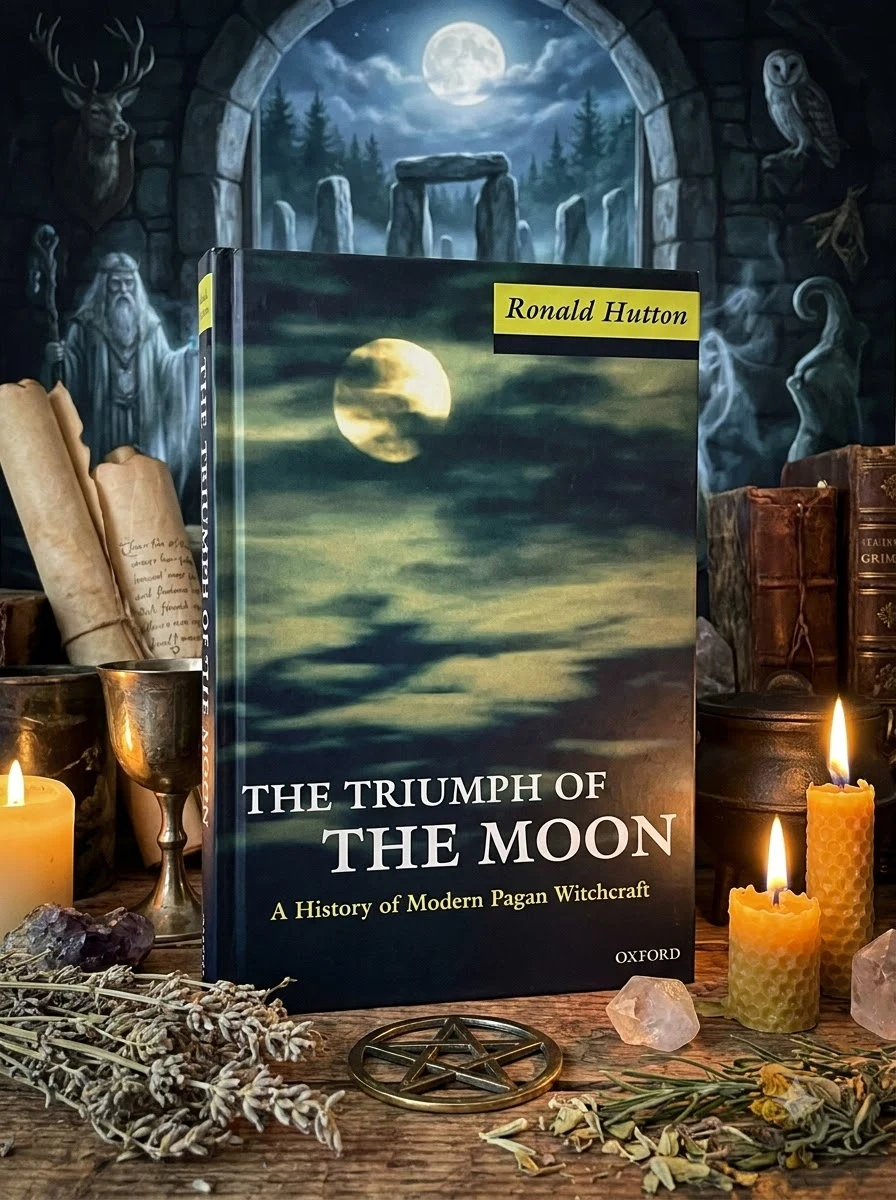
The Triumph of the Moon: A History of Modern Pagan Witchcraft
✍️ Hutton, RonaldRonald Hutton meticulously charts the emergence of modern Pagan witchcraft, known as Wicca, tracing its unique origins in England before its global proliferation. Dispelling sensationalist myths, this seminal work illuminates the tradition's genuine historical evolution. Hutton reveals how figures in literature and cunning folk contributed to its development, emphasizing positive aspects like reverence for nature, art, and the divine feminine. It's a comprehensive account of a spiritual path evolving into a recognized modern religion, moving beyond shadows to reveal its rich cultural tapestry.


Praise for this book
“Hutton has synthesized a huge body of sources, and woven together a fascinating narrative with supreme skill. The reader is sure to be gripped by the wonderful cast of characters that he assembles...Hutton shows us that paganism is a matter of interest not only for the classicist and archeologist, but for the modern historian as well. In doing so his Triumph of the Moon proves to be a triumph of cultural history.”
“Hutton's book is a must-read not only for anyone interested in modern Paganism, or the occult, but it also embodies a deep insight into the development of British society and culture.”
“Hutton uses his historical skills to tease apart some of the themes in this popular rural romanticism, and to locate their purely modern origin.”
📝 Description: The Triumph of the Moon: A History of Modern Pagan Witchcraft
💎 Expert review
📖 Why choose it
Why this book is worth reading
Readers seeking clarity on the genuine historical roots of Wicca will find immense value in this meticulous charting of its emergence from England's mystical heart. It is essential for those wishing to dispel sensationalist myths and understand how literary figures and cunning folk contributed to the tradition's development. By emphasizing positive aspects like reverence for nature, art, and the divine feminine, the book offers a warm, comprehensive account of a spiritual path evolving into a modern religion. It appeals to scholars and practitioners alike who desire to move beyond shadows and appreciate the rich cultural tapestry that defines this recognized faith today.
⭐ Reader reviews
Reader rating
Hutton delivers a meticulous and illuminating account of modern Pagan witchcraft's unique origins in England before its global spread. By tracing the tradition's genuine historical evolution, he reveals how literature and cunning folk shaped its development, highlighting reverence for nature and the divine feminine. However, this work does not suit readers seeking esoteric rituals, spell-casting instructions, or mythological fantasy. It is strictly a historical analysis, not a practical guide. Those looking for sensationalist tales of shadowy secrets will find it dry but accurate. It is best suited for those interested in the academic and cultural tapestry behind the religion's rise to recognition.
❓ Frequently asked questions
📖 Who should read this
If you seek a rigorously researched, balanced history of modern Pagan witchcraft, this book is essential. It's for anyone desiring to move beyond sensationalism to understand Wicca's true origins, cultural influences, and evolution into a respected spiritual tradition.
🎯 Key themes and symbolism
Wicca's English Genesis
This book meticulously details how modern Pagan witchcraft, specifically Wicca, uniquely developed on English soil. It examines the specific cultural, historical, and esoteric influences that converged to create what is often considered England's sole indigenous religion, charting its journey from local practices to global phenomenon.
Reclaiming Witchcraft's Image
Hutton actively challenges centuries of negative stereotypes surrounding witchcraft. He delves into the "darker" historical perceptions but ultimately champions the positive core of the practice, highlighting its connections to art, nature worship, the feminine divine, and classical spirituality, thereby offering a more balanced and respectful portrayal.
Cultural & Literary Influence
The work explores the profound impact of prominent literary figures like W.B. Yeats, D.H. Lawrence, and Robert Graves. It demonstrates how their artistic interpretations and public discourse softened public perception of witchcraft in Victorian England, integrating esoteric themes into broader cultural consciousness and paving the way for modern acceptance.
📜 Historical context
📚 Glossary
- Wicca
- Pagan Witchcraft
- Cunning Folk
📔 Questions to reflect on
- How does understanding the historical evolution of a spiritual path impact your perception of its modern practice and authenticity?
- In what ways might literary figures and public intellectuals shape or reshape the public's understanding of esoteric traditions, for better or worse?
- Reflect on how stereotypes about witchcraft have persisted through history, and how a meticulous historical approach like Hutton's can challenge or dismantle them.
📖 Read on the blog
✍️ More books by this author Hutton, Ronald
All books by this author →


🏛 Books from this publisher OUP Oxford
All books from this publisher →
You might also like
See more →
Have a question about this item?
Ask about the edition, condition, delivery or anything else — we reply by email or phone, usually within a day.
