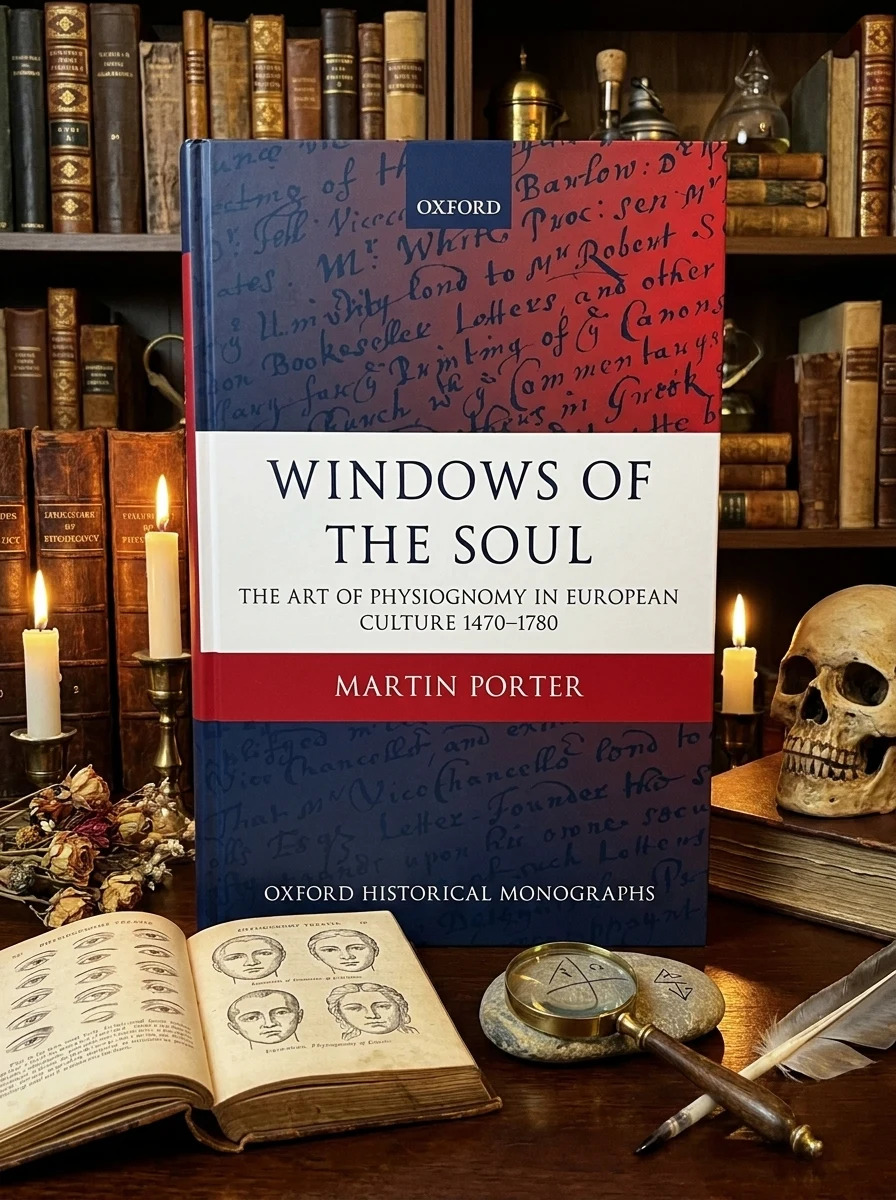
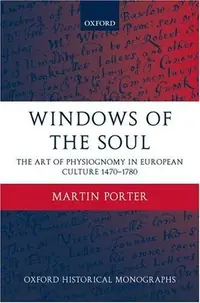
Windows of the Soul: Physiognomy in European Culture 1470-1780 Porter, Martin
 86
86
 Editorial score
How we rate
Editorial score
How we rate
Stock reported in the catalog; fulfillment is confirmed with your request.
Uncover the forgotten history of how faces were once read as windows to the soul.
Martin Porter's compelling study delves into the fascinating three-century journey of physiognomy across European culture. From its Renaissance rediscovery as a profound natural language believed to reveal inner truths in eyes, voices, and even nature itself, to its eventual dismissal as superstition during the Enlightenment, this book traces its complex evolution. Explore how some viewed it as a pathway to mystical self-transformation and an echo of an Adamic language, while others scorned it as mere folly. Porter masterfully illuminates how this ancient practice navigated religious persecution and scientific skepticism, only to find renewed interest with the dawn of Romanticism.
This work sits at the intersection of intellectual history and esoteric studies, documenting the transition of physiognomy from Renaissance mystical practice to Enlightenment skepticism. It bridges the gap between natural philosophy and the emerging scientific frameworks that would eventually marginalize such divinatory arts.


📝 Description: Windows of the Soul: Physiognomy in European Culture 1470-1780 Porter, Martin
💎 Expert review
📖 Why choose it
Why this book is worth reading
Readers fascinated by the hidden histories of Western thought and the evolution of metaphysical concepts will find this text indispensable. It offers a rare glimpse into how faces, voices, and nature were once interpreted as profound natural languages revealing inner truths. Those interested in the tension between religious persecution and scientific skepticism will appreciate the nuanced exploration of physiognomy’s journey from Adamic language echoes to Romantic revival. This book is essential for understanding how mystical self-transformation was once woven into the fabric of European culture, providing context for modern occult interests by tracing their intellectual ancestors through centuries of philosophical debate and cultural shift.
⭐ Reader reviews
Reader rating
Martin Porter delivers a rigorous academic survey that may feel dense to casual readers seeking quick esoteric tips. The text is heavily contextualized within European intellectual history, requiring patience and an interest in Renaissance to Enlightenment transitions. It does not suit those looking for practical divination guides or simplified occult manuals. However, scholars and serious enthusiasts of the period will find its detailed analysis of physiognomy’s complex evolution through religious and scientific lenses both rewarding and illuminating, despite its academic tone.
❓ Frequently asked questions
📖 Who should read this
If you're drawn to the intellectual history of the esoteric, the interplay between science and magic, or the evolving human perception of self and nature, this book offers a rich, scholarly journey into a forgotten art. It's for those who appreciate how ancient wisdom shaped European thought.
🎯 Key themes and symbolism
The Soul's Hidden Language
This work explores the pervasive belief that the visible world—faces, gestures, even plants—held a secret, natural language reflecting inner states. It examines how Renaissance thinkers sought to decipher this 'hieroglyphic' code, connecting physical attributes to the very essence of the soul and the divine order, echoing an Edenic understanding of creation.
Evolution of Perception
Trace physiognomy's tumultuous path through European thought, from revered ancient wisdom to a condemned, 'gypsy' art, and ultimately to its romantic re-evaluation. The book meticulously details how societal shifts, including the Reformation, the Scientific Revolution, and the Enlightenment, profoundly impacted its intellectual and cultural standing, shaping how it was understood and utilized.
Mystical Self-Transformation
Discover how physiognomy was not merely an external observation but also a tool for profound inner work. Porter reveals how combining its principles with the art of memory offered a path to 'inner writing' or mystical self-transformation, allowing individuals to understand themselves and their place in the cosmos through this unique interpretative lens.
💬 Quotes from the book
“The very architecture of the human face, it was believed, offered a legible text for the discerning eye, a sacred script detailing the soul's inclinations and the spirit's journey.”
“From a revered hermetic science to an amusing parlour trick, the trajectory of physiognomy reveals not merely a change in intellectual fashion, but a seismic shift in how humanity perceived the relationship between inner essence and outer form.”
📜 Historical context
📚 Glossary
- Physiognomy
- Renaissance Humanism
- Hieroglyphic Language
📔 Questions to reflect on
- Reflect on a time you made an immediate judgment about someone based purely on their appearance. How might historical physiognomic ideas have influenced such a reaction, even unconsciously?
- If 'the eyes are the windows to the soul,' what implications does this have for our understanding of identity, authenticity, and the masks we present to the world?
- Consider the modern equivalents of physiognomy – perhaps in personality tests, body language interpretation, or even AI facial recognition. How do these tools echo or diverge from the historical practices discussed?
📖 From the series “Oxford Historical Monographs”
All books in the series →
🏛 Books from this publisher OUP Oxford
All books from this publisher →


You might also like
See more →
 91
91
 91
91