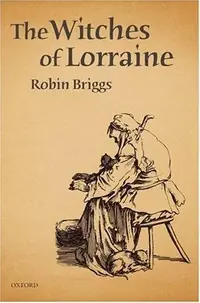
The Witches of Lorraine
Briggs, Robin 82
82
 Editorial score
How we rate
Editorial score
How we rate
Stock reported in the catalog; fulfillment is confirmed with your request.
Unearth forgotten tales from Europe's richest witch trial archives, revealing surprising truths about community and magic.
Delve into the unparalleled archives of Lorraine's 16th and 17th-century witch trials, uncovering the complex social fabric that shaped beliefs. This study goes beyond mere persecution, exploring how suspected witches interacted with their communities for years before legal action. It reveals a startling perception of witchcraft as a potential cure, where accused individuals might be compelled to reverse ailments. Beyond the fantastical tales of sabbats and shapeshifting, discover the roles of cunning-folk and the unexpected prevalence of male accused within this crucial historical period.
This work sits firmly within the historiography of early modern European witchcraft, specifically focusing on the Lorraine region during the 16th and 17th centuries. It contributes to the scholarly understanding of how local social dynamics influenced legal proceedings and communal beliefs about magic.


📝 Description: The Witches of Lorraine
💎 Expert review
📖 Why choose it
Why this book is worth reading
Readers fascinated by the intersection of law, community, and superstition will find this study deeply rewarding. It offers a refreshing perspective that moves beyond the simplistic narrative of mass persecution to highlight the nuanced social fabric of early modern Europe. You will discover how suspected witches were often viewed as potential healers, compelled to reverse ailments within their villages. This book is essential for those interested in the daily lives of cunning-folk and the surprising prevalence of male accused during this era. It provides a grounded, archival-based look at how magic functioned as both a feared curse and a sought-after remedy, making it ideal for history buffs seeking depth over sensationalism.
⭐ Reader reviews
Reader rating
Briggs delivers a rigorous, archive-driven analysis that challenges romanticized notions of witchcraft. While the focus on Lorraine is specific, the insights into social cohesion are broad. However, readers seeking lurid tales of sabbats or shapeshifting may find the tone too academic and dry. The book prioritizes legal and social history over mystical experience, so those looking for esoteric practice guides will be disappointed. It is a serious scholarly work, not a popular account, requiring patience for its detailed examination of trial documents rather than immediate narrative thrills.
❓ Frequently asked questions
📖 Who should read this
If you seek a deep dive into the human dimensions of historical witchcraft, beyond mere persecution narratives, this book is for you. It offers unparalleled insight into community psychology, folk beliefs, and the surprising therapeutic aspects of an often-misunderstood historical phenomenon.
🎯 Key themes and symbolism
Community Dynamics & Accusation
Explore the intricate web of relationships between alleged witches and their neighbors, often predating formal accusations by years. This analysis sheds light on the slow burn of suspicion and the nuanced social pressures that led to eventual legal proceedings, highlighting the often-reluctant path to formal charges within the early modern community.
Therapeutic Witchcraft
Uncover the surprising conclusion that witchcraft wasn't solely feared but also perceived as a means of healing. Discover how individuals believed accused witches could be coerced into removing curses or illnesses they were thought to have inflicted, offering a unique perspective on pre-modern folk medicine and spiritual intervention within the duchy.
Diverse Witchcraft Beliefs
Investigate the broader spectrum of popular occult beliefs prevalent in Lorraine, from the more sensational accounts of nocturnal sabbats and shapeshifting to the practical roles of local cunning-folk. The book also examines the significant presence and characteristics attributed to male individuals accused of witchcraft, broadening the common narrative significantly.
💬 Quotes from the book
“The astonishing conclusion emerges that accusations were not always solely punitive; often, the community's primary goal was to compel the accused to *undo* the perceived harm, suggesting a surprising therapeutic dimension to early modern witchcraft.”
“Far from isolated acts of malice, the detailed trial records consistently illustrate years of complex, often fraught, social negotiations and interpersonal disputes preceding any formal charge of witchcraft.”
📜 Historical context
📚 Glossary
- Devins
- Sabbat
- Duchy of Lorraine
📔 Questions to reflect on
- How does the concept of 'therapeutic witchcraft' challenge your preconceived notions about historical witch trials and their motivations?
- Consider the role of community interaction and social tension in shaping beliefs about magic. How might similar dynamics manifest in modern social conflicts?
- If you lived in 17th-century Lorraine, how might your understanding of illness and healing be influenced by the presence of cunning-folk and accused witches?
✍️ More books by this author Briggs, Robin
All books by this author →
🏛 Books from this publisher OUP Oxford
All books from this publisher →


You might also like
See more →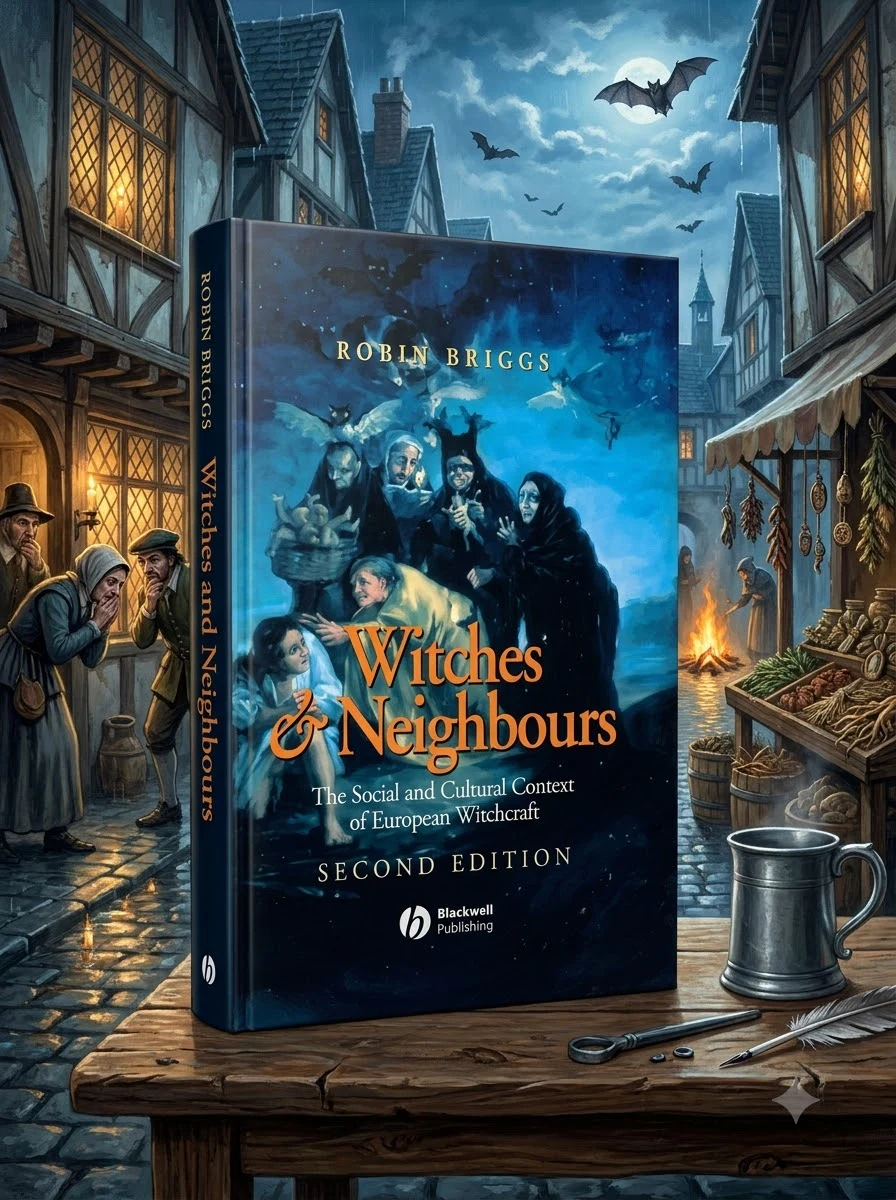

 91
91