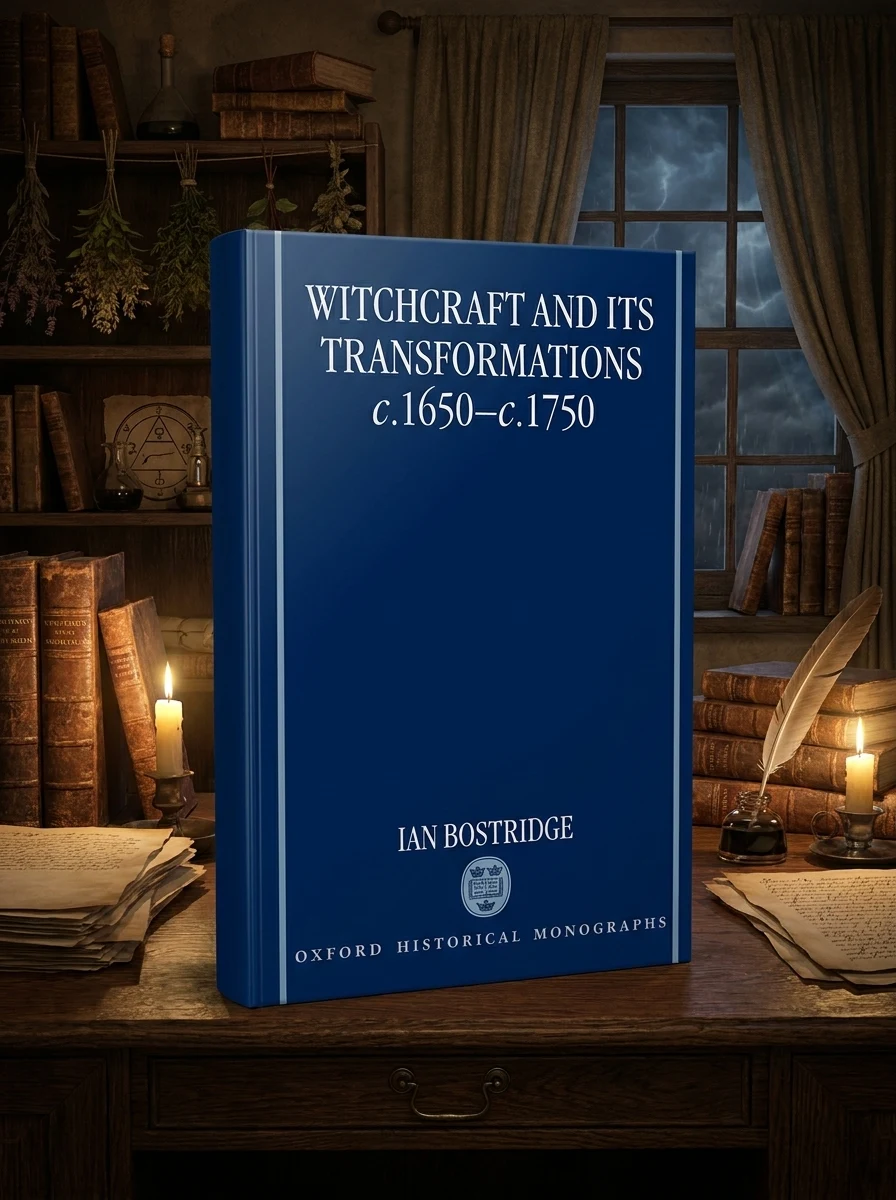
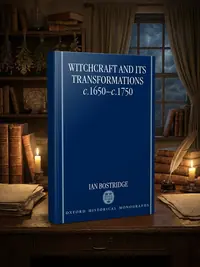
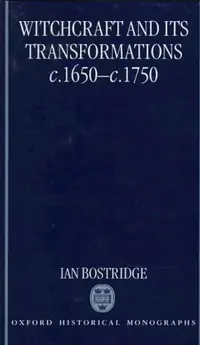
Witchcraft and Its Transformations, C. 1650 - C. 1750 Bostridge, Ian
 84
84
 Editorial score
How we rate
Editorial score
How we rate
Stock reported in the catalog; fulfillment is confirmed with your request.
Unearth the forgotten history of English witchcraft, from fervent belief to societal decline.
Bostridge masterfully delves into the profound role witchcraft played in English society between 1650 and 1750. This insightful work transcends mere historical recounting, meticulously detailing how beliefs in magical malevolence permeated public life, influenced legal systems, and shaped communal interactions. He meticulously charts the nuanced shift from widespread conviction to a more skeptical, yet still resonant, understanding of the occult. This is an essential exploration for anyone seeking to comprehend the true cultural impact of magic during a pivotal century of transformation.
This work situates itself within the historiography of early modern English society, examining the pivotal transition period where fervent belief in magical malevolence began to wane amid growing skepticism. It contributes to the broader understanding of how occult practices permeated public life and legal systems before their societal decline.


📝 Description: Witchcraft and Its Transformations, C. 1650 - C. 1750 Bostridge, Ian
💎 Expert review
📖 Why choose it
Why this book is worth reading
Readers deeply interested in the nuanced intersection of law, community dynamics, and occult belief during a pivotal century of transformation will find this text invaluable. Ian Bostridge offers an essential exploration for those seeking to comprehend the true cultural impact of magic as it shifted from widespread conviction to a more skeptical understanding. If you are fascinated by how beliefs in magical malevolence influenced legal systems and shaped communal interactions, this meticulous charting of England's forgotten witchcraft history provides profound insight into societal change.
⭐ Reader reviews
Reader rating
Bostridge delivers a masterful, insightful dive into the profound role witchcraft played in English society between 1650 and 1750. While his meticulous detailing of public life and legal influences is commendable, this book is not suited for readers seeking simple narratives or quick summaries. It demands patience from those expecting straightforward accounts rather than a complex exploration of societal shifts. Readers looking for light entertainment or unverified sensationalism will find little here; this is a serious academic work requiring engagement with dense historical analysis and nuanced cultural critique.
❓ Frequently asked questions
📖 Who should read this
If you're fascinated by the intersection of history, sociology, and the esoteric, or curious about the decline of magical thinking in early modern Europe, this book is an indispensable guide. It offers a rigorous, yet accessible, deep dive into a compelling and often misunderstood period.
🎯 Key themes and symbolism
Public Life's Occult Influence
This study reveals how deeply witchcraft beliefs were interwoven into the fabric of 17th and 18th-century English society. It examines how these convictions weren't relegated to the fringes but actively shaped legal proceedings, communal anxieties, and intellectual discourse, demonstrating their pervasive and often profound impact on everyday existence and governance.
Belief's Shifting Sands
Bostridge meticulously traces the evolution of societal attitudes towards witchcraft during a century of Enlightenment thought. He explores the complex interplay between traditional folklore, religious fervor, and emerging scientific rationalism, showing how public perception gradually shifted from an unquestioning acceptance of demonic pacts to a more nuanced, though still superstitious, understanding of the supernatural.
Witchcraft's Social Function
Beyond mere fear of magic, the book illuminates the critical social functions that witchcraft accusations and beliefs served. It unpacks how these phenomena acted as outlets for communal tensions, moral policing, and explanations for misfortune, offering a window into the psychological and sociological underpinnings of a society grappling with change and the unknown.
💬 Quotes from the book
“The belief in malevolent magic, while waning among the educated elite, stubbornly persisted within the broader populace, manifesting in local accusations long after statutory repeal.”
“Beyond mere superstition, witchcraft accusations served as a lens through which societal anxieties about deviance, property, and moral decay were intensely scrutinized and often violently resolved.”
📜 Historical context
📚 Glossary
- Daemonology
- Malleus Maleficarum
- Enlightenment
📔 Questions to reflect on
- How might deeply ingrained cultural beliefs, like those concerning witchcraft, continue to influence modern societal fears or conspiracy theories, even if their forms have changed?
- Consider how shifts in scientific or philosophical understanding, similar to the Enlightenment's impact on witchcraft beliefs, have reshaped your own worldview or societal norms.
- Reflect on the role that "othering" or demonizing certain groups played in historical witchcraft accusations, and how similar patterns might manifest in contemporary social dynamics.
📖 From the series “Oxford Historical Monographs”
All books in the series →
🏛 Books from this publisher OUP Oxford
All books from this publisher →

You might also like
See more →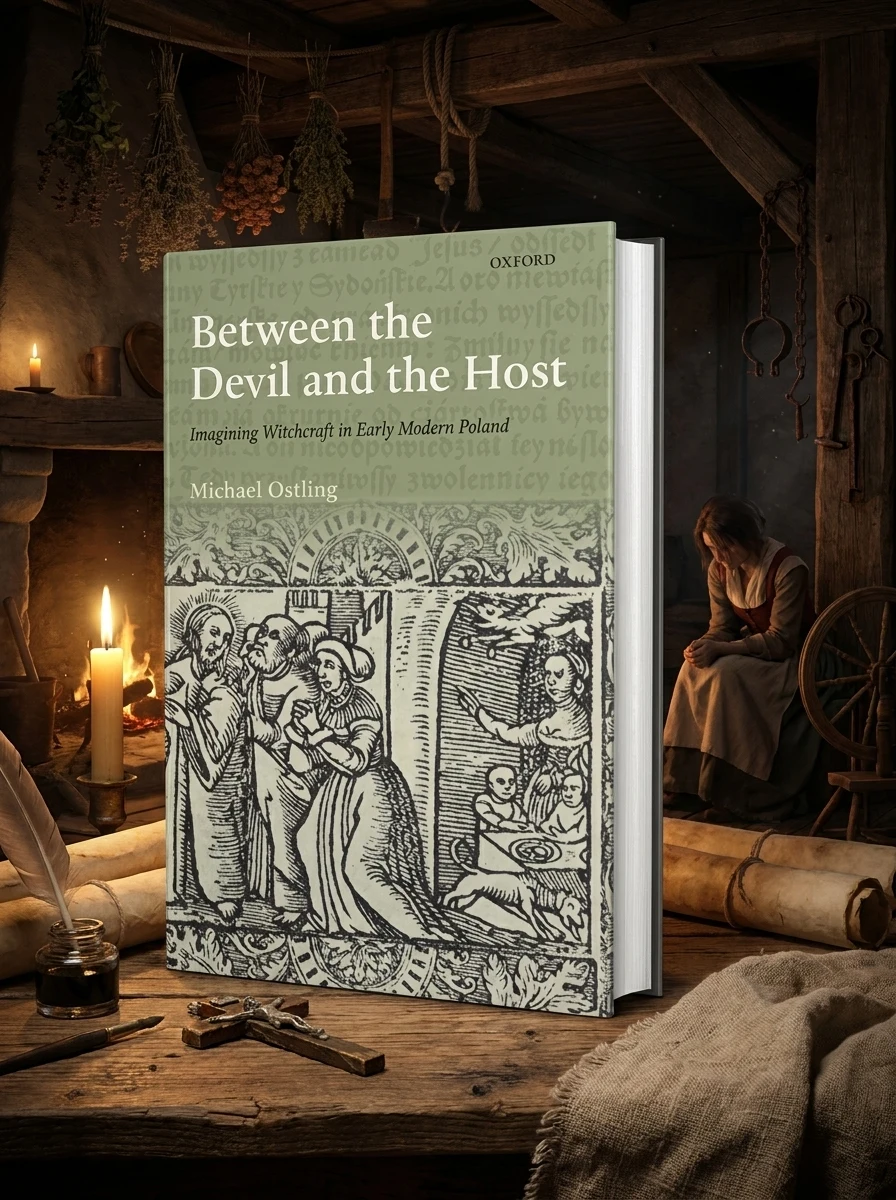
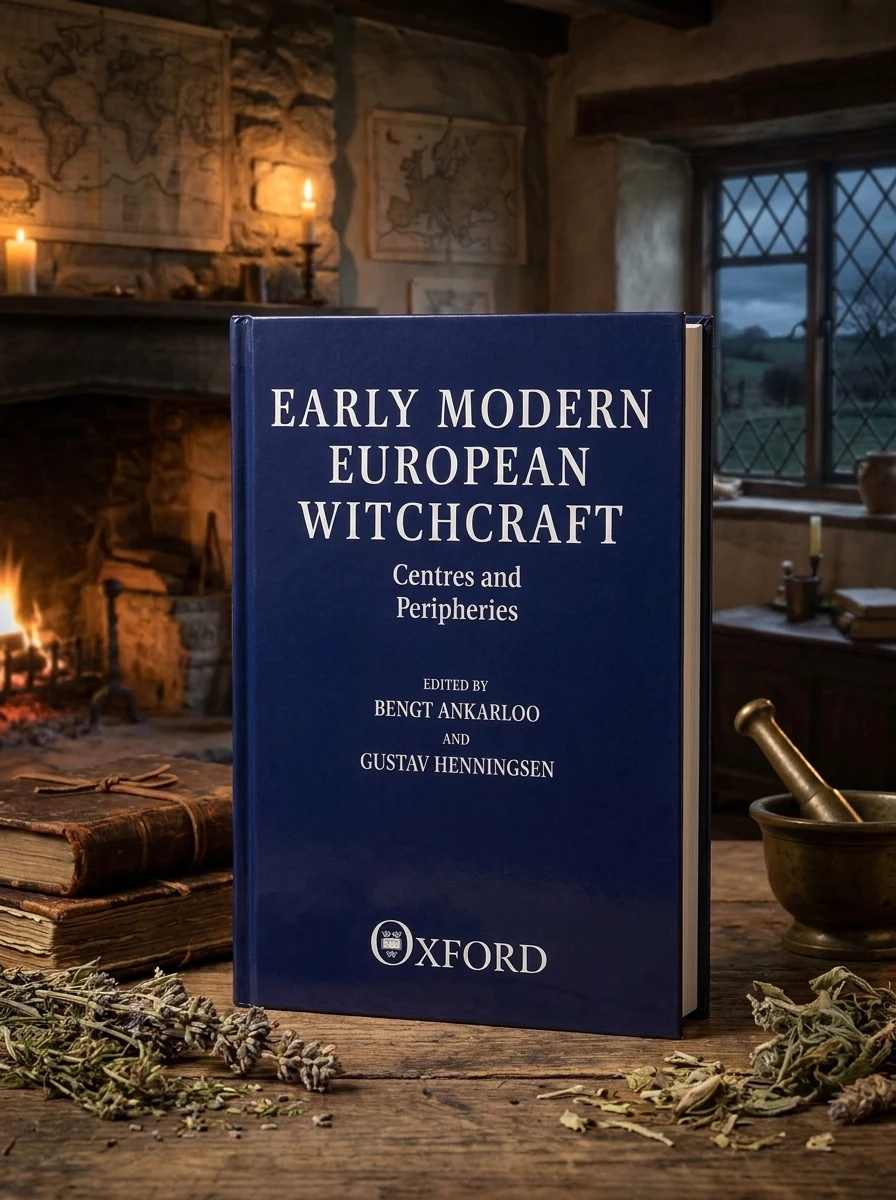
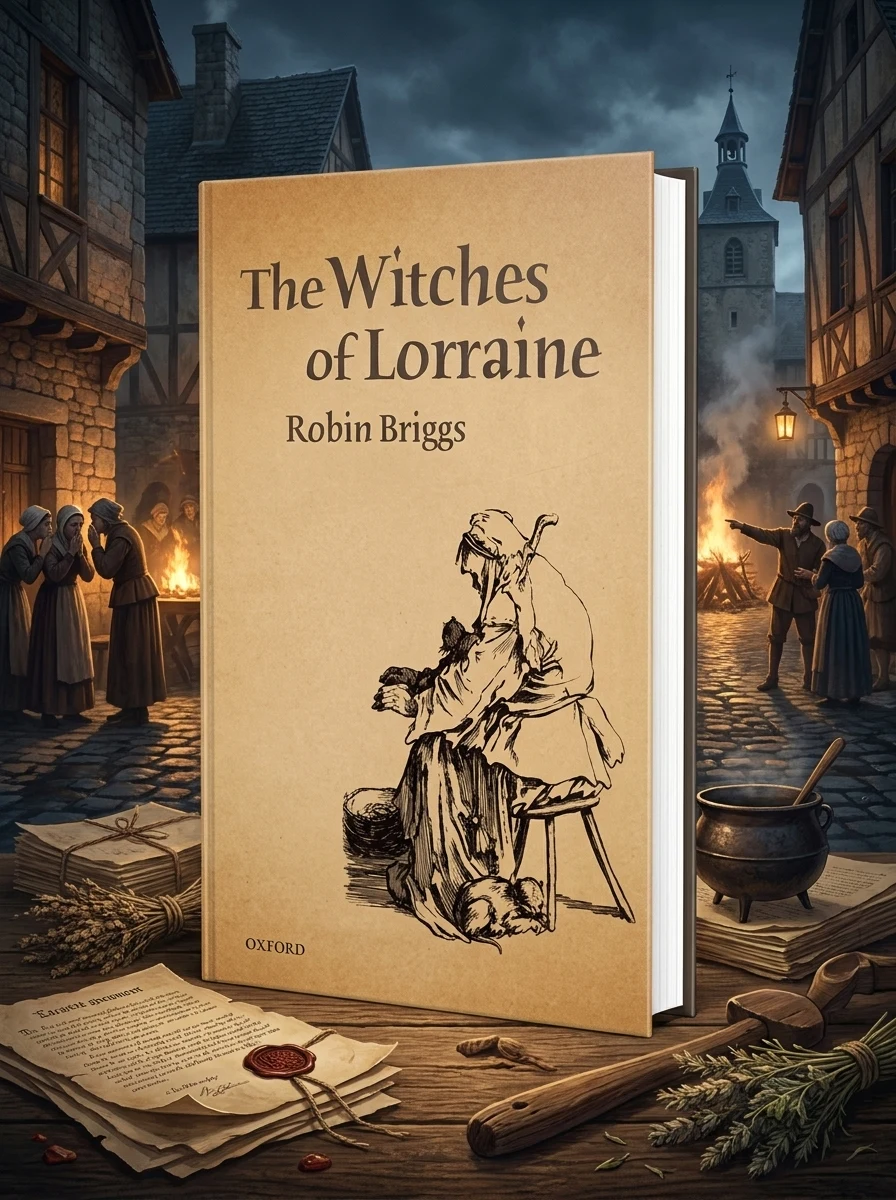
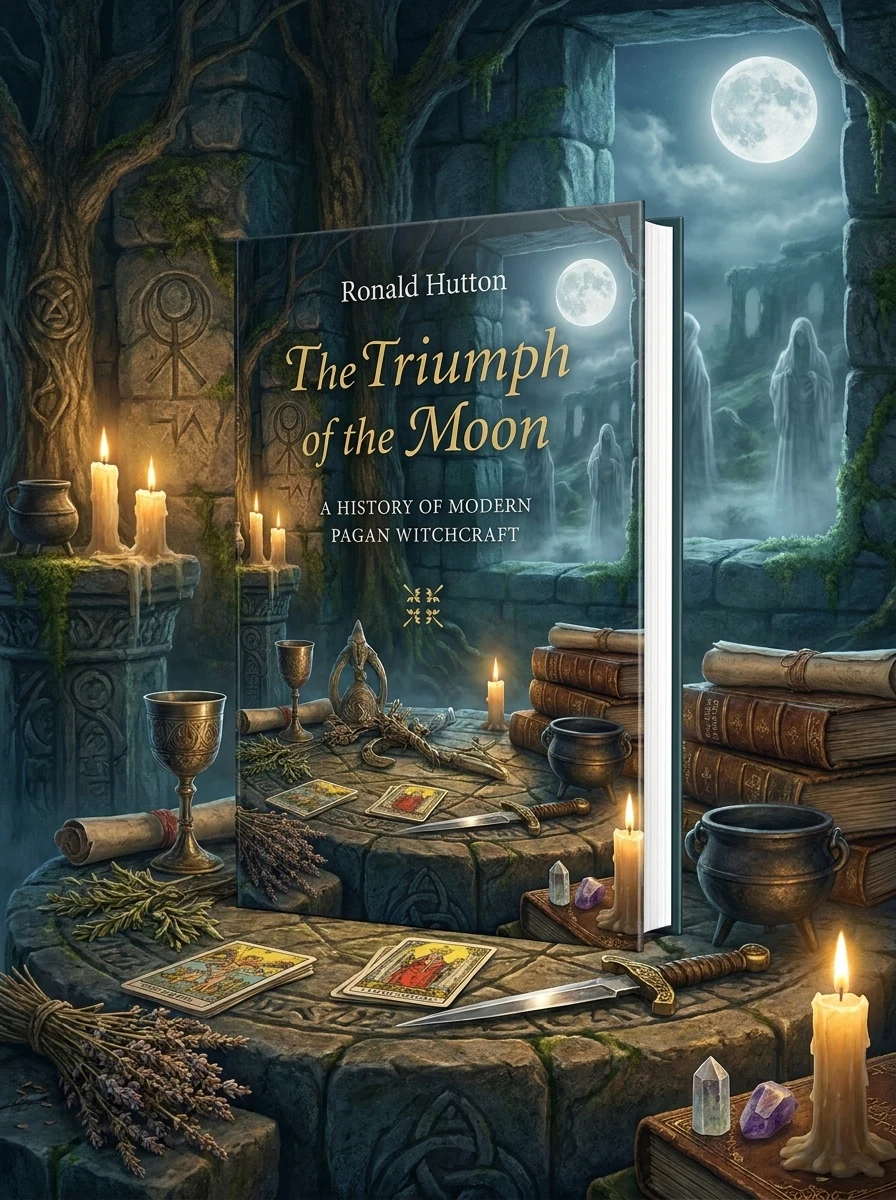
 91
91