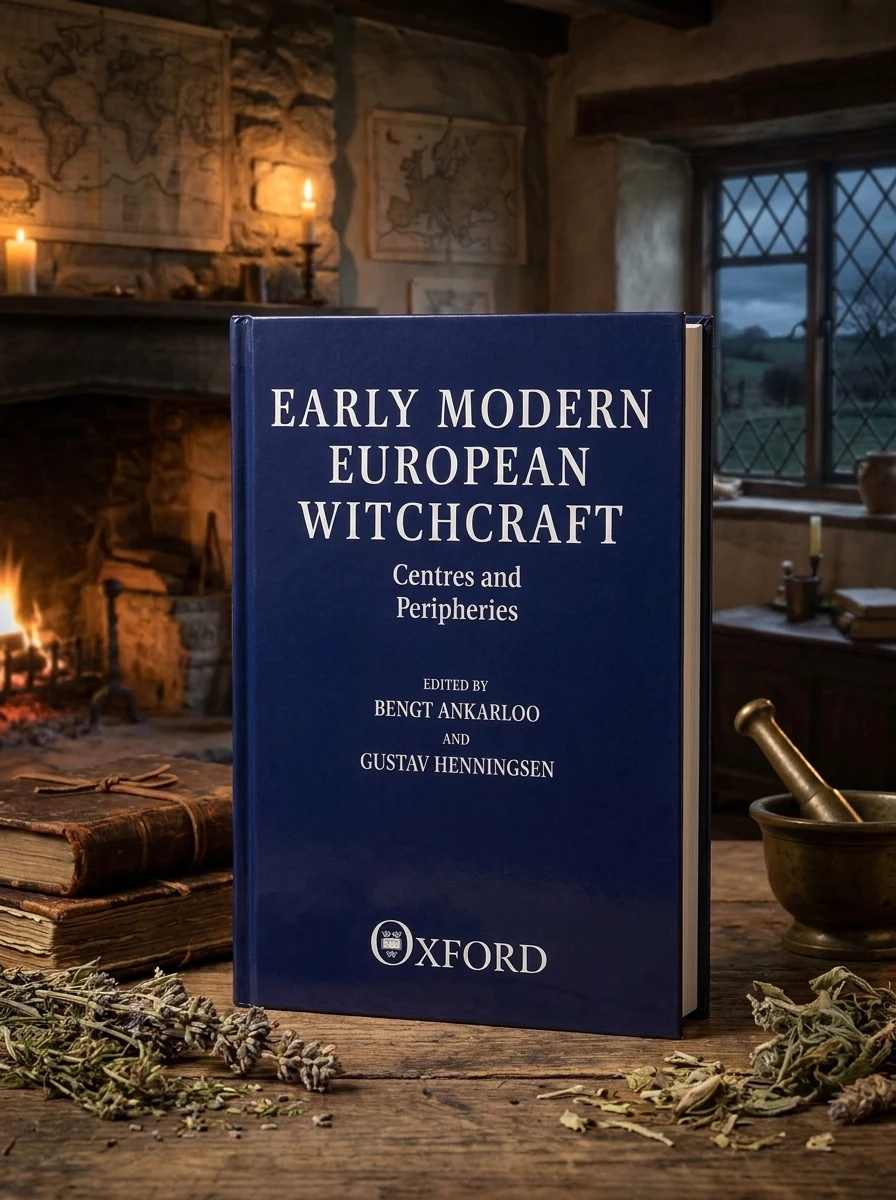
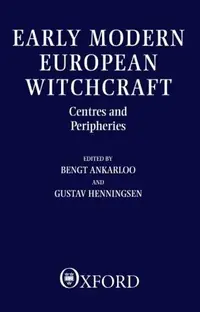
Early Modern European Witchcraft: Centres and Peripheries Ankarloo, Bengt
 85
85
 Editorial score
How we rate
Editorial score
How we rate
Stock reported in the catalog; fulfillment is confirmed with your request.
Unearth Europe's overlooked witchcraft narratives, challenging conventional wisdom.
For too long, the study of European witchcraft has been filtered through a narrow Anglo-Saxon lens, obscuring the rich, complex tapestry of belief and persecution across the continent. This seminal collection, edited by Ankarloo and Henningsen, boldly challenges these conventional perspectives, offering a panoramic view that brings the vibrant 'peripheries' into sharp focus. It meticulously re-examines historical records and cultural nuances, providing a more nuanced and expansive understanding of magical practices, societal anxieties, and legal responses to sorcery during the Early Modern period, redefining what we thought we knew about European witchcraft.
This scholarly volume situates European witchcraft studies within the Early Modern period, specifically addressing the historiographical shift away from Anglo-Saxon-centric narratives toward a broader continental perspective. It contributes to the academic discourse on cultural history and legal anthropology by examining the diverse regional centers and peripheries of sorcery prosecutions.


📝 Description: Early Modern European Witchcraft: Centres and Peripheries Ankarloo, Bengt
💎 Expert review
📖 Why choose it
Why this book is worth reading
This text is essential for serious scholars, historians, and advanced enthusiasts who feel constrained by traditional Western-centric accounts of witchcraft. By centering the 'peripheries,' it offers a vital corrective to established narratives, revealing how local cultural nuances and societal anxieties shaped magical practices across Europe. Readers seeking to understand the complex tapestry of belief, persecution, and legal responses beyond the familiar Anglo-Saxon lens will find this collection indispensable. It provides a panoramic view that redefines our understanding of Early Modern sorcery, making it a crucial resource for anyone dedicated to uncovering the overlooked narratives that have long been obscured by conventional wisdom.
⭐ Reader reviews
Reader rating
While this collection is a seminal contribution to historiography, it is not for casual readers or those seeking dramatic, narrative-driven accounts of witch trials. The dense academic prose and focus on structural analysis may alienate general audiences expecting accessible storytelling. It requires patience and a background in historical study to fully appreciate the meticulous re-examination of records. However, for experts in early modern history, religious studies, or gender studies, it offers profound insights into the cultural mechanics of persecution. It is a rigorous, necessary work that demands engagement rather than passive consumption.
❓ Frequently asked questions
📖 Who should read this
If you've delved into the history of witchcraft and found yourself craving a broader, more nuanced understanding beyond the familiar English trials, this book is for you. It's essential for anyone seeking to deepen their grasp of Early Modern European societal beliefs and the diverse interpretations of magic.
🎯 Key themes and symbolism
Comparative Witchcraft Studies
This collection boldly expands the geographical scope of witchcraft studies, moving past the common focus on English and Scottish cases. By exploring varied regions across Europe, it reveals how local cultures, legal systems, and religious beliefs dramatically shaped the experience and perception of magic and its persecution, offering a truly continental perspective.
Redefining Witchcraft
The book critically reassesses established definitions and understandings of witchcraft and sorcery. It argues that a singular, Anglo-Saxon-centric approach has blurred our comprehension of the diverse phenomena grouped under these terms, urging readers to consider the distinct historical and social contexts that informed accusations and beliefs throughout Europe.
The European Peripheries
Shifting focus from well-studied centers, this work illuminates the unique manifestations of witchcraft beliefs and persecutions in less-examined European regions. It highlights how these 'peripheries' offer crucial insights into the broader historical landscape, demonstrating the variability and local adaptations of what was broadly understood as supernatural transgression.
💬 Quotes from the book
“The very definition of 'witchcraft' proves deeply mutable when examined through the diverse legal and cultural frameworks of Early Modern Europe's varied regions.”
“To understand the full scope of the European witch hunts, one must look beyond the well-trodden paths of England and Germany, towards the vibrant, often overlooked narratives of the continent's fringes.”
📜 Historical context
📚 Glossary
- Early Modern Europe
- Sorcery
- Peripheries
📔 Questions to reflect on
- Consider how your understanding of 'witchcraft' might be influenced by popular culture. How does a broader, pan-European historical perspective challenge or confirm those assumptions?
- If the Anglo-Saxon perspective has 'blurred our understanding,' what specific aspects of witchcraft history do you think might have been misrepresented or overlooked by a narrow focus?
- Reflect on how local customs, legal systems, or religious beliefs in different European regions could have led to distinct forms of accusation, trial, or punishment for sorcery.
🏛 Books from this publisher OUP Oxford
All books from this publisher →
You might also like
See more →