Between the Devil and the Host: Imagining Witchcraft in Early Modern Poland Ostling, Michael
Ostling, Michael 85
85
 Editorial score
How we rate
Editorial score
How we rate
Stock reported in the catalog; fulfillment is confirmed with your request.
Uncover the haunting paradox of imagined witches and their devastating reality in early modern Poland.
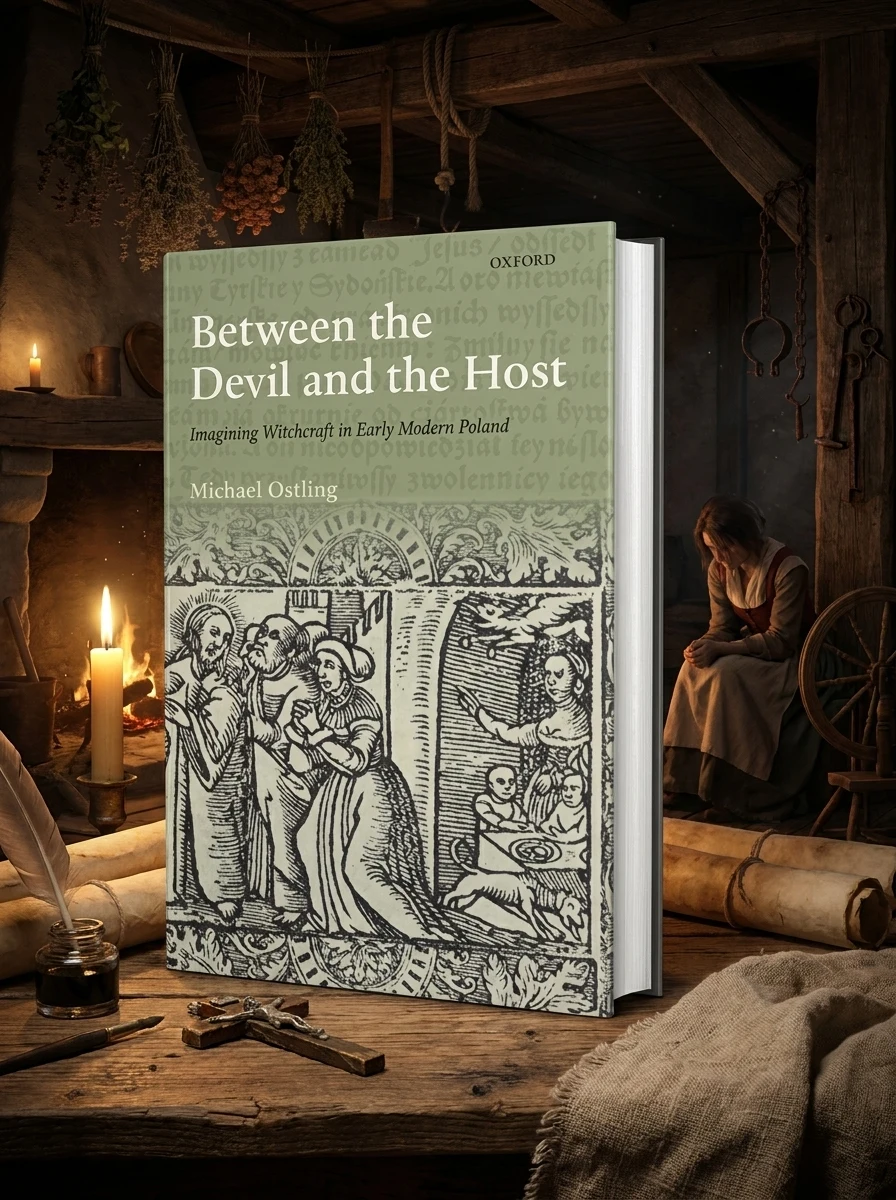
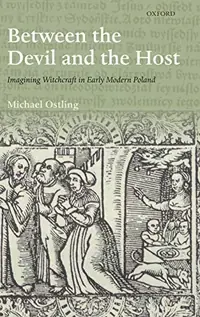
Michael Ostling's groundbreaking work delves into the chilling reality of imagined witchcraft in early modern Poland. This first English account reveals how ordinary peasant women became ensnared in intricate webs of suspicion, leading to torture and confessions of unimaginable crimes. Ostling masterfully analyzes these testimonies, showing not only how society perceived witches but also how the accused envisioned their own spiritual existence. The paradoxical narratives of infanticide and host desecration illuminate a profound Catholic piety, while tales of demonic encounters and spectral infants unveil a rich tapestry of folk beliefs at the fringes of Christian doctrine.
This work situates itself within the historiography of early modern European witchcraft, specifically examining the intersection of Catholic piety and folk beliefs in Poland. It bridges the gap between legal history and cultural anthropology by analyzing how ordinary peasants navigated spiritual suspicion.


📝 Description: Between the Devil and the Host: Imagining Witchcraft in Early Modern Poland Ostling, Michael
💎 Expert review
📖 Why choose it
Why this book is worth reading
Scholars and enthusiasts of early modern history will find this text indispensable for its unique focus on Polish witchcraft trials, often overlooked in broader Western narratives. By dissecting the paradoxical nature of accusations involving host desecration and infanticide, Ostling reveals how these charges reflected deep-seated Catholic anxieties rather than mere superstition. Readers interested in the psychological landscape of the accused will appreciate the insight into how peasant women envisioned their own spiritual existence amidst intense societal pressure. This book offers a nuanced understanding of how legal frameworks and folk beliefs intertwined to create devastating realities for ordinary individuals, making it essential for anyone seeking to understand the complex dynamics of religious persecution in Eastern Europe.
⭐ Reader reviews
Reader rating
Ostling delivers a rigorous academic analysis that may prove dense for casual readers seeking narrative flair. The work is primarily suited for historians, theologians, and specialists in gender studies who are prepared to engage with complex primary source testimonies and theoretical frameworks. It does not suit those looking for sensationalist accounts of witch hunts or accessible general history without scholarly apparatus. While the insights into Catholic piety and folk belief are profound, the academic tone and specific regional focus limit its broad appeal. Readers expecting a straightforward chronological account of trials may find the thematic analysis challenging but ultimately rewarding for its depth.
❓ Frequently asked questions
📖 Who should read this
If you're drawn to the intricate history of witchcraft persecutions, particularly in lesser-known Eastern European contexts, or seek to understand the profound interplay between collective imagination, religious belief, and tragic societal outcomes, this book offers an essential, nuanced exploration.
🎯 Key themes and symbolism
Imagined Witches, Real Consequences
This book vividly illustrates how societal fears and collective imagination conjured the figure of the witch, leading to devastatingly real persecutions and suffering. It explores the powerful chasm between a fictional construct and its profound, tragic impact on individuals and communities in early modern Poland, highlighting the mechanisms of belief and accusation.
Piety and Profanity Intertwined
Ostling meticulously examines how confessions of demonic pacts and sacrilege, extracted under duress, paradoxically reveal a deep-seated Catholic religiosity. The accused's narratives, even when detailing heinous acts like host desecration, often mirror and subvert orthodox Christian beliefs, offering a unique window into the era's spiritual landscape.
Folklore's Shadow on Orthodoxy
Beyond official doctrine, the book unearths a rich tapestry of folk beliefs that shaped the accusations and confessions. Stories of treasure-bringing ghosts of unbaptized babies and demonic encounters expose a vibrant, often contradictory, popular cosmology coexisting with formal Christianity, revealing a complex spiritual world at the margins.
💬 Quotes from the book
“The tragedy of the early modern witch trials lay precisely in the devastating gap between the spectral figment of a witch and the very real human suffering it engendered.”
“Paradoxically, the most blasphemous confessions, extracted under duress, often served as distorted mirrors reflecting the profound Catholic piety and rich folk beliefs of the accused.”
📜 Historical context
📚 Glossary
- Host Desecration
- Early Modern Period
- Folk Cosmology
📔 Questions to reflect on
- How do contemporary fears and collective anxieties create "imagined enemies" in our own time, and what real-world consequences do they have?
- Consider the paradox presented in the book: how might expressions of extreme transgression or heresy, even under duress, still reveal underlying adherence to a belief system?
- Reflect on the role of folklore and popular belief systems operating at the "margins of orthodoxy" in shaping cultural understanding and individual experience today.
✍️ More books by this author Ostling, Michael
All books by this author →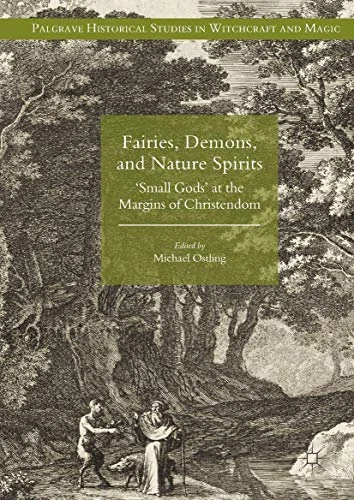
🏛 Books from this publisher OUP Oxford
All books from this publisher →
You might also like
See more →
 91
91