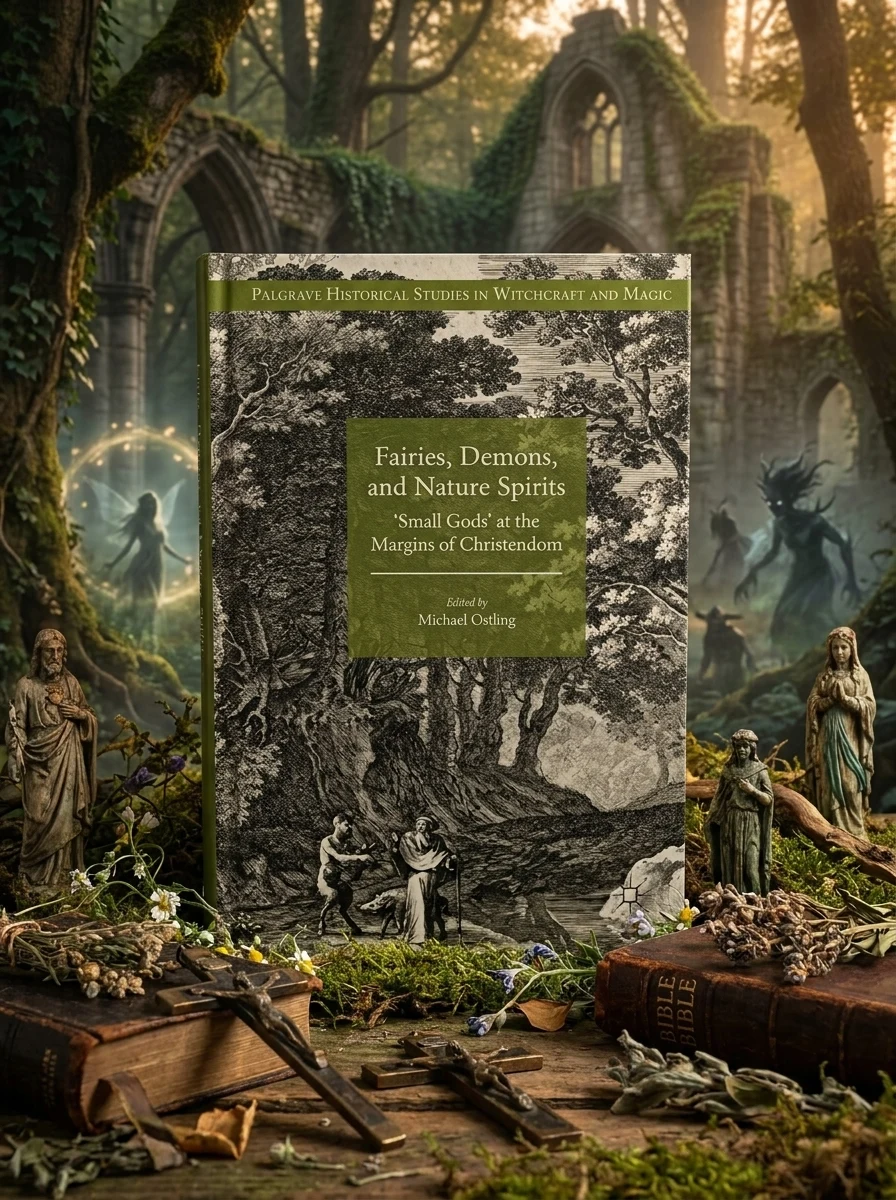
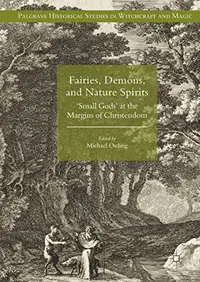
Fairies, Demons, and Nature Spirits: 'Small Gods' at the Margins of Christendom (2018) Ostling, Michael
Ostling, Michael 88
88
 Editorial score
How we rate
Editorial score
How we rate
Stock reported in the catalog; fulfillment is confirmed with your request.
Uncover the forgotten history where Christian faith met the ancient 'small gods' of the wild.
Michael Ostling's profound study delves into the intricate and often contested relationship between burgeoning Christian doctrine and the enduring presence of lesser supernatural entities. This book meticulously traces how figures like fairies, nature spirits, and even specific demonic manifestations were understood, assimilated, or actively resisted at the fringes of Christian influence. It's a journey through centuries of cultural and spiritual negotiation, illuminating the vibrant esoteric landscape that persisted alongside, and sometimes within, dominant theological frameworks, drawing on diverse scholarly perspectives to paint a comprehensive picture.
This work situates itself within the scholarly exploration of European religious history, specifically examining the liminal spaces where orthodox Christian doctrine intersected with persistent folk beliefs in lesser supernatural entities.


📝 Description: Fairies, Demons, and Nature Spirits: 'Small Gods' at the Margins of Christendom (2018) Ostling, Michael
💎 Expert review
📖 Why choose it
Why this book is worth reading
Readers fascinated by the complex tapestry of European spiritual history will find profound value in Ostling’s meticulous study. It offers a unique lens through which to view the negotiation between established Christian theology and the enduring, vibrant presence of nature spirits and 'small gods' at the fringes of influence. Those interested in how cultural identities were formed through the assimilation or resistance of these lesser supernatural entities will appreciate the comprehensive scholarly perspective. This book is essential for anyone seeking to understand the esoteric landscape that persisted alongside dominant frameworks, revealing how ancient beliefs survived and adapted within the margins of Christendom.
⭐ Reader reviews
Reader rating
Ostling provides a dense, academic examination of the contested relationship between Christian doctrine and folk supernatural entities. While thorough in its tracing of cultural negotiation, this text is strictly for those with an interest in historical theology and esoteric anthropology. It is not suitable for casual readers seeking accessible folklore tales or practical magical instruction. Scholars might find some repetitive arguments regarding assimilation, and general audiences may struggle with the rigorous scholarly tone. However, it remains a vital resource for understanding the specific historical context of 'small gods' within religious boundaries.
❓ Frequently asked questions
📖 Who should read this
If you're fascinated by the hidden corners of religious history, the survival of ancient beliefs, or the intricate dance between theology and folklore, this book offers a rigorous and insightful exploration. It's perfect for seekers of depth in the study of spiritual traditions and cultural anthropology.
🎯 Key themes and symbolism
Christian Encounters with Spirits
Explores the varied ways Christian societies throughout history grappled with indigenous beliefs in non-demonic or non-angelic supernatural beings. It examines the theological justifications and cultural adaptations that arose when these 'small gods' intersected with the Christian worldview, often revealing surprising accommodations.
Defining the Demonic
Investigates how the Christian framework categorized and understood spirits that didn't fit neatly into angelic or human categories, often labeling them as demonic. This section uncovers the evolving definitions of evil and the supernatural within a monotheistic context, showcasing historical debates and interpretations.
Syncretism and Marginal Beliefs
Discusses the porous boundaries between official church dogma and popular folklore, highlighting instances where ancient nature spirits and local deities persisted, sometimes disguised, within a predominantly Christian landscape. It shows how these traditions influenced everyday life and spiritual practices at the grassroots level.
💬 Quotes from the book
“The persistent vitality of local spirits, even under the shadow of universalizing doctrines, reveals a fascinating tension between official theology and lived experience.”
“Categorizing the ambiguous, the liminal, and the ancient within a burgeoning monotheistic framework was an intellectual and spiritual challenge of immense proportions.”
📜 Historical context
📚 Glossary
- Small Gods
- Syncretism
- Christendom
📔 Questions to reflect on
- How might modern secular societies still grapple with echoes of 'small gods' or unexplained phenomena, similar to how early Christians did?
- Consider a local folk tradition or superstition you know. How does it reflect a potential syncretism of older beliefs with dominant religious views?
- In what ways do contemporary occult or esoteric practices draw upon the very 'small gods' that historical Christianity sought to redefine or suppress?
📖 From the series “Palgrave Historical Studies in Witchcraft and Magic”
All books in the series →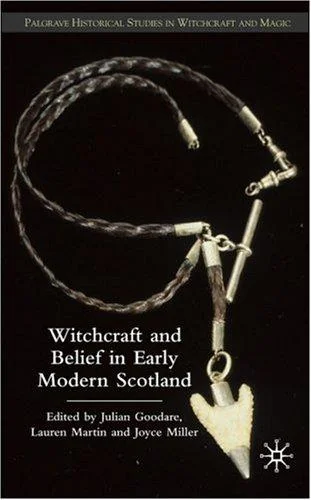
✍️ More books by this author Ostling, Michael
All books by this author →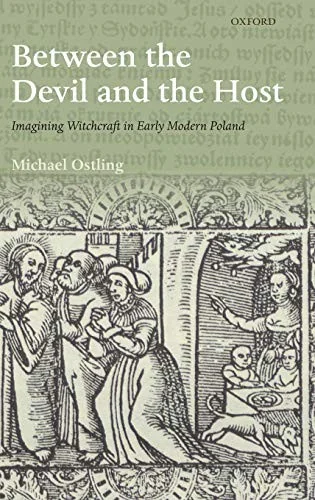
🏛 Books from this publisher Palgrave MacMillan
All books from this publisher →
You might also like
See more →