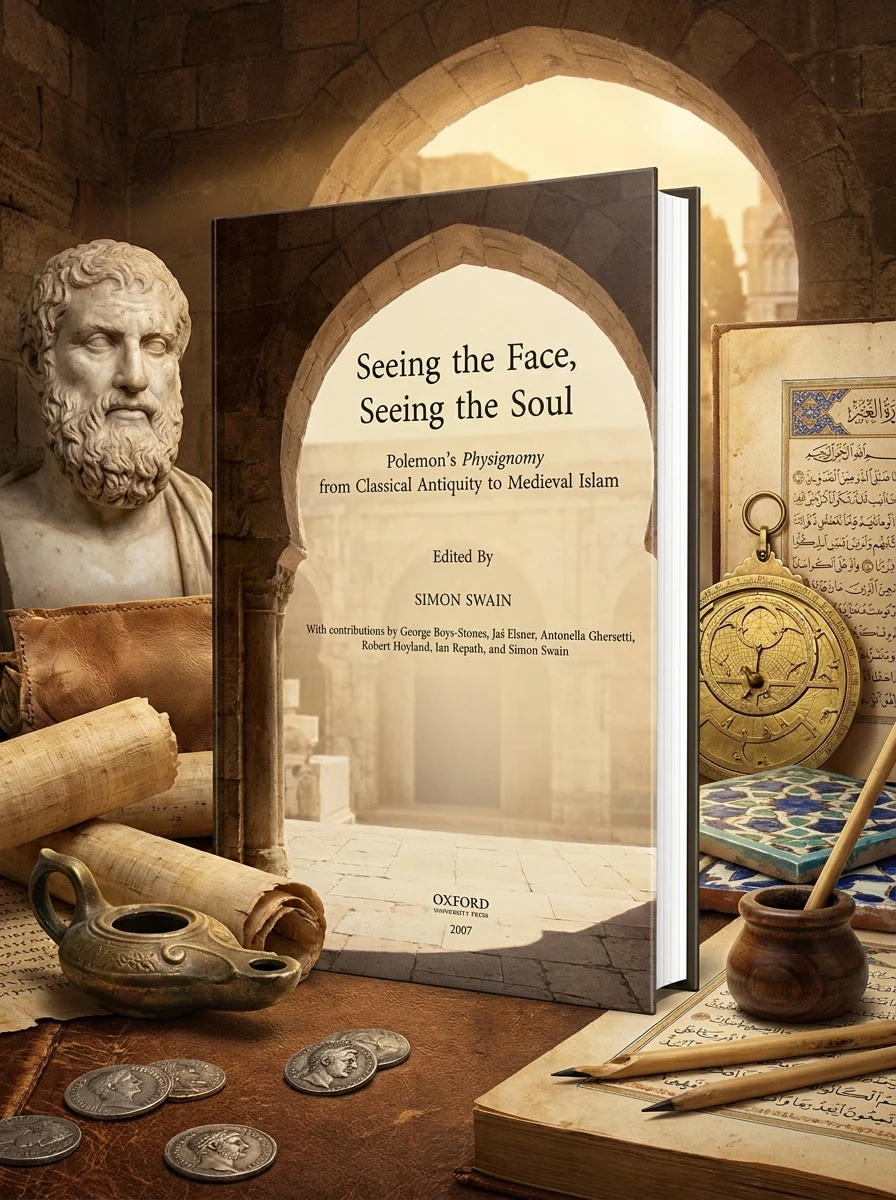
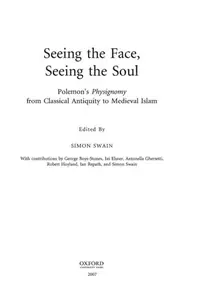
Seeing the Face, Seeing the Soul: Polemon's Physiognomy from Classical Antiquity to Medieval Islam
 85
85
 Editorial score
How we rate
Editorial score
How we rate
Stock reported in the catalog; fulfillment is confirmed with your request.
Unmask hidden intentions: decipher character from every face you meet.
Step into the ancient art of physiognomy with this definitive collection of Polemon's seminal work. Hailing from Laodicea during the vibrant Second Sophistic, Polemon crafted a practical guide for discerning a person's inner nature from their outward appearance. This volume meticulously reconstructs and translates the various surviving versions of his *Physiognomy*—from Greek and Latin to Syriac and Arabic—providing an unprecedented look into its enduring legacy. Expert essays illuminate its origins, function, and profound influence across classical antiquity and medieval Islamic thought, making this an essential resource for scholars and enthusiasts alike.
This work bridges the intellectual traditions of classical antiquity and medieval Islam, exploring how physiognomy evolved from Polemon's Greek origins through Latin, Syriac, and Arabic transmissions.


📝 Description: Seeing the Face, Seeing the Soul: Polemon's Physiognomy from Classical Antiquity to Medieval Islam
💎 Expert review
📖 Why choose it
Why this book is worth reading
This volume is an indispensable resource for scholars and serious enthusiasts who wish to understand the historical trajectory of physiognomy. By meticulously reconstructing Polemon’s seminal work across multiple languages, it offers a unique window into how character was discerned from appearance in ancient times. Readers interested in the intersection of psychology, philosophy, and cultural history will find immense value in seeing how these ideas persisted and transformed through classical antiquity and into medieval Islamic thought. It is essential for anyone seeking to grasp the profound influence of this ancient art on subsequent intellectual traditions.
⭐ Reader reviews
Reader rating
While this book provides an unprecedented look at Polemon’s legacy, it is strictly academic in nature. It does not suit casual readers or those seeking a practical, modern self-help guide to 'deciphering character.' The dense scholarly essays and focus on textual reconstruction may overwhelm those looking for accessible advice. However, for historians of philosophy and experts in classical or Islamic studies, it is a vital, rigorous contribution that successfully maps the enduring impact of physiognomy across diverse cultural landscapes.
❓ Frequently asked questions
📖 Who should read this
For scholars of classical antiquity, students of esoteric traditions, or anyone fascinated by the enduring human desire to understand character through outward signs, this book offers an unparalleled journey into ancient psychological thought and cross-cultural intellectual exchange.
🎯 Key themes and symbolism
Ancient Character Assessment
Polemon's *Physiognomy* offers a detailed manual for interpreting human character based on physical traits, particularly facial features. This book explores how this ancient system provided a framework for social navigation, enabling readers to identify potential allies or adversaries through visual cues, reflecting a deep-seated human desire to understand and predict behavior.
Enduring Wisdom Transmitted
The fascinating journey of Polemon's text is a testament to its profound impact. This collection traces its evolution through re-editions by Adamantius, Latin adaptations, and crucial translations into Syriac and Arabic during the early Middle Ages. It highlights how ancient Greek thought was preserved, transformed, and integrated into subsequent intellectual traditions.
Cross-Cultural Intellectual Exchange
This work showcases the dynamic interplay between different cultures in the preservation and development of knowledge. By presenting parallel translations from Greek, Latin, and Arabic versions, it reveals how Polemon's ideas transcended linguistic and geographical boundaries, enriching the intellectual landscapes of the Roman, Byzantine, and Islamic worlds, and fostering a shared legacy of esoteric inquiry.
💬 Quotes from the book
“Observe the narrow brow and closely set eyes; for such a countenance often betrays a soul prone to suspicion and petty deceit.”
“By careful study of the visage, one may discern the trustworthy companion from the hidden adversary before words are ever exchanged.”
📜 Historical context
📚 Glossary
- Physiognomy
- Second Sophistic
- Polemon of Laodicea
📔 Questions to reflect on
- Reflect on instances in your own life where you have instinctively judged someone's character based on their appearance. How accurate were your initial assessments?
- Consider why the practice of physiognomy, despite its lack of scientific basis, held such widespread appeal across various ancient and medieval cultures.
- What ethical dilemmas arise when we attempt to categorize or predict human behavior solely based on physical traits?
🏛 Books from this publisher OUP Oxford
All books from this publisher →



You might also like
See more →
 91
91
 91
91