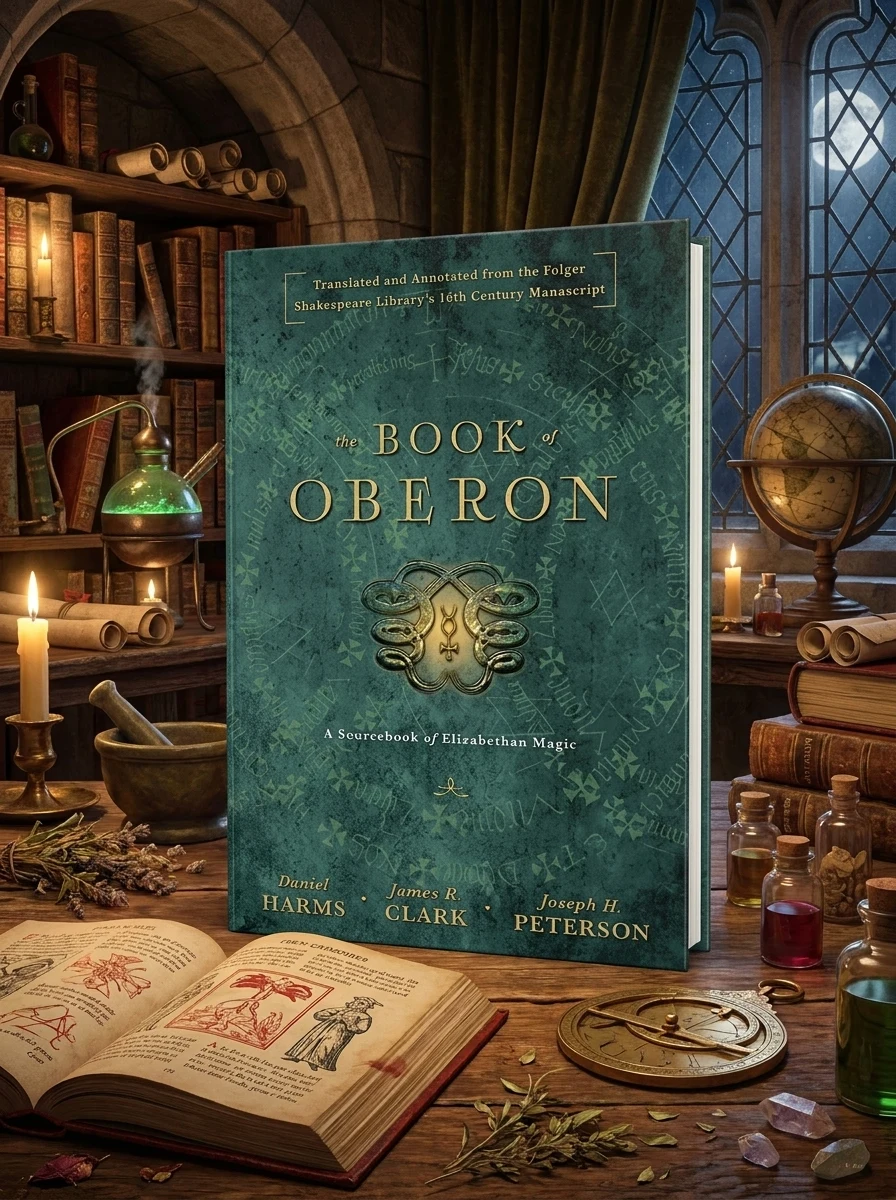
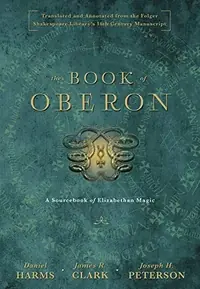
The Book of Oberon: A Sourcebook of Elizabethan Magic
Harms, DanielStock reported in the catalog; fulfillment is confirmed with your request.
Unearth a lost 16th-century grimoire, revealing the practical, uncensored magic of Elizabethan England.
This meticulously transcribed and translated volume unveils a rare 16th-century grimoire, originally housed in the esteemed Folger Shakespeare Library. Unlike many theoretical texts of its time, this collection offers practical spells, spirit summonings, and ritual instructions compiled by working magicians. Discover invocations for faeries, including the elusive Oberion, alongside uncensored Goetic workings and one of the oldest known copies of *The Enchiridion*. It's an unparalleled, lavishly illustrated glimpse into the working magic of Elizabethan England, a vital contribution to esoteric scholarship and practice.
This volume bridges the gap between historical scholarship and practical ceremonial magic by presenting a rare 16th-century grimoire from Elizabethan England. It serves as a primary source for understanding the uncensored, working traditions of that specific esoteric period.


📝 Description: The Book of Oberon: A Sourcebook of Elizabethan Magic
💎 Expert review
📖 Why choose it
Why this book is worth reading
Practitioners of ceremonial magic and historians of Western esotericism will find immense value in this meticulously transcribed volume. It offers a direct, uncensored window into the practical workings of Elizabethan England, moving beyond theory to reveal actual spells and spirit summonings used by working magicians of the era. Readers seeking to understand the historical roots of Goetic workings or the invocation of faeries like Oberion will appreciate the rare access to these original texts. The inclusion of one of the oldest known copies of *The Enchiridion* further enriches this resource, making it an indispensable addition for those dedicated to the study and practice of authentic, historical magical traditions.
⭐ Reader reviews
Reader rating
This lavishly illustrated sourcebook is a vital contribution to esoteric scholarship, offering unparalleled access to practical Elizabethan magic. It suits serious students of history and practitioners seeking authentic ritual frameworks over theoretical abstraction. However, it does not suit casual readers looking for light fantasy or simplified modern interpretations. Those expecting generic spell collections without historical context may find the rigorous transcription and translation demanding. The text’s focus on working magic and uncensored content requires a reader prepared to engage with complex, period-specific esoteric practices rather than seeking entertainment. It is a scholarly tool first, appealing only to those willing to navigate the nuances of 16th-century magical theory.
❓ Frequently asked questions
📖 Who should read this
If you're a serious practitioner of historical magic, a collector of rare grimoires, or a historian fascinated by the occult practices of the Elizabethan age, this book is an essential addition to your library. Prepare to engage directly with the authentic magical tradition.
🎯 Key themes and symbolism
Elizabethan Working Magic
This volume stands apart from its contemporaries by focusing squarely on practical application rather than esoteric theory. Readers will find a comprehensive collection of spells, charms, and detailed instructions compiled by working magicians, offering an authentic window into the day-to-day magical practices prevalent during the Elizabethan era, far removed from academic discourse.
Unveiling Forbidden Practices
Delve into sections often omitted or heavily censored in other historical grimoires, including explicit instructions for engaging with Goetic demons. Beyond these darker arts, the book also provides methods for summoning a rich pantheon of spirits and faeries, offering a complete and unvarnished view of the magical landscape of the period, as practiced by cunning folk.
Preserving Esoteric History
This publication represents a monumental effort to bring a previously inaccessible 16th-century manuscript to a wider audience. Through meticulous transcription and translation by Daniel Harms, a vital piece of magical history, once confined to library archives, is now presented in a lavish edition, ensuring its survival and study for generations of practitioners and scholars alike.
💬 Quotes from the book
“"To call upon Oberion, King of Faeries, prepare a circle of elder wood, and speak these words at the hour of midnight, holding firm your intent..."”
“"For the binding of a troublesome spirit, take three hairs from a black dog, and seven drops of consecrated oil, and write the sigil upon parchment..."”
📜 Historical context
📚 Glossary
- Grimoire
- Goetic
- Cunning Folk
📔 Questions to reflect on
- Considering the uncensored nature of *The Book of Oberon*, how do historical ethical considerations in magic differ from contemporary ones, and what implications does this have for modern practice?
- Reflect on the role of 'cunning folk' in Elizabethan society as revealed by this text. How does their pragmatic approach to magic compare to more formalized or theoretical magical traditions?
- The book includes one of the oldest known copies of *The Enchiridion*. Research the history and influence of this particular manual and discuss how its inclusion within *The Book of Oberon* enriches our understanding of the latter.
✍️ More books by this author Harms, Daniel
All books by this author →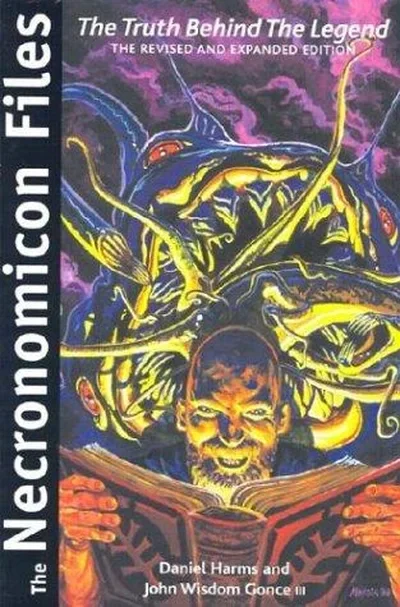
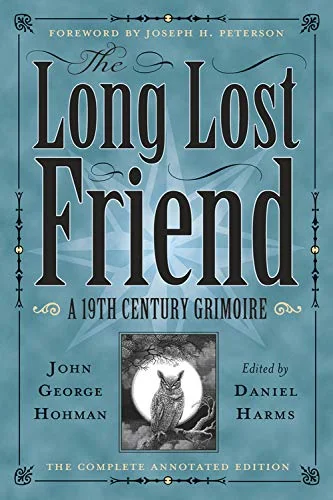
🏛 Books from this publisher Llewellyn Publications
All books from this publisher →

 89
89

You might also like
See more →

 89
89