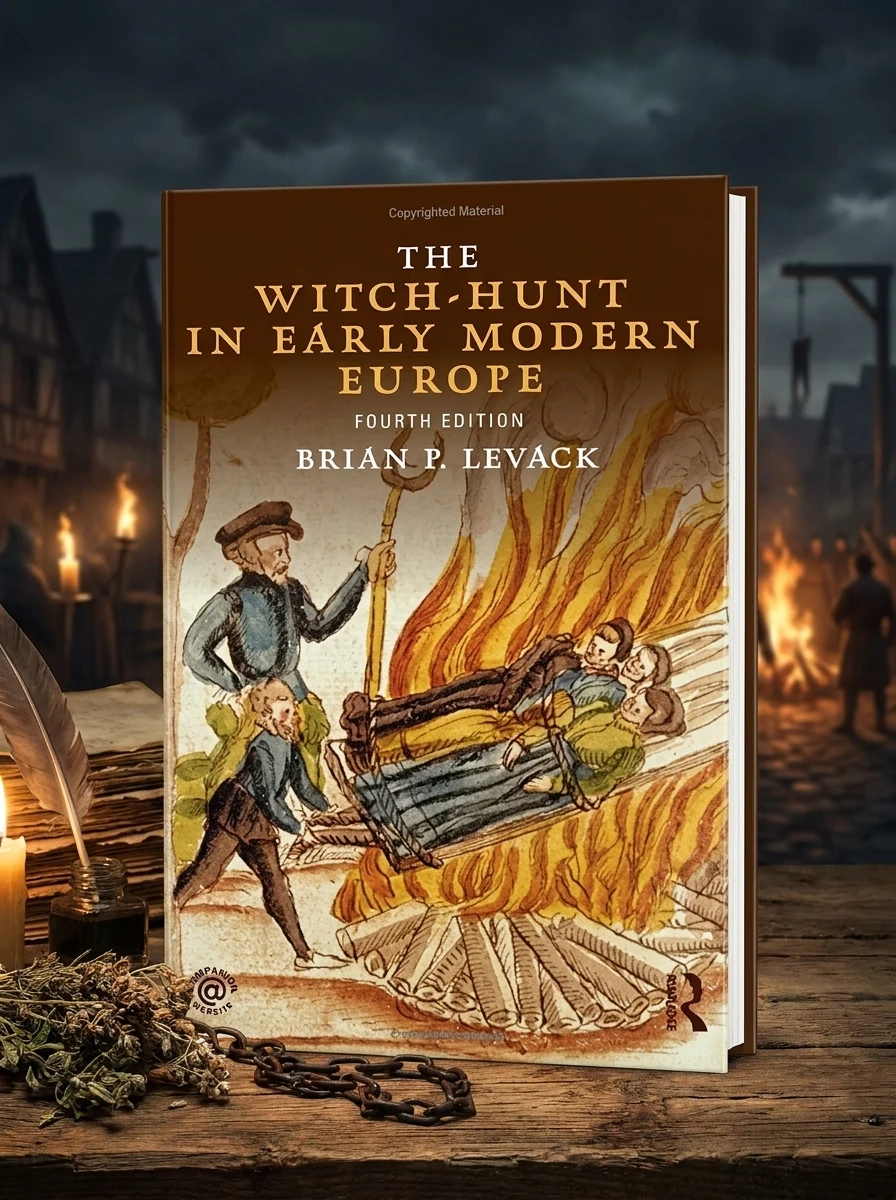
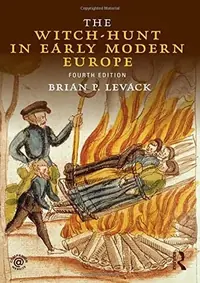
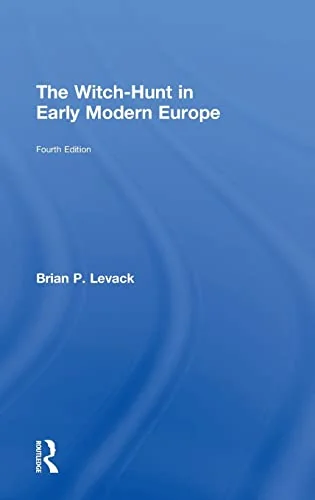
The Witch-Hunt in Early Modern Europe
Levack, Brian PStock reported in the catalog; fulfillment is confirmed with your request.
Uncover the chilling truth behind early modern Europe's most brutal spiritual persecution.
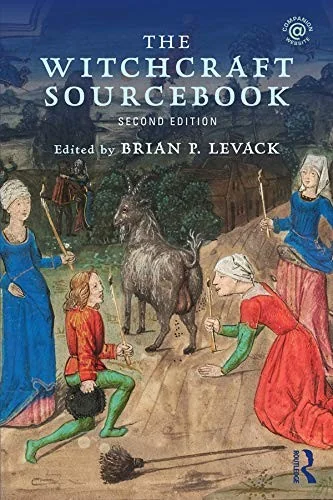
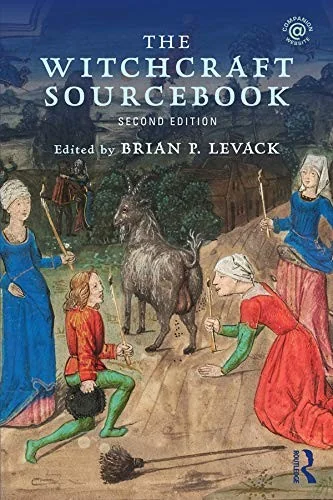
Brian Levack’s definitive fourth edition dissects the complex machinery of witch-hunts across early modern Europe. This revised text integrates fresh scholarship on gender dynamics, male practitioners, and demonic possession, offering a granular look at prosecutions in specific cities and kingdoms. By linking directly to The Witchcraft Sourcebook, it bridges theoretical history with raw primary documents. Levack’s work remains the gold standard for understanding the social, legal, and spiritual forces that fueled these tragic historical events.
This text serves as a definitive scholarly anchor within the historiography of early modern European occultism and legal persecution. It bridges the gap between academic historical analysis and the raw primary documents of demonic possession and witchcraft trials.


📝 Description: The Witch-Hunt in Early Modern Europe
💎 Expert review
📖 Why choose it
Why this book is worth reading
This volume is essential for serious students of esoteric history who seek to understand the brutal machinery behind Europe's spiritual persecution. Levack offers a granular look at prosecutions across specific kingdoms, moving beyond myth to dissect gender dynamics and male practitioners through fresh scholarship. Readers will gain a profound appreciation for the social, legal, and spiritual forces that fueled these tragic events. By linking theoretical history with primary documents, it provides an indispensable tool for anyone wishing to comprehend the complex reality of early modern witch-hunts without relying on sensationalism or incomplete narratives.
⭐ Reader reviews
Reader rating
Was skeptical at first. Challenging in places, but never needlessly obscure. Five stars from me.
I collect works on this subject and this is a worthy addition. It reads better in small doses — a chapter at a time with notes. Solid binding, decent paper — holds up to heavy use. Definitely recommend.
Exactly what I was looking for. The ideas are old but land with surprising force today. Recommended if you're ready to do the work.
Levack’s fourth edition remains the gold standard for understanding the socio-legal drivers of witchcraft trials. It excels in integrating fresh scholarship on gender and demonic possession, offering a rigorous, evidence-based dissection of prosecutions. However, this work is strictly academic; it will not suit readers seeking narrative fiction, personal memoirs, or practical Wiccan guidance. The dense focus on legal frameworks and specific city records may alienate those expecting a more accessible, less granular overview of the period.
❓ Frequently asked questions
📖 Who should read this
Ideal for history students, occult scholars, and anyone interested in the intersection of law, religion, and social history. Essential for researchers needing primary source links and updated academic perspectives on European witchcraft prosecutions.
🎯 Key themes and symbolism
Gender and Power Dynamics
Levack explores how societal structures and gender roles influenced accusations. The text examines why women were disproportionately targeted, analyzing the intersection of patriarchal control and spiritual fear that defined the era's legal and social landscape.
Geographical Prosecution Patterns
Moving beyond broad generalizations, this edition maps the specific geography of witch trials. It highlights regional variations in intensity and methodology, allowing readers to compare how different kingdoms and cities approached the legalities of demonic persecution.
Child and Male Accusations
The book expands the traditional narrative by including recent research on male witches and child witnesses. It critically analyzes these often-overlooked demographics, revealing how age and gender complexity played crucial roles in the testimonies and outcomes of trials.
💬 Quotes from the book
“The witch-hunt was not merely a superstition but a complex legal and social phenomenon.”
“Recent scholarship reveals the nuanced roles of men and children in these narratives.”
📜 Historical context
📚 Glossary
- Demonic Possession
- Primary Sources
- Interdisciplinary Approach
📔 Questions to reflect on
- How did the legal definitions of witchcraft shift between different European kingdoms during the 17th century?
- In what ways do modern perceptions of 'evil' mirror the social anxieties of early modern Europe?
- How might the inclusion of male and child witches change our understanding of the era's gender politics?
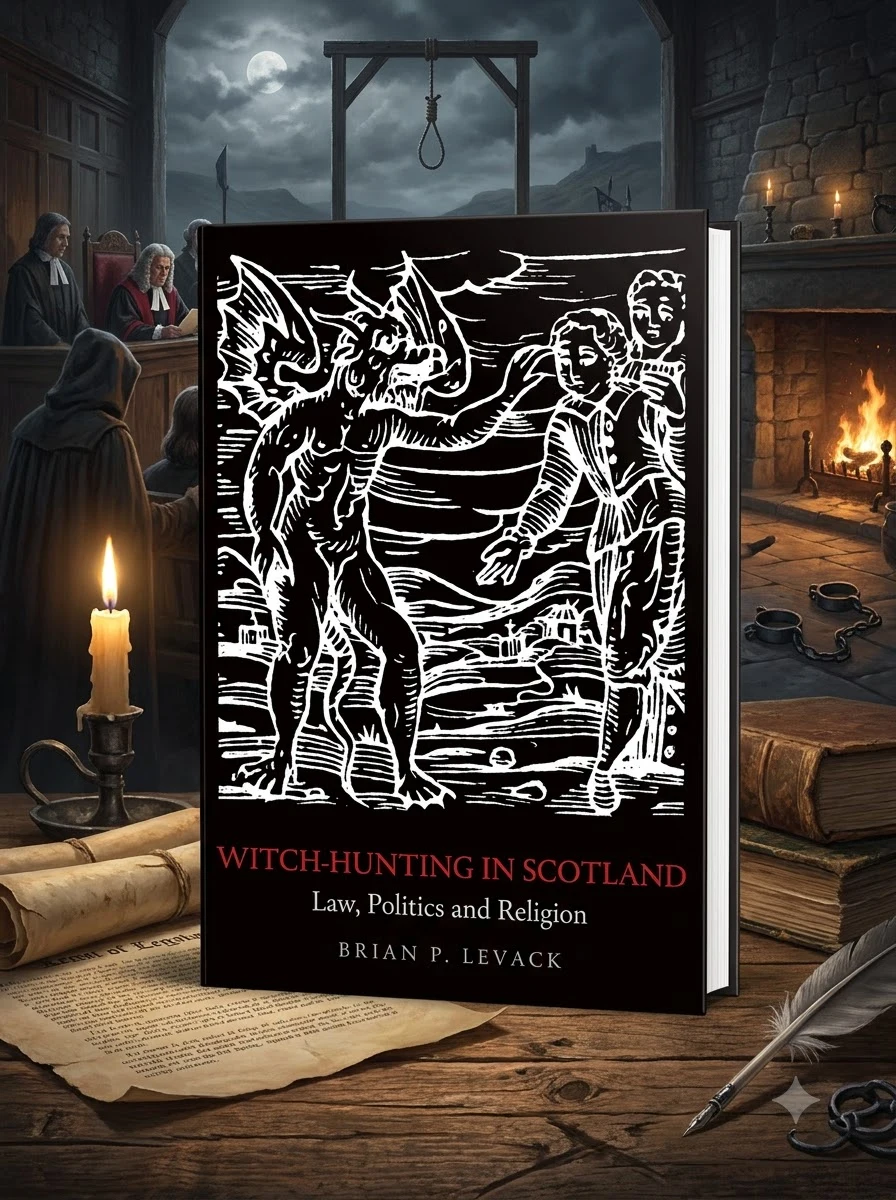
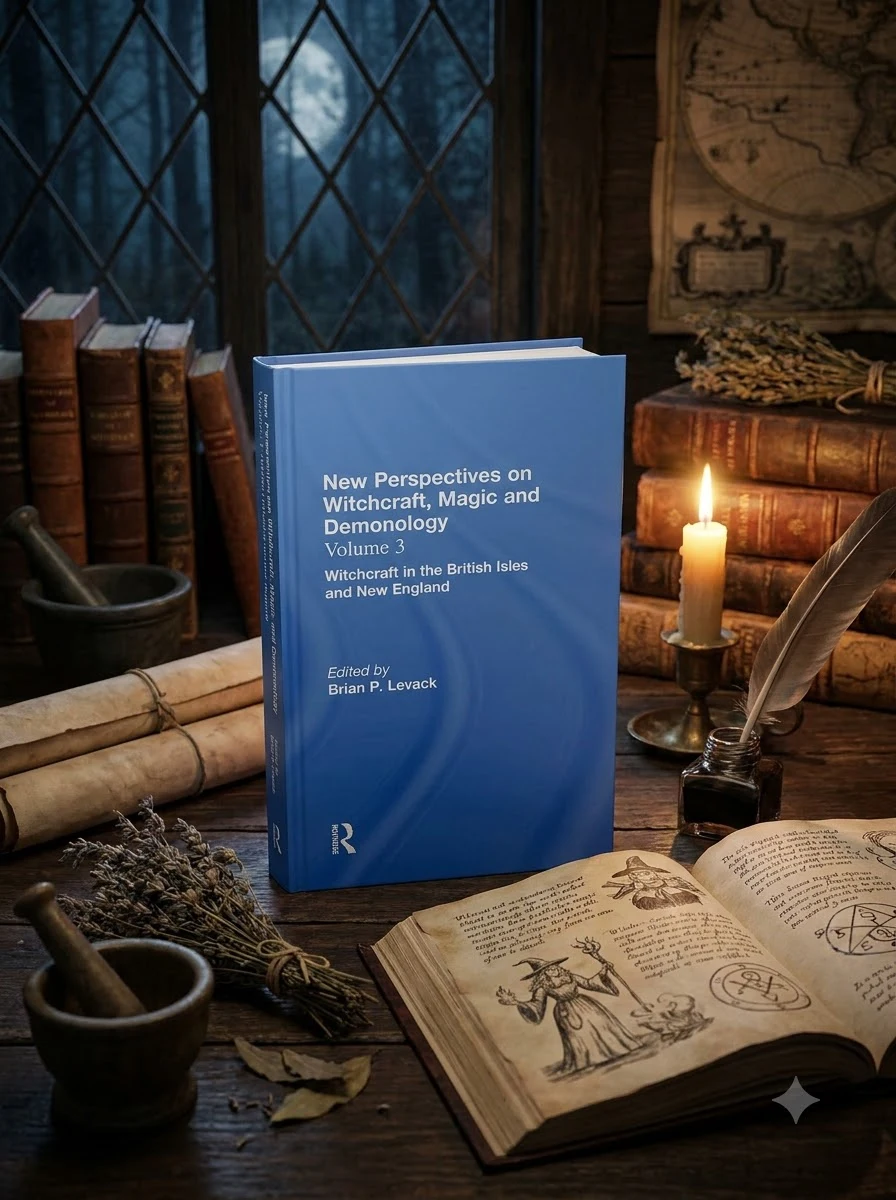
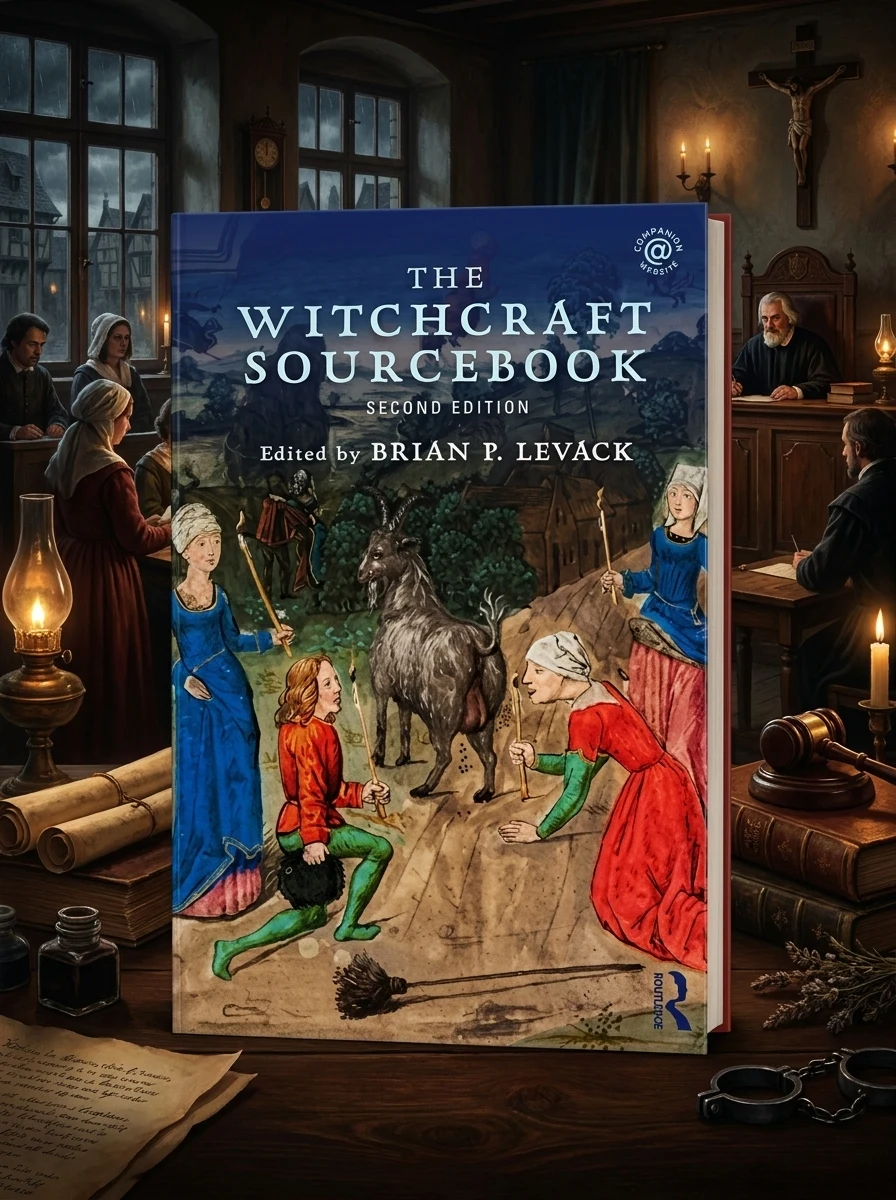
✍️ More books by this author Levack, Brian P
All books by this author →
 89
89
🏛 Books from this publisher Routledge
All books from this publisher →


 89
89

You might also like
See more →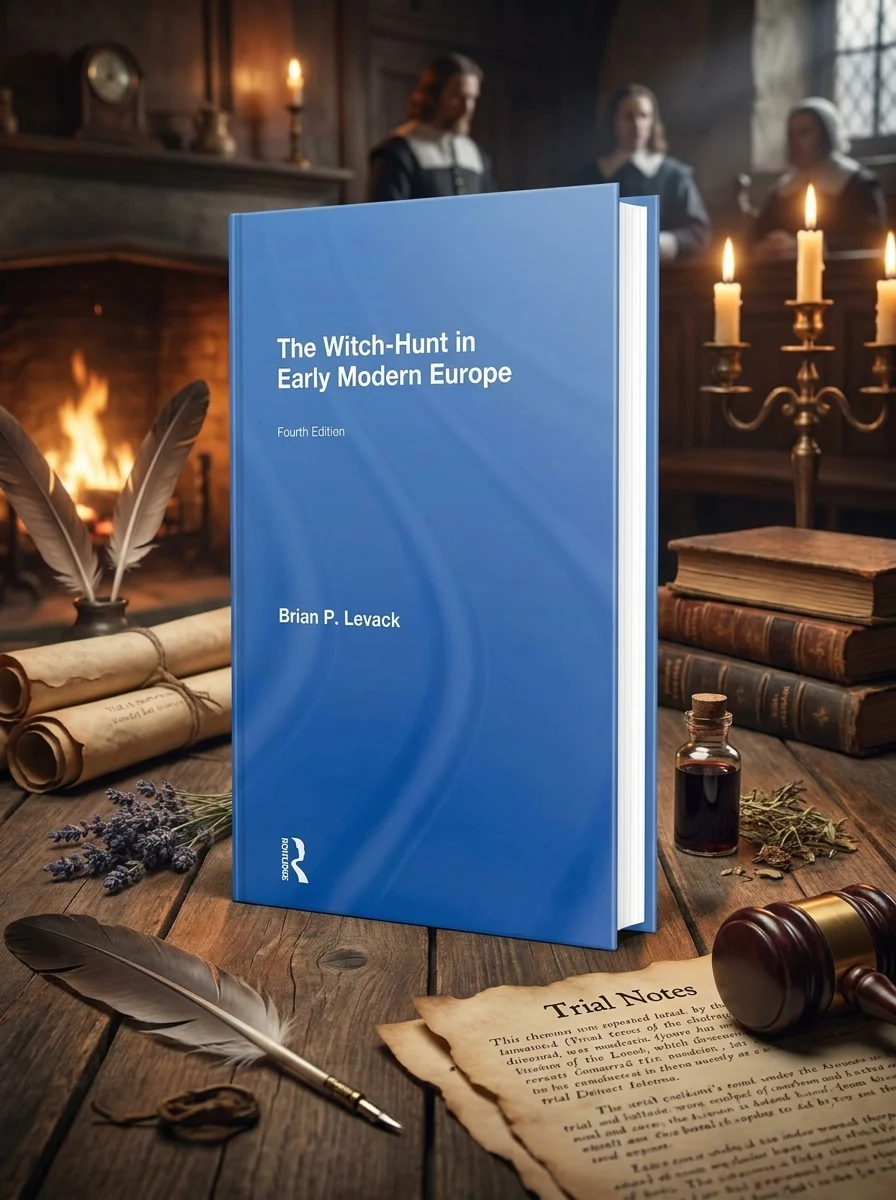 89
89
 83
83