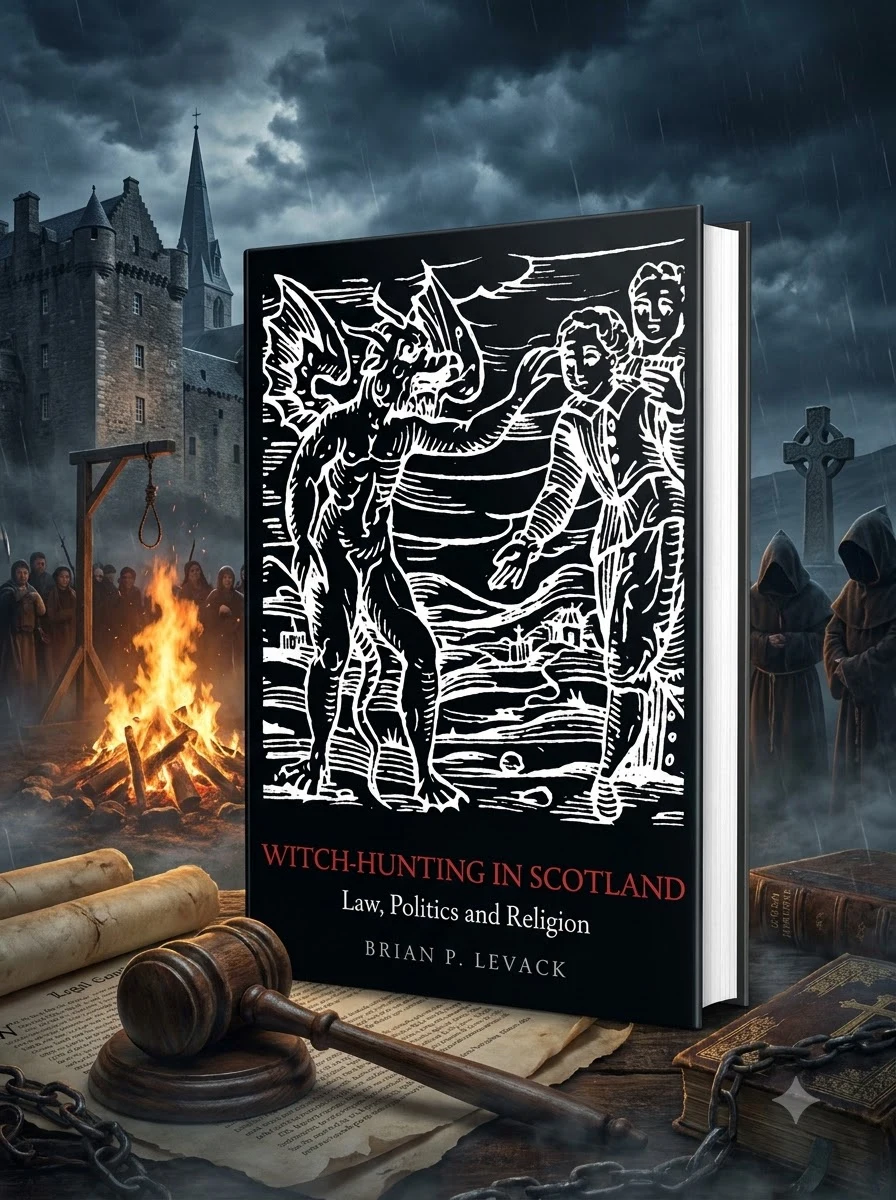
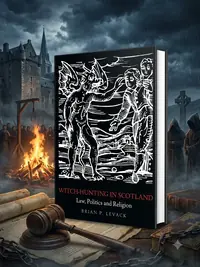
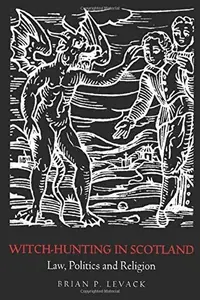
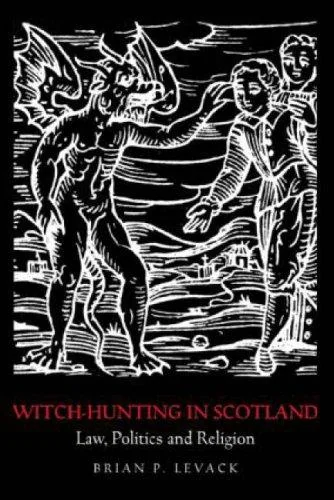
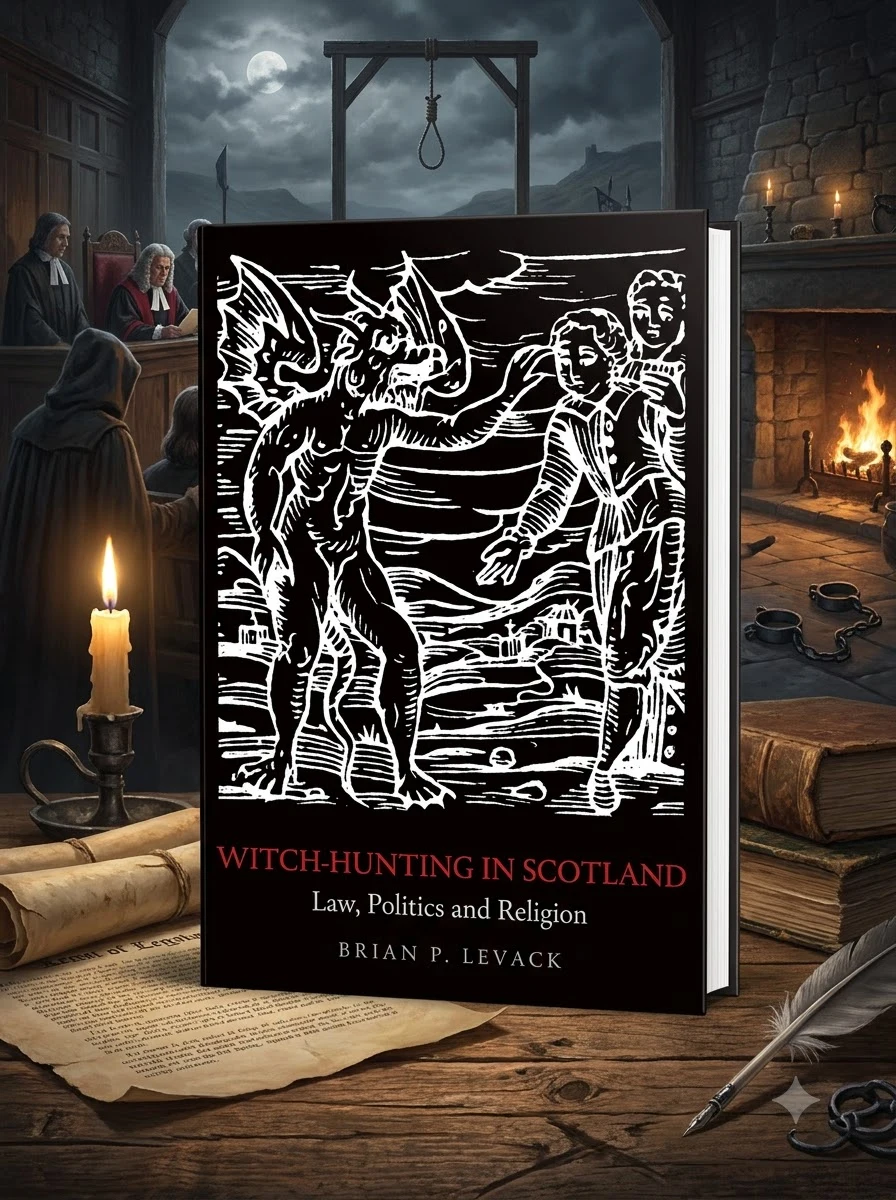
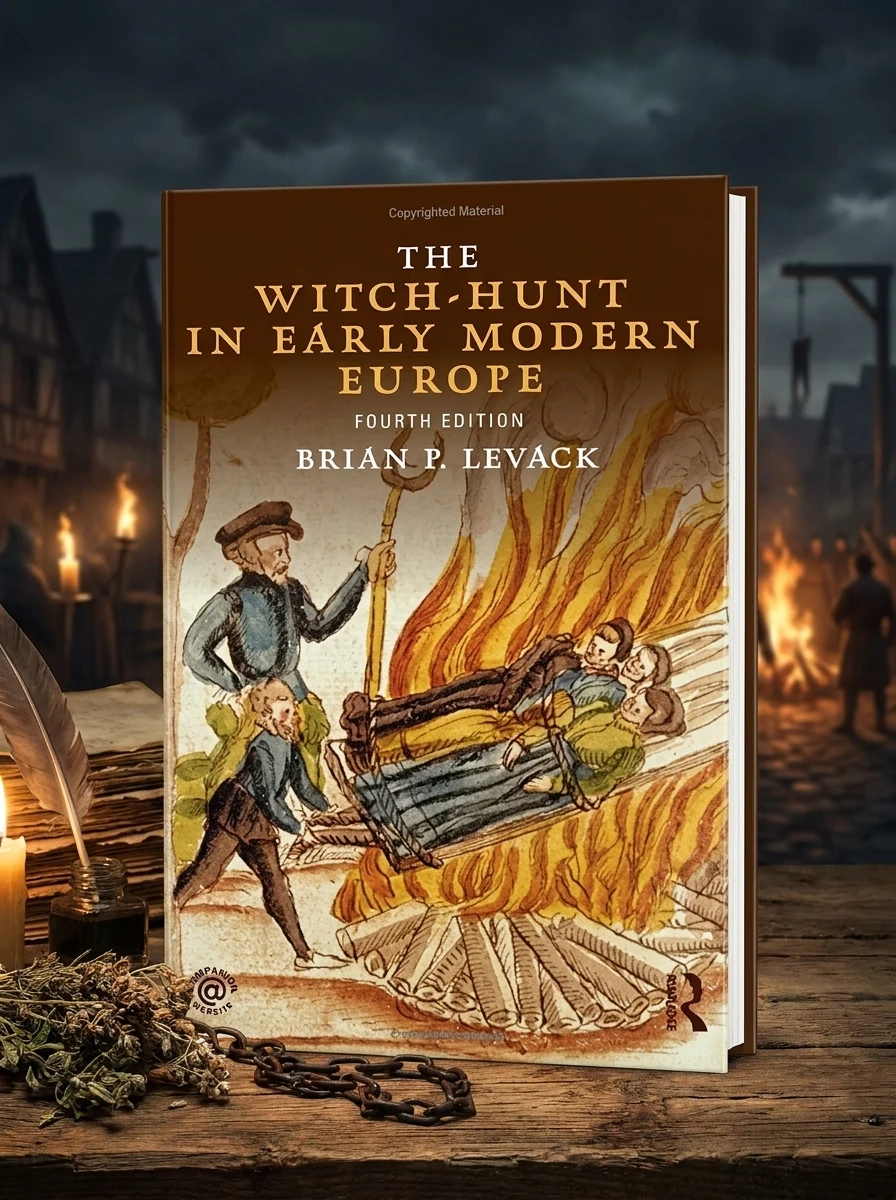
Witch-Hunting in Scotland: Law, Politics and Religion
Levack, Brian P 82
82
 Editorial score
How we rate
Editorial score
How we rate
Stock reported in the catalog; fulfillment is confirmed with your request.
Uncover the brutal legal machinery behind Scotland’s witch hunts in this award-winning historical survey.
Brian P. Levack delivers a rigorous examination of the trials that defined an era, moving beyond folklore to expose the cold mechanics of state power. By weaving together legal statutes, political maneuvering, and theological zeal, he reveals how the Scottish justice system weaponized faith to root out alleged devil-worship. This work details the specific role of King James VI and the Calvinist drive for a holy society, offering a sobering look at how law and politics converged to justify the execution of hundreds of men and women for maleficent magic.
This scholarly work situates itself within the rigorous study of early modern European history, specifically examining the intersection of state power and religious zealotry during the Scottish witch hunts. It serves as a critical counterpoint to romanticized folklore by focusing on the legal and political frameworks that enabled persecution.


📝 Description: Witch-Hunting in Scotland: Law, Politics and Religion
💎 Expert review
📖 Why choose it
Why this book is worth reading
Readers seeking a profound understanding of how institutional power can be weaponized against marginalized groups will find immense value in this text. It appeals to those interested in the cold mechanics of state authority rather than supernatural myths. By detailing the specific roles of King James VI and the Calvinist drive for a holy society, it offers a sobering look at history. Scholars of law, politics, and religion will appreciate the rigorous examination that moves beyond folklore. It is essential for anyone wanting to comprehend how theological zeal and legal statutes converged to justify executions, providing a clear, evidence-based narrative of this dark era.
⭐ Reader reviews
Reader rating
Came across this title in a footnote and had to track it down. There's real depth here that reveals itself on a second reading. The typesetting is comfortable for study, with good margins for notes. If you're drawn to this subject, don't hesitate.
Took a chance on this and glad I did. Some sections stopped me cold in the best way. Plenty of passages worth underlining; my copy is already full of margin notes. The font runs small in the appendices.
Grabbed this during a weekend order. The symbolism is layered and generous to patient readers. It connects ideas I'd only seen treated separately elsewhere. Will be gifting a copy to a friend.
This edition finally does the material justice. It's become a regular reference in my practice. Five stars from me.
Levack delivers a rigorous and necessary examination of the trials that defined an era, exposing the cold mechanics of state power behind the witch hunts. The book is intellectually dense, weaving together legal statutes, political maneuvering, and theological zeal to reveal how the Scottish justice system operated. However, readers seeking entertainment, ghost stories, or romanticized Wiccan history will find this work dry and overly academic. It does not suit those looking for personal narratives or supernatural validation. This text is strictly for those prepared to engage with complex legal and political analysis of how faith was used to root out alleged devil-worship through the machinery of law.
❓ Frequently asked questions
📖 Who should read this
Scholars of early modern Europe, legal historians, and those interested in the intersection of religious dogma and state authority. It is essential for understanding how political consolidation utilized witchcraft accusations to enforce social order.
🎯 Key themes and symbolism
Legal History
State-Building
Calvinist Zeal
💬 Quotes from the book
“The intensity of Scottish witch-hunting was not merely a result of religious hysteria, but a calculated political instrument.”
“James VI’s involvement transformed local fears into a national campaign for spiritual purification.”
📜 Historical context
📚 Glossary
- Maleficent Magic
- State-Building
- Calvinism
📔 Questions to reflect on
- How does the intersection of law and religion create unique vulnerabilities for marginalized groups?
- In what ways can political consolidation rely on the creation of internal enemies?
- How do historical accounts of 'madness' or 'evil' reflect the anxieties of the ruling class?
✍️ More books by this author Levack, Brian P
All books by this author →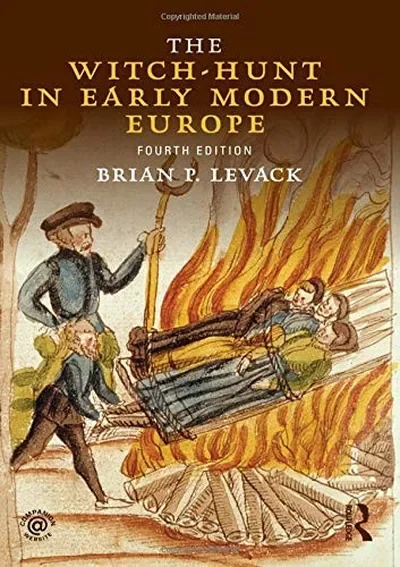

 89
89
🏛 Books from this publisher Routledge
All books from this publisher →

 89
89

You might also like
See more → 89
89
 83
83

 82
82