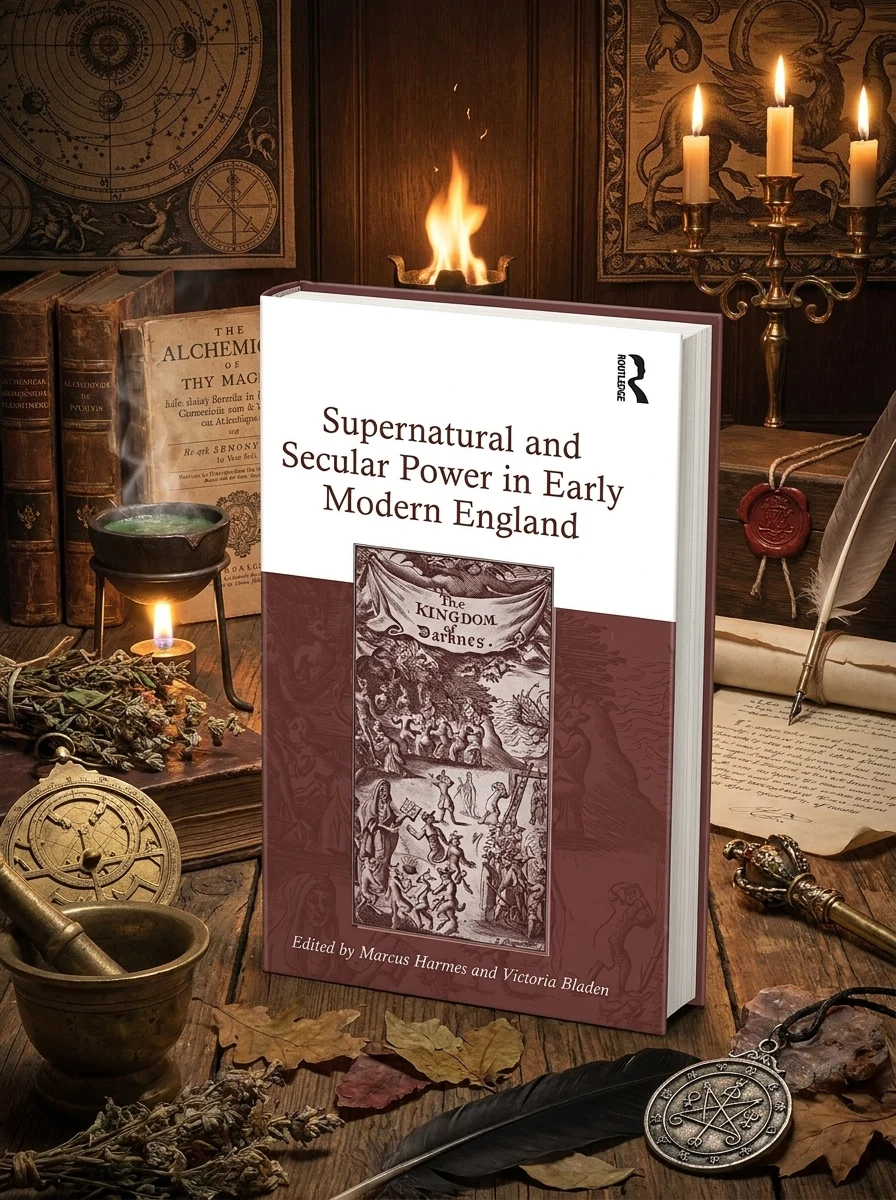
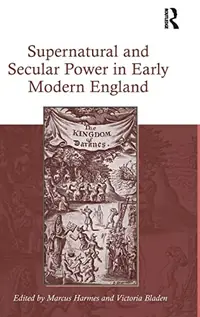
Supernatural and Secular Power in Early Modern England
 84
84
 Editorial score
How we rate
Editorial score
How we rate
Stock reported in the catalog; fulfillment is confirmed with your request.
In early modern England, the veil between worlds was thin, and power flowed through it.
This compelling volume delves into the intricate relationship between the supernatural and secular authority in early modern England. It explores how the fluid boundary between the natural and otherworldly realms became a crucial battleground for power. Rather than a simple dichotomy, the book reveals how beliefs concerning the supernatural could both buttress established hierarchies—monarchical, religious, legal, and familial—and simultaneously serve as potent tools for their subversion. Drawing on diverse historical, literary, and dramatic sources, it uncovers societal anxieties and the varied ways control was exerted or contested, from the highest courts to private homes.
This work sits at the intersection of early modern English history and occult studies, examining how supernatural beliefs were weaponized within secular hierarchies. It bridges the gap between historical analysis and esoteric thought by treating the 'thin veil' between worlds as a political battlefield.


📝 Description: Supernatural and Secular Power in Early Modern England
💎 Expert review
📖 Why choose it
Why this book is worth reading
This book is essential for scholars and enthusiasts who understand that power in early modern England was not merely legal or political, but profoundly spiritual. Readers interested in the mechanics of control will find value in seeing how monarchical, religious, and familial hierarchies used supernatural beliefs to buttress their authority. Simultaneously, it appeals to those fascinated by subversion, revealing how these same beliefs became tools for challenging established orders. By drawing on diverse historical, literary, and dramatic sources, the text offers a nuanced view of societal anxieties. It is particularly rewarding for those who wish to move beyond simple dichotomies of natural versus otherworldly, gaining insight into how control was exerted in spaces ranging from high courts to private homes.
⭐ Reader reviews
Reader rating
Harmes and Bladen provide a compelling exploration of the fluid boundary between natural and otherworldly realms as a site of power struggle. The volume succeeds in demonstrating how supernatural beliefs supported and subverted hierarchies alike. However, readers seeking straightforward narratives or simplistic explanations of witchcraft will likely find this dense academic analysis tedious. It is not suited for those who prefer popular history over rigorous interdisciplinary study involving literary and historical sources. The text demands patience from those unwilling to engage with complex societal anxieties. While intellectually stimulating for specialists in early modern power dynamics, casual readers may struggle with its analytical depth and lack of narrative flair.
❓ Frequently asked questions
📖 Who should read this
If you're fascinated by the intricate dance between belief, power, and society, this book is for you. Scholars of early modern history, literary enthusiasts, and anyone curious about how the supernatural shaped political and social landscapes will find its insights invaluable.
🎯 Key themes and symbolism
The Porous Veil
This collection illuminates how the distinction between the natural world and the supernatural was not fixed, but rather permeable and open to interpretation. It demonstrates that early modern society lacked a rigid separation between what we now call 'science' and 'magic,' allowing mystical forces to constantly interact with everyday reality and political discourse.
Supernatural as Authority's Tool
The essays within reveal how various powerful institutions—be it the Crown, the Church, the legal system, or even family patriarchs—strategically leveraged beliefs in the supernatural. These forces were often invoked to reinforce social norms, legitimize rule, or suppress dissent, demonstrating how spiritual concepts were instrumental in maintaining order and control.
Subverting Established Power
Beyond bolstering authority, the book also meticulously examines how the supernatural realm provided avenues for challenging existing power structures. Beliefs in witchcraft, prophecy, or divine intervention could become potent weapons for those seeking to question monarchs, religious dogma, or societal conventions, highlighting the disruptive potential of the unseen.
💬 Quotes from the book
“The very fabric of early modern reality was woven with threads of the unseen; to understand power, one must first grasp the pervasive influence of the otherworldly.”
“Whether reinforcing the monarch's divine right or fueling a rebel's vision, the supernatural was less a fringe belief and more a dynamic instrument wielded in the struggle for control.”
📜 Historical context
📚 Glossary
- Early Modern England
- Porous Divide
- Contested Realm
📔 Questions to reflect on
- How do contemporary societies draw boundaries between what is considered 'natural' and 'supernatural,' and how might these distinctions still influence perceptions of authority or social control today?
- Reflect on a historical or fictional instance where belief in the supernatural was deliberately used to either bolster or undermine a position of power. What were the outcomes?
- Consider how modern anxieties about the unknown or unexplained manifest in popular culture. Do these echoes of early modern anxieties still shape our understanding of leadership or collective action?
🏛 Books from this publisher Routledge
All books from this publisher →

 89
89

You might also like
See more → 91
91
 91
91
 90
90
 90
90