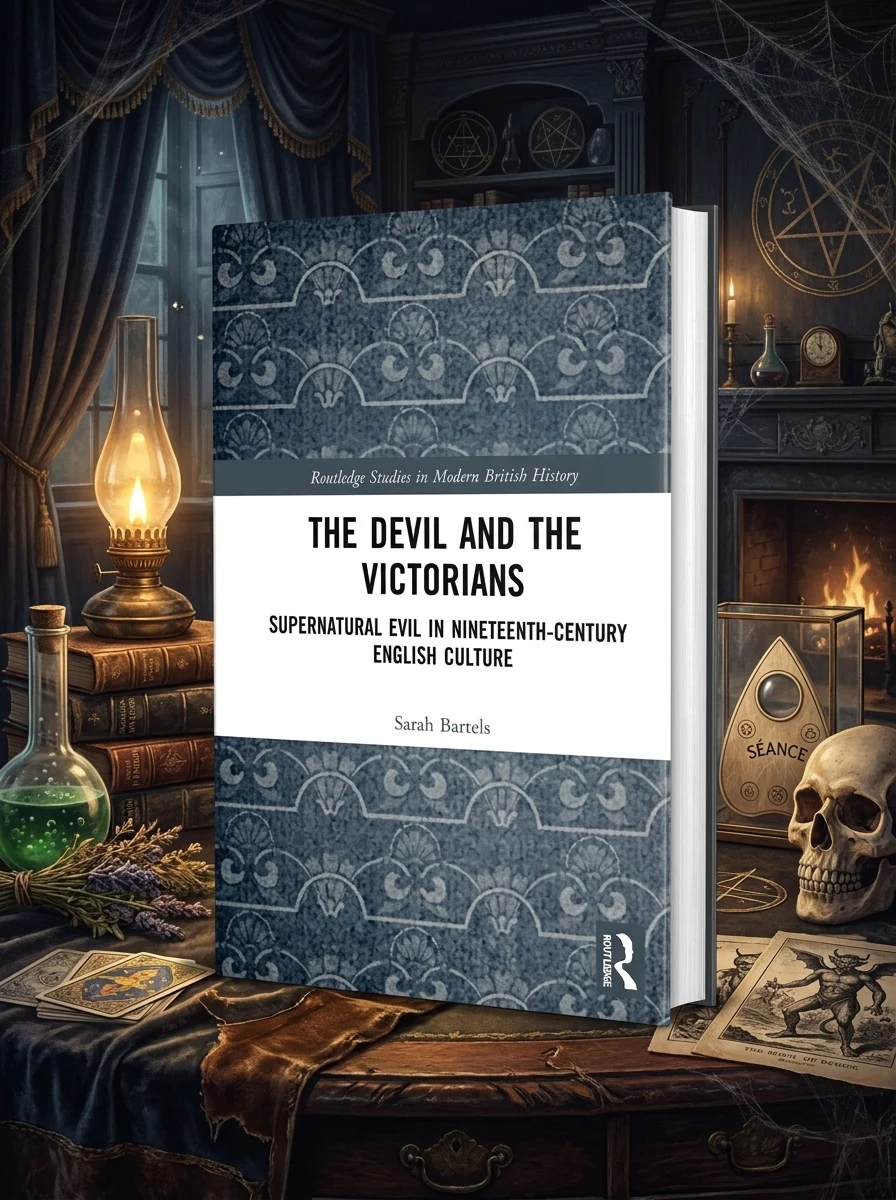
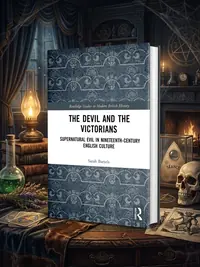
The Devil and the Victorians: Supernatural Evil in Nineteenth-Century English Culture Bartels, Sarah
Bartels, Sarah 80
80
 Editorial score
How we rate
Editorial score
How we rate
Stock reported in the catalog; fulfillment is confirmed with your request.
Uncover the surprising hold the Devil had on Victorian England's imagination.
This book delves into the often-overlooked prominence of the Devil across Victorian England, a period surprisingly steeped in supernatural belief. While studies frequently touch upon spiritualism and occultism, this work uniquely focuses on the pervasive yet complex figure of the Devil. Drawing from diverse primary sources—from theological texts to popular fiction and ephemeral broadsides—it illuminates how this infernal entity shaped social anxieties, religious discourse, and public imagination. It reveals the Victorians' intricate relationship with supernatural evil, even as traditional doctrines of hell faced increasing skepticism among clergy and laypeople alike.
This work situates itself within the study of Victorian England, challenging the common perception that this era was purely rational by highlighting its deep engagement with supernatural beliefs and the figure of the Devil. It contributes to the broader discourse on nineteenth-century English culture and religious history.


📝 Description: The Devil and the Victorians: Supernatural Evil in Nineteenth-Century English Culture Bartels, Sarah
💎 Expert review
📖 Why choose it
Why this book is worth reading
Readers fascinated by the intersection of theology, social history, and popular culture during the Victorian era will find this book indispensable. It offers a unique lens through which to view how supernatural evil influenced public imagination and social anxieties. By examining diverse sources like broadsides and fiction, it reveals the complex relationship Victorians had with hell and demonic figures. This is essential for those who wish to understand that their ancestors were not merely rational skeptics but were deeply engaged with mystical and infernal concepts. It provides a nuanced perspective on religious discourse, making it valuable for historians, theologians, and anyone interested in the hidden spiritual undercurrents of the nineteenth century.
⭐ Reader reviews
Reader rating
Bartels provides a compelling analysis of the Devil’s role in Victorian society, drawing effectively from a wide array of primary sources. The book succeeds in demonstrating that supernatural belief remained potent despite growing skepticism among clergy. However, readers seeking a narrative-driven history or a focus on high-level occult philosophy may find the academic approach dry. It is specifically designed for those interested in cultural history and religious studies rather than casual readers looking for sensationalist tales of demonology. Those expecting a critique of spiritualism alone might be disappointed by the specific focus on the infernal entity, though this narrow scope allows for deeper insight into that particular aspect of Victorian anxiety.
❓ Frequently asked questions
📖 Who should read this
If you're fascinated by the hidden currents of Victorian life, the evolution of religious thought, or the cultural impact of supernatural beliefs, this book offers an essential, nuanced exploration. It's for anyone eager to understand how the Victorians wrestled with evil's enduring, multifaceted presence.
🎯 Key themes and symbolism
The Ubiquitous Adversary
Despite growing skepticism towards literal hellfire among some Victorian thinkers and clergy, this study demonstrates the Devil's enduring presence. Far from being relegated to the past, the infernal figure appeared continually across religious sermons, popular stories, and even everyday anxieties, proving his widespread cultural penetration.
Shifting Theological Ground
The nineteenth century witnessed significant debates within religious circles regarding the nature of evil and eternal damnation. Bartels meticulously examines how traditional concepts of hell and its ruler were re-evaluated and challenged, yet the Devil retained a powerful symbolic and narrative function even amidst these theological shifts.
Culture's Dark Reflection
This work reveals how the Devil served as a powerful motif across an impressive spectrum of Victorian cultural output. From serious theological treatises to sensationalist broadsides, from esteemed literature to popular entertainment, the infernal figure offered a malleable lens through which society explored its fears, fascinations, and moral boundaries.
💬 Quotes from the book
“The Devil, far from being a static theological relic, proved a remarkably mutable cultural construct, adapting to Victorian anxieties about modernity and moral decay.”
“Even as scientific rationalism gained ground, the Victorians found new and often contradictory ways to engage with the personification of evil, blurring lines between faith, folklore, and entertainment.”
📜 Historical context
📚 Glossary
- Ephemera
- Historiographical
- Broadsides
📔 Questions to reflect on
- How might our contemporary understanding of "evil" be shaped by cultural narratives, much like the Victorian Devil was?
- Consider how pervasive figures or symbols in popular culture today reflect societal anxieties or moral debates. Are there parallels to the Devil's role in Victorian England?
- In what ways do historical shifts in religious belief, like those concerning hellfire in the 19th century, influence broader cultural expressions of the supernatural?
📖 From the series “Routledge Studies in Modern British History”
All books in the series →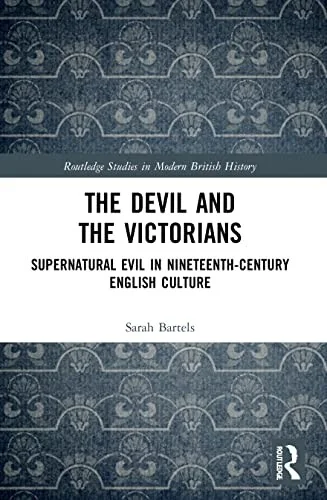
✍️ More books by this author Bartels, Sarah
All books by this author →🏛 Books from this publisher Routledge
All books from this publisher →
 89
89
You might also like
See more →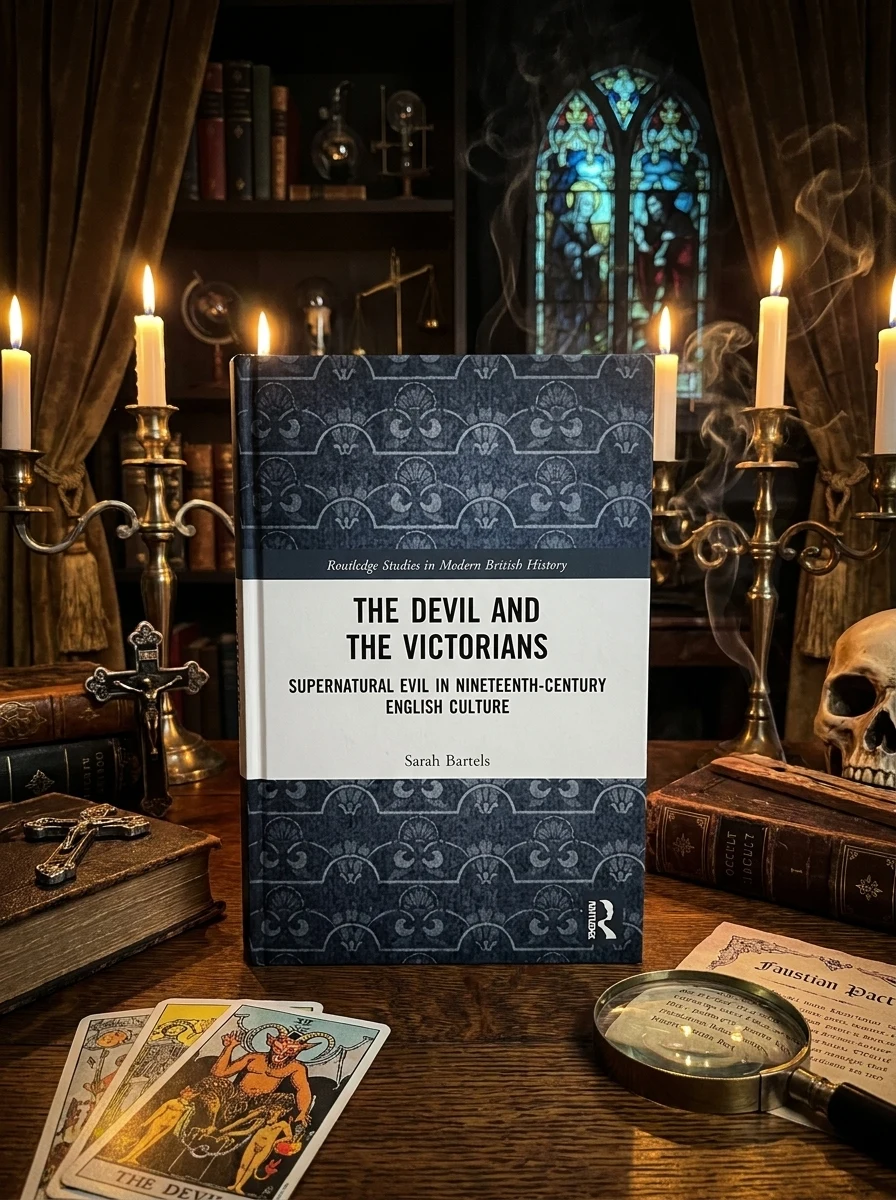
 91
91
 91
91
 90
90
 90
90