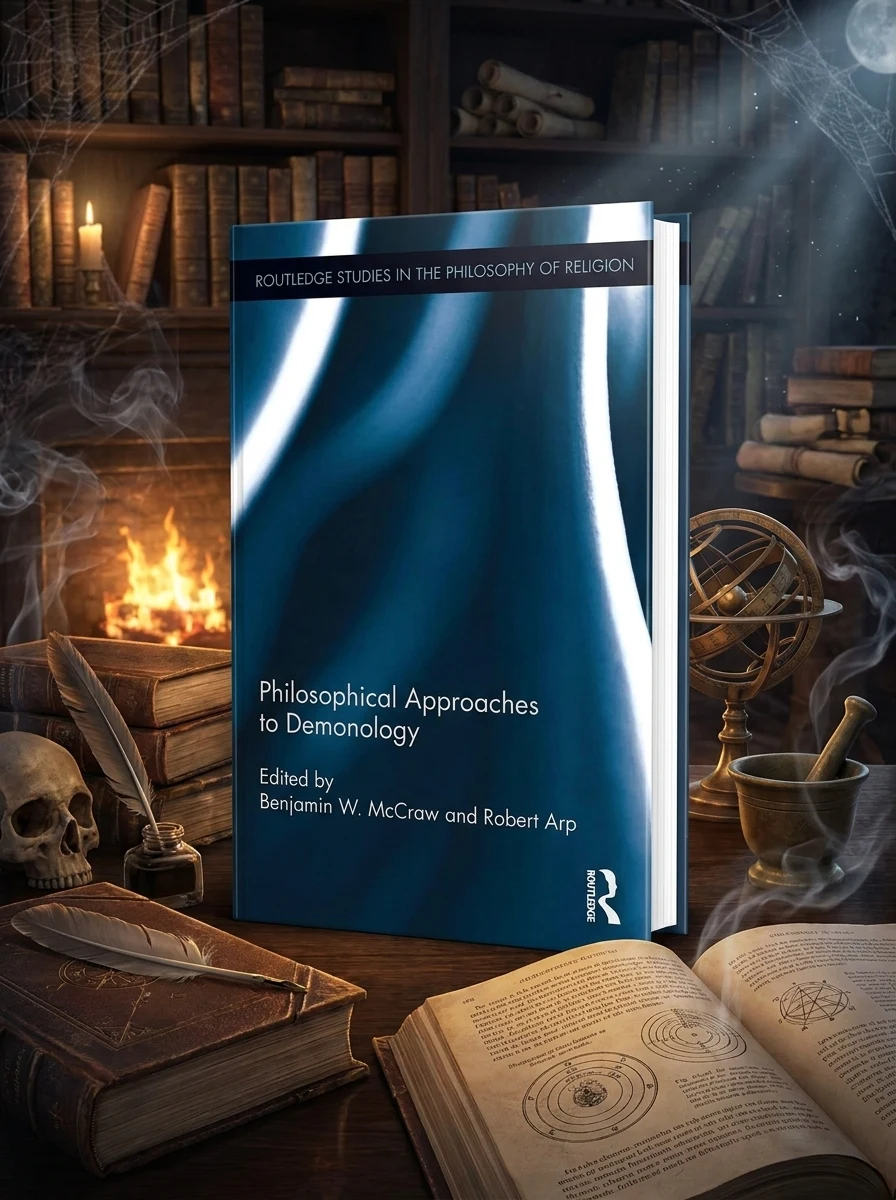
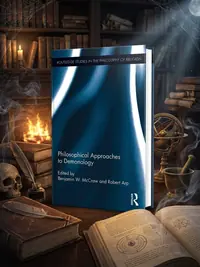
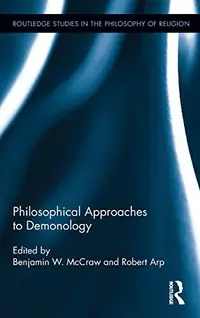
Philosophical Approaches to Demonology McCraw, Benjamin W
McCraw, Benjamin W; , Arp, Robert 80
80
 Editorial score
How we rate
Editorial score
How we rate
Stock reported in the catalog; fulfillment is confirmed with your request.
Unmasking the demonic: a rigorous philosophical inquiry into evil's deepest shadows.
This compelling collection transcends typical historical or theological accounts, offering a profound philosophical exploration of demonology. Esteemed scholars delve into the nature of malevolent entities through the lenses of metaphysics, epistemology, logic, and ethics. It examines diverse perspectives, encompassing both traditional Eastern and Western religious doctrines, alongside contemporary interpretations that challenge conventional wisdom. For anyone seeking a deep intellectual engagement with the concept of demons, this volume provides incisive analysis and stimulating debate, making it an essential read for discerning minds.
This work situates itself within the rigorous academic discourse of contemporary occult philosophy, bridging traditional metaphysical inquiries with modern scholarly analysis. It represents a shift from purely theological or historical accounts toward a structured examination of evil through logic and ethics.


📝 Description: Philosophical Approaches to Demonology McCraw, Benjamin W
💎 Expert review
📖 Why choose it
Why this book is worth reading
This volume is crafted specifically for the discerning mind seeking intellectual depth rather than sensationalism. Readers who crave a rigorous philosophical inquiry into the nature of malevolent entities will find immense value here. By exploring metaphysics, epistemology, and ethics, the book offers a profound engagement with the concept of demons that transcends conventional wisdom. It is essential for those interested in how diverse Eastern and Western doctrines intersect with contemporary interpretations. If you desire incisive analysis and stimulating debate regarding evil's deepest shadows, this collection provides the necessary framework for understanding these complex topics through an academic lens.
⭐ Reader reviews
Reader rating
McCraw and Arp deliver a compelling collection that successfully transcends typical historical or theological accounts of demonology. The editorial assessment highlights its strength in offering a profound philosophical exploration through metaphysics, logic, and ethics. However, this book is explicitly NOT suited for readers seeking supernatural thrillers, practical spellcasting guides, or superficial historical summaries. It demands patience and academic rigor, making it inaccessible to those expecting easy answers or entertainment. While the intellectual engagement is high, the dense theoretical framework may alienate casual readers or those uninterested in abstract debate. It is a serious scholarly resource for specific niches within esoteric studies.
❓ Frequently asked questions
📖 Who should read this
If you're a philosopher, theologian, or scholar intrigued by the intellectual dimensions of evil, this is for you. Also, historians, anthropologists, or anyone seeking a deep, academic understanding of demonology, rather than just folklore, will find this an invaluable resource for serious study.
🎯 Key themes and symbolism
Demonic Metaphysics and Ethics
This volume rigorously scrutinizes the very existence and nature of demons, questioning their ontological status and their role in moral frameworks. It probes the philosophical implications of malevolent forces, examining how their presence, or even the belief in them, shapes our understanding of good, evil, and human agency.
East Meets West Demonology
Moving beyond singular cultural narratives, the essays present a rich tapestry of demonological traditions from across the globe. Readers will encounter varied interpretations of demonic entities, exploring how different spiritual and philosophical systems, from ancient Eastern philosophies to Western theological doctrines, conceptualize and engage with these formidable forces.
Rethinking Demonic Concepts
The collection boldly ventures beyond conventional religious dogma, inviting readers to consider demonology through a broader, more critical lens. It explores modern philosophical interpretations and secular perspectives, challenging entrenched notions and fostering a nuanced understanding of how the concept of the demonic continues to evolve in contemporary thought.
💬 Quotes from the book
“The ontological status of a malevolent entity, whether posited as an independent being or a psychological projection, profoundly impacts our ethical responsibilities and the very structure of moral accountability.”
“To analyze demonology solely through a Western theological lens is to overlook the rich, divergent epistemologies that inform its conception across global spiritual traditions.”
📜 Historical context
📚 Glossary
- Metaphysics
- Epistemology
- Demonology
📔 Questions to reflect on
- How might a purely philosophical understanding of 'evil' alter your personal or cultural conceptions of demonic entities?
- If demons were proven to exist, what ethical obligations would humanity have towards them, or towards protecting ourselves from them, given a purely secular framework?
- Consider a belief system different from your own. How does it conceptualize malevolent forces, and what philosophical assumptions underpin those views?
📖 From the series “Routledge Studies in the Philosophy of Religion”
All books in the series →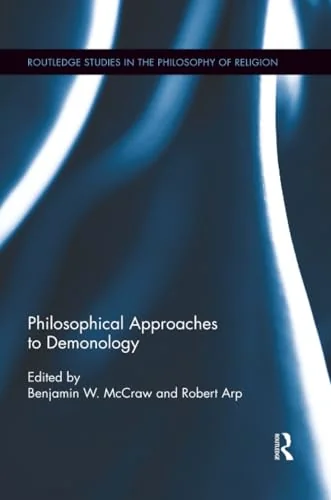
✍️ More books by this author McCraw, Benjamin W; , Arp, Robert
All books by this author →🏛 Books from this publisher Routledge
All books from this publisher →


 89
89

You might also like
See more →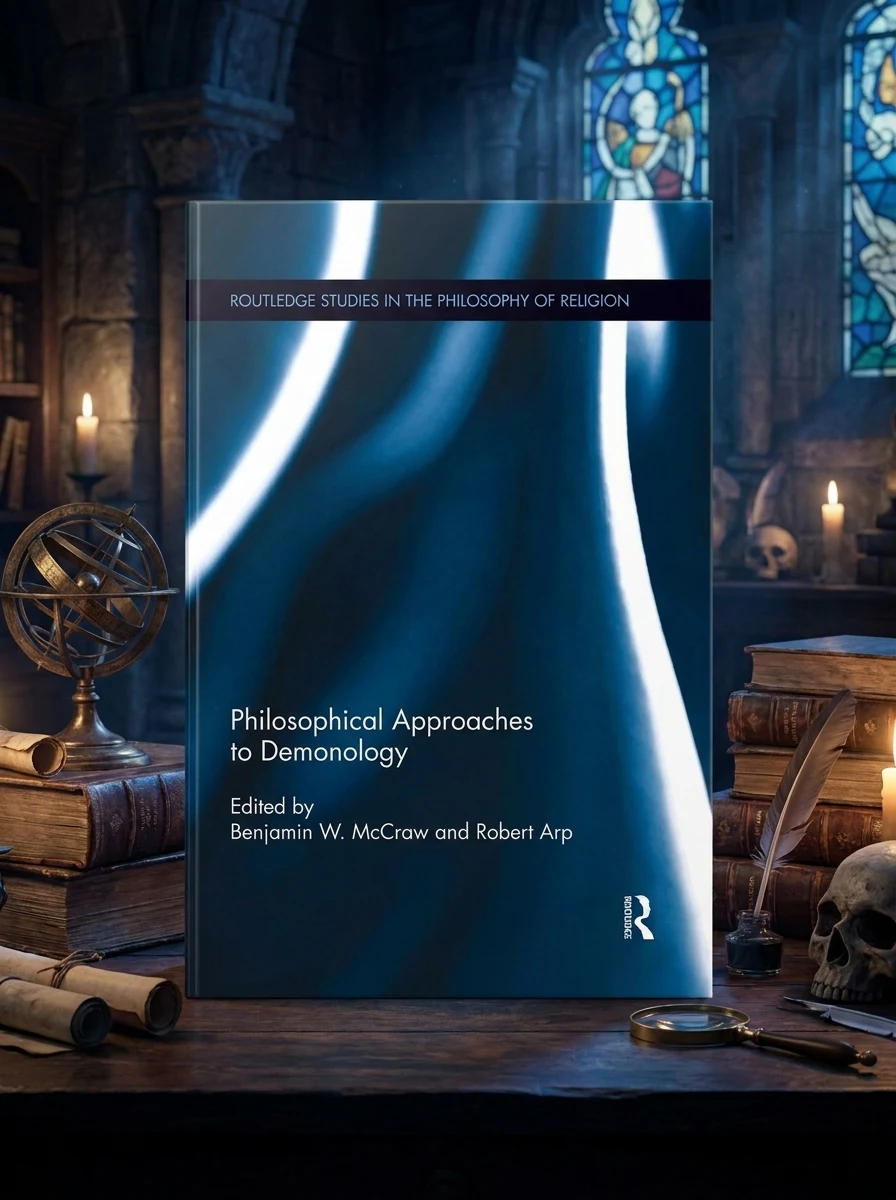
 91
91
 91
91
 90
90
 90
90