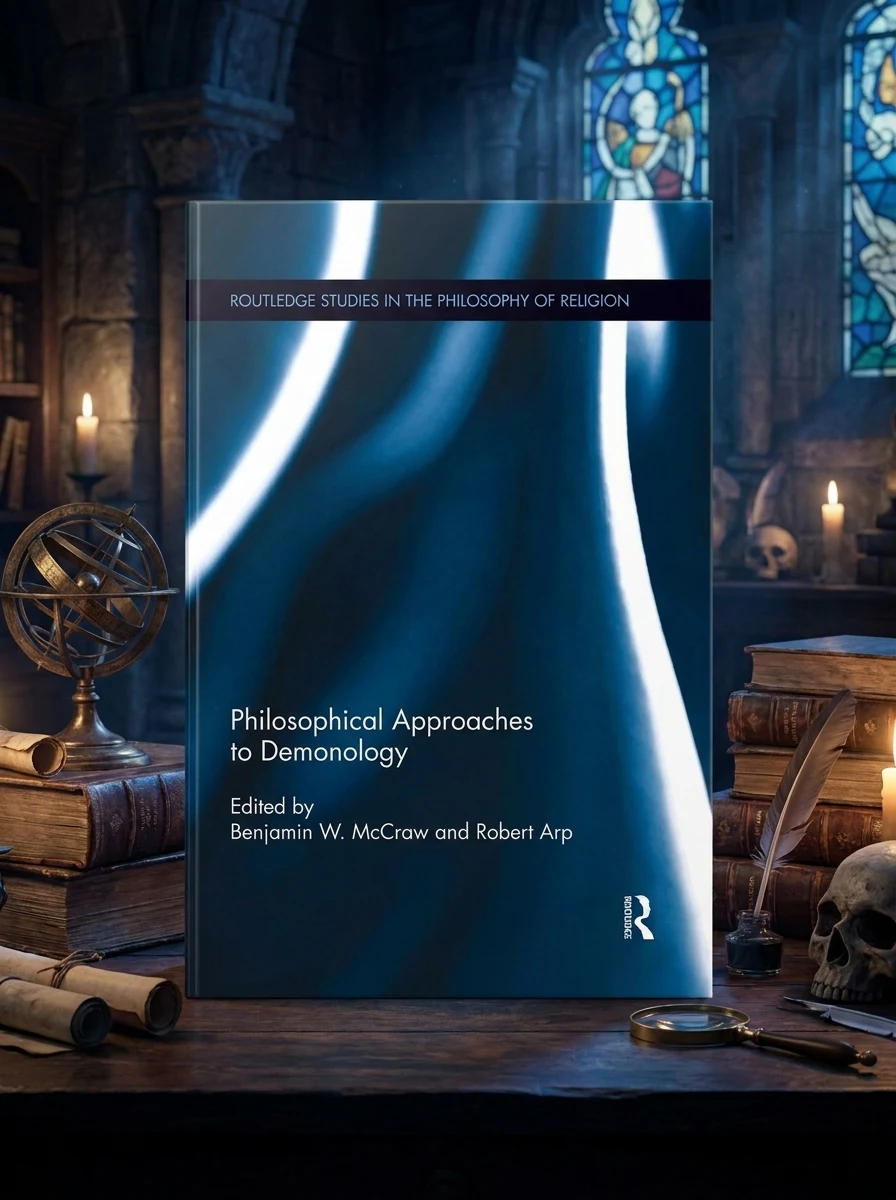
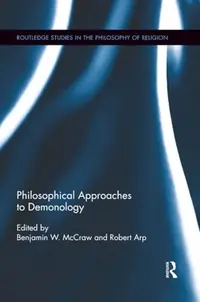
Philosophical Approaches to Demonology McCraw, Benjamin W
McCraw, Benjamin W; , Arp, RobertStock reported in the catalog; fulfillment is confirmed with your request.
Unmask the infernal not through lore, but through rigorous philosophical inquiry.
Unlike traditional studies of demonic lore, this groundbreaking collection delves into demonology through a purely philosophical lens. Edited by McCraw and Arp, it gathers essays from diverse scholars who engage in intellectual discourse, debate, and rigorous argumentation concerning the nature, existence, and implications of demonic entities. This volume moves beyond historical narratives or theological dogma, inviting readers to critically examine the philosophical underpinnings and ethical ramifications inherent in the concept of demonology. It's an academic exploration, not a grimoire.
This volume sits at the intersection of contemporary academic philosophy and the historical study of esoteric traditions, specifically focusing on the intellectual rather than theological dimensions of demonology. It represents a scholarly effort to reframe demonic entities through rigorous philosophical inquiry rather than traditional lore or dogma.


📝 Description: Philosophical Approaches to Demonology McCraw, Benjamin W
💎 Expert review
📖 Why choose it
Why this book is worth reading
This book is essential for academics, philosophers, and serious students of esotericism who seek to understand demonology through the lens of rigorous intellectual discourse rather than supernatural narrative. It offers a unique opportunity to engage with diverse scholarly arguments regarding the nature and ethical implications of demonic entities without relying on historical myths or religious dogma. Readers who appreciate critical examination of philosophical underpinnings will find this collection invaluable for its focus on debate and argumentation. It serves as a vital resource for those looking to expand their understanding of how demonic concepts function within broader philosophical frameworks, providing depth and clarity where traditional texts often offer only lore.
⭐ Reader reviews
Reader rating
While McCraw and Arp provide a necessary academic corrective to sensationalist demonology, this collection is strictly for those with a strong background in philosophy or theology. It will likely frustrate readers seeking practical grimoires, historical anecdotes, or accessible spiritual guides. The dense, argumentative nature of the essays demands patience and intellectual rigor that casual occultists may not possess. However, for scholars willing to engage with complex ethical ramifications and existential questions, it offers a refreshing, grounded perspective. It is a scholarly tool, not a spellbook, and its value lies entirely in its analytical precision rather than mystical appeal.
❓ Frequently asked questions
📖 Who should read this
If you're a discerning seeker who relishes intellectual challenge over sensationalism, and yearns to dissect the metaphysical questions surrounding malevolent entities, this collection is for you. It's ideal for those ready to apply critical thought to the shadowy corners of existence.
🎯 Key themes and symbolism
Philosophical Demonology
This collection uniquely frames demonology as a subject for philosophical inquiry, moving beyond cultural or theological narratives. It rigorously examines the conceptual frameworks, logical inconsistencies, and ethical dilemmas posed by the existence—or non-existence—of demonic entities, inviting a fresh intellectual perspective on ancient fears and beliefs.
Good & Evil Dichotomy
The work explores how demonic concepts interact with our understanding of good and evil, questioning whether demons represent absolute malevolence or are complex reflections of human morality. It delves into the philosophical implications of attributing evil to external forces versus internal human failings, offering nuanced arguments on moral philosophy.
Religious Philosophy & Cults
Examining the philosophical dimensions of religious beliefs about demons, the book also touches upon the intellectual underpinnings of cults that might invoke such entities. It scrutinizes the rationality and impact of faith-based demonology, probing how these beliefs shape worldview and influence societal structures, rather than detailing specific practices.
💬 Quotes from the book
“Can the concept of a purely malevolent, non-human will be logically sustained without recourse to theological dogma, or does it inevitably collapse into anthropomorphic projection?”
“If evil is merely the absence of good, how then might we classify an agent whose primary impetus appears to be the active propagation of suffering?”
📜 Historical context
📚 Glossary
- Demonology
- Metaphysics
- Philosophical Theology
📔 Questions to reflect on
- Consider the ethical implications if demonic entities were proven to exist. How would this challenge or reinforce your personal moral framework?
- How does the philosophical concept of a 'demon' differ from its cultural or religious portrayals, and what does this distinction reveal about human understanding of evil?
- Reflect on the idea of ultimate evil. Is it an inherent force, a human construct, or an external influence? How do philosophical arguments on demonology inform your view?
📖 From the series “Routledge Studies in the Philosophy of Religion”
All books in the series →
✍️ More books by this author McCraw, Benjamin W; , Arp, Robert
All books by this author →🏛 Books from this publisher Routledge
All books from this publisher →

 89
89

You might also like
See more →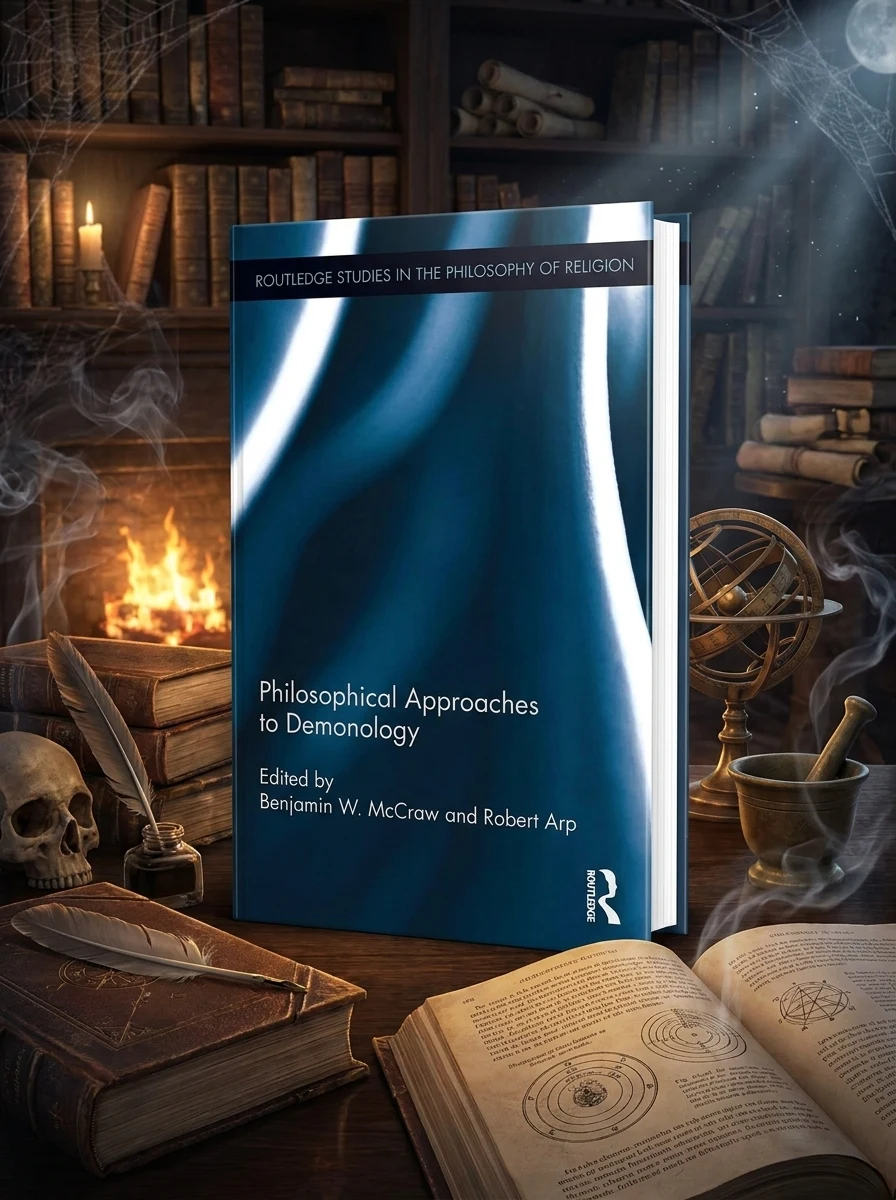
 91
91
 91
91