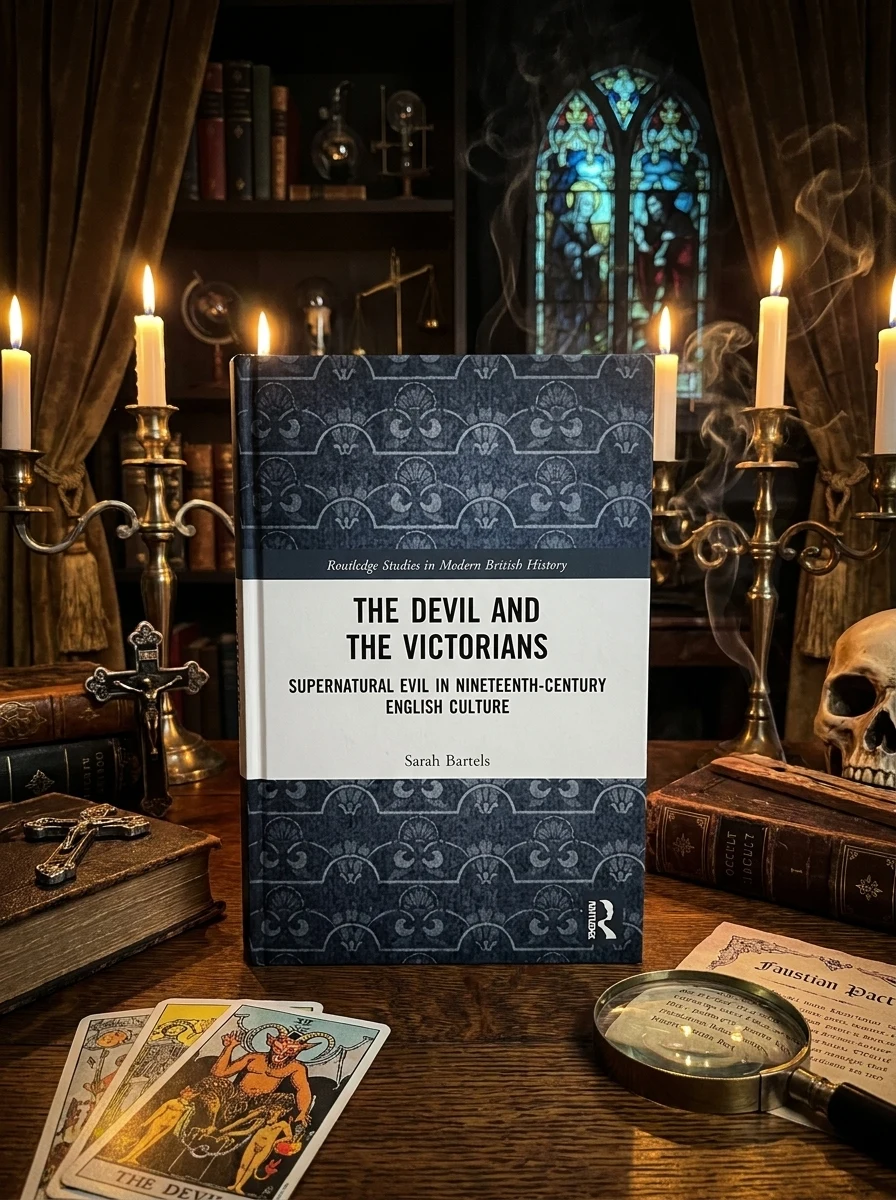
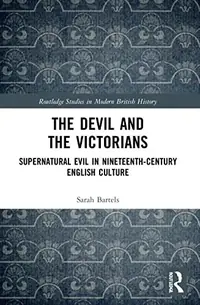
The Devil and the Victorians: Supernatural Evil in Nineteenth-Century English Culture Bartels, Sarah
Bartels, SarahStock reported in the catalog; fulfillment is confirmed with your request.
Unmask the Devil's pervasive influence on the conflicted soul of Victorian England.
Sarah Bartels presents a compelling investigation into the profound role of the infernal in 19th-century English culture. This insightful work meticulously unpacks how the figure of the Devil functioned as a complex cultural touchstone, illuminating the Victorians' often contradictory and deeply ambivalent relationship with the supernatural realm. Bartels demonstrates that beyond simple religious dogma, the diabolic became a crucial interpretive framework for understanding the era's evolving anxieties, moral dilemmas, and burgeoning scientific perspectives, offering a unique window into the social and spiritual fabric of the period.
This work situates itself within the study of nineteenth-century English culture, exploring the intersection of supernatural beliefs and societal anxieties during the Victorian era. It contributes to the broader discourse on how occult and esoteric themes influenced intellectual and spiritual life in modern history.


📝 Description: The Devil and the Victorians: Supernatural Evil in Nineteenth-Century English Culture Bartels, Sarah
💎 Expert review
📖 Why choose it
Why this book is worth reading
Scholars and enthusiasts of Victorian literature and history will find immense value in this text, as it reveals the complex layers of moral and spiritual ambiguity that defined the period. Bartels offers a fresh perspective on how the figure of the Devil served not merely as a religious symbol, but as a lens for interpreting scientific shifts and social dilemmas. Readers seeking to understand the psychological undercurrents of an era marked by rapid change will appreciate this nuanced exploration. It bridges the gap between theological study and cultural analysis, providing essential context for those interested in how supernatural concepts shaped public discourse and private conscience during the height of the British Empire.
⭐ Reader reviews
Reader rating
Bartels delivers a rigorous academic examination that may feel dense to casual readers seeking narrative entertainment. While the analysis is thorough and insightful regarding the cultural function of evil, it prioritizes scholarly depth over accessibility. Those looking for lighthearted ghost stories or simple historical anecdotes will likely find this work too abstract and theoretical. However, for students of religious history and cultural studies, it provides a crucial, albeit demanding, resource. It is best suited for those willing to engage with complex arguments about the diabolic in public life rather than readers seeking quick, digestible summaries of Victorian superstition.
❓ Frequently asked questions
📖 Who should read this
If you're fascinated by the intersection of social history, occult studies, and 19th-century cultural dynamics, this book is for you. Dive into the intricate ways Victorians grappled with the concept of evil and the unseen, and discover how these beliefs shaped an entire era.
🎯 Key themes and symbolism
The Diabolic Mirror
Bartels skillfully shows how the Devil wasn't merely a theological concept for Victorians, but a potent symbol reflecting their deepest fears about societal change, moral decay, and the limits of human knowledge. This study reveals how the infernal became a crucial interpretive lens for the era's anxieties, anxieties that continue to resonate today.
Victorian Supernaturalism
The book delves into the peculiar blend of fervent belief, burgeoning skepticism, and scientific inquiry that characterized the Victorian approach to the unseen. It explores how spiritualism, folklore, and emerging psychology shaped public and private engagements with the occult, positioning the Devil at the heart of this cultural tension.
Cultural Ambivalence
Bartels expertly navigates the Victorians' complex emotional and intellectual landscape concerning evil. She illustrates their simultaneous fascination and repulsion, their attempts to rationalize and yet fear the supernatural, demonstrating that this ambivalence was not a weakness but a defining feature of their engagement with the diabolic and the unknown.
💬 Quotes from the book
“The Victorian Devil was less a singular entity of pure malevolence and more a malleable symbol, adapting to reflect the era's shifting anxieties concerning science, morality, and the unknown.”
“Ambivalence, rather than outright rejection or fervent belief, defined the Victorian engagement with the supernatural, a tension powerfully embodied in their evolving perceptions of Lucifer.”
📜 Historical context
📚 Glossary
- Victorian Era
- Diabolic
- Ambivalence
📔 Questions to reflect on
- How do our modern perceptions of evil or the 'diabolic' reflect contemporary societal anxieties, similar to the Victorians?
- Consider a specific piece of Victorian literature or art. How might the book's insights into the Devil reframe your understanding of that work?
- In what ways does scientific advancement challenge or reinforce supernatural beliefs in your own experience, mirroring the Victorian dilemma?
📖 From the series “Routledge Studies in Modern British History”
All books in the series →
✍️ More books by this author Bartels, Sarah
All books by this author →🏛 Books from this publisher Routledge
All books from this publisher →
 89
89
You might also like
See more →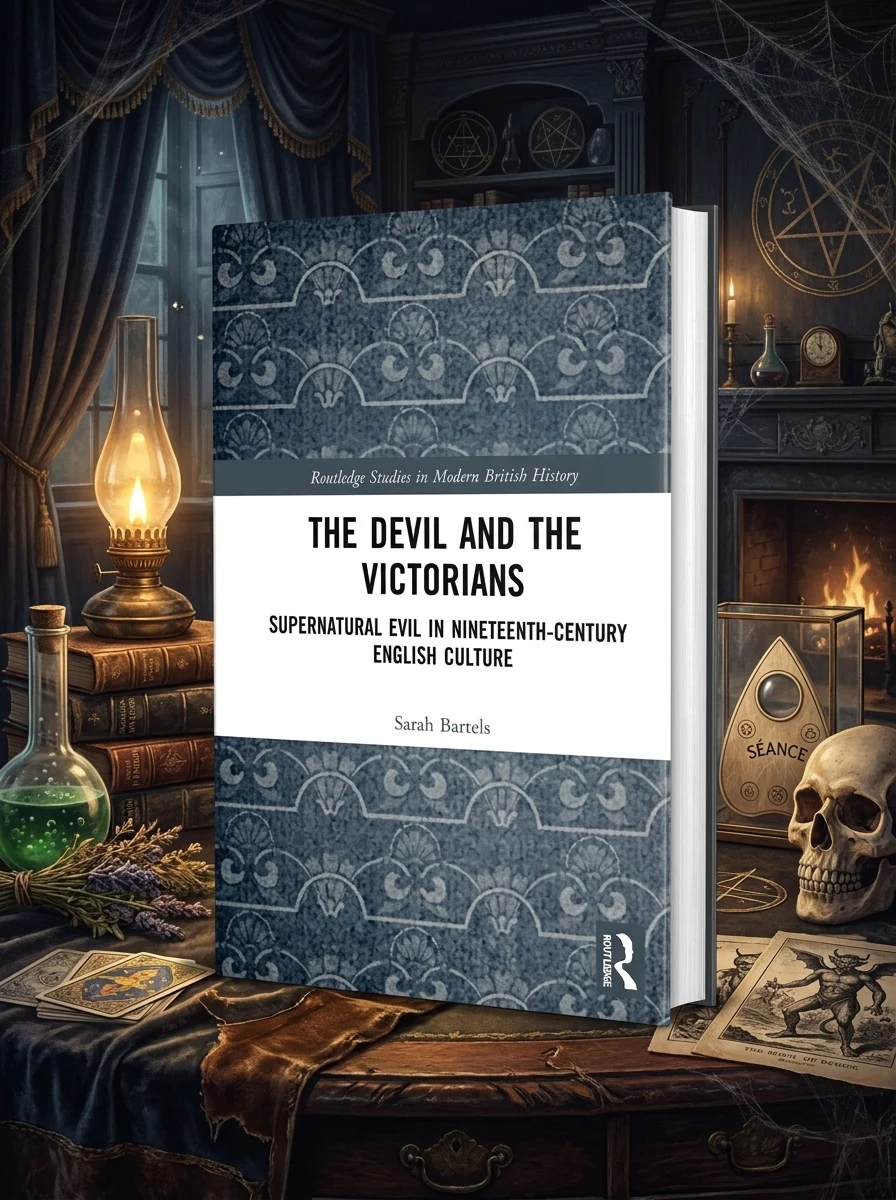
 91
91
 91
91