US shipping Secure card payment Thousands of titles
👤 Sign in

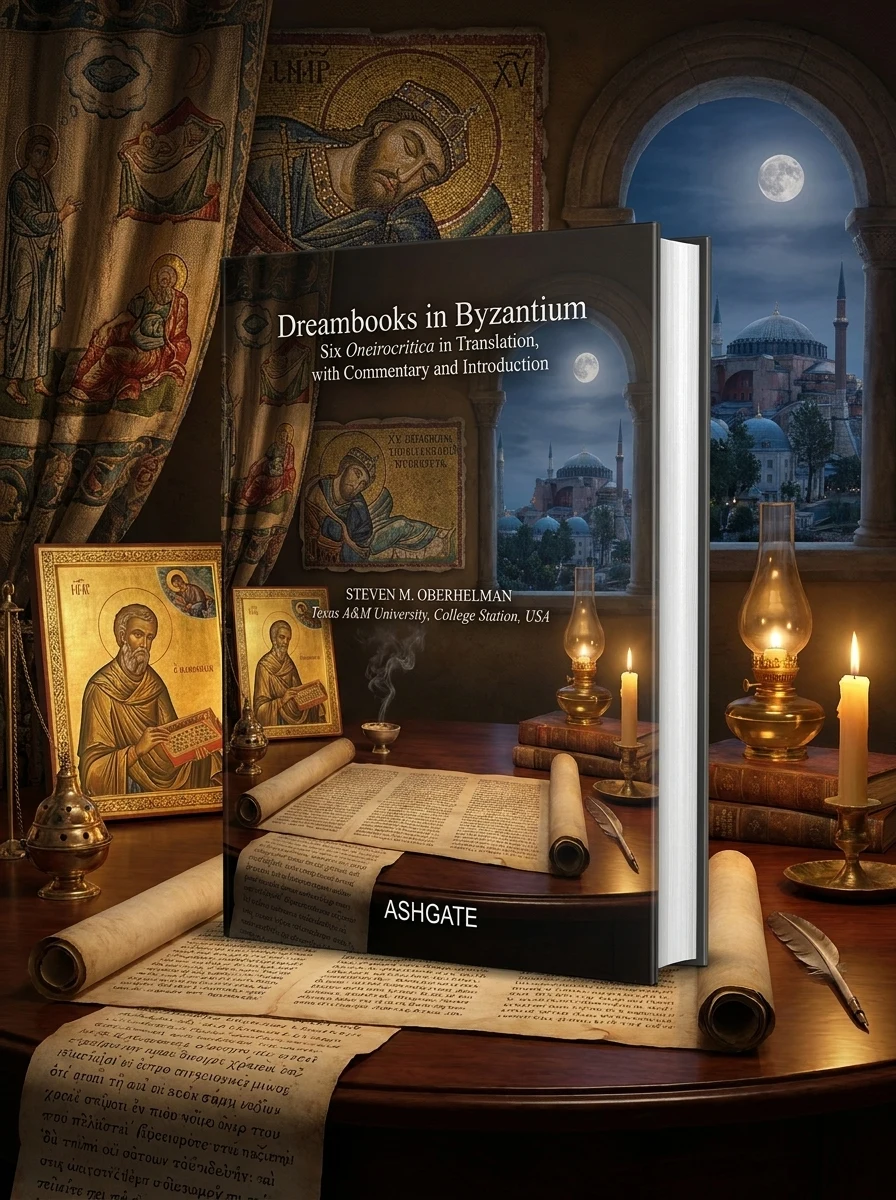
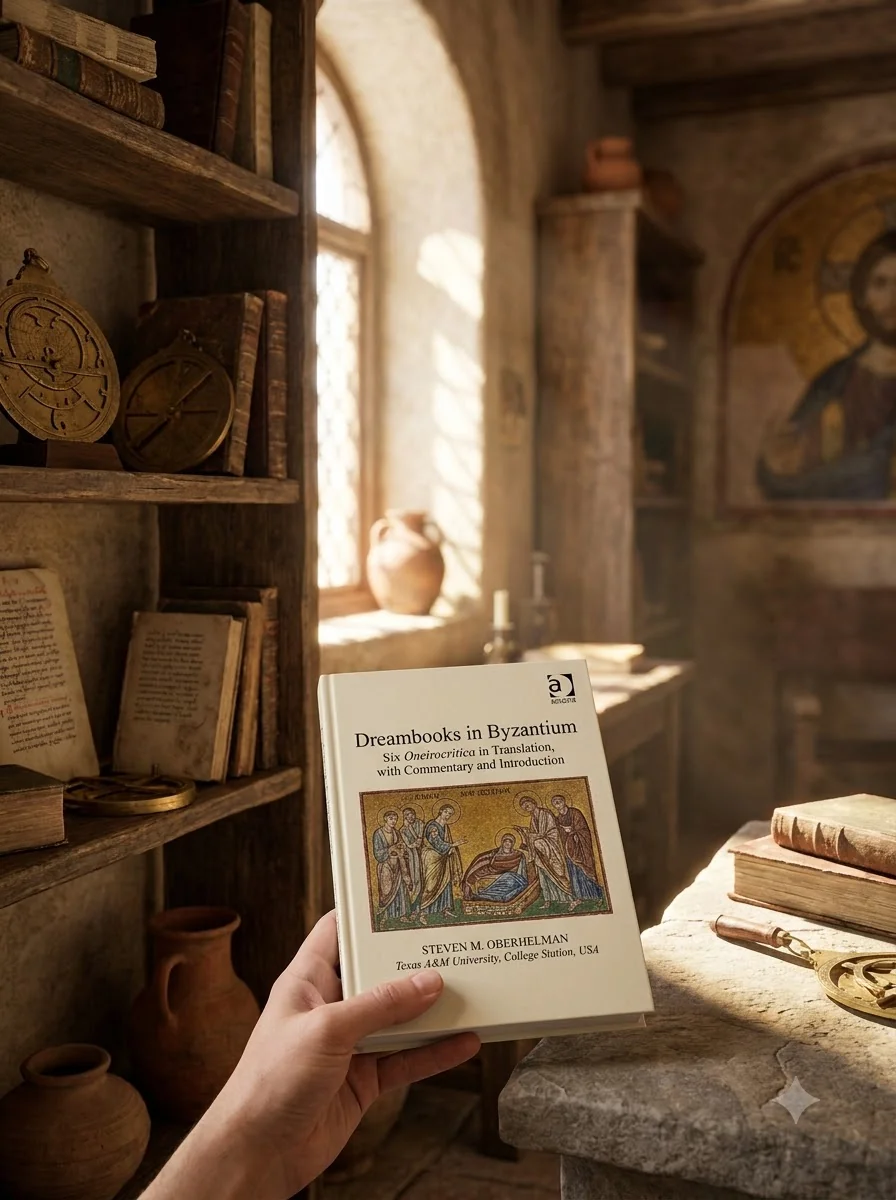
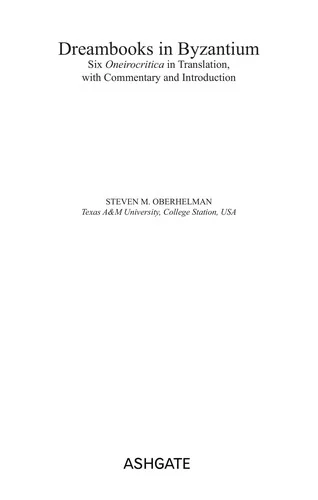
Dreambooks in Byzantium: Six Oneirocritica in Translation, with Commentary and Introduction

✍️ Oberhelman, Steven M
225 $
📚 ABOUT THE BOOK

Unlock ancient Byzantine dream secrets and divine your future.

This collection unveils six previously untranslated Byzantine dream interpretation manuals, offering a unique window into an era where dreams profoundly shaped daily life, religion, and literature. Explore how everyone, from emperors to common folk, sought prophetic guidance through oneirocritica. Discover the practical concerns of the Byzantine world—family, health, wealth, and social anxieties—mirrored in these ancient dream symbols. These texts, some attributed to historical figures, others anonymous, provide both concise symbolic guides and elaborate theoretical treatises, illuminating the enduring human quest for meaning in the nocturnal realm.


Key themes
{'title': 'Dreaming in Byzantium', 'body': 'Delve into how dreams were not merely night visions but integral to Byzantine society, influencing religious thought, literary works, and daily decisions. From imperial courts with professional interpreters to the common person consulting a manual, dreams were a vital source of insight and prophecy, shaping the spiritual and practical landscape of the era.'} {'title': "Decoding Night's Omens", 'body': 'Examine the two primary forms of Byzantine dream interpretation: concise, alphabetically organized manuals for the populace, and more extensive, theoretical treatises. These texts reveal the methods and symbols used to predict the future, address everyday worries like health and wealth, and navigate social relationships, offering a practical guide to ancient prognostication.'} {'title': 'Everyday Life in Dreams', 'body': 'The dream symbols and their interpretations in these texts offer a fascinating mirror to the anxieties and hopes of Byzantine citizens. Concerns over family well-being, health and illness, financial stability, betrayal by acquaintances, and fear of authority figures are recurrent motifs, illustrating the universal human condition through a historical lens.'}
🏛 Routledge 📅 2008 📖 260 pages 📔 Hardcover 📐 Hardcover ISBN: 9780754660842
In stock — ready to ship
Fun fact
This collection is an indispensable scholarly achievement, finally bringing a significant portion of Byzantine dream literature to English readers. It excels in offering a direct window into the cultural and spiritual life of the era, showcasing the practical application of dream interpretation for all social strata. While academic in its rigor, its focus on everyday concerns makes it surprisingly relatable. Those seeking New Age self-help might be disappointed, but historians, folklorists, and anyone drawn to ancient esoteric practices will find it profoundly enriching.

📝 Description: Dreambooks in Byzantium: Six Oneirocritica in Translation, with Commentary and Introduction

Dreambooks in Byzantium offers for the first time in English translation and with commentary six of the seven extant Byzantine oneirocritica, or manuals on the interpretation of dreams. (The seventh, The Oneirocriticon of Achmet ibn Sereim was published previously by the author.) Dreams permeated all aspects of Byzantine culture, from religion to literature to everyday life, while the interpretation of the future through dreams was done by professionals (emperors had their own) or through oneirocritica. Dreambooks were written and attributed to famous patriarchs, biblical personages, and emperors, to fictitious writers and interpreters, or were copied and published anonymously. Two types of dreambooks were produced: short prose or verse manuals, with the dreams usually listed alphabetically by symbol; and long treatises with subject matter arranged according to topics and with elaborate dream theory. The manuals were meant for a popular audience, mainly readers of the middle and lower classes; their content deals with concerns like family, sickness and health, poverty and wealth, treachery by friends, fear of authorities, punishment and honor-concerns, in other words, that pertain to the individual dreamer, not to the state or a cult. The dreambook writers drew upon various sources in Classical and Islamic literature, oral and written Byzantine materials, and, perhaps, their own oneirocritic practices. Much of the source-material was pagan in origin and, therefore, needed to be reworked into a Christianized context, with many interpretations given a Christian coloring. For each dreambook the author provides a commentary focusing on analyses of the interpretations assigned to each dream-symbol; historical, social, and cultural discussions of the dreams and interpretations; linguistic, lexical, and grammatical issues; and cross-references with Achmet, Artemidorus, and the other Bzyantine dreambooks. There are also introductory chapters on Byzantine dream interpretation; the authors, their dates, and sources; the manuscripts of the dreambooks; and a lengthy discussion of the contribution of these dreambooks to psychohistory, cultural history, historical sociology, and gender studies. The book is unique in that it offers a full study, through translation and commentary, of the oneirocritica to a wide audience - Byzantinists, Arabists, cultural historians, medievalists (several of the Byzantine dreambooks were translated into Latin and became fundamental dream-texts throughout the Middle Ages), and psychohistorians, all of whom will find the book useful in their study of dreams, transmission of Arabic sources by Byzantine authors, and cultural anthropology. Together with the Oneirocriticon of Achmet, it offers a complete study of dream-interpretation in medieval Greece.

⭐ Reader reviews

The starting rating comes from the team Esoterica Books — add yours →
⭐ Esoterica editorial review Editorial rating 4.6/5
★★★★
If you're fascinated by ancient divination, historical spiritual practices, or the cultural role of dreams, this collection is for you. Scholars of Byzantium, dream enthusiasts, and anyone seeking a deeper understanding of esoteric history will find these translations invaluable.

Reader rating

Reviews yet. Be the first!

❓ Frequently asked questions

This collection presents six of the seven known Byzantine oneirocritica. The seventh, the influential *Oneirocriticon of Achmet ibn Sereim*, was previously translated and published by the same esteemed author.
These dreambooks served a broad spectrum of Byzantine society. Shorter, more practical manuals were intended for a popular audience, while more extensive treatises would have appealed to scholars or professional dream interpreters.

📖 Who should read this

If you're fascinated by ancient divination, historical spiritual practices, or the cultural role of dreams, this collection is for you. Scholars of Byzantium, dream enthusiasts, and anyone seeking a deeper understanding of esoteric history will find these translations invaluable.

🎯 Key themes and symbolism

Dreaming in Byzantium

Delve into how dreams were not merely night visions but integral to Byzantine society, influencing religious thought, literary works, and daily decisions. From imperial courts with professional interpreters to the common person consulting a manual, dreams were a vital source of insight and prophecy, shaping the spiritual and practical landscape of the era.

Decoding Night's Omens

Examine the two primary forms of Byzantine dream interpretation: concise, alphabetically organized manuals for the populace, and more extensive, theoretical treatises. These texts reveal the methods and symbols used to predict the future, address everyday worries like health and wealth, and navigate social relationships, offering a practical guide to ancient prognostication.

Everyday Life in Dreams

The dream symbols and their interpretations in these texts offer a fascinating mirror to the anxieties and hopes of Byzantine citizens. Concerns over family well-being, health and illness, financial stability, betrayal by acquaintances, and fear of authority figures are recurrent motifs, illustrating the universal human condition through a historical lens.

💬 Quotes from the book

«If one dreams of seeing a serpent, it signifies a hidden enemy or treachery from a close acquaintance. Should the serpent be slain, victory over adversity is assured.»

«To dream of the emperor in splendid raiment foretells honor and advancement, but to see him in distress portends societal unrest or personal misfortune relative to one's station.»

📜 Historical context

This volume significantly expands the accessible corpus of Byzantine dream literature. Before this, only Achmet's extensive *Oneirocriticon* was widely available in English. These newly translated texts enrich our understanding of a long and vibrant tradition of dream interpretation stretching back to ancient Greece and Rome, showcasing its evolution through the medieval Christian world.

📚 Glossary

Oneirocritica
Byzantine
Divination

📔 Questions to reflect on

  1. How do the anxieties reflected in Byzantine dreams compare to your own contemporary concerns?
  2. If you were to create your own personal oneirocriticon, what three symbols from your dreams would you include, and what would their meanings be?
  3. Considering the Byzantine belief in dream prophecy, how might such a worldview impact daily decision-making and religious practice today?

Home Genres
Cart
Favorites
Menu
Esoterica Books Esoterica Books
Sign in or create an account Orders & favorites
Book genres Collections Bestsellers Deals and off What to read
Favorites Cart Track an order
Help
Chat with Esoterica Books Call us
Information
About us Shipping & payment Returns Terms Privacy Contact