Dreaming and Storytelling
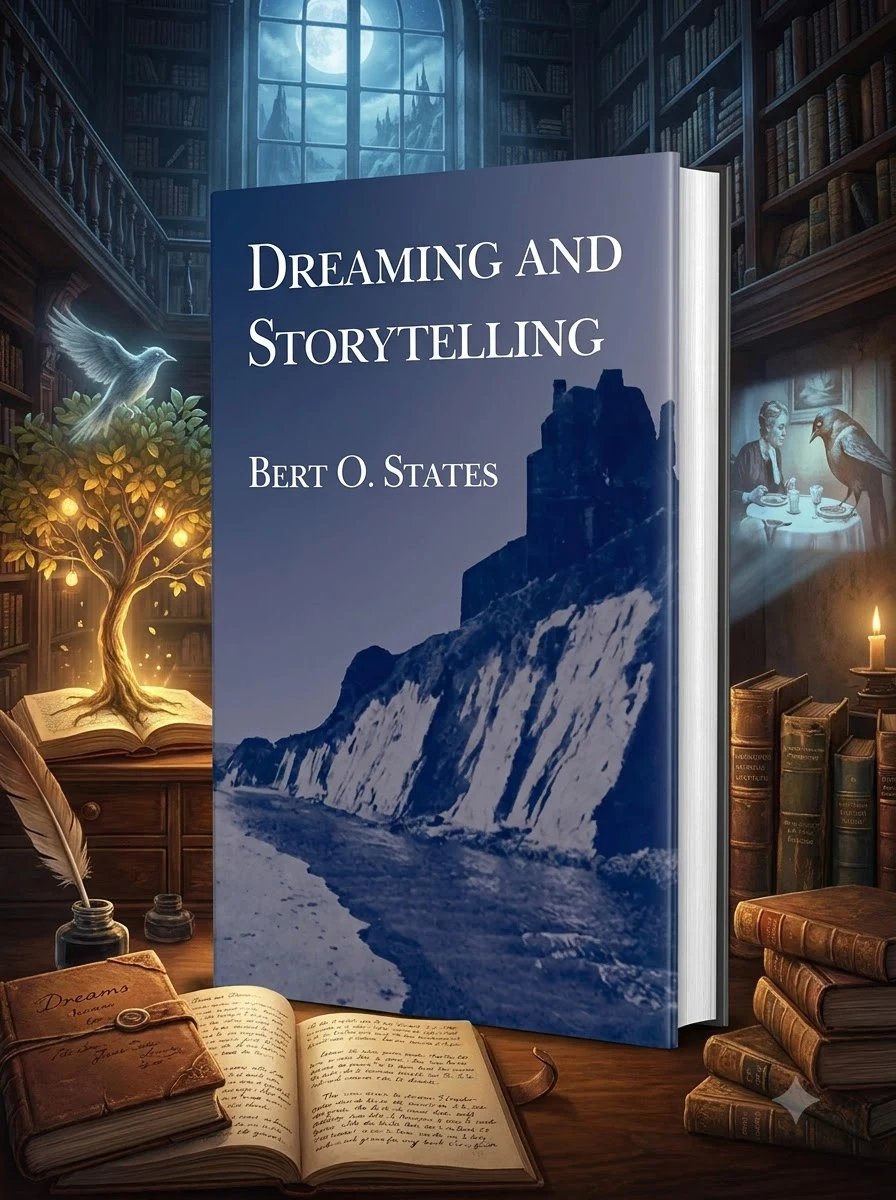
✍️ States, Bert OBert O. States invites readers to reconsider the true nature of dreams, moving beyond mere curiosity or Freudian analysis. He posits that our nightly visions represent a deeply personal form of literature, a private narrative crafted by the self. Through an engaging interdisciplinary lens, States explores the narrative elements shared between dreams and traditional stories, drawing insights from neurobiology, cognitive psychology, and literary theory. This work ultimately questions whether the psychic processes underpinning dreaming are fundamentally akin to those that drive our compulsion to tell tales.


📝 Description: Dreaming and Storytelling
💎 Expert review
📖 Why choose it
Why this book is worth reading
Scholars and enthusiasts of narrative theory will find profound value in States' exploration of the intrinsic link between dreaming and storytelling. By treating dreams as a private form of literature, the author offers a fresh perspective on how the mind constructs meaning during sleep. Readers interested in the mechanics of human imagination, those studying the cognitive underpinnings of creativity, or anyone seeking to understand the structural similarities between waking narratives and nightly visions will gain significant insight. This book serves as an essential guide for those wishing to decode the secret language of the sleeping mind through a rigorous yet engaging interdisciplinary lens.
⭐ Reader reviews
Reader rating
States presents a compelling argument that dreams are essentially personal literature, supported by insights from neurobiology and psychology. While intellectually stimulating for academics in literary theory or cognitive science, this text may not suit casual readers seeking simple dream interpretation guides or those looking for practical advice on lucid dreaming techniques. It requires patience with dense theoretical frameworks rather than offering accessible self-help strategies. However, for those willing to engage with its complex interdisciplinary approach, it provides a robust reevaluation of how we understand the psychic processes that drive our compulsion to tell tales.
❓ Frequently asked questions
📖 Who should read this
If you're fascinated by the mysteries of dreams, the art of narrative, or the intricate workings of the human mind, this book is for you. It challenges conventional thought, offering a fresh, academic yet accessible perspective on how we create meaning, awake or asleep.
🎯 Key themes and symbolism
Dreams as Private Literature
States argues against dismissing dreams as nonsensical nocturnal events. Instead, he elevates them to a unique literary form, a personal and often symbolic narrative created by the individual psyche. This perspective recasts the dream experience as a rich, if sometimes perplexing, text demanding interpretation not just for meaning, but for its structural and artistic value.
Storytelling's Dream Origins
The book meticulously examines the striking parallels between the 'plot devices' and 'cinematic techniques' found in dreams and those employed in shared narratives. States suggests that the very mechanisms of human storytelling, from character arcs to symbolic imagery, might find their primal roots in the spontaneous, often bizarre, narratives we construct nightly while asleep.
Interdisciplinary Mind Exploration
Rather than confining his inquiry to a single field, States masterfully synthesizes insights from diverse disciplines. He weaves together findings from neurobiology concerning brain activity during sleep, cognitive psychology's understanding of perception, and literary theory's analysis of narrative structure, creating a holistic and compelling argument about our mental processes.
📜 Historical context
📚 Glossary
- Semiotics
- Neurobiology
- Cognitive Psychology
📔 Questions to reflect on
- Consider a recent dream you've had. What narrative elements, like characters, setting changes, or plot twists, can you identify within it, even if seemingly bizarre?
- How might the way you tell a story about yourself or your experiences be influenced by the way your mind constructs narratives in dreams?
- If dreams are a 'private literature,' what themes or recurring motifs in your own dreams might reveal deeper insights about your subconscious concerns or desires?