Dreaming and Storytelling
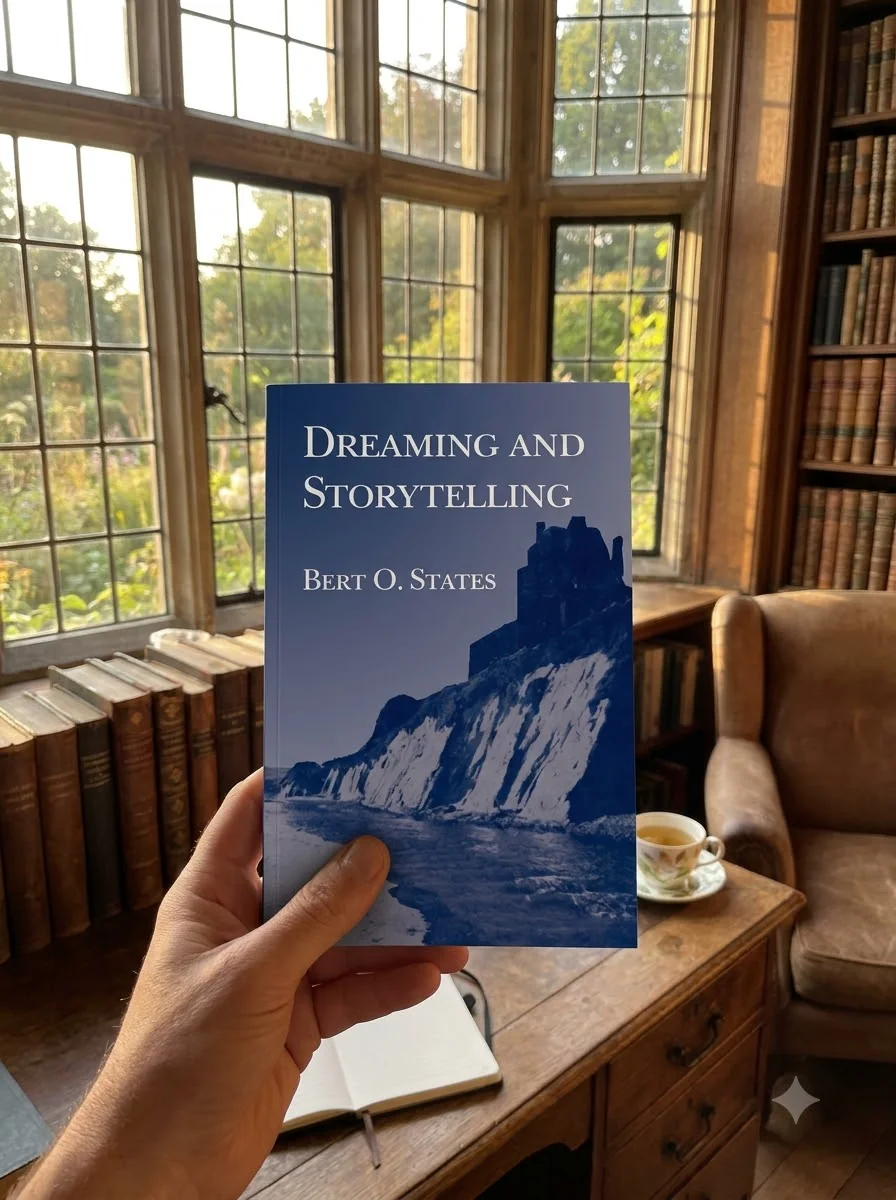
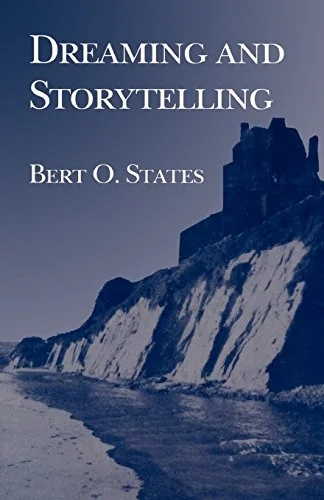
✍️ States, Bert OBert O. States invites readers on an insightful journey into the enigmatic world of dreams, proposing they are far more than fleeting nocturnal phenomena. He argues that our dreams form a unique, personal literary landscape, offering profound insights into the very mechanics of shared literature and narrative construction. By exploring the surprising parallels between dream logic and storytelling, States challenges us to reconsider how meaning is forged, both in our subconscious and in the tales we craft.


📝 Description: Dreaming and Storytelling
💎 Expert review
📖 Why choose it
Why this book is worth reading
Bert O. States offers a transformative lens for those fascinated by the architecture of human imagination. If you have ever wondered why dreams feel so vividly narrative, or how our subconscious shapes the stories we tell others, this book provides the essential framework. It is ideal for writers seeking to understand the raw material of creativity and for readers interested in the deep mechanics of meaning-making. By revealing how dream logic mirrors storytelling techniques, States empowers you to decode your own internal narratives. This text does not merely analyze dreams; it elevates them to a literary status, offering profound insights into the shared human experience of constructing reality through language and image. It is a must-read for anyone who believes that understanding sleep is key to understanding wakeful creation.
⭐ Reader reviews
Reader rating
States delivers a rigorous intellectual exploration that demands patience from its audience. While his thesis linking dream logic to narrative construction is compelling, the academic density may alienate casual readers seeking practical dream interpretation or mystical guidance. This book does not suit those looking for quick fixes, spiritual solace, or simple anecdotal evidence. It is specifically tailored for scholars and serious enthusiasts of literary theory who appreciate dense, theoretical discourse over accessible prose. Readers expecting a straightforward guide to astral projection or lucid dreaming techniques will likely find the content too abstract and detached from practical application. However, for those willing to engage with complex arguments about consciousness and textuality, it offers a stimulating, albeit demanding, intellectual journey.
❓ Frequently asked questions
📖 Who should read this
If you're fascinated by the mysteries of the mind, the art of storytelling, or the symbolic language of dreams, this book offers a refreshing and intellectually stimulating perspective. Readers interested in literary theory, psychology, or personal interpretation will find deep resonance here.
🎯 Key themes and symbolism
Dreams as Private Literature
States posits that dreams are not just random imagery but a sophisticated, albeit unconventional, form of personal narrative. He explores how these internal 'texts,' despite their often bizarre nature, possess structural elements akin to literature, offering a unique window into the self's creative and expressive capacities, even in its most unconscious states.
Narrative Parallels in Consciousness
The book delves into the striking similarities between the construction of dreams and the art of storytelling. It highlights shared 'cinematic' techniques, character archetypes, and plot developments like reversals of fortune, suggesting an underlying narrative blueprint that operates across both our waking fictions and our sleeping experiences, bridging the gap between them.
Interdisciplinary Mind Exploration
States masterfully synthesizes insights from diverse fields, including neurobiology, cognitive psychology, and literary theory. By weaving together these perspectives, he investigates whether dreaming and conscious narrative creation might spring from common psychic processes, offering a holistic view of the mind's storytelling impulse in all its forms.
📜 Historical context
📚 Glossary
- Semiotics
- Psychoanalysis
- Cognitive Psychology
📔 Questions to reflect on
- Reflect on a recent vivid dream. Can you identify any 'cinematic' techniques or narrative plot devices within its unfolding, similar to those found in conscious storytelling?
- Consider your favorite story (book, film, myth). What 'bizarre' or illogical elements does it contain that, despite their strangeness, contribute to its overall meaning or emotional impact, much like elements in a dream?
- If your dreams are a 'private literature of the self,' what recurring themes, characters, or settings appear in this literature? What might they be trying to communicate about your inner world?