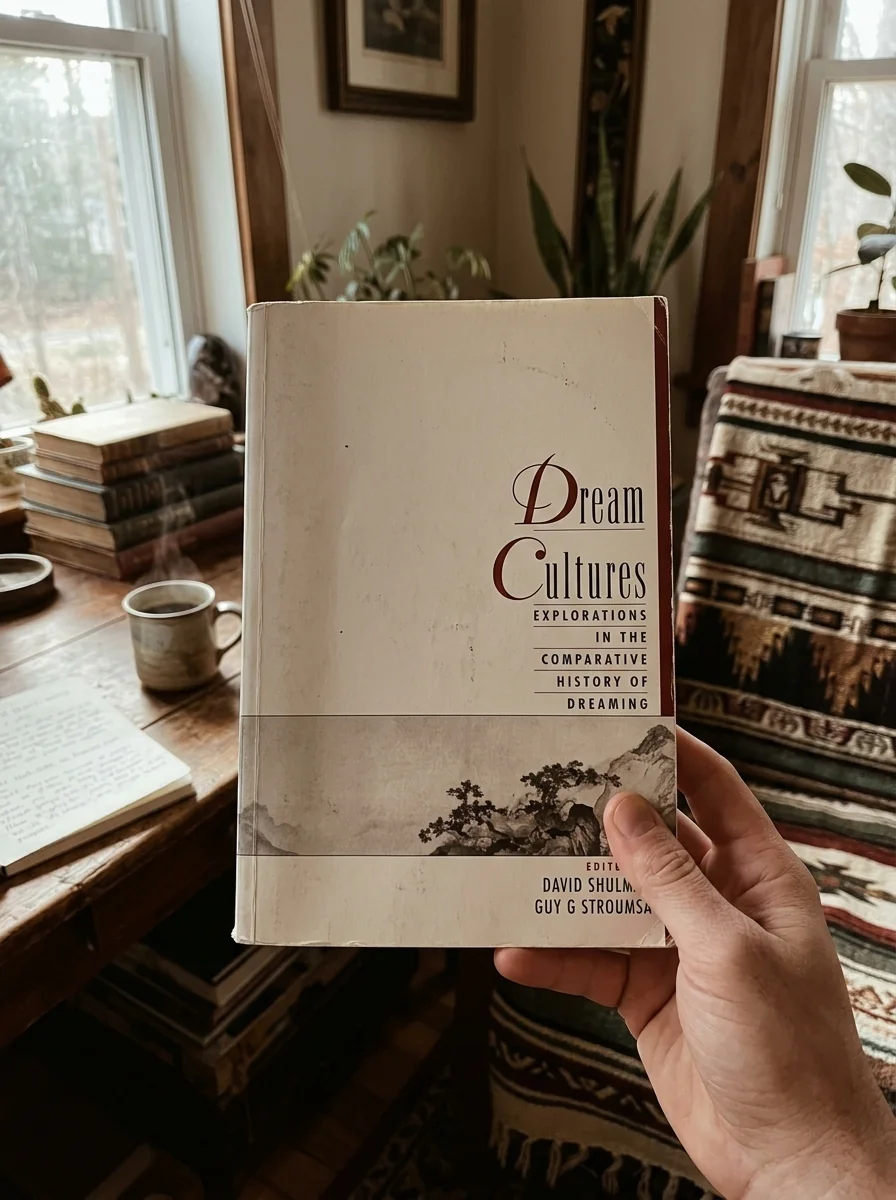
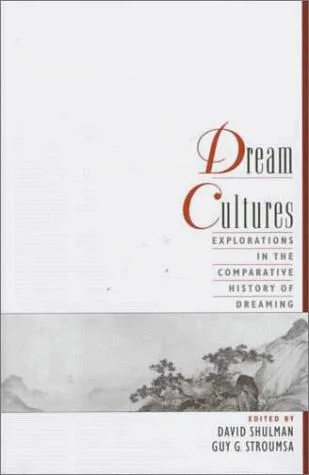
Dream Cultures: Explorations in the Comparative History of Dreaming
This compelling collection delves into the profound historical and cultural interpretations of dreams across human civilization. Esteemed scholars meticulously analyze dream narratives and their significance within various spiritual and societal frameworks, from ancient Chinese wisdom to Indigenous American traditions, and the foundational texts of Judaism, Christianity, and Islam. The volume illuminates how different cultures have perceived, recorded, and integrated dream experiences into their understanding of reality, offering a panoramic view of humanity's nocturnal consciousness through time and revealing its universal yet varied impact.


Praise for this book
“This book is a major contribution to redressing the need for more culturally sensitive theories of dreams and dreaming.”
📝 Description: Dream Cultures: Explorations in the Comparative History of Dreaming
💎 Expert review
📖 Why choose it
Why this book is worth reading
Scholars and enthusiasts of esoteric history will find this collection indispensable for its panoramic view of humanity's nocturnal consciousness. By meticulously analyzing dream narratives from ancient Chinese wisdom to Indigenous American traditions, the book reveals how societies have integrated these experiences into their reality. It offers deep insight into the spiritual significance of dreams across Judaism, Christianity, and Islam, making it essential for those seeking to understand the historical roots of astral and dream work in global culture.
⭐ Reader reviews
Reader rating
This academic compilation provides a rigorous examination of dream interpretations across major civilizations, appealing to those interested in the intersection of spirituality and history. However, readers seeking practical guides for lucid dreaming or immediate mystical experiences will likely find it dry and overly theoretical. It is not suited for casual readers looking for entertainment or simple anecdotes, as it demands engagement with complex scholarly analysis rather than offering accessible advice or narrative flair.
❓ Frequently asked questions
📖 Who should read this
If you're fascinated by the hidden language of the psyche, the historical evolution of human consciousness, or the intricate intersection of culture and spirituality, this book is for you. It offers a scholarly yet accessible entry into the universal mystery of dreams across civilizations.
🎯 Key themes and symbolism
Comparative Dream Studies
This volume meticulously contrasts how diverse societies, from ancient Greece to indigenous American tribes, have understood and articulated their dream experiences. It highlights both universal patterns and unique cultural lenses through which the subconscious mind has been interpreted across millennia, revealing a rich tapestry of human engagement with the dream state.
Dreams in Religious Contexts
Exploring the sacred dimension, the essays uncover the pivotal role dreams have played in shaping religious doctrines and spiritual practices. From prophetic visions in early Abrahamic faiths to symbolic narratives in Indian scriptures, dreams are shown as vital channels for divine communication and personal revelation, influencing beliefs and rituals profoundly.
Cultural Interpretations of Dreaming
The book examines the rich tapestry of cultural meanings woven around dreams, analyzing how societies integrate dream content into their daily lives, art, and cosmology. It reveals how interpretations vary widely, reflecting distinct worldviews and epistemologies regarding the nature of reality and consciousness, shaping how dreams are perceived and utilized.
📜 Historical context
📚 Glossary
- Oneirology
- Cross-Cultural Analysis
- Ethnography
📔 Questions to reflect on
- How might understanding historical dream cultures shift your perception of your own dream experiences or those of your community?
- Consider a significant dream from your own life. How might different historical or cultural frameworks interpret its meaning compared to your personal understanding?
- If dreams are indeed a 'cultural product,' what does that imply about the universal human subconscious versus culturally conditioned consciousness?