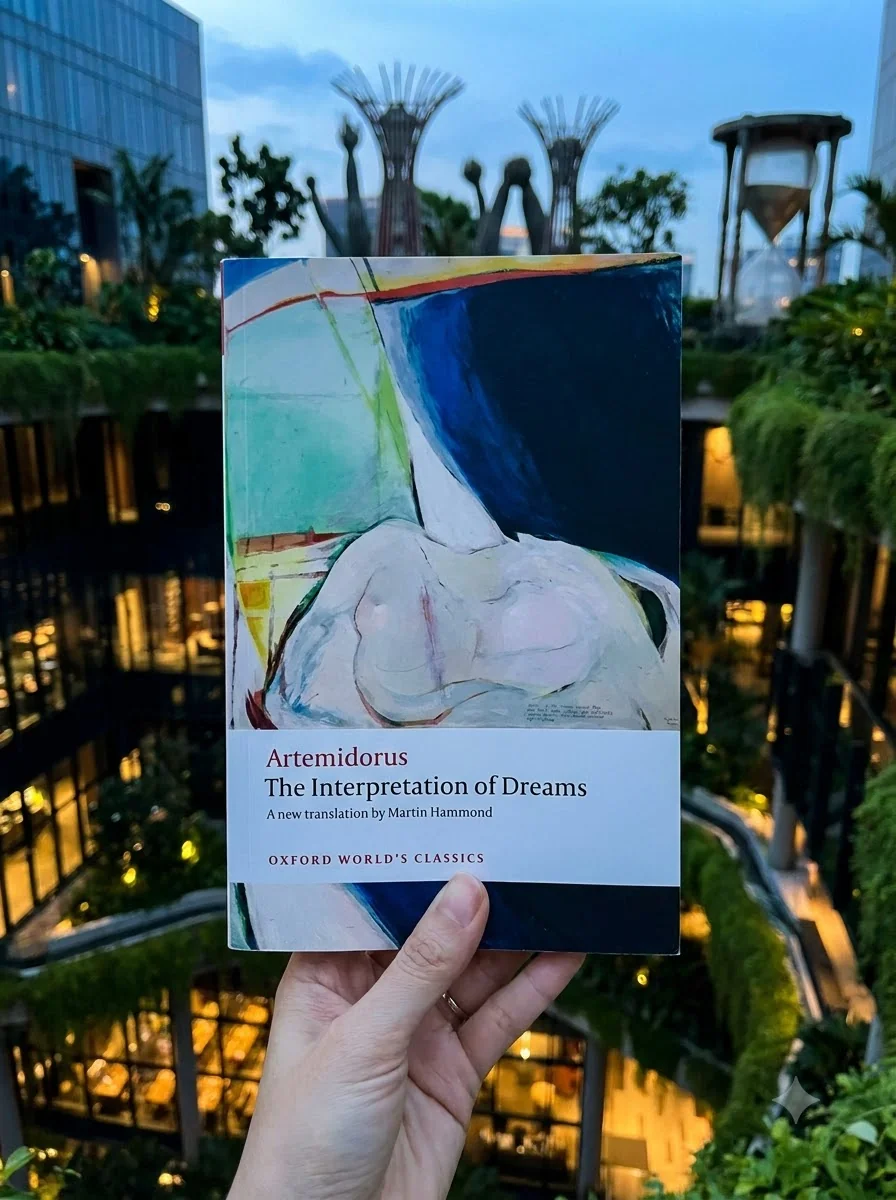
The Interpretation of Dreams
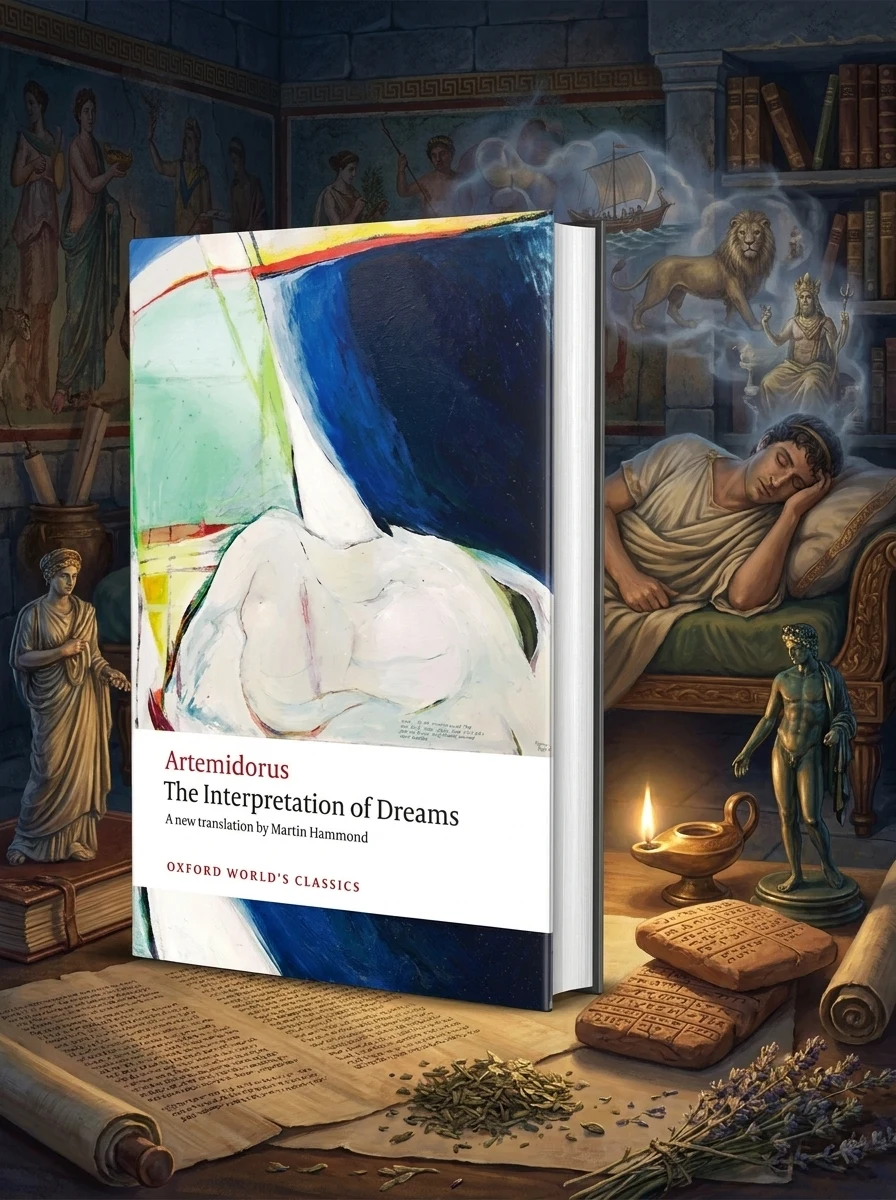
This unparalleled work, the only complete dream manual to survive from antiquity, offers a rich tapestry of Greco-Roman dream interpretation. Penned around 200 AD, it reveals a systematic approach to decoding nocturnal visions, ranging from the mundane to the divine. Artemidorus uniquely championed understanding the dreamer's personal context—their profession, health, and social standing—as crucial for accurate analysis, moving beyond simple symbols. More than just a guide to dreams, it serves as an extraordinary window into the daily life, cultural beliefs, and societal nuances of Imperial Rome, influencing subsequent thinkers like Freud.


Praise for this book
“Martin Hammond's characteristically fluent, lucid, and (importantly) accurate translation is supplied with notes on the Greek text and an outstandingly useful sixty-two-page index; Peter Thonemann contributes an informative introduction and explanatory notes on the content ... Between them, Hammond and Thonemann have furnished us with an outstanding resource.”
“Between them, Hammond and Thonemann have furnished us with an outstanding resource.”
“Hammond's accessible and affordable translation is a joy to read.”
📝 Description: The Interpretation of Dreams
💎 Expert review
📖 Why choose it
Why this book is worth reading
You will find profound value in this volume if you are deeply interested in the historical roots of dream analysis and the cultural fabric of Imperial Rome. Artemidorus provides an unparalleled window into daily life and societal nuances through the lens of nocturnal visions. By championing the importance of the dreamer's specific profession, health, and social standing, the work moves beyond simple symbol decoding to offer a nuanced, human-centered approach. Readers who appreciate esoteric history combined with psychological depth will gain extraordinary insights into how ancient minds interpreted their subconscious experiences, influencing later thinkers like Freud.
⭐ Reader reviews
Reader rating
While this manual is an indispensable resource for historians of psychology and occult studies, it may not suit readers seeking quick, universal dream dictionaries or modern scientific explanations. The text’s reliance on Imperial Roman cultural contexts can feel obscure to those unfamiliar with ancient societal structures. Additionally, its systematic approach might appear dated to contemporary Jungians or Freudians looking for purely psychoanalytic frameworks. However, as the only complete survival of its kind, it remains a critical primary source for understanding the evolution of dream interpretation and the rich tapestry of Greco-Roman beliefs regarding the divine and mundane.
❓ Frequently asked questions
📖 Who should read this
If you are fascinated by ancient philosophy, the history of psychology, or the esoteric art of dream interpretation, this foundational text is essential. Scholars of classical studies, cultural historians, and anyone seeking a deeper understanding of the human psyche's journey will find it profoundly rewarding.
🎯 Key themes and symbolism
Ancient Dream Wisdom
As the sole comprehensive dream text from the Greco-Roman era to endure intact, this volume offers an invaluable glimpse into systematic pre-Freudian dream analysis. It meticulously categorizes and interprets a vast array of dream scenarios, reflecting how ancient minds sought meaning in the unconscious and perceived the subtle interplay between the sleeping state and waking reality, influencing centuries of esoteric thought.
Social & Cultural Insight
Artemidorus's method, which demands intimate knowledge of a dreamer's background, inadvertently preserves a remarkably detailed social history. Through his interpretations, readers gain profound insight into the everyday concerns, customs, occupations, health perspectives, and prevailing attitudes of people living under the vast influence of Imperial Rome, offering a vibrant portrait of a bygone era.
The Dreamer's Context
A cornerstone of Artemidorus's philosophy is the radical notion that dreams are deeply personal. He stresses that a dream's true meaning can only be unlocked by understanding the individual's unique circumstances: their age, status, habits, and health. This approach moves beyond universal symbols, championing a nuanced, individualized interpretation that resonates with modern psychological thought on personal narratives.
📜 Historical context
📚 Glossary
- Oneirocritica
- Artemidorus
- Greco-Roman
📔 Questions to reflect on
- Reflect on a recent dream. How might Artemidorus's focus on your personal life circumstances shed new light on its meaning?
- Consider how ancient beliefs about dreams differ from modern psychological views. What wisdom can we gain from the older perspective?
- If you were Artemidorus, what five key questions would you ask a dreamer before attempting to interpret their dream?