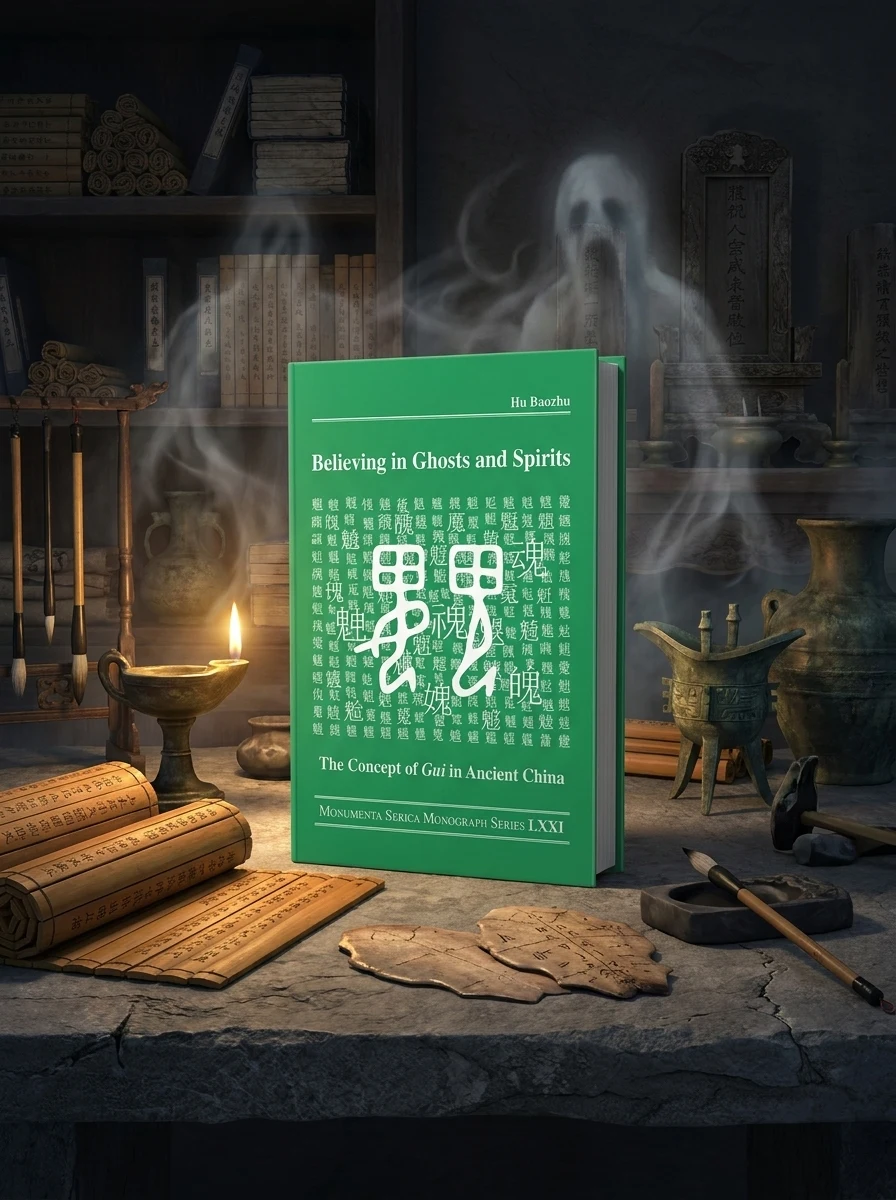
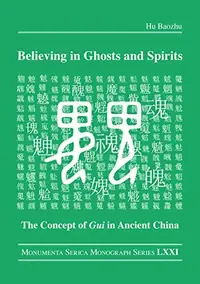
Believing in Ghosts and Spirits: The Concept of GUI in Ancient China Baozhu, Hu
Baozhu, HuStock reported in the catalog; fulfillment is confirmed with your request.
Unveil the spectral heart of ancient Chinese belief through a single character.
Hu Baozhu meticulously dissects the multifaceted concept of `gui` (鬼) to illuminate the spiritual tapestry of ancient China. This scholarly work moves beyond mere supernatural tales, delving into how these spectral entities were understood, categorized, and integrated into the very fabric of society. Drawing from linguistic roots, ancient texts, and archaeological finds, the book reveals `gui` as a central element influencing everything from personal piety to cosmic order and political legitimacy, offering a profound insight into the ancient Chinese worldview.
This scholarly work situates itself within the study of ancient Chinese philosophy and cosmology, exploring how spiritual entities were integrated into societal structures. It bridges linguistic analysis with archaeological findings to illuminate the historical worldview regarding the afterlife and cosmic order.


📝 Description: Believing in Ghosts and Spirits: The Concept of GUI in Ancient China Baozhu, Hu
💎 Expert review
📖 Why choose it
Why this book is worth reading
This book is an essential resource for scholars of comparative religion, historians of early China, and those fascinated by the intersection of language and belief. Readers who seek to understand how ancient societies conceptualized death and the supernatural will find profound value in Hu Baozhu's meticulous dissection of the character 'gui'. It offers a unique window into how spiritual entities influenced personal piety, political legitimacy, and the broader cosmic order. By moving beyond mere folklore, the text provides a rigorous academic framework for understanding the spectral heart of ancient Chinese culture, making it indispensable for those dedicated to unraveling the complex tapestry of esoteric historical beliefs.
⭐ Reader reviews
Reader rating
Hu Baozhu delivers a dense, scholarly examination that demands patience and academic focus. While the linguistic and archaeological insights are robust, this text is strictly for readers with a background in sinology or comparative mythology. It will not suit casual readers seeking ghost stories or light philosophical musings. The tone is analytical rather than narrative, prioritizing conceptual clarity over accessibility. Those looking for engaging storytelling may find the rigorous dissection of character roots and societal integration dry. However, for those committed to understanding the structural role of spirits in ancient governance and cosmology, this work provides a necessary, albeit demanding, contribution to the field.
❓ Frequently asked questions
📖 Who should read this
For scholars of East Asian philosophy, cultural historians, or any seeker fascinated by the intricate spiritual systems of antiquity. If you wish to understand how the unseen shaped the seen in one of the world's oldest civilizations, this rigorous examination offers unparalleled depth.
🎯 Key themes and symbolism
Spectral Analysis Across Disciplines
Hu Baozhu employs a comprehensive methodology, scrutinizing `gui` through diverse lenses. The analysis spans its linguistic origins, literary interpretations within ancient texts, its role in ritualistic practices, profound sociopolitical implications, and its integration into broader cosmological frameworks, offering a holistic understanding of its pervasive influence.
Cosmology and Societal Order
The study reveals how `gui` beliefs transcended individual religiosity to become a cornerstone of ancient Chinese moral and social structures. They provided a framework for family-oriented societal norms, legitimized political authority, and offered a fundamental understanding of the cosmic dance between Heaven and Earth, binding individuals to a collective spiritual order.
💬 Quotes from the book
“The character `gui` is not merely a lexical entry but a semiotic nexus, revealing the intricate interplay between linguistic evolution and the evolving perception of the unseen realm in ancient Chinese thought.”
“Beyond individual piety, the structured belief in spectral entities served as a profound moral compass and a cornerstone for maintaining both familial hierarchies and state legitimacy within the ancient socio-political framework.”
📜 Historical context
📚 Glossary
- Gui (鬼)
- Cosmology
- Philology
📔 Questions to reflect on
- How might the integration of spiritual beliefs into political and social structures, as seen with `gui`, compare to or differ from similar phenomena in other ancient cultures you know?
- Reflect on how modern languages or cultures classify 'spiritual beings.' Are there parallels to the ancient Chinese attempt to "identify and classify" entities like `gui`?
- Consider the idea of spiritual beliefs acting as a "moral standard." How does this concept resonate with or challenge your own understanding of ethics and spirituality?
📖 From the series “Monumenta Serica Monograph”
All books in the series →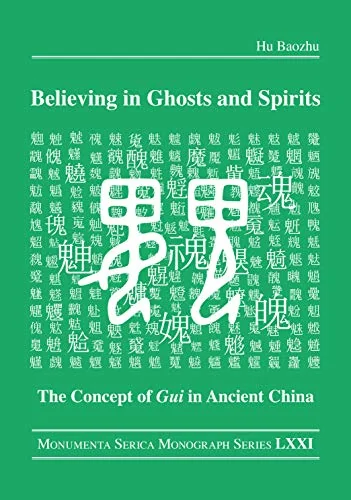
✍️ More books by this author Baozhu, Hu
All books by this author →🏛 Books from this publisher Routledge
All books from this publisher →
 89
89
You might also like
See more →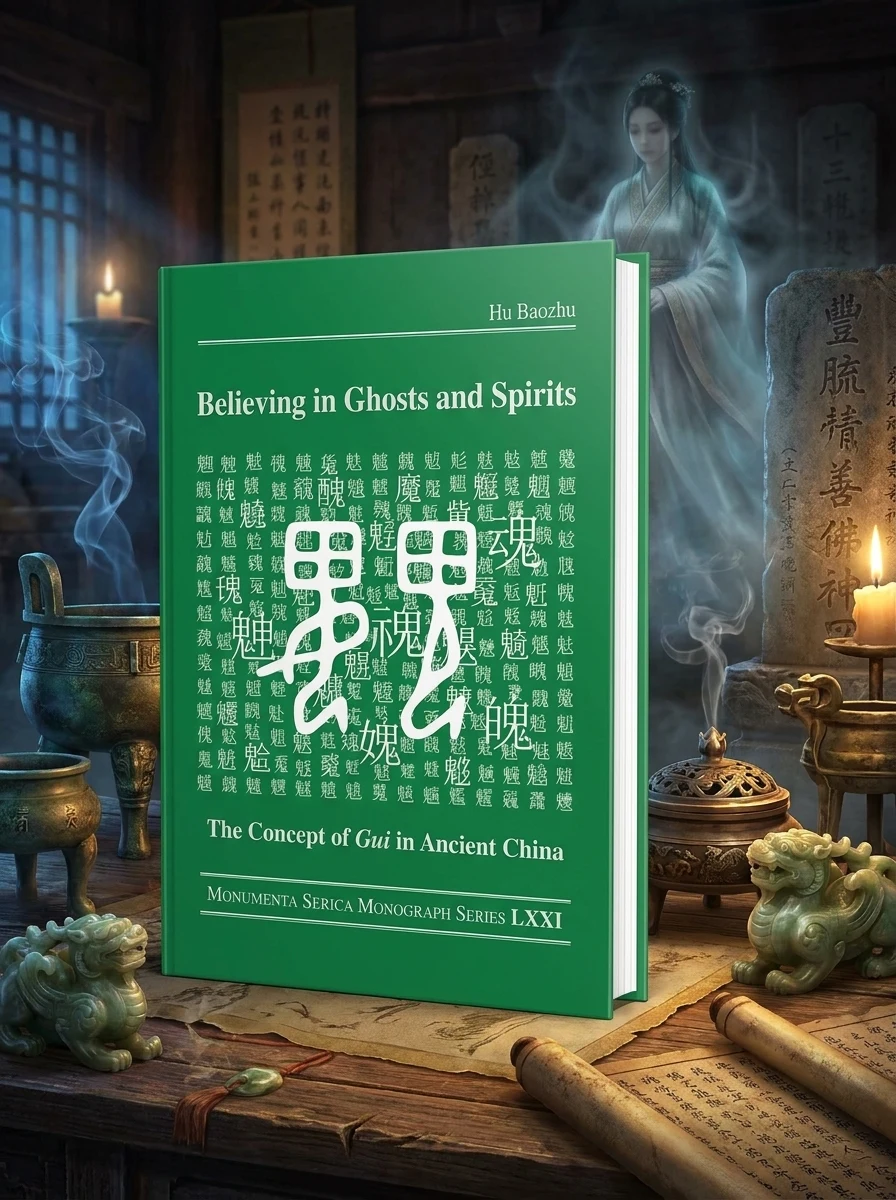
 91
91
 91
91