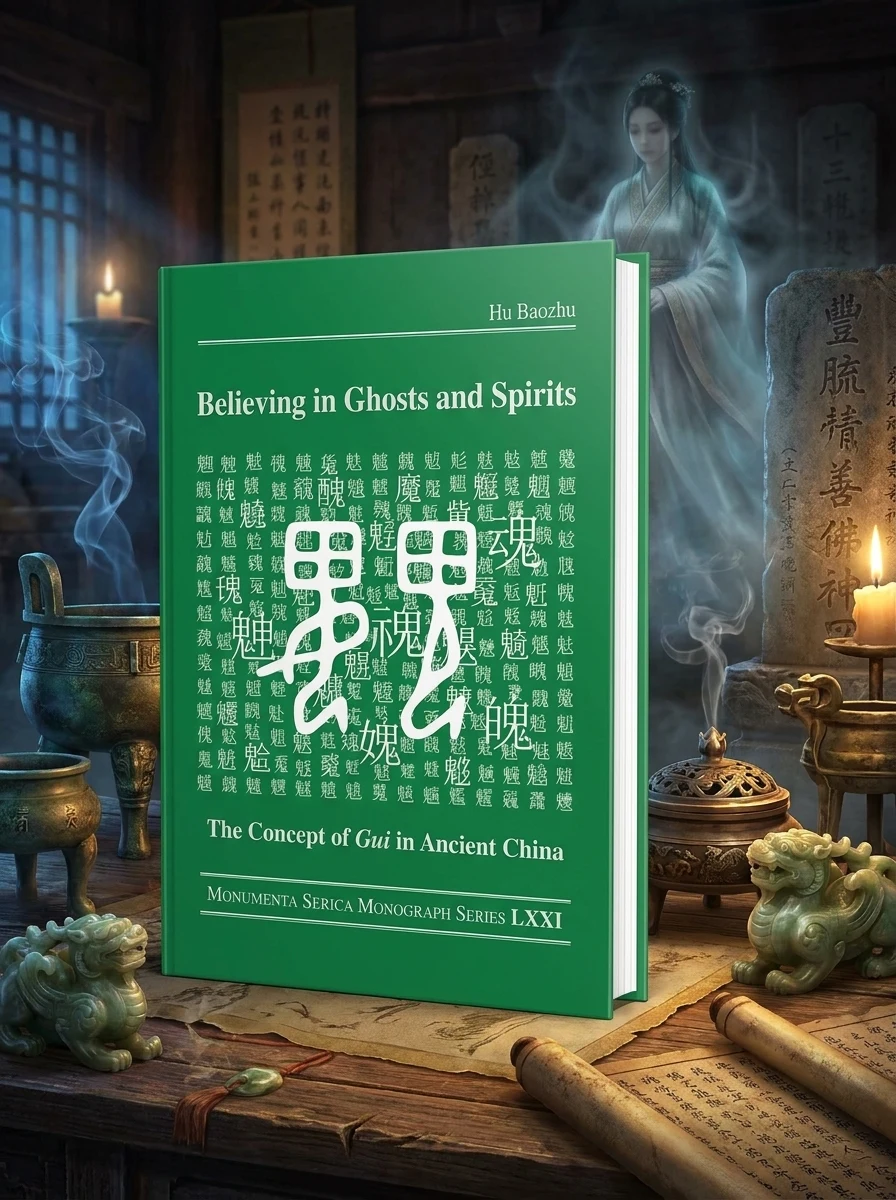
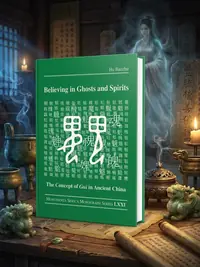
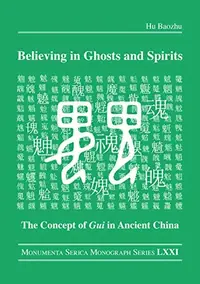
Believing in Ghosts and Spirits: The Concept of GUI in Ancient China Baozhu, Hu
Baozhu, Hu 80
80
 Editorial score
How we rate
Editorial score
How we rate
Stock reported in the catalog; fulfillment is confirmed with your request.
Unearth the spectral heart of ancient China through the enigmatic concept of *gui*.
Hu Baozhu's scholarly work delves into the profound role of spirits and ghosts in ancient Chinese thought. This book meticulously dissects the concept of *gui* (鬼), the central entity in understanding the spiritual fabric of early China. It offers a comprehensive map of the diverse religious beliefs that shaped a civilization, moving beyond simplistic interpretations to reveal the nuanced interactions between the living and the unseen. A vital resource for comprehending the foundational spiritual cosmology of a powerful culture, it offers unparalleled insight into an often-misunderstood aspect of history.
This scholarly work situates the ancient Chinese concept of *gui* within the broader framework of early spiritual cosmology and religious belief systems. It explores how these unseen entities formed the foundational fabric of a powerful civilization's understanding of life and death.


📝 Description: Believing in Ghosts and Spirits: The Concept of GUI in Ancient China Baozhu, Hu
💎 Expert review
📖 Why choose it
Why this book is worth reading
Scholars and enthusiasts of comparative religion will find immense value in this meticulous dissection of the *gui* concept. By moving beyond simplistic interpretations, Hu Baozhu provides a nuanced map of diverse religious beliefs that shaped ancient China. Readers seeking to understand the intricate interactions between the living and the unseen will gain unparalleled insight into an often-misunderstood aspect of history. This book is essential for anyone wishing to comprehend the profound role spirits played in early Chinese thought without resorting to exoticism or error.
⭐ Reader reviews
Reader rating
Hu’s text offers a rigorous academic exploration of ancient Chinese spiritual cosmology, mapping the complex religious beliefs surrounding *gui*. While it serves as a vital resource for specialists in sinology and comparative mythology, it may not suit casual readers seeking narrative adventure or accessible folklore. The work demands patience and intellectual engagement, prioritizing scholarly depth over entertainment. Those expecting light reading or supernatural thrillers will likely find its dense analysis of foundational cosmology tedious rather than illuminating.
❓ Frequently asked questions
📖 Who should read this
If you are drawn to the profound spiritual traditions of ancient China, seeking to grasp the underpinnings of its cosmology, or wish to deepen your understanding of cultural beliefs through their spectral manifestations, this rigorous academic exploration is an essential read for your intellectual journey.
🎯 Key themes and symbolism
The Enigma of Gui
This study meticulously unpacks the multifaceted meaning of *gui*, demonstrating how this single character serves as a pivotal lens for interpreting ancient Chinese spiritual beings. It explores its evolution, its various manifestations, and its profound impact on cosmology and everyday life, revealing *gui* as far more than a simple "ghost" or demon, but a complex spiritual agent.
Mapping Spiritual Landscapes
The author skillfully reconstructs the intricate religious topography of ancient China, illustrating how beliefs in spirits permeated every aspect of society. From ancestor veneration to animistic practices and folk traditions, the book provides a rich tapestry of spiritual interactions, showcasing the dynamic interplay between human experience and the unseen realms that defined an era.
Cultural & Philosophical Roots
Beyond mere spectral analysis, the text illuminates how the understanding of *gui* is fundamental to grasping ancient Chinese philosophy and cultural identity. It argues that these spiritual concepts are not peripheral but are woven into the very fabric of societal norms, ethical frameworks, and the collective worldview, offering a deeper appreciation of the civilization itself.
💬 Quotes from the book
“The *gui*, far from a monolithic entity, represents a complex spectrum of spiritual agency, demanding a nuanced interpretative framework for its contextual understanding within ancient Chinese thought.”
“To truly apprehend ancient Chinese cosmology is to acknowledge the pervasive and formative influence of the unseen, wherein the *gui* acts as both an organizing principle and a dynamic, interactive force.”
📜 Historical context
📚 Glossary
- gui (鬼)
- Religious Landscape
- Sinology
📔 Questions to reflect on
- How do cultural perceptions of "ghosts" or spirits in your own background compare to the ancient Chinese concept of *gui*? What similarities or differences do you observe?
- Consider how a pervasive belief in spirits like *gui* might have shaped daily life, ethical frameworks, and social structures in ancient China. What impact would such beliefs have on a society?
- If the spiritual realm, as understood through *gui*, was as tangible and influential as the physical world, what implications would that have for our modern understanding of self, community, and the cosmos?
📖 From the series “Monumenta Serica Monograph”
All books in the series →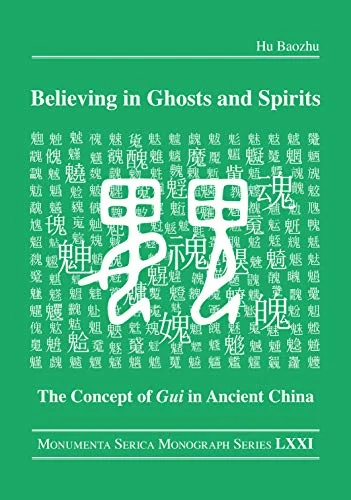
✍️ More books by this author Baozhu, Hu
All books by this author →🏛 Books from this publisher Routledge
All books from this publisher →
 89
89
You might also like
See more →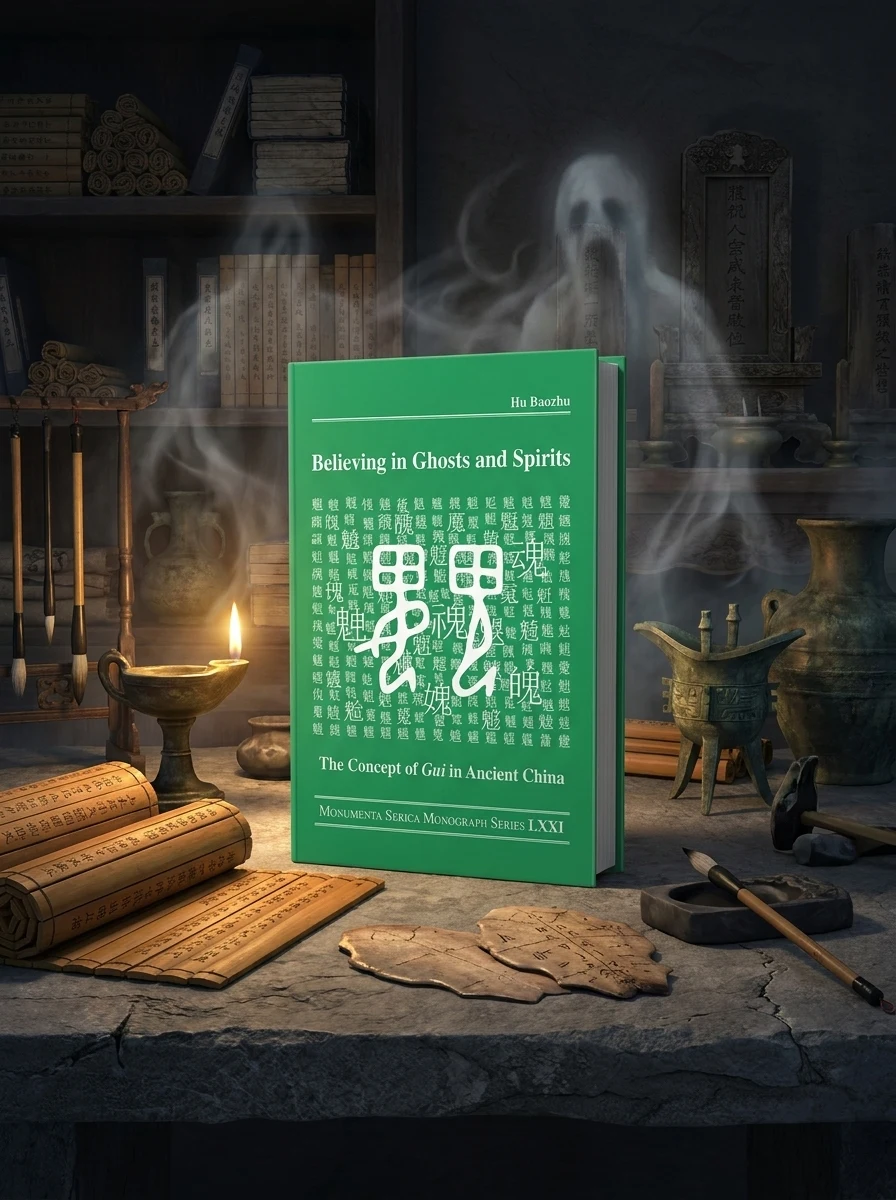
 91
91
 91
91
 90
90
 90
90