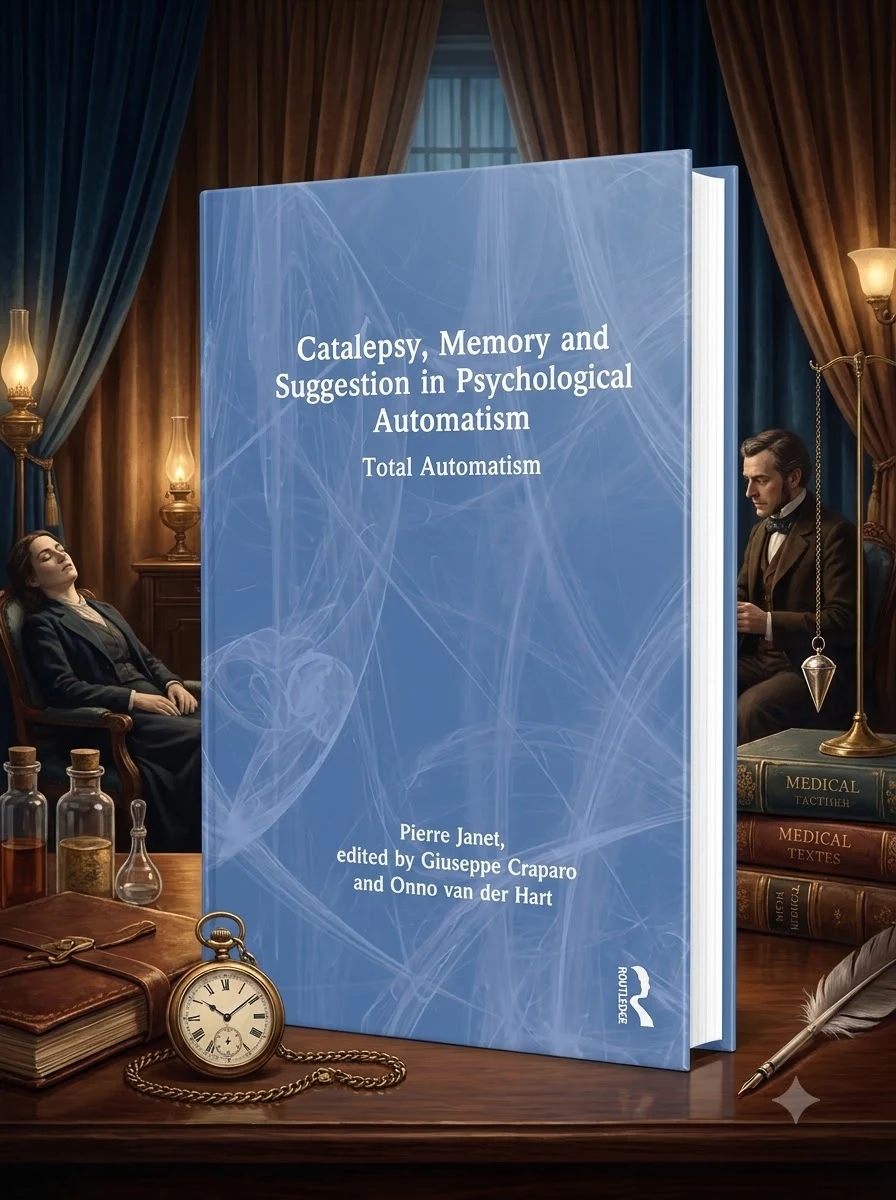
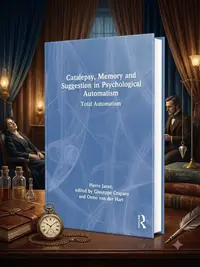
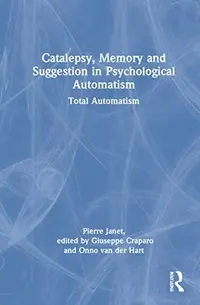
Catalepsy, Memory and Suggestion in Psychological Automatism: Total Automatism
Janet, Pierre; , Craparo, Giuseppe; , Crabtree, Adam; , Van Der Hart, Onno; , Osei-Bonsu, Sarah 79
79
 Editorial score
How we rate
Editorial score
How we rate
Stock reported in the catalog; fulfillment is confirmed with your request.
Unearth the forgotten origins of trauma psychology in this foundational, newly translated text.
Delve into the foundational insights of Pierre Janet's groundbreaking 1889 treatise, now available for the first time in English. This initial volume meticulously explores the subtle mechanisms of psychological automatism, a concept critical to understanding trauma and dissociation. Janet dissects phenomena like catalepsy, the intricate relationship between memory and forgetting in altered states, and the profound influence of suggestion on the psyche. It's an indispensable work for tracing the historical roots of modern psychological thought on trauma-related conditions.
This volume anchors the historical lineage of psychological automatism and trauma theory within the late 19th-century esoteric and scientific discourse on altered states of consciousness. It bridges the gap between occult studies of suggestion and the emerging clinical frameworks of dissociation.


📝 Description: Catalepsy, Memory and Suggestion in Psychological Automatism: Total Automatism
💎 Expert review
📖 Why choose it
Why this book is worth reading
Readers deeply invested in the genealogy of trauma psychology and the occult roots of mental health will find this newly translated text indispensable. It offers a rare, unmediated access to Pierre Janet’s foundational insights into psychological automatism, allowing scholars and enthusiasts to trace the precise mechanisms of catalepsy, memory fragmentation, and suggestion that underpin modern dissociative theory. This work is essential for those seeking to understand the historical intersection of esoteric practices and clinical observation, providing a crucial link in the development of contemporary thought on altered states and trauma.
⭐ Reader reviews
Reader rating
This translation serves as a vital primary source for historians of psychology and occultism, meticulously detailing Janet’s early exploration of automatism. However, it does not suit casual readers seeking narrative engagement or practical self-help advice; the text is dense, theoretical, and focused on historical analysis rather than accessibility. Those expecting a modern psychological manual will likely find its 19th-century academic tone and complex terminology impenetrable. It is strictly for those willing to engage with difficult, foundational material to understand the origins of their field.
❓ Frequently asked questions
📖 Who should read this
If you're drawn to the historical origins of trauma studies, a student of psychoanalysis, or a practitioner working with dissociation, this seminal volume offers unparalleled insight. Scholars of philosophy and modernism will also find its exploration of the human mind profoundly illuminating.
🎯 Key themes and symbolism
Catalepsy & Somnambulism Explored
Janet systematically investigates catalepsy, comparing it to somnambulism and other trance-like conditions. He meticulously details these states as manifestations of automatism, providing early experimental observations on how the mind can operate outside conscious control, laying groundwork for understanding non-ordinary states of consciousness.
Memory, Amnesia, and Trauma
The book delves into the complex interplay between memory and forgetting, especially in the context of traumatic experiences. Janet examines how memories can become fragmented or inaccessible, and how amnesia relates to dissociated states, offering crucial early insights into the psychological impact of trauma on cognitive functions.
Suggestion and the Psyche
Janet rigorously analyzes the concept of suggestion, exploring its role in psychological automatism and its connection to amnesia and distraction. He identifies characteristics of individuals susceptible to suggestion, revealing its profound influence on mental processes and its potential implications for therapeutic intervention.
💬 Quotes from the book
“The observation of catalepsy reveals a profound disjunction, where the body's machinery operates with a strange independence from conscious will.”
“Memory, in its fragmented and elusive forms under suggestion, demonstrates the mind's remarkable capacity for both construction and oblivion.”
📜 Historical context
📚 Glossary
- Catalepsy
- Psychological Automatism
- Dissociation
📔 Questions to reflect on
- How might the insights on catalepsy and automatism challenge or expand your current understanding of human consciousness and free will?
- Consider a time when your actions or thoughts seemed to operate independently of your conscious intention. How does Janet's concept of psychological automatism shed light on such experiences?
- In what ways do you see the power of suggestion operating in contemporary society, and how might understanding its mechanisms from Janet's perspective be beneficial?
✍️ More books by this author Janet, Pierre; , Craparo, Giuseppe; , Crabtree, Adam; , Van Der Hart, Onno; , Osei-Bonsu, Sarah
All books by this author →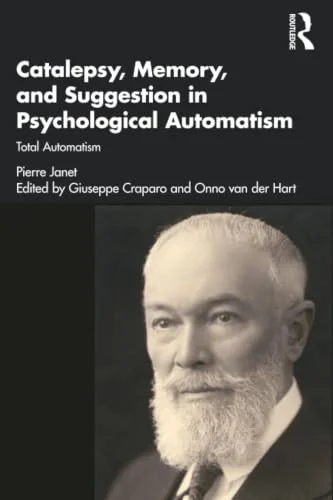
🏛 Books from this publisher Routledge
All books from this publisher →
 89
89

You might also like
See more →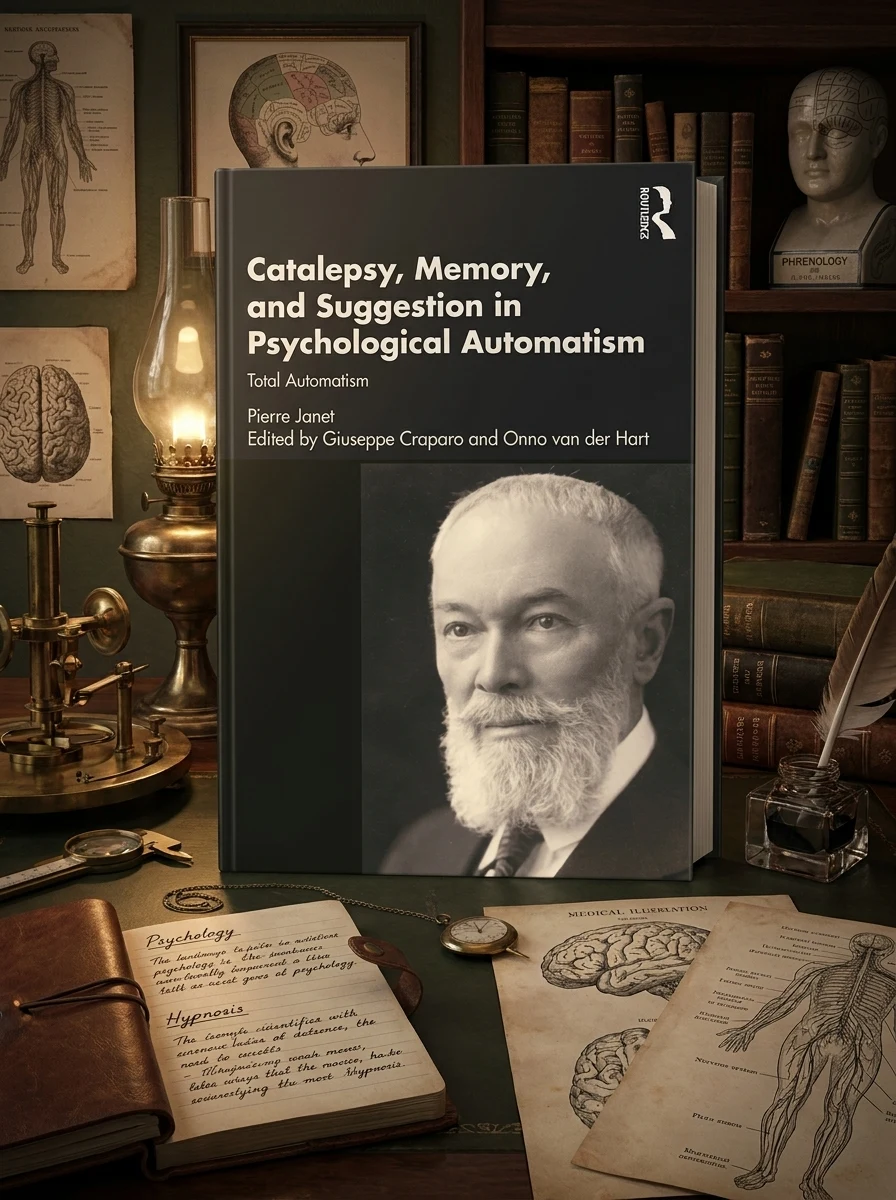
 91
91
 91
91

 90
90
 90
90