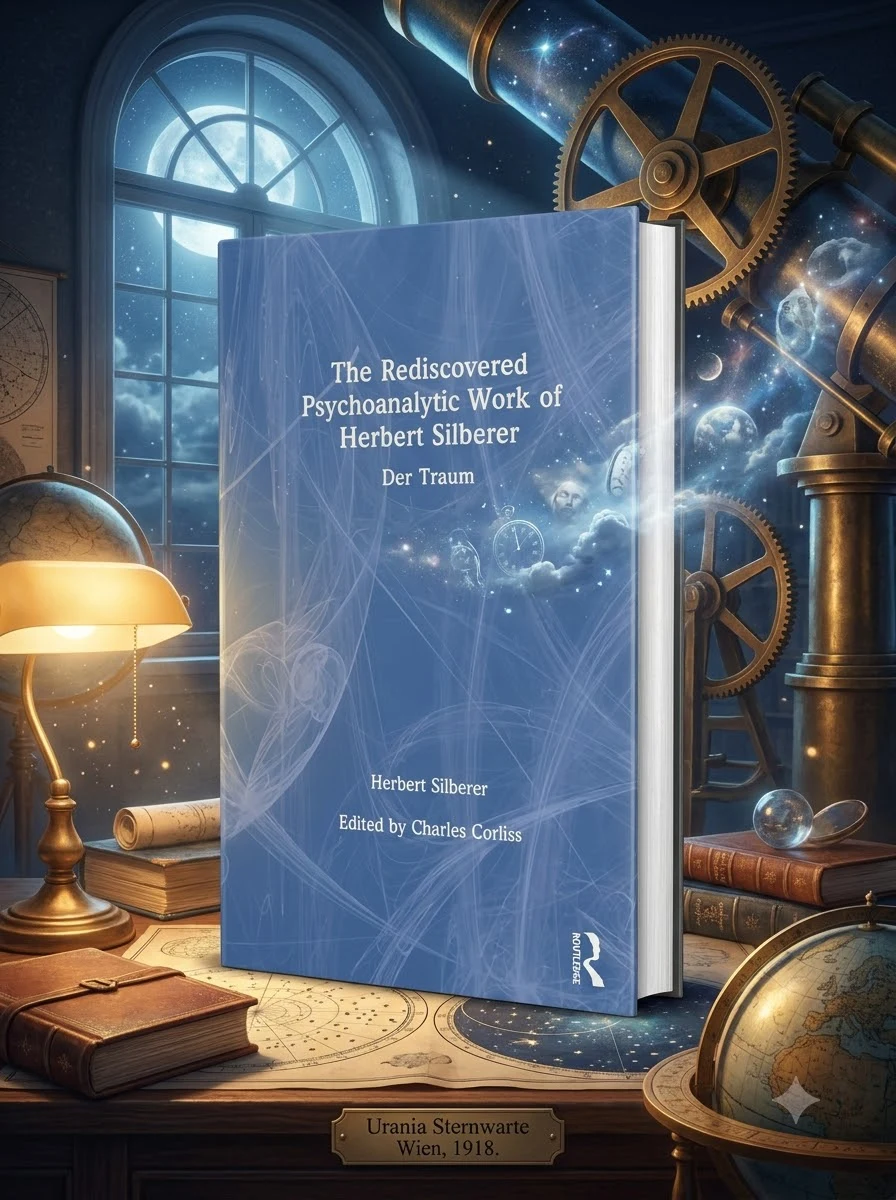

The Rediscovered Psychoanalytic Work of Herbert Silberer: Der Traum
Silberer, Herbert; , Corliss, Charles; , Galsi, Zoltan 85
85
 Editorial score
How we rate
Editorial score
How we rate
Stock reported in the catalog; fulfillment is confirmed with your request.
Unlock the forgotten depths of your dreams with a pioneering psychoanalytic master.
Herbert Silberer's seminal 1918 work, "Der Traum," now receives its complete English translation for the first time. Originally delivered as captivating lectures at Vienna's Urania Observatory, this book offers a comprehensive and approachable introduction to dream psychology. Drawing on Silberer's rich clinical practice, the text explores diverse dream theories, introduces his unique concept of the hypnagogic phenomenon, and delves into experimental dream states. Editor Charles Corliss not only presents Silberer's full insights but also provides crucial historical context, rescuing a vital voice in early psychoanalysis from obscurity.
This text bridges early 20th-century psychoanalytic theory and esoteric dream interpretation, emerging from the vibrant intellectual milieu of Vienna's Urania Observatory lectures.


📝 Description: The Rediscovered Psychoanalytic Work of Herbert Silberer: Der Traum
💎 Expert review
📖 Why choose it
Why this book is worth reading
Readers deeply invested in the historical roots of psychoanalysis will find immense value in this long-overdue English translation. It serves as an accessible entry point for those fascinated by the hypnagogic phenomenon and experimental dream states, offering a comprehensive view of Silberer's clinical insights. By rescuing a vital voice from obscurity, the book provides essential context for understanding early dream psychology. Scholars and enthusiasts alike will appreciate the editor’s efforts to present these pioneering lectures in their full glory, making complex theoretical concepts approachable without sacrificing depth.
⭐ Reader reviews
Reader rating
This volume is a significant archival rescue, yet it may not suit readers seeking quick, practical dream dictionaries or modern neuroscientific explanations. It is best appreciated by those with an interest in the historical evolution of psychoanalytic thought and the specific intellectual climate of Vienna. While Corliss provides necessary context, the text remains firmly rooted in early 20th-century theory, which might feel dated to contemporary practitioners looking for cutting-edge techniques. It is a scholarly treasure rather than a casual guide, rewarding patience with profound historical insight into how dream psychology was originally conceptualized and taught.
❓ Frequently asked questions
📖 Who should read this
If you are a student of psychoanalysis, a Jungian enthusiast, or simply captivated by the mysteries of the unconscious, this book is for you. Delve into the accessible yet profound insights of a pivotal, often overlooked, figure in the early history of dream psychology.
🎯 Key themes and symbolism
Diverse Dream Interpretations
Silberer meticulously examines the various viewpoints on dreams prevalent in his era, offering readers a critical survey of early 20th-century psychological thought. He synthesizes these perspectives before introducing his own, providing a robust intellectual foundation for understanding the evolution of dream theory and the intricacies of the unconscious mind.
The Hypnagogic Phenomenon
A cornerstone of Silberer's unique contributions, this theme explores the vivid, often symbolic imagery and thoughts experienced in the twilight state between wakefulness and sleep. He posits these transitional states, alongside his concept of experimental dreams, offer direct insights into the symbolic processes that underpin our nocturnal visions, a fascinating precursor to later cognitive studies.
Dreams' Moral Dimensions
Beyond mere symbolic interpretation, Silberer elevates dream analysis to a philosophical inquiry, connecting the content of our dreams to the fundamental moral and ethical fabric of our being. This exploration suggests dreams are not just psychological phenomena but profound reflections on character, values, and the deeper implications of our unconscious life.
💬 Quotes from the book
“The nocturnal theater of our minds is not a random spectacle, but a profound script, each scene whispering truths about our waking selves, waiting for an attentive ear.”
“Between slumber and full consciousness lies a fertile, shimmering borderland, where the raw material of our deepest symbols often reveals itself most clearly, bridging the conscious and unconscious worlds.”
📜 Historical context
📚 Glossary
- Hypnagogic Phenomenon
- Psychoanalysis
- Urania Star Observatory
📔 Questions to reflect on
- Reflect on a recent dream. Can you identify any 'hypnagogic phenomena' that might have preceded it, and how did they relate to the dream's content?
- Silberer connects dreams to our moral fiber. Consider a recurring dream you've had; what moral or ethical questions might it be subtly exploring within you?
- How might an 'experimental dream' approach, as Silberer discusses, help you gain new insights into a current challenge or decision in your waking life?
✍️ More books by this author Silberer, Herbert; , Corliss, Charles; , Galsi, Zoltan
All books by this author →
🏛 Books from this publisher Routledge
All books from this publisher →



 89
89

You might also like
See more →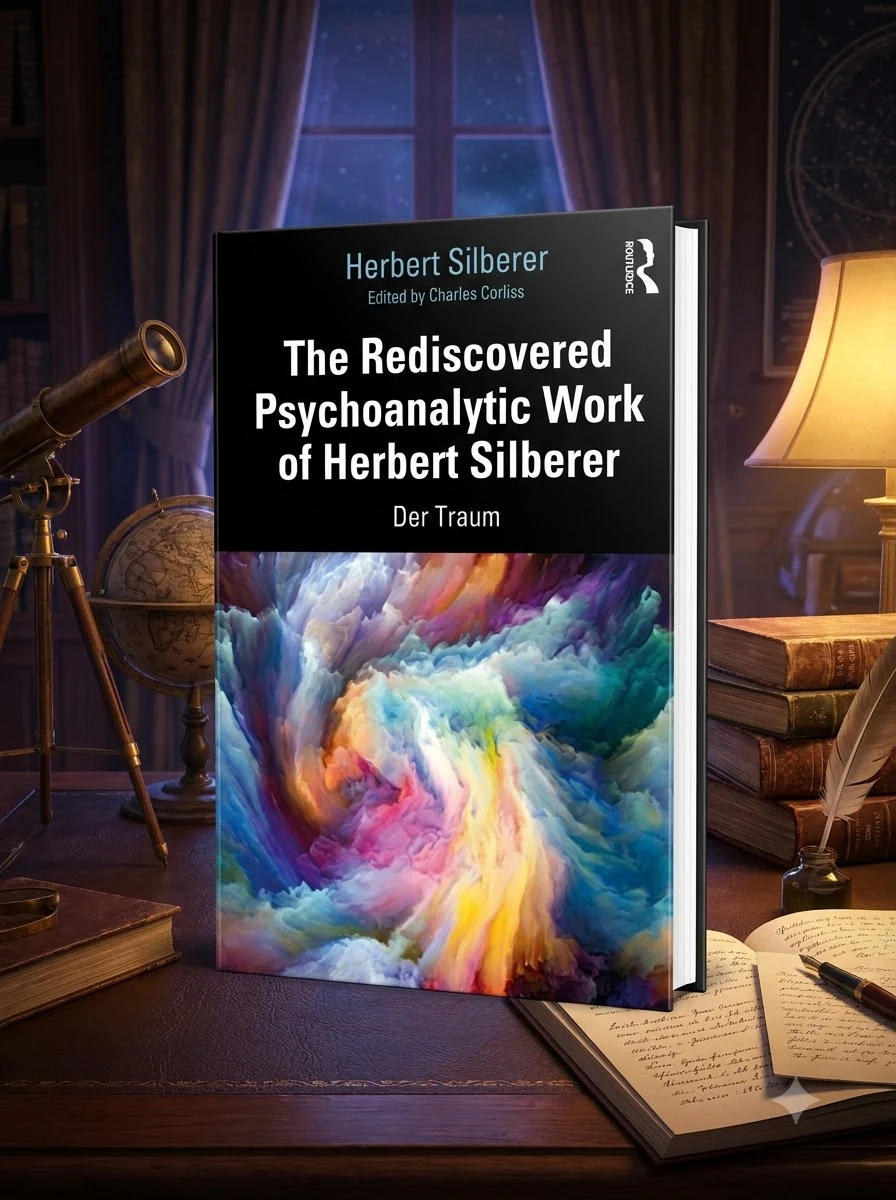
 91
91
 91
91


 90
90
 90
90