

The Rediscovered Psychoanalytic Work of Herbert Silberer: Der Traum
Silberer, Herbert; , Corliss, Charles; , Galsi, ZoltanStock reported in the catalog; fulfillment is confirmed with your request.
Unearth the forgotten wisdom of Herbert Silberer's groundbreaking insights into the dreaming mind.
This essential volume finally presents Herbert Silberer's complete psychoanalytic work on dreams, "Der Traum," in its first comprehensive English translation. Originally delivered as a series of lectures in 1918 Vienna, Silberer's accessible yet profound exploration of dream psychology, enriched with practical examples, has been meticulously recovered and contextualized by Charles Corliss. Discover Silberer's unique perspectives on dream interpretation, the hypnagogic state, and the ethical dimensions woven into our nocturnal narratives, offering a vital link to early psychoanalytic thought and its enduring relevance.
This text serves as a vital bridge between early 20th-century psychoanalysis and esoteric dream study, recovering forgotten Viennese insights into the hypnagogic state. It situates itself within the broader tradition of occult philosophy by treating nocturnal narratives as ethically significant psychological phenomena.


📝 Description: The Rediscovered Psychoanalytic Work of Herbert Silberer: Der Traum
💎 Expert review
📖 Why choose it
Why this book is worth reading
Readers deeply interested in the intersection of clinical psychology and spiritual insight will find immense value here. By presenting Silberer’s complete work on dreams, this volume offers a rare opportunity to engage with accessible yet profound interpretations of the dreaming mind. Those who appreciate practical examples alongside theoretical depth will discover how ethical dimensions weave into our nocturnal lives. It is ideal for scholars and enthusiasts seeking to understand the hypnagogic state without losing sight of its philosophical weight. This book provides essential context for early psychoanalytic thought, making it a necessary addition for anyone exploring the enduring relevance of dream psychology in modern spiritual practice.
⭐ Reader reviews
Reader rating
This translation rescues Silberer’s lectures from obscurity, offering a rigorous look at dream psychology that remains surprisingly relevant today. While the material is grounded in serious psychoanalytic theory, it avoids dry academic jargon through practical examples. However, readers seeking quick, actionable self-help tips or purely supernatural explanations for dreams will likely find this too theoretical and historically dense. It demands patience and an interest in the ethical underpinnings of the psyche. This is not a light read; it requires engagement with complex ideas about the mind’s nocturnal landscape, making it unsuitable for those preferring superficial spiritual guides.
❓ Frequently asked questions
📖 Who should read this
If you are drawn to the origins of psychoanalytic thought, fascinated by the hidden language of dreams, or seeking to understand the psychological underpinnings of our moral lives, this rediscovered classic offers invaluable wisdom and a unique historical perspective.
🎯 Key themes and symbolism
Dream Interpretation Foundations
Silberer provides a comprehensive, approachable introduction to the meaning and psychological significance of dreams. Drawing on numerous clinical examples, he meticulously unpacks various viewpoints on dream analysis, guiding the reader through the intricate landscape of the subconscious and demonstrating how dreams offer profound insights into the human psyche.
The Hypnagogic Phenomenon
A cornerstone of Silberer's unique contribution is his detailed examination of the hypnagogic state – the often-overlooked threshold between waking and sleeping. This book delves into his experimental work and theories surrounding these fleeting, vivid imagery and sensations, revealing their deep connection to dream formation and their potential for self-understanding.
Dreams and Morality
Beyond mere interpretation, Silberer ventures into the philosophical depths of how dream content reflects and influences our fundamental moral character. He explores the profound relationship between our inner dreamscapes and our ethical framework, suggesting that our nocturnal experiences hold keys to understanding and shaping our core values.
💬 Quotes from the book
“The fleeting images of our slumber are not random phantoms, but rather a profound language awaiting our decipherment, revealing the underlying currents of the psyche.”
“Within the nocturnal theater of our minds, the dream often presents a stark mirror to our waking morality, challenging us to integrate its truths into the very fabric of our character.”
📜 Historical context
📚 Glossary
- Psychoanalysis
- Hypnagogic Phenomenon
- Urania Star Observatory
📔 Questions to reflect on
- Reflect on a recent vivid dream. What personal symbols or narratives might it be communicating to your conscious mind, according to Silberer's accessible approach to dream meaning?
- Consider a time you experienced a hypnagogic state. How might Silberer's theories about these transitional moments inform your understanding of that experience and its connection to your deeper thoughts?
- Silberer suggests dreams relate to our 'moral fiber.' In what ways do you perceive your own dreams reflecting or challenging your personal ethics, values, or sense of self?
✍️ More books by this author Silberer, Herbert; , Corliss, Charles; , Galsi, Zoltan
All books by this author →
🏛 Books from this publisher Routledge
All books from this publisher →



 89
89


You might also like
See more →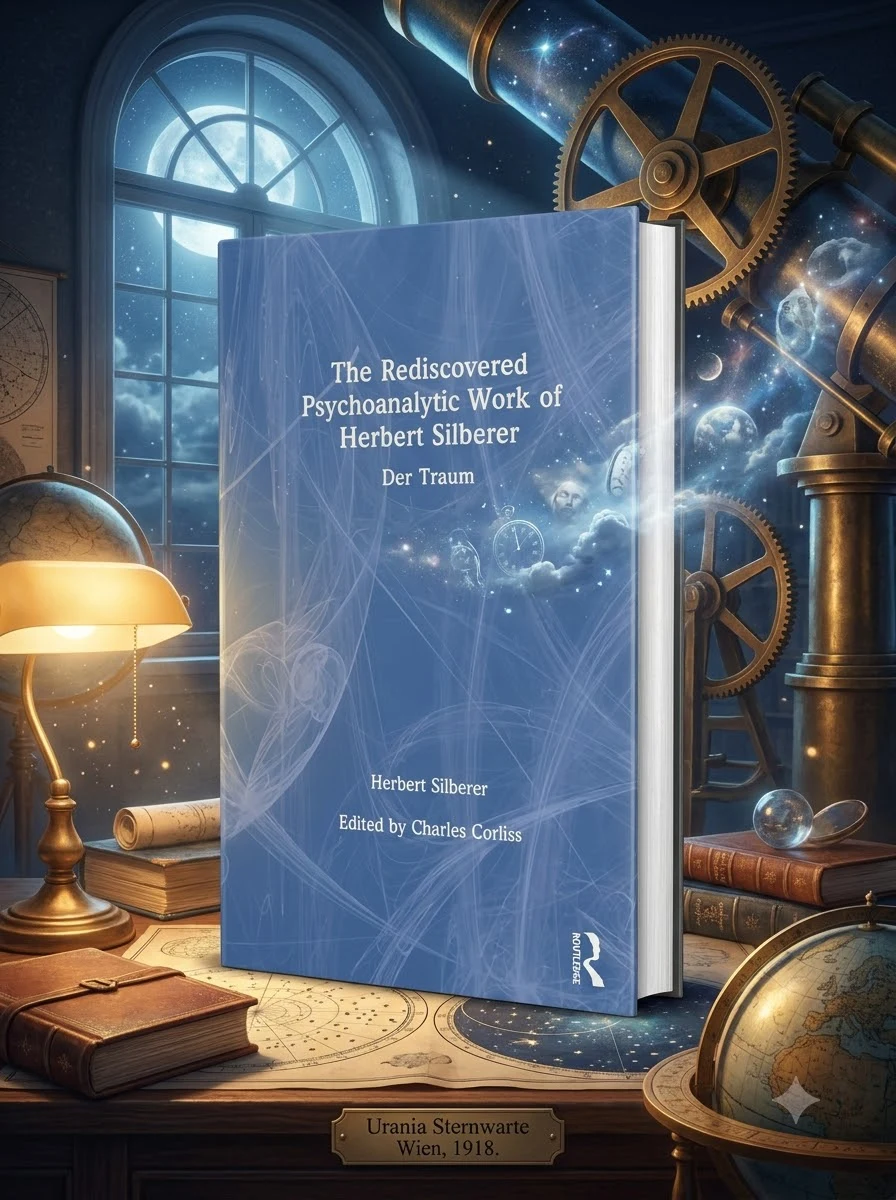

 91
91
 91
91