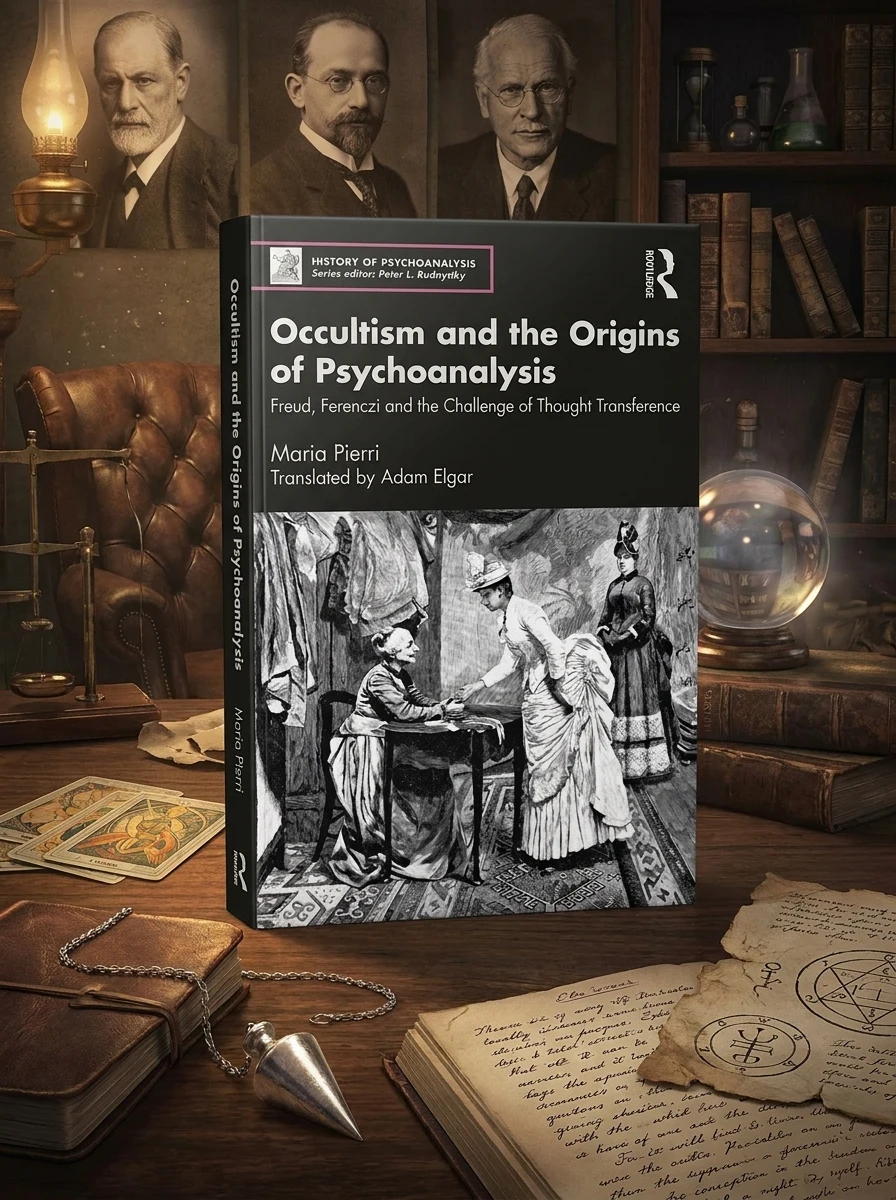

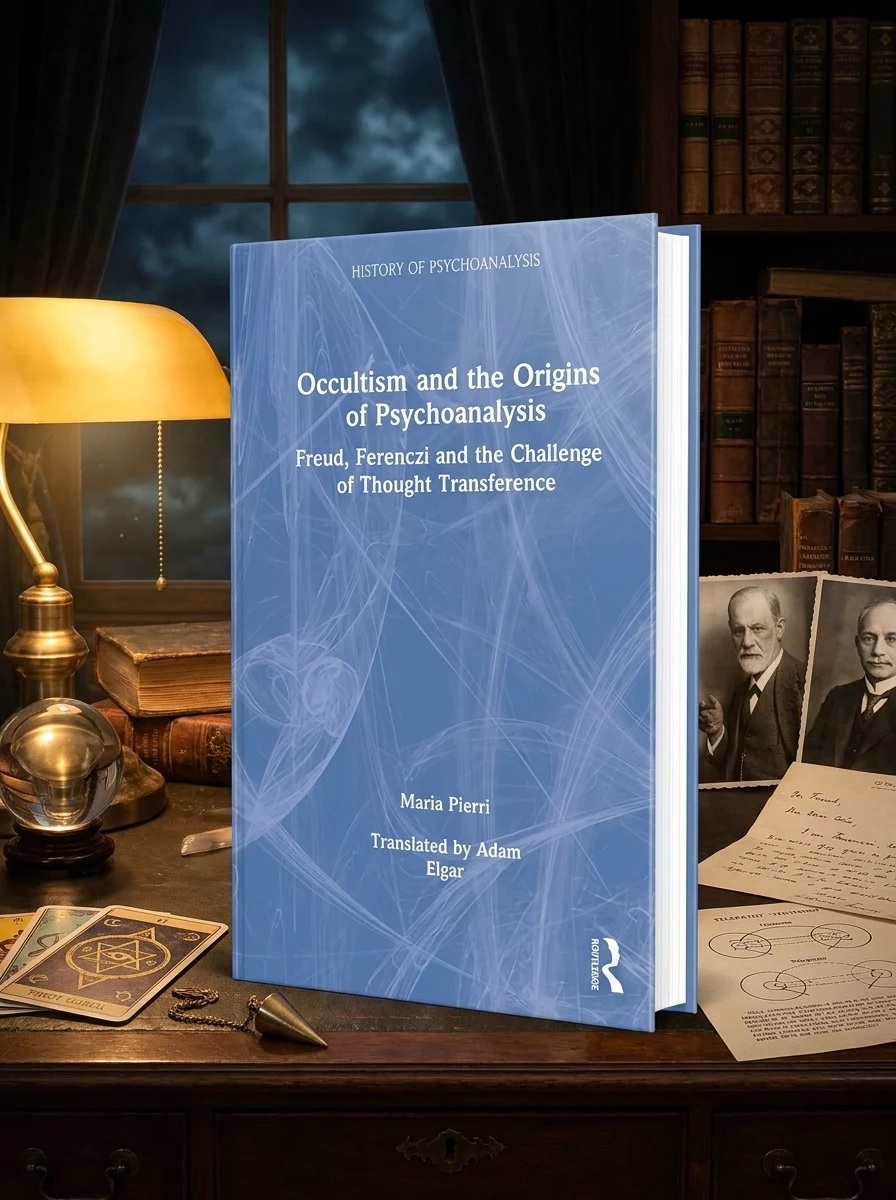
Occultism and the Origins of Psychoanalysis: Freud, Ferenczi and the Challenge of Thought Transference Pierri, Maria
Pierri, Maria; , Elgar, AdamStock reported in the catalog; fulfillment is confirmed with your request.
Unearth the hidden esoteric roots that shaped the very foundations of psychoanalysis.
Maria Pierri's compelling work meticulously uncovers how core psychoanalytic ideas, from the analytic relationship to unconscious communication, were surprisingly influenced by early investigations into hypnosis and the occult. She traces Sigmund Freud's personal fascination with "thought-transmission" (telepathy) and his profound discussions with contemporaries like Sándor Ferenczi. This book reveals how their inquiries into phenomena such as fortune-telling informed concepts like countertransference and the intricate mother-infant bond, challenging traditional narratives and revealing the deep, often overlooked, esoteric matrix of modern psychoanalytic practice, supported by previously untranslated primary sources.
This work bridges the historical convergence of late nineteenth-century occultism and the emerging field of psychoanalysis. It explores the esoteric underpinnings that influenced key figures like Freud and Ferenczi as they developed modern psychological theories.


📝 Description: Occultism and the Origins of Psychoanalysis: Freud, Ferenczi and the Challenge of Thought Transference Pierri, Maria
💎 Expert review
📖 Why choose it
Why this book is worth reading
Readers fascinated by the hidden intersections of psychology and mysticism will find this book revelatory. It offers a unique perspective for those who suspect that psychoanalysis did not emerge in a vacuum but was deeply rooted in contemporary esoteric practices. If you are intrigued by how concepts like countertransference and thought-transference have occult origins, this text provides the necessary context. It is ideal for scholars and enthusiasts eager to look beyond standard biographies of Freud to understand the mystical matrix that shaped his work. By exposing previously untranslated sources, it enriches your understanding of the analytic relationship and its surprising historical debts to fortune-telling and hypnosis.
⭐ Reader reviews
Reader rating
Pierri delivers a meticulous excavation of psychoanalysis’s esoteric heritage, offering fresh insights into Freud’s fascination with telepathy and Ferenczi’s contributions. The use of untranslated primary sources adds significant scholarly weight, making it valuable for specialists in both occult studies and medical history. However, this academic rigor may alienate casual readers seeking accessible self-help or straightforward biographical narratives. It is not suited for those expecting a debunking of psychoanalysis or those uninterested in the historical nuances of hypnosis and occultism. The dense focus on theoretical origins requires patience and a specific interest in the genealogy of psychological thought rather than practical application.
❓ Frequently asked questions
📖 Who should read this
If you are a practicing psychoanalyst, a student of its history, or simply curious about the unexpected origins of modern thought, this book will profoundly reshape your understanding of the mind's mysteries and the forces that shaped their interpretation.
🎯 Key themes and symbolism
Occult Roots of Analysis
This volume meticulously traces how psychoanalysis, often seen as a purely scientific discipline, is deeply indebted to its earlier engagements with seemingly irrational practices like mesmerism and telepathy. It challenges the conventional narrative by revealing the crucial role these 'occult' interests played in shaping its initial theoretical framework.
Freud's Esoteric Investigations
Delve into Sigmund Freud's private fascination with "thought-transmission" and the esoteric, a dimension of his work often suppressed. The book illuminates how these personal investigations, shared in dialogue with colleagues like Ferenczi, directly informed his groundbreaking theories on the unconscious mind and intersubjective communication within the therapeutic space.
The Primal Unconscious Link
Explore how the study of psychic phenomena, including the ability of fortune tellers to discern past events, inspired Freud and Ferenczi's inquiries into the profound, often unspoken, bond between mother and infant. This research into an 'occult link' and 'secret primal language' is presented as a foundational matrix for understanding contemporary relational psychoanalysis.
💬 Quotes from the book
“To truly understand the genesis of psychoanalysis, one must acknowledge the whispering shadows of the uncanny that guided its earliest practitioners.”
“The silent, unspoken dialogue between infant and mother, once dismissed as mere intuition, emerges here as the very bedrock of our understanding of transference.”
📜 Historical context
📚 Glossary
- Thought Transference
- Countertransference
- Primal Language
📔 Questions to reflect on
- Consider a scientific or academic field you are familiar with. Can you identify any 'unscientific' or 'esoteric' influences that might have played a role in its early development, but are now often overlooked?
- Reflect on moments of 'unconscious communication' or strong intuition in your own life or relationships. How might these experiences relate to the concepts of thought transference or primal language discussed in the book?
- How does acknowledging the occult influences on psychoanalysis change your perception of its scientific validity or its insights into the human psyche? Does it strengthen or weaken your view?
📖 From the series “History of Psychoanalysis”
All books in the series →

✍️ More books by this author Pierri, Maria; , Elgar, Adam
All books by this author →🏛 Books from this publisher Routledge
All books from this publisher →

 89
89


You might also like
See more →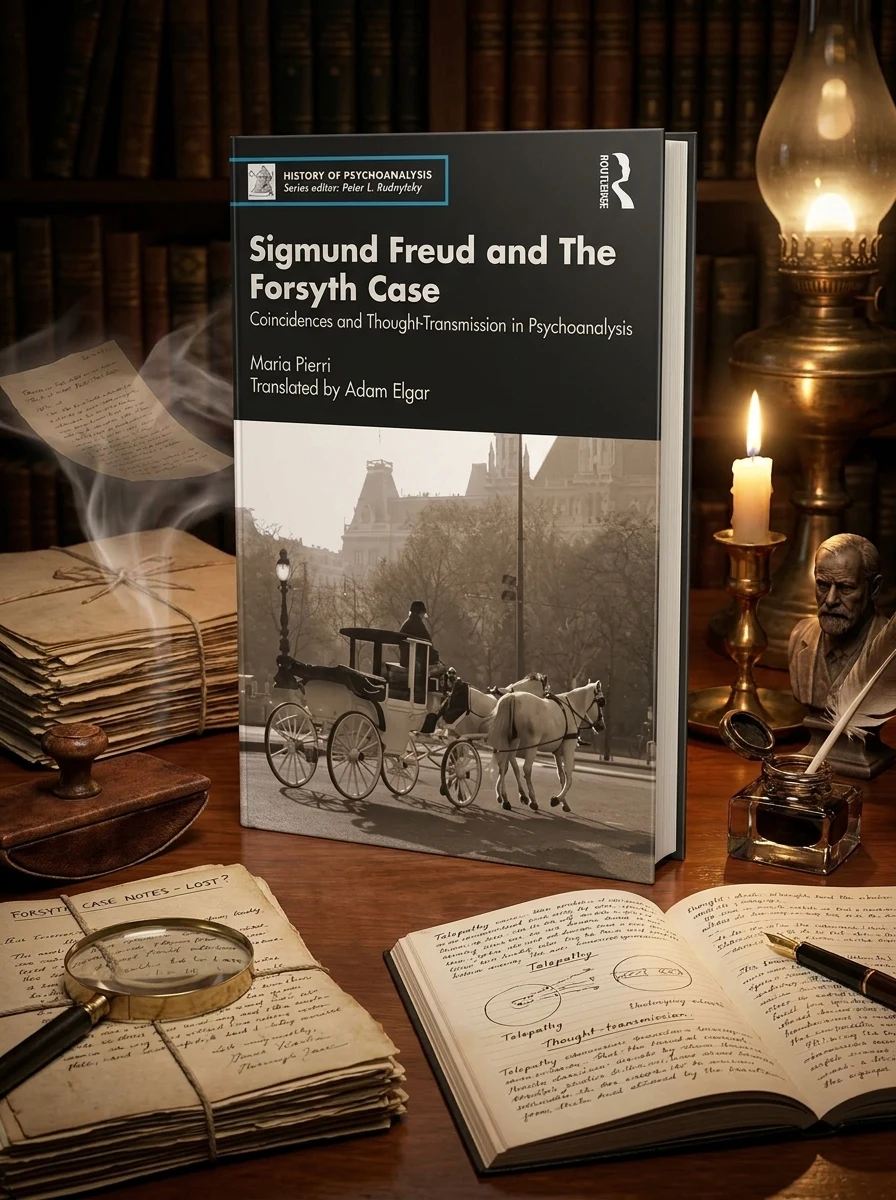
 91
91
 91
91