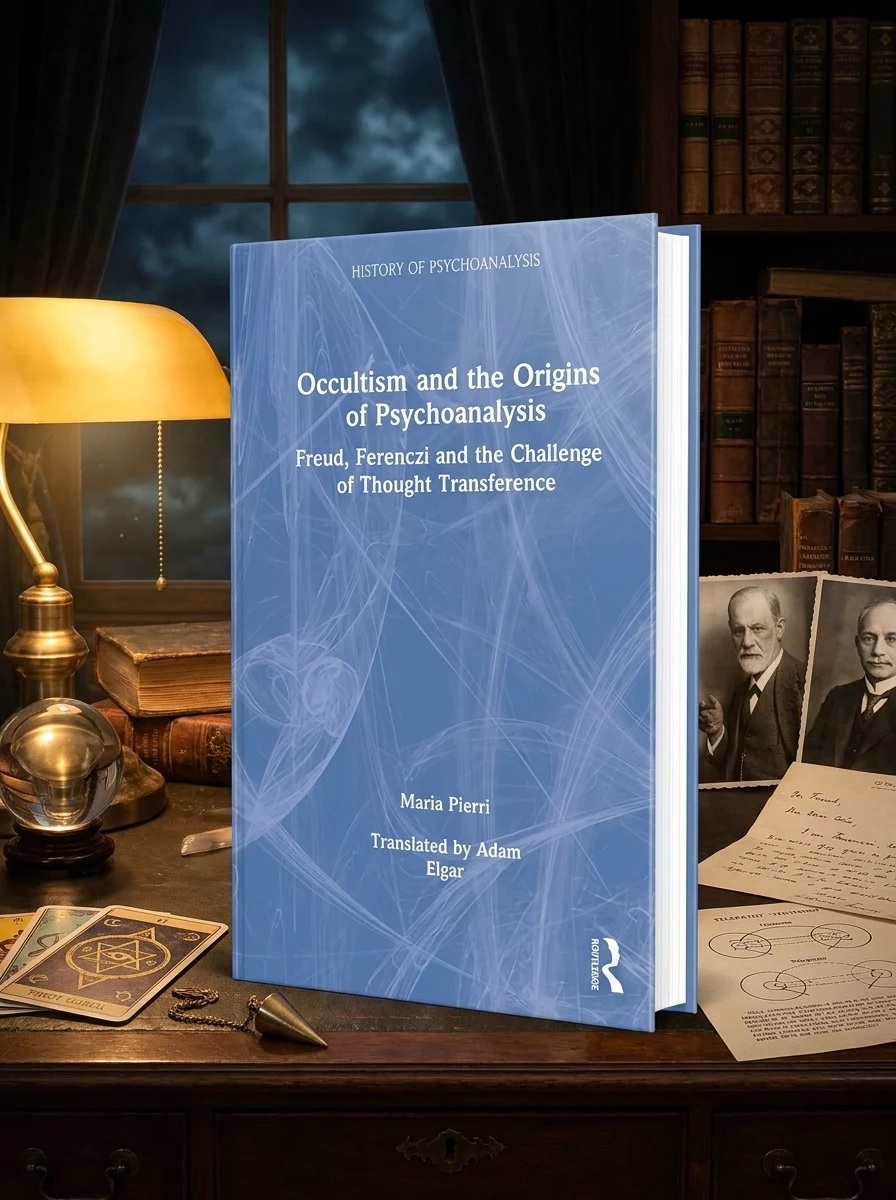

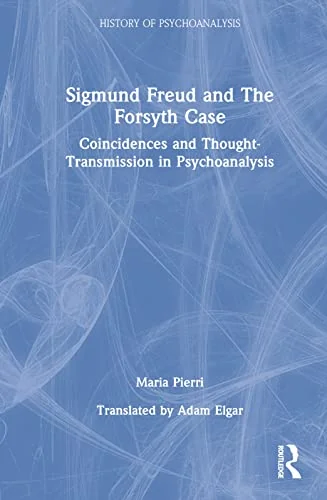
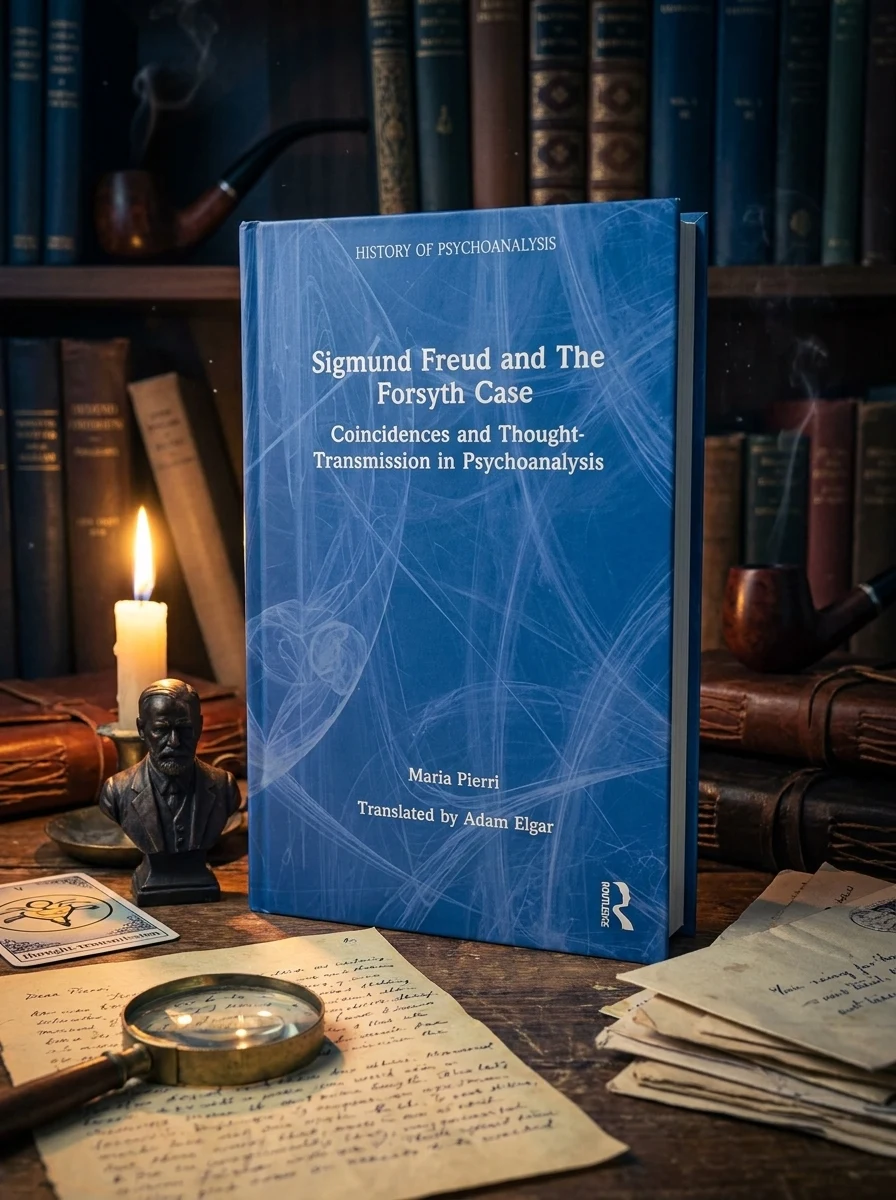
Occultism and the Origins of Psychoanalysis: Freud, Ferenczi and the Challenge of Thought Transference Pierri, Maria
Pierri, Maria; , Elgar, Adam 86
86
 Editorial score
How we rate
Editorial score
How we rate
Stock reported in the catalog; fulfillment is confirmed with your request.
Unearth the hidden esoteric roots of psychoanalysis, where Freud's secrets lie.
Maria Pierri's compelling work, "Occultism and the Origins of Psychoanalysis," meticulously uncovers how foundational psychoanalytic concepts, often attributed solely to scientific inquiry, actually emerged from an engagement with hypnosis and the esoteric. Through previously unexamined primary sources, she reveals Sigmund Freud's private fascination with telepathy and "thought-transmission," tracing its influence on his collaborations with figures like Sándor Ferenczi. This illuminating study demonstrates how these early investigations into psychic phenomena directly shaped theories of countertransference, unconscious communication, and the profound maternal-infant bond, offering a fresh perspective on the discipline's genesis.
This work sits at the intersection of intellectual history and esoteric studies, bridging the gap between late nineteenth-century spiritualism and the birth of modern clinical psychology. It challenges the secular narrative of psychoanalysis by revealing its deep entanglement with occult practices like telepathy and hypnosis.


📝 Description: Occultism and the Origins of Psychoanalysis: Freud, Ferenczi and the Challenge of Thought Transference Pierri, Maria
💎 Expert review
📖 Why choose it
Why this book is worth reading
Readers interested in the hidden genealogy of psychological theory will find this book indispensable. It offers a fresh perspective on how Sigmund Freud and Sándor Ferenczi utilized esoteric concepts to shape foundational ideas like countertransference and unconscious communication. By examining primary sources previously unexamined, Pierri reveals the profound impact of thought-transference theories on the maternal-infant bond. This is essential for scholars seeking to understand the discipline's true genesis beyond standard scientific accounts. It appeals to those who appreciate the mystery behind clinical frameworks and wish to see how psychic phenomena influenced the development of psychoanalysis, providing a compelling narrative that connects spiritual inquiry with modern therapeutic practice.
⭐ Reader reviews
Reader rating
Pierri delivers a meticulous excavation of psychoanalysis’s occult roots, making a strong case for the influence of telepathy and hypnosis on Freud’s work. The study is rigorous, relying on primary sources to expose private fascinations often ignored in mainstream histories. However, readers seeking accessible pop-psychology or straightforward biographical anecdotes will likely find this dense and academic. It is not suited for those who prefer to keep the history of science strictly separate from esotericism. While intellectually stimulating, the focus on specific theoretical origins may feel too narrow for generalists. It is a specialized contribution that demands patience but rewards with significant insight into the discipline's complex, hidden heritage.
❓ Frequently asked questions
📖 Who should read this
If you're a psychoanalyst, a student of its history, or simply fascinated by the hidden currents connecting science and esotericism, this book offers a paradigm-shifting read. It challenges established views and invites a deeper appreciation for the complex origins of psychological thought.
🎯 Key themes and symbolism
Freud's Esoteric Pursuits
This book unveils Freud’s discreet, yet profound, interest in phenomena like thought-transmission, now commonly known as telepathy. It challenges the conventional narrative by showing how these personal inquiries, often kept from public view, were not mere curiosities but crucial influences that subtly guided his development of groundbreaking psychoanalytic theories.
Unconscious Psychic Connections
Explore the concept of a 'dialogue of the unconsciouses' between Freud and Ferenczi. The text delves into how their shared investigations into the mechanics of fortune-telling – particularly the ability to discern a client’s past – directly informed their understanding of the therapeutic relationship, including the complex dynamics of countertransference.
Maternal-Infant Occult Link
Pierri illuminates how Freud and Ferenczi explored the notion of a primal, 'occult' connection between mother and infant, seeking to understand this unspoken, foundational language. Their research into thought transference is presented as a foundational matrix, foreshadowing many contemporary psychoanalytic perspectives on early relational dynamics.
💬 Quotes from the book
“The threads connecting Freud's early inquiries into telepathy with the very fabric of psychoanalytic theory are far more robust and numerous than previously acknowledged.”
“Within the enigmatic 'dialogue of the unconsciouses' between Freud and Ferenczi, we find the nascent forms of modern understanding regarding relational dynamics and therapeutic mirroring.”
📜 Historical context
📚 Glossary
- Thought Transference
- Countertransference
- Primal Language
📔 Questions to reflect on
- How does recognizing the esoteric roots of psychoanalysis change your perception of its scientific validity or its place in intellectual history?
- Consider the 'occult link' between mother and infant. How might this concept inform contemporary understandings of early childhood development or attachment theory?
- If 'thought transference' was a matrix for current psychoanalysis, what other seemingly 'fringe' phenomena might hold keys to future psychological insights?
📖 From the series “History of Psychoanalysis”
All books in the series →
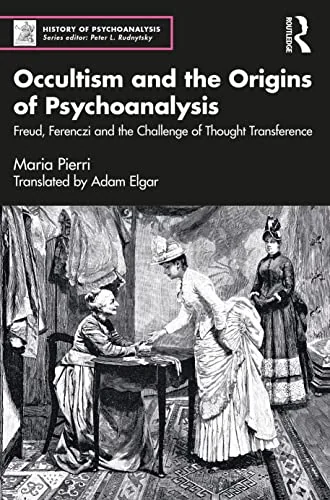
✍️ More books by this author Pierri, Maria; , Elgar, Adam
All books by this author →🏛 Books from this publisher Routledge
All books from this publisher →

 89
89


You might also like
See more →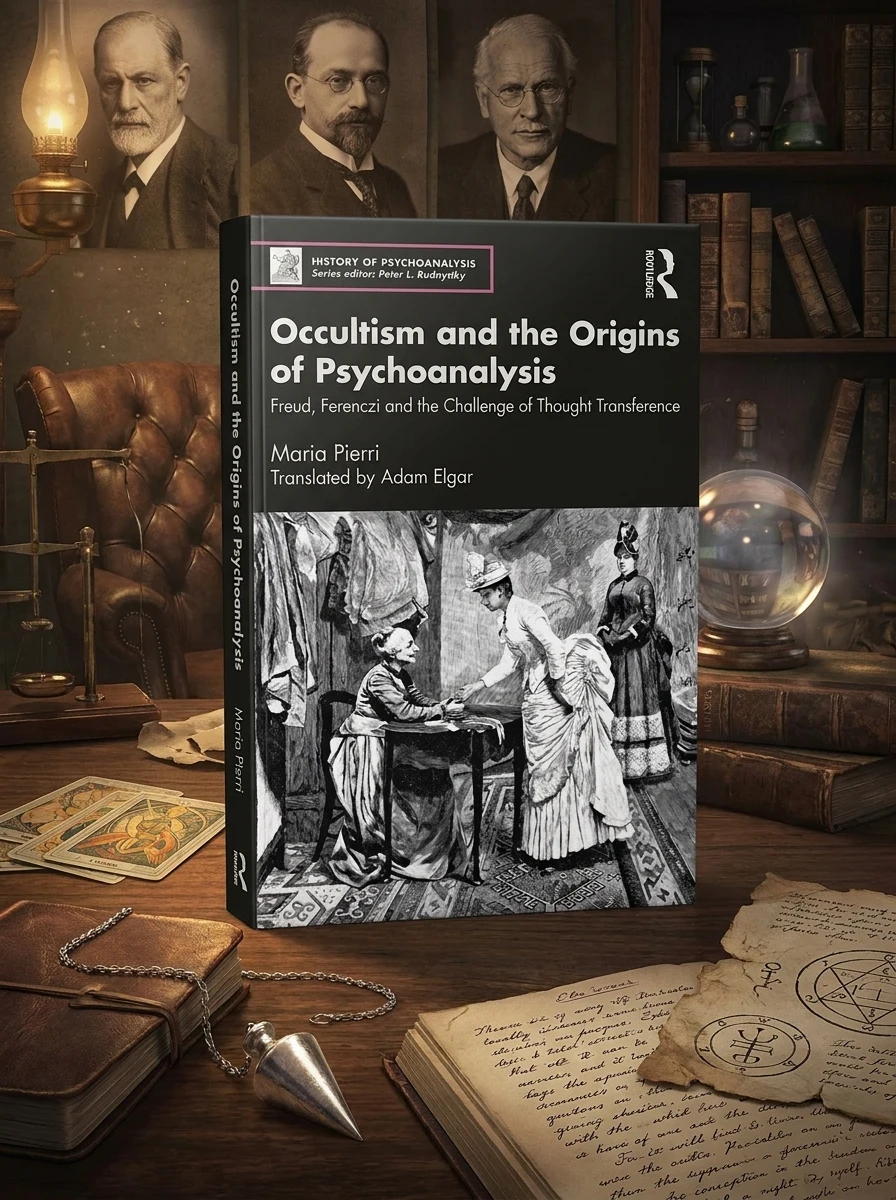
 91
91
 91
91
 90
90