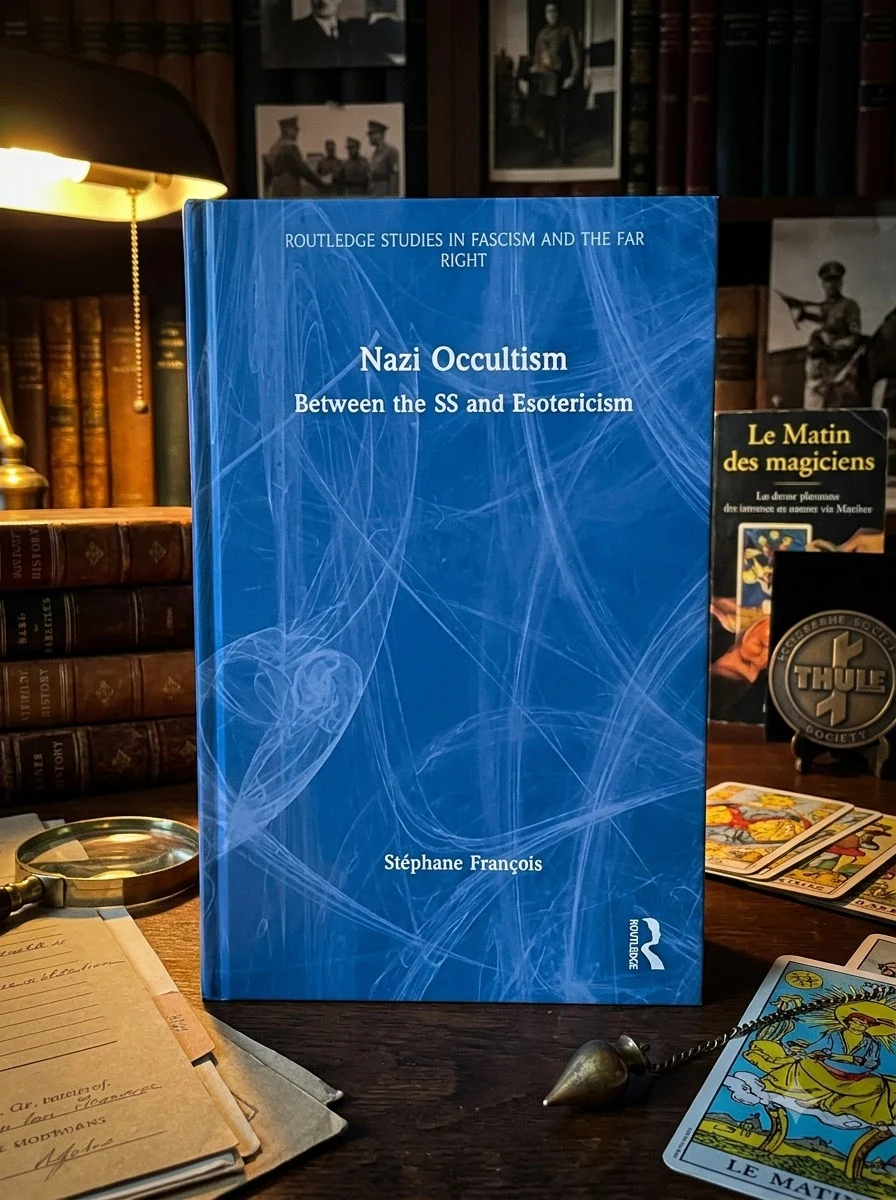
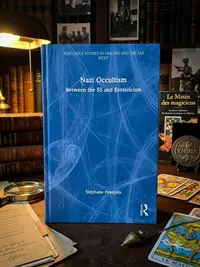
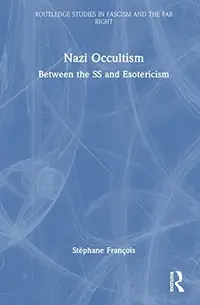
Nazi Occultism: Between the SS and Esotericism François, Stéphane
François, Stéphane; , Uskalis, Eriks 80
80
 Editorial score
How we rate
Editorial score
How we rate
Stock reported in the catalog; fulfillment is confirmed with your request.
Unmasking the seductive, dangerous myth of Nazi occult power.
Stéphane François meticulously deconstructs the pervasive, yet largely fictional, narrative surrounding Nazi Germany's supposed deep ties to occult forces. This scholarly work moves beyond sensationalism, not by exploring actual Nazi magical practices, but by meticulously tracing the *origins* and *propagation* of the myth itself. Beginning with seminal works like *The Morning of the Magicians*, François reveals how the concept of a powerful, occult-driven Nazi regime, often centered on the Thule Society, gained traction and fostered a radical, esoteric counterculture. He profiles key figures who contributed to this ideological construction, offering a critical analysis of its enduring appeal.
This work sits firmly within the scholarly deconstruction of esoteric history, challenging the popularized myths that often distort the intersection of fascism and occultism. It serves as a corrective to sensationalist narratives by focusing on the genealogy of ideas rather than fictionalized events.


📝 Description: Nazi Occultism: Between the SS and Esotericism François, Stéphane
💎 Expert review
📖 Why choose it
Why this book is worth reading
Readers fascinated by the true history of Nazi Germany and its ideological underpinnings will find this book essential for understanding how dangerous myths are constructed. It is ideal for those tired of sensationalist accounts that prioritize drama over truth, offering instead a rigorous academic path through the origins of the Thule Society narrative. By tracing how figures like those in The Morning of the Magicians helped build these stories, the text empowers readers to distinguish between historical reality and seductive fiction. It provides intellectual clarity for scholars and serious enthusiasts who wish to grasp why this specific myth persists in modern counterculture without being misled by its allure.
⭐ Reader reviews
Reader rating
François and Uskalis deliver a precise, scholarly dismantling of the Nazi occult mythos, focusing on its propagation rather than its fictionalized practices. This approach is highly valuable for historians and academics seeking rigorous analysis over entertainment. However, readers expecting a thrilling exposé of actual magical rituals or hidden SS secrets will be disappointed. The book is dense with ideological construction and historical tracing, lacking the narrative flair of popular occult fiction. It is strictly for those willing to engage with academic critical analysis rather than sensationalist storytelling.
❓ Frequently asked questions
📖 Who should read this
If you seek to understand the complex interplay of history, myth-making, and political esotericism, this rigorous study is essential. Ideal for students, researchers, and general readers interested in the history of Nazism, the origins of modern myths, and anyone wary of historical sensationalism.
🎯 Key themes and symbolism
Demystifying Nazi Occultism
François tackles the widespread sensationalism surrounding Nazi occultism head-on, offering a rigorous, academic study that separates historical fact from pervasive fiction. He challenges popular narratives that attribute the Third Reich's power to secret mystical societies, revealing these claims to be modern fabrications rather than historical realities, thus providing much-needed clarity on a frequently misunderstood subject.
Genesis of the Myth
This book meticulously traces the creation and evolution of the Nazi occult myth, highlighting the pivotal role played by works such as Pauwels and Bergier's *The Morning of the Magicians*. François demonstrates how this publication, despite its speculative nature, catalyzed the widespread belief in a powerful, occult-infused Thule Society as the secret engine of Nazism, influencing subsequent generations of writers and thinkers.
Esoteric Counterculture's Appeal
François explores how the fabricated link between Nazism and esotericism gave rise to a distinct, radical counterculture. He examines the ideological tinkering and practices that cultivated this fascination, profiling influential authors like Julius Evola, Miguel Serrano, and Jean-Paul Bourre, who further embedded these ideas within an extremist subculture that continues to resonate with certain audiences today.
💬 Quotes from the book
“The enduring power of the Nazi occult myth lies not in historical fact, but in its potent blend of forbidden knowledge and ultimate evil, a narrative often more compelling than truth.”
“To conflate a small, largely ineffectual group like the Thule Society with the vast, brutal machinery of the Third Reich is to indulge in historical fantasy, not serious inquiry.”
📜 Historical context
📚 Glossary
- Thule Society
- Esotericism
- Counterculture
📔 Questions to reflect on
- How do modern media and popular culture contribute to the perpetuation of historical myths, especially those involving forbidden or sensational topics?
- Consider the psychological appeal of conspiracy theories that link powerful, malevolent forces with hidden, esoteric knowledge. What human needs do such narratives fulfill?
- In what ways can a critical understanding of historical myth-making empower us to better discern truth from sensationalism in contemporary discourse?
📖 From the series “Routledge Studies in Fascism and the Far Right”
All books in the series →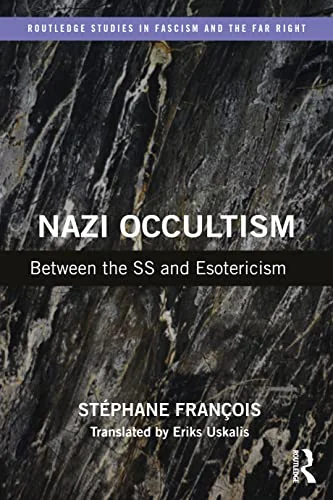
✍️ More books by this author François, Stéphane; , Uskalis, Eriks
All books by this author →🏛 Books from this publisher Routledge
All books from this publisher →


 89
89
You might also like
See more →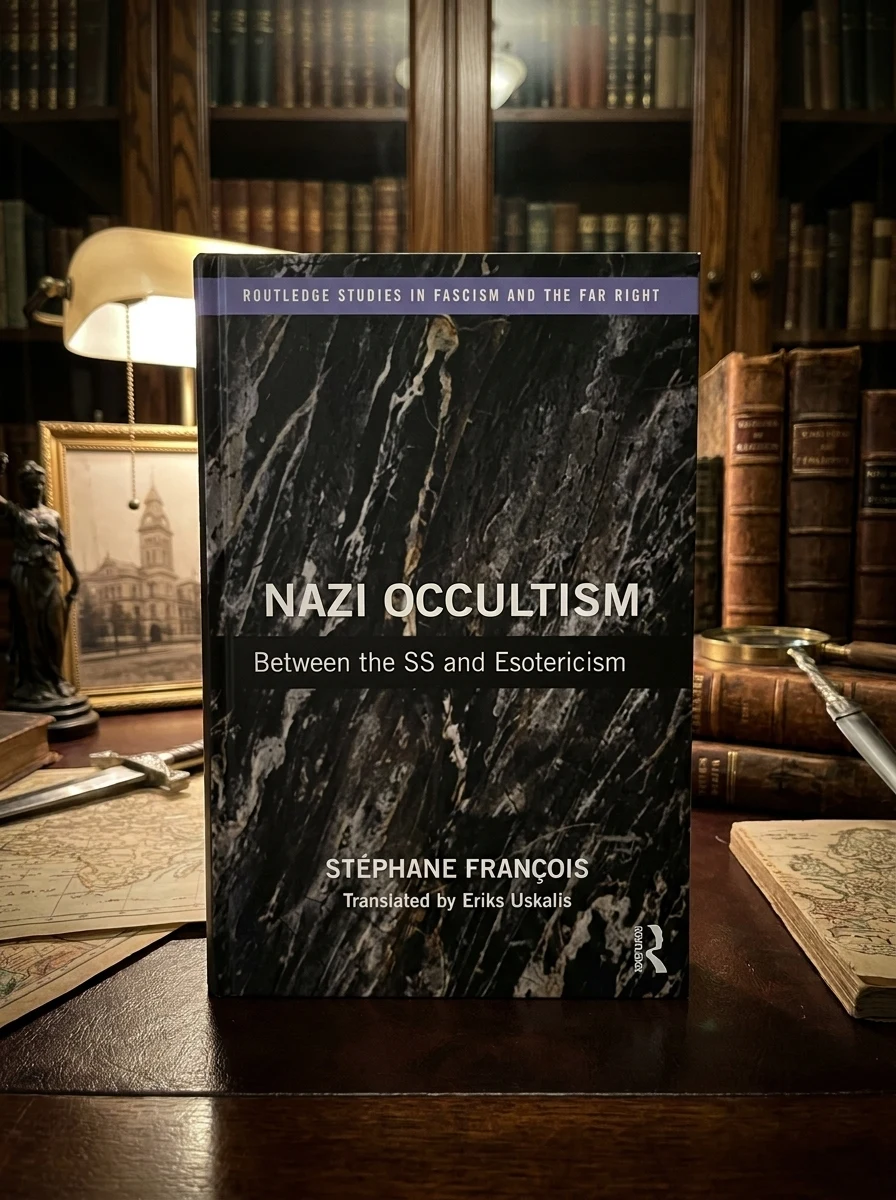
 91
91
 91
91
 90
90
 90
90