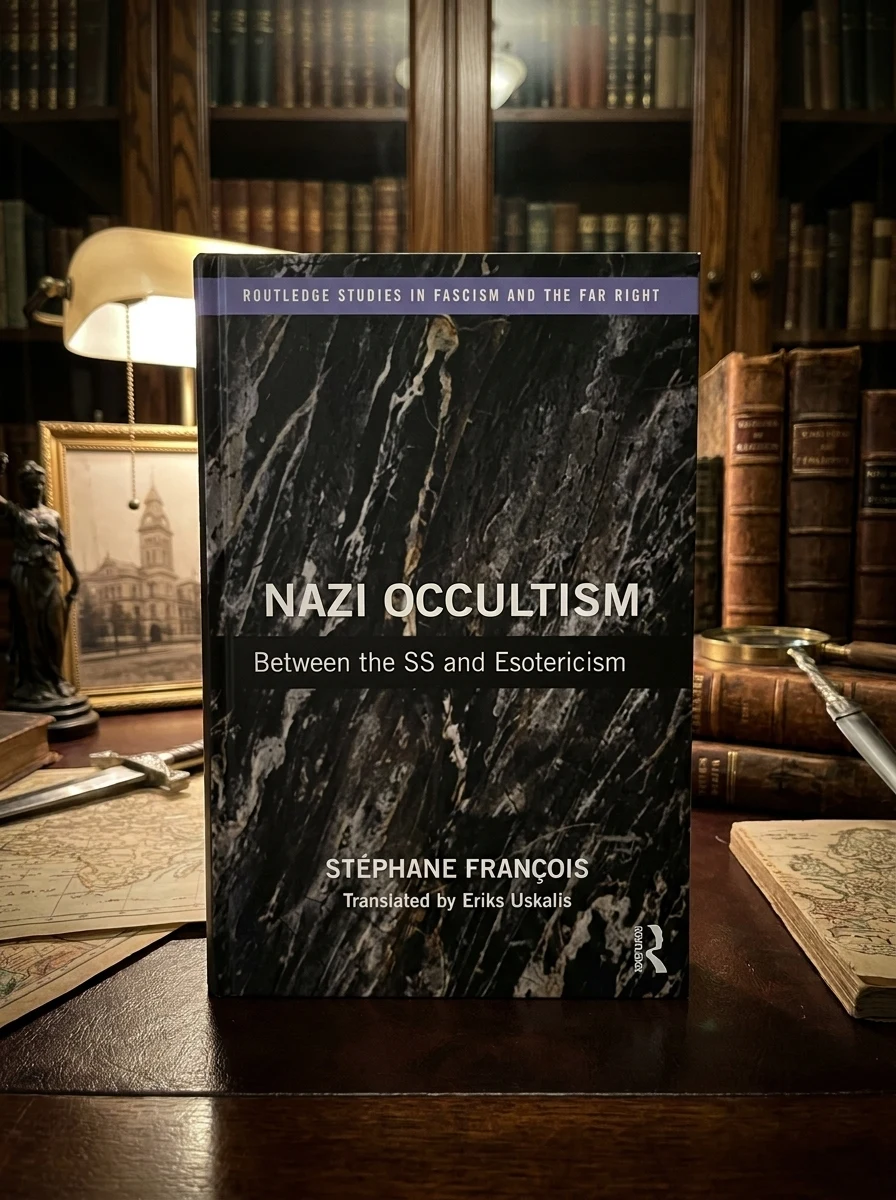
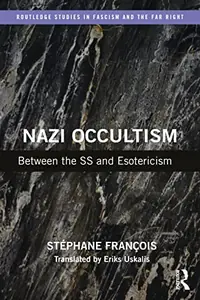
Nazi Occultism: Between the SS and Esotericism François, Stéphane
François, Stéphane; , Uskalis, EriksStock reported in the catalog; fulfillment is confirmed with your request.
Unraveling dark threads of Nazi occult myths, this book reveals unsettling truths behind the sensational.
Stéphane François meticulously dissects the pervasive, yet largely unsubstantiated, claims surrounding Nazi Germany's supposed deep ties to esoteric practices. Moving beyond sensationalist narratives, this scholarly work rigorously examines how myths, particularly those involving the 'Thule Society,' originated and evolved into a compelling counterculture. The author traces the construction of these speculative histories, exploring their ideological underpinnings and the figures who championed them, ultimately demonstrating their enduring, albeit fabricated, influence on extremist thought. It is an essential read for separating fact from enduring fiction.
This scholarly work sits at the intersection of historical analysis and esoteric studies, challenging the pervasive cultural mythology that links Nazi Germany directly to deep occult practices. It serves as a critical intervention in the field of political religion, dissecting how fabricated narratives have influenced modern extremist thought.


📝 Description: Nazi Occultism: Between the SS and Esotericism François, Stéphane
💎 Expert review
📖 Why choose it
Why this book is worth reading
Readers seeking clarity amid the noise of sensationalist literature will find this book indispensable. It is designed for those weary of conspiracy theories who desire a rigorous, academic dismantling of the myths surrounding the Thule Society and Nazi esotericism. Historians, scholars of political extremism, and curious minds interested in the construction of ideological narratives will gain profound insight into how fabricated histories persist. By separating fact from enduring fiction, this text empowers readers to understand the mechanisms behind these powerful, yet unsubstantiated, legends. It is essential for anyone wanting to grasp the true historical reality rather than the mythological allure that has captivated popular imagination.
⭐ Reader reviews
Reader rating
Stéphane François delivers a meticulous dissection of the myths surrounding Nazi occultism, offering a necessary corrective to sensationalist accounts. While academically rigorous and vital for understanding how these narratives evolved into counterculture, this book is not for readers seeking thrilling conspiracy theories or easy answers. It may disappoint those expecting confirmation of dark esoteric ties, as it firmly establishes their lack of substantiation. However, for scholars and serious students of history, it provides an invaluable framework for analyzing the ideological underpinnings of extremist thought. The dense, analytical style ensures it remains a specialized tool rather than casual reading.
❓ Frequently asked questions
📖 Who should read this
If you seek a rigorous, academic approach to understanding the true relationship between Nazism and the occult, this book is for you. It's ideal for serious scholars, researchers, activists, and any discerning reader eager to distinguish historical fact from pervasive, often dangerous, fiction.
🎯 Key themes and symbolism
Debunking Occult Myths
This volume systematically dismantles the pervasive, inaccurate narratives that link the Nazi regime with powerful esoteric societies. It meticulously scrutinizes the origins of these popular myths, such as the exaggerated role of the Thule Society, revealing them as speculative constructions rather than historical realities. François offers a clear, evidence-based counter-narrative.
Origins of Esoteric Fascination
The book explores how certain sensationalist publications, notably 'The Morning of the Magicians,' ignited a widespread fascination with the idea of a secret, occult center driving Nazism. It traces the intellectual and cultural lineage of this fascination, showing how it captured the public imagination and influenced subsequent interpretations of history and esotericism.
Extremist Counterculture's Evolution
François investigates how the fabricated history of Nazi occultism fostered a distinct, radical counterculture. He profiles key authors and thinkers, from Julius Evola to Miguel Serrano, who perpetuated these myths, demonstrating how their ideological tinkering contributed to a potent blend of esotericism and Nazism that continues to resonate within certain extremist circles today.
💬 Quotes from the book
“The true power of the Thule Society lay not in its direct influence on the Third Reich, but in the enduring, fabricated narrative it became.”
“To understand the allure of esoteric Nazism is to confront the human need for hidden narratives, even when facts suggest otherwise.”
📜 Historical context
📚 Glossary
- Thule Society
- Esotericism
- Counterculture
📔 Questions to reflect on
- How do you think popular myths, especially those related to historical events, gain and maintain traction in the public imagination, despite scholarly debunking?
- Reflect on the appeal of 'hidden knowledge' or esoteric interpretations when applied to political movements. What psychological or societal needs might this fulfill?
- Considering the dangers of misinformation, what responsibility do scholars and readers have in critically examining claims that intertwine esotericism with political extremism?
📖 From the series “Routledge Studies in Fascism and the Far Right”
All books in the series →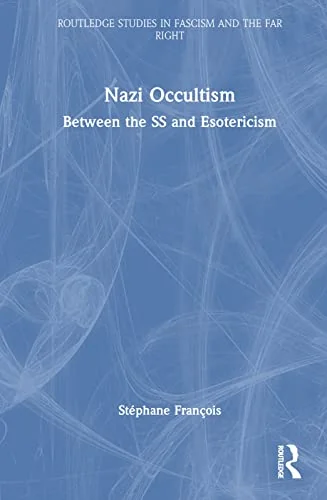
✍️ More books by this author François, Stéphane; , Uskalis, Eriks
All books by this author →🏛 Books from this publisher Routledge
All books from this publisher →


 89
89

You might also like
See more →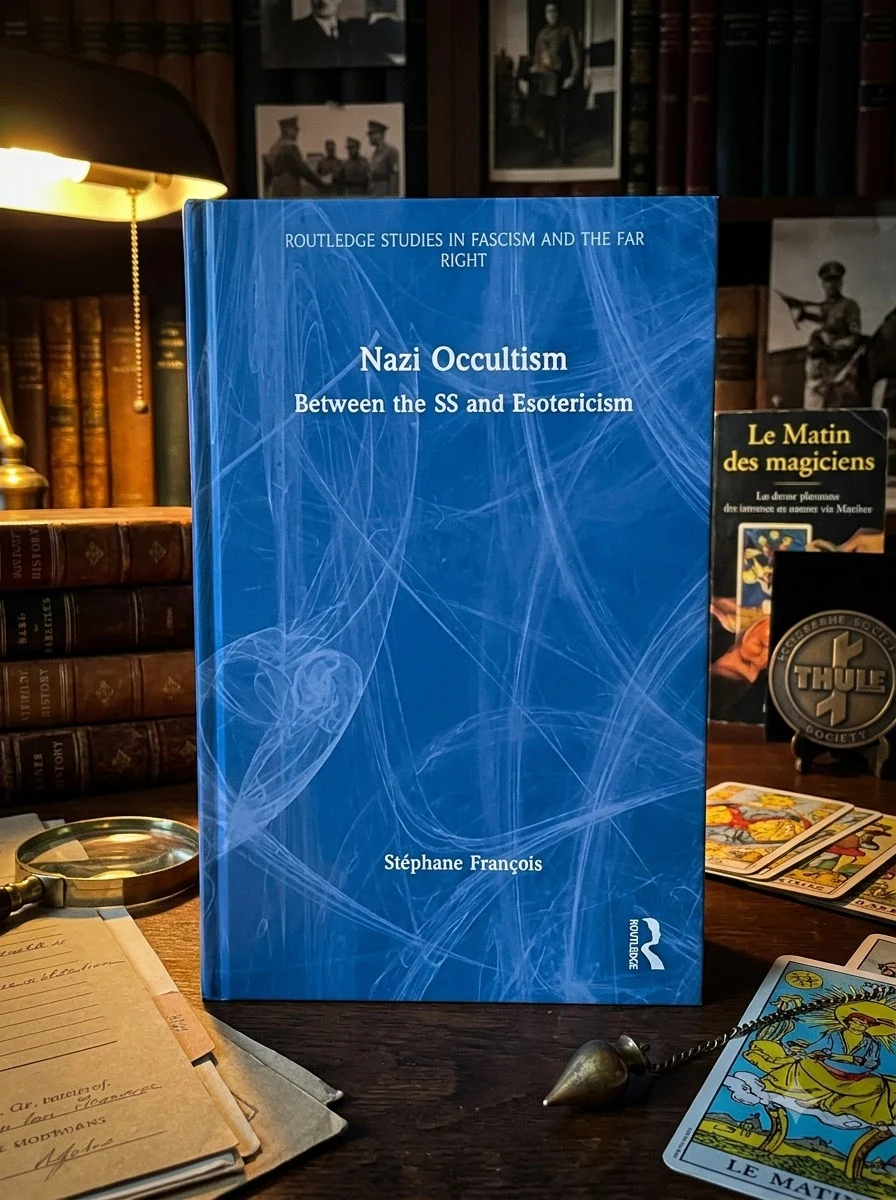
 91
91
 91
91