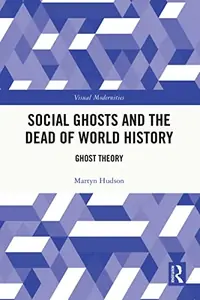
Social Ghosts and the Dead of World History: Ghost Theory Hudson, Martyn
Hudson, MartynStock reported in the catalog; fulfillment is confirmed with your request.
Unearth the spectral forces haunting history, reshaping our understanding of modernity and crisis.
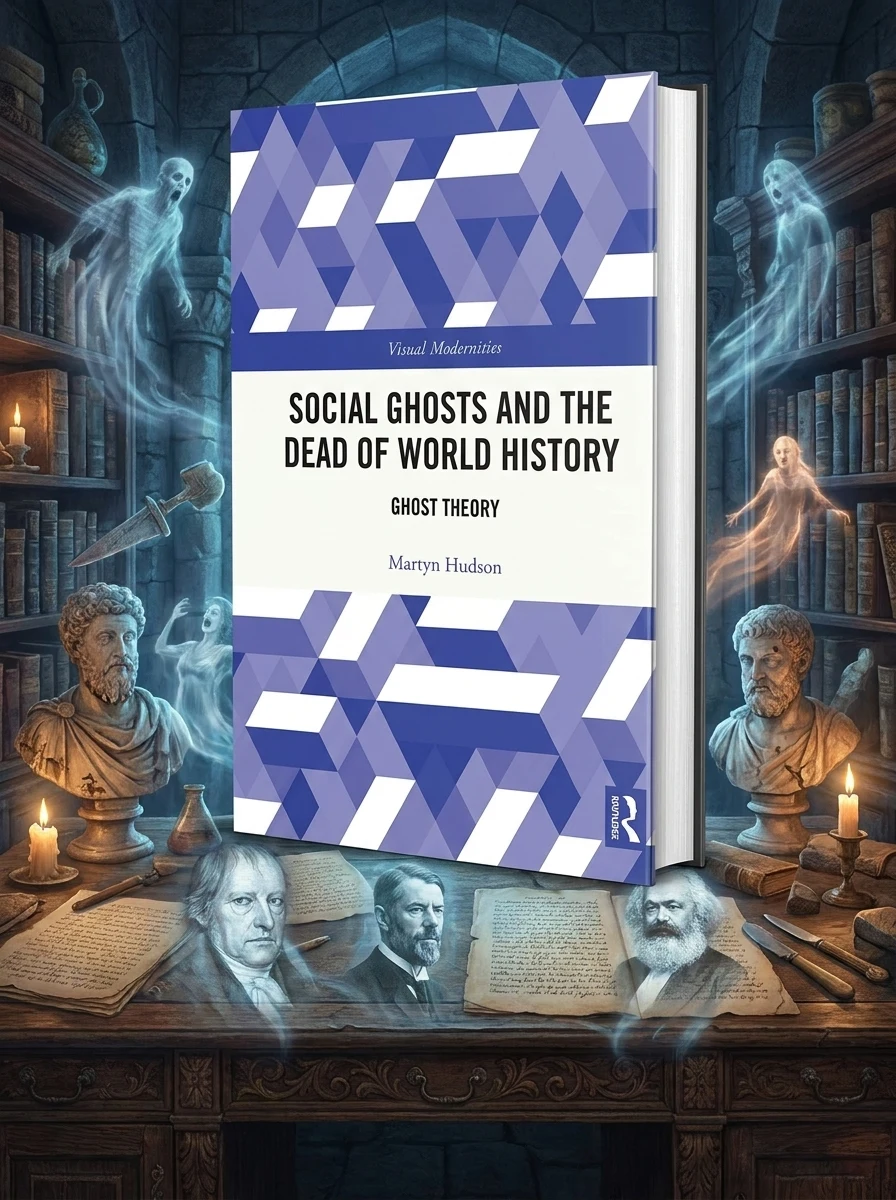
Martyn Hudson's profound work delves into the pervasive presence of "ghosts" and "spirits" within the foundational texts of classical social theory and philosophy. Moving beyond conventional interpretations, this book scrutinizes how figures like Hegel, Weber, and Marx grappled with non-material entities and their intricate dance with the material world. It explores these spectral influences across diverse domains, from ancient prehistory and archaeological sites to the symbolic power of statues and the folklore embedded in wooden artifacts. This offers a radical re-evaluation of social science, proposing a counter-modernity that illuminates our contemporary global challenges.
This work situates itself at the intersection of classical social theory and occult studies, challenging the materialist foundations of modernity by reintroducing spectral metaphysics into sociological discourse. It bridges the gap between academic philosophy and esoteric thought through a rigorous textual analysis of canonical thinkers.


📝 Description: Social Ghosts and the Dead of World History: Ghost Theory Hudson, Martyn
💎 Expert review
📖 Why choose it
Why this book is worth reading
Readers fascinated by the hidden metaphysical underpinnings of social theory will find this text indispensable. It offers a radical re-evaluation of how figures like Hegel, Weber, and Marx engaged with non-material entities, providing a counter-modern perspective essential for understanding contemporary global crises. By exploring spectral influences from ancient prehistory to wooden artifacts, Hudson illuminates the intricate dance between spirits and the material world. This book is ideal for scholars and enthusiasts seeking to unearth the spectral forces haunting history, reshaping their grasp of modernity through a lens that values the unseen alongside the seen.
⭐ Reader reviews
Reader rating
Hudson presents a profound, if dense, interrogation of classical social theory’s reliance on spectral figures. The text successfully proposes a counter-modernity that challenges standard materialist interpretations, offering fresh insights into archaeological sites and symbolic statues. However, this is not a casual read; it demands significant philosophical background to navigate its complex arguments regarding Marx and Weber. Readers seeking straightforward historical narratives or accessible introductions to social theory will likely find the tone overly academic and abstract. It is strictly for those willing to engage with difficult theoretical constructs about non-material entities and their role in shaping our understanding of crisis.
❓ Frequently asked questions
📖 Who should read this
If you're a scholar in philosophy, history, social theory, anthropology, or cultural studies, or simply a curious mind fascinated by the overlooked spectral dimensions of human experience and historical forces, this book offers a challenging and deeply rewarding intellectual journey.
🎯 Key themes and symbolism
Spectral Forces in Modernity
This book examines how prominent thinkers such as Hegel, Max Weber, and Karl Marx, despite their differing frameworks, each contended with a form of 'spirit' or 'phantasm' at the heart of their social analyses. It explores how these seemingly non-material concepts underpinned their understanding of historical progression, societal structures, and human consciousness within the modern era.
Materiality of the Spirit
Hudson investigates the dynamic interplay between these spectral forces and the physical world. The book explores how "ghosts" manifest not just as abstract ideas, but through tangible elements: in the human body, within archaeological remnants, through the silent presence of statues, and in the cultural narratives woven into everyday objects like wooden artifacts. This blurs the lines between the ethereal and the concrete.
A Counter-Modernity Vision
By systematically unpacking the spectral dimensions inherent in classical social thought, the book proposes an alternative lens through which to view modernity itself. It challenges prevailing interpretations of social science and philosophy, offering fresh conceptual tools to comprehend and address the profound crises and catastrophes that define our contemporary world, suggesting solutions beyond conventional frameworks.
💬 Quotes from the book
“The persistent echo of the unacknowledged dead reverberates through the grand narratives of modernity, demanding we reconsider their spectral agency.”
“To truly comprehend our contemporary crises, we must move beyond a purely materialist lens and embrace the profound, often obscured, interplay of spirit and substance.”
📜 Historical context
📚 Glossary
- World-Spirit
- Verstehen
- Phantasms
📔 Questions to reflect on
- Consider a major societal crisis or historical event. How might 'spectral forces' or 'social ghosts' be at play in its origins or ongoing impact?
- Reflect on an everyday object or a public monument. In what ways might it embody or transmit 'spirit' or historical 'phantasms' beyond its material form?
- How does acknowledging the 'dead of world history' as active presences alter your understanding of your own place within contemporary society?
📖 From the series “Visual Modernities”
All books in the series →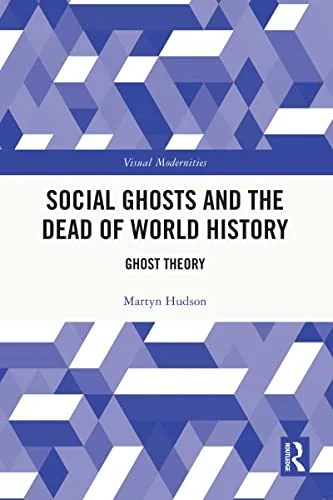
✍️ More books by this author Hudson, Martyn
All books by this author →🏛 Books from this publisher Routledge
All books from this publisher →

 89
89

You might also like
See more →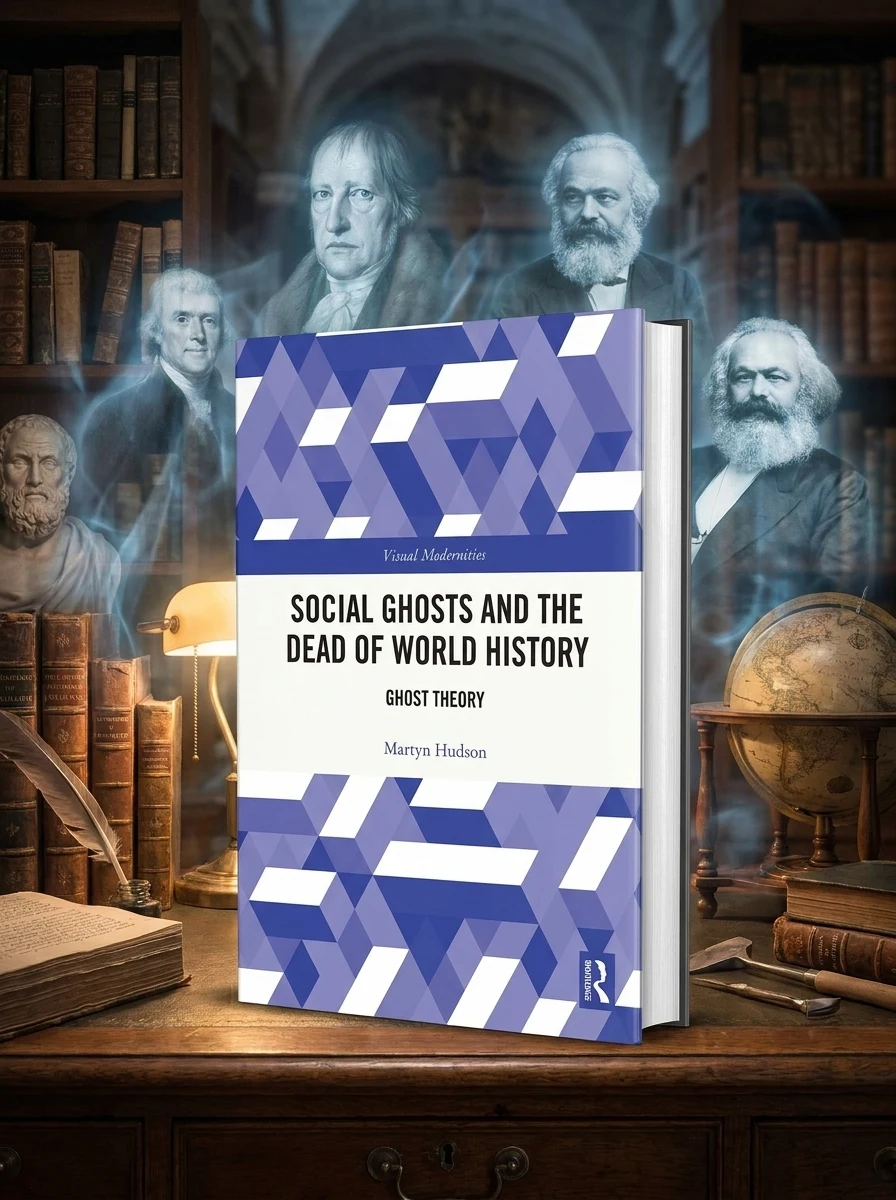
 91
91
 91
91